

My Garage
My Account
Cart
Genuine 2001 Toyota Avalon Axle Shaft
Car Axle Shaft- Select Vehicle by Model
- Select Vehicle by VIN
Select Vehicle by Model
orMake
Model
Year
Select Vehicle by VIN
For the most accurate results, select vehicle by your VIN (Vehicle Identification Number).
6 Axle Shafts found
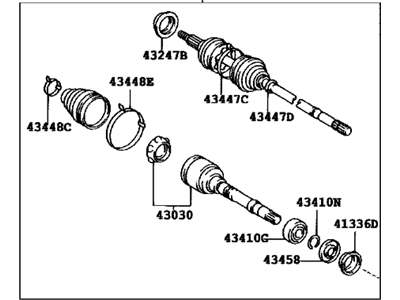
2001 Toyota Avalon Front Drive Shaft Assembly Right Hand
Part Number: 43410-07030$482.45 MSRP: $719.71You Save: $237.26 (33%)Ships in 1-2 Business DaysProduct Specifications- Other Name: Shaft Assy, Front Drive, Rh; Axle Assembly
- Position: Passenger Side
- Part Name Code: 43410
- Item Weight: 21.60 Pounds
- Item Dimensions: 42.8 x 5.5 x 5.4 inches
- Condition: New
- Fitment Type: Direct Replacement
- SKU: 43410-07030
- Warranty: This genuine Toyota part is covered by warranty.
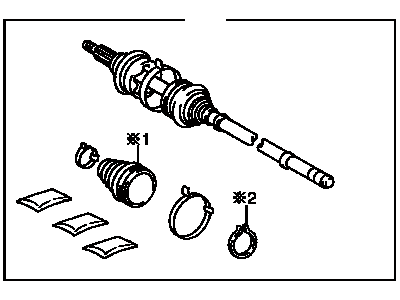
2001 Toyota Avalon Front Drive Outboard Joint Shaft Assembly Left Hand
Part Number: 43470-09610$48.97 MSRP: $278.84You Save: $229.87 (83%)Ships in 1-2 Business DaysProduct Specifications- Other Name: Shaft Assembly, Front Drive Outboard Joint, Lh; Outer CV Joint, Outer Joint Assembly
- Position: Front Driver Side
- Item Weight: 6.90 Pounds
- Item Dimensions: 8.1 x 4.2 x 4.3 inches
- Condition: New
- Fitment Type: Direct Replacement
- SKU: 43470-09610
- Warranty: This genuine Toyota part is covered by warranty.
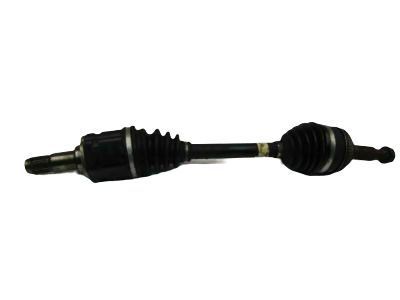
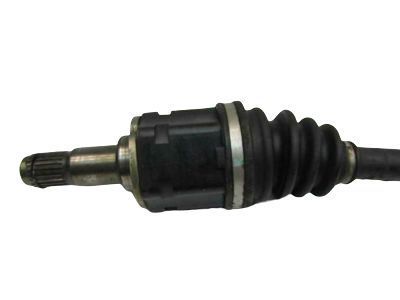
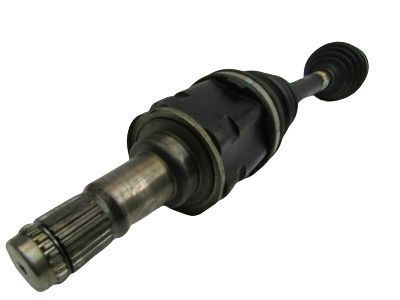
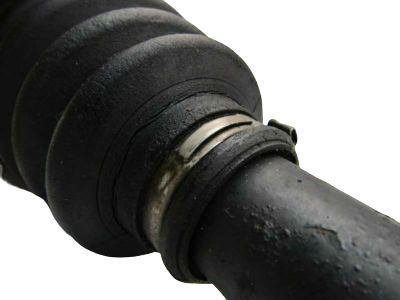
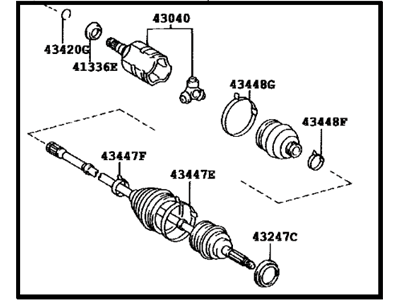 Product Specifications
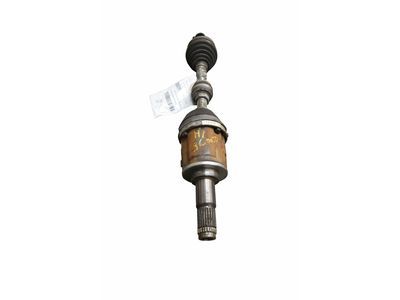
- Other Name: Shaft Assy, Front Drive, Lh; Axle Assembly
- Position: Driver Side
- Part Name Code: 43420
- Item Weight: 23.00 Pounds
- Item Dimensions: 31.0 x 5.1 x 5.3 inches
- Condition: New
- Fitment Type: Direct Replacement
- SKU: 43420-08010
- Warranty: This genuine Toyota part is covered by warranty.
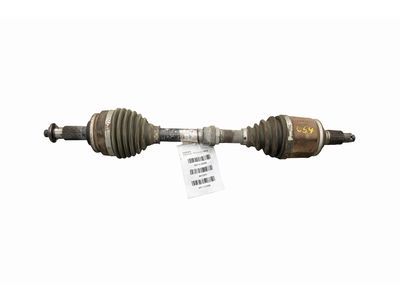
 Product Specifications
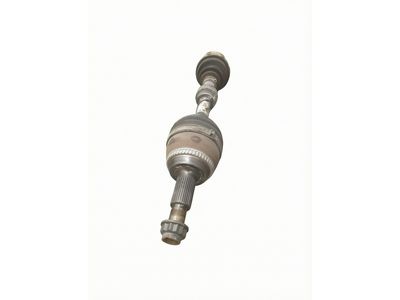
- Other Name: Shaft Assy, Front Drive, Rh; Axle Assembly
- Position: Passenger Side
- Replaces: 43410-06430
- Part Name Code: 43410
- Item Weight: 20.80 Pounds
- Item Dimensions: 44.1 x 5.7 x 5.5 inches
- Condition: New
- Fitment Type: Direct Replacement
- SKU: 43410-07031
- Warranty: This genuine Toyota part is covered by warranty.
- Product Specifications
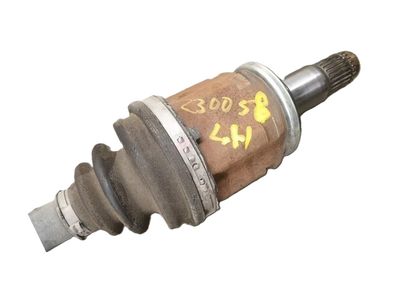
- Other Name: Shaft Assy, Front Drive Outboard Joint, Lh
- Position: Front Driver Side
- Item Weight: 7.30 Pounds
- Item Dimensions: 28.6 x 6.2 x 5.1 inches
- Condition: New
- Fitment Type: Direct Replacement
- SKU: 43470-09A16
- Warranty: This genuine Toyota part is covered by warranty.
- Product Specifications
- Other Name: Shaft Assy, Front Drive, Lh; Axle Assembly
- Position: Driver Side
- Part Name Code: 43420
- Item Weight: 23.90 Pounds
- Item Dimensions: 30.1 x 5.3 x 5.1 inches
- Condition: New
- Fitment Type: Direct Replacement
- SKU: 43420-07030
- Warranty: This genuine Toyota part is covered by warranty.
2001 Toyota Avalon Axle Shaft
With ToyotaPartsDeal.com, you have access to an extensive inventory of genuine 2001 Toyota Avalon Axle Shaft, all priced competitively. Feel secure in your purchase, as all our OEM 2001 Toyota Avalon Axle Shaft are covered by warranty. Plus, we offer a hassle-free return policy and speedy delivery service.
2001 Toyota Avalon Axle Shaft Parts Questions & Experts Answers
- Q:What is the function of the front axle shaft and CV joints in a transaxle system for the 2001 Toyota Avalon?Posted by Erick Z.A:The power from the transaxle is transmitted to the wheels through a pair of axle shafts, with the inner end of each axle shaft directly splined to the differential side gears. The outer ends of the axle shafts are splined to the axle hubs and locked in place by a large nut. The left side axle shaft is shorter, while the right side axle shaft is longer and equipped with an intermediate shaft supported by a bearing support. The inner ends of the axle shafts have sliding constant velocity joints capable of both angular and axial motion, while the outer joints are capable of angular but not axial movement. The boots should be inspected periodically for damage and leaks, and torn CV Boot must be replaced immediately to prevent damage. Symptoms of worn or damaged CV joints include clicking noises in turns, clunking when accelerating after coasting, and vibration at highway speeds. Checking for wear in the CV joints and axle shafts involves rotating each axle in both directions while feeling for play indicating worn splines or sloppy CV joints, as well as checking for cracks, dents, and distortion in the axle shafts.Answered by Toyota Parts Specialist Jerry / Sep 28, 2025
Related 2001 Toyota Avalon Parts
 2001 Toyota Avalon Wheel Bearing
 2001 Toyota Avalon Torque Converter
 2001 Toyota Avalon Wheel Seal
 2001 Toyota Avalon Transmission Pan
 2001 Toyota Avalon Pinion Washer
 2001 Toyota Avalon Input Shaft Bearing