

My Garage
My Account
Cart
Genuine 2003 Toyota Tacoma Oil Pan
Oil Drain Pan- Select Vehicle by Model
- Select Vehicle by VIN
Select Vehicle by Model
orMake
Model
Year
Select Vehicle by VIN
For the most accurate results, select vehicle by your VIN (Vehicle Identification Number).
4 Oil Pans found
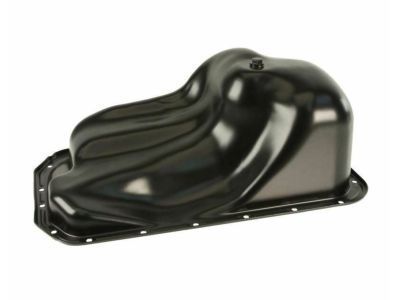
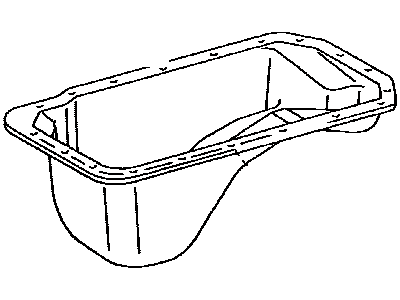
2003 Toyota Tacoma Oil Pan Sub-Assembly
Part Number: 12101-62070$183.27 MSRP: $262.79You Save: $79.52 (31%)Ships in 1-2 Business DaysProduct Specifications- Other Name: Pan Sub-Assy, Oil; Oil Pan
- Part Name Code: 12101
- Item Weight: 7.60 Pounds
- Item Dimensions: 17.5 x 10.1 x 10.5 inches
- Condition: New
- Fitment Type: Direct Replacement
- SKU: 12101-62070
- Warranty: This genuine Toyota part is covered by warranty.
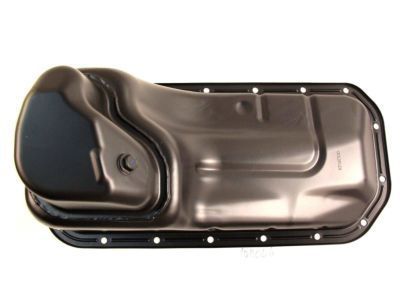
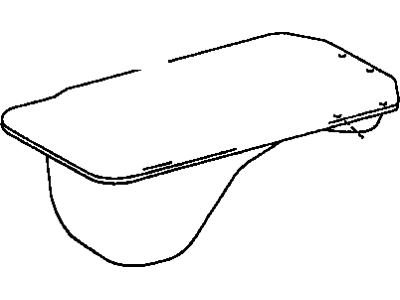
2003 Toyota Tacoma Oil Pan Sub-Assembly
Part Number: 12101-75050$168.47 MSRP: $239.51You Save: $71.04 (30%)Ships in 1-3 Business DaysProduct Specifications- Other Name: Pan Sub-Assy, Oil; Oil Pan
- Part Name Code: 12101
- Item Weight: 10.20 Pounds
- Item Dimensions: 22.2 x 11.1 x 11.2 inches
- Condition: New
- Fitment Type: Direct Replacement
- SKU: 12101-75050
- Warranty: This genuine Toyota part is covered by warranty.
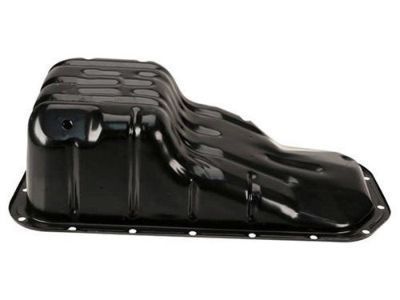
2003 Toyota Tacoma Oil Pan Sub-Assembly
Part Number: 12101-75041$147.17 MSRP: $209.23You Save: $62.06 (30%)Product Specifications- Other Name: Pan Sub-Assy, Oil; Oil Pan
- Replaces: 12101-75040
- Part Name Code: 12101
- Item Weight: 7.70 Pounds
- Item Dimensions: 22.2 x 17.0 x 16.3 inches
- Condition: New
- Fitment Type: Direct Replacement
- SKU: 12101-75041
- Warranty: This genuine Toyota part is covered by warranty.
- Product Specifications
- Other Name: Pan Sub-Assy, Oil; Oil Pan
- Part Name Code: 12101
- Item Weight: 7.00 Pounds
- Item Dimensions: 18.4 x 13.1 x 11.2 inches
- Condition: New
- Fitment Type: Direct Replacement
- SKU: 12101-62080
- Warranty: This genuine Toyota part is covered by warranty.
2003 Toyota Tacoma Oil Pan
With ToyotaPartsDeal.com, you have access to an extensive inventory of genuine 2003 Toyota Tacoma Oil Pan, all priced competitively. Feel secure in your purchase, as all our OEM 2003 Toyota Tacoma Oil Pan are covered by warranty. Plus, we offer a hassle-free return policy and speedy delivery service.
2003 Toyota Tacoma Oil Pan Parts Questions & Experts Answers
- Q:How to remove and install the oil pan in V6 engine for the 2003 Toyota Tacoma?Posted by Camilla C.A:The procedure of removing the oil pan in all 4WD models requires the separation of the front driveshafts and front differential assembly, and therefore it is often easier to pull out the engine to gain access to the area of the oil pan. To start with, remove the cover beneath the engine hood and then, unbend the cable which is negative from the battery; additionally, if the stereo you are to steal has an anti theft feature, make sure that you have the correct code. Open the hood and loosen the bolt from the top of the rack and trace using a wrench. In case of 4WD models, it is required to have the front differential and drive axles detached. Pull out the oil pump pick-up pipe and drain the used engine oil and then remove the used oil filter and the flywheel housing cover. Remove the bolts and nuts that hold the oil pan, and gently lift it off If you find that it has become stuck it will help not to force it in a way that will damage the mating surfaces. Take off the oil pump strainer/pickup and the baffle plate, if fitted, at the underside of the engine. Regarding installation, one will have to remove all previous silicone that was used in the installation process, clean both faces of the block and oil pan, and ensure the threaded bolt holes were clean. Ensure that the oil pan flange is distorted and then the distorted part the flattened out. Replace the baffle if the one was removed, check the oil pump pick-up/strainer assembly for any signs of wear and if worn replace the pick-up with the strainer and a new gasket. Cove the oil pan flange with ATV sealant, set the oil pan in its place on the engine block, and use the bolts to secure it tightening them from the center out. Reversing the procedures to the removal process should complete the installation process, refill the oil and replace the oil filter. Last but not the least, start the engine to observe for the oil pressure and leaks.Answered by Toyota Parts Specialist Bruce / Apr 24, 2023
Related 2003 Toyota Tacoma Parts
 2003 Toyota Tacoma Drain Plug Washer
 2003 Toyota Tacoma Oil Filter
 2003 Toyota Tacoma Drain Plug
 2003 Toyota Tacoma Rod Bearing
 2003 Toyota Tacoma Dipstick
 2003 Toyota Tacoma Oil Pump
 2003 Toyota Tacoma Crankshaft Pulley
 2003 Toyota Tacoma Dipstick Tube
 2003 Toyota Tacoma Oil Cooler
 2003 Toyota Tacoma Piston Ring Set
 2003 Toyota Tacoma Oil Pressure Switch
 2003 Toyota Tacoma Crankshaft Thrust Washer Set