

My Garage
My Account
Cart
Genuine 2008 Toyota Solara Starter Motor
Starter Ignition- Select Vehicle by Model
- Select Vehicle by VIN
Select Vehicle by Model
orMake
Model
Year
Select Vehicle by VIN
For the most accurate results, select vehicle by your VIN (Vehicle Identification Number).
1 Starter Motor found
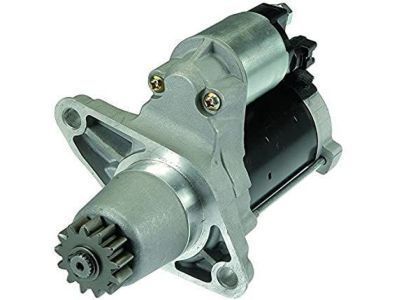
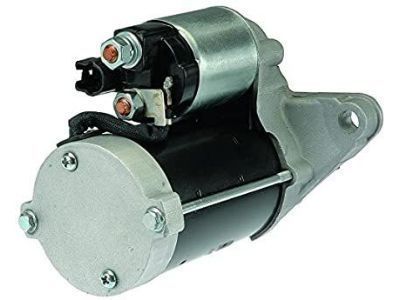
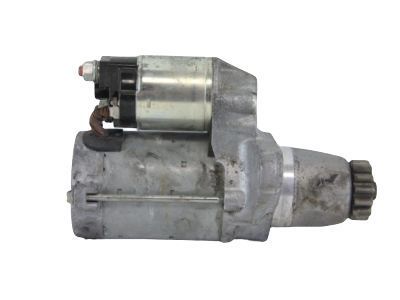
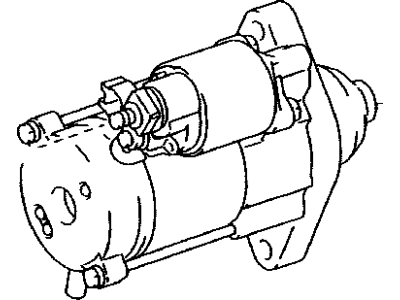
2008 Toyota Solara Starter Assembly
Part Number: 28100-0A010$159.34 MSRP: $225.18You Save: $65.84 (30%)Ships in 1-3 Business DaysProduct Specifications- Other Name: Starter Assy
- Manufacturer Note: 12V 1.7KW
- Replaced by: 28100-0A011-84
- Part Name Code: 28100
- Item Weight: 9.30 Pounds
- Item Dimensions: 13.1 x 6.4 x 6.3 inches
- Condition: New
- Fitment Type: Direct Replacement
- SKU: 28100-0A010
- Warranty: This genuine Toyota part is covered by warranty.
2008 Toyota Solara Starter Motor
With ToyotaPartsDeal.com, you have access to an extensive inventory of genuine 2008 Toyota Solara Starter Motor, all priced competitively. Feel secure in your purchase, as all our OEM 2008 Toyota Solara Starter Motor are covered by warranty. Plus, we offer a hassle-free return policy and speedy delivery service.
2008 Toyota Solara Starter Motor Parts Questions & Experts Answers
- Q:How to check Starter Motor and circuit for the 2008 Toyota Solara?Posted by Xiaoming C.A:Malfunction in the starting circuit must not be attributed to the starter right after it is experienced. First, clean and tighten the battery cable clamps and examine the battery cables then replace the damaged ones. Check on the battery and if there is a problem with the battery replace it. Check and inspect the wire connection and harness of the starter solenoid and check whether the bolt of the starter motor is tightened and also check the fusible links coming out the fuse board in the engine room replacing the burned link and checking the switch IGN circuit. Also test the Park/Neutral switch or the clutch start switch to make sure shift lever is in the PARK or NEUTRAL or the clutch pedal is depressed. Check the operation of the starter relay which is in the fuse/relay box situated in the engine compartment. If the starter does not engage when the ignition switch is in start position, verify solenoid for the correct voltage signal from the battery. On absence of supply voltage, check all direct fuses and relays in the circuit with the starting system. If voltage is present but the starter motor does not it to operate, then the starter must be pulled off and must be bench tested. It these terms turn out slow, then it is advisable to image check the starter cranking voltage or the current being drained from the battery should not be below the specified values. If the above test indicates that the voltage is getting to the starter but it does not engage, then pull the starter/solenoid and take it to the bench since the solenoid has probably failed. Try turning the crank pulley before going forward, and while actually the assembly is held in a vise, join appropriate connectors on the jumper cables to observe how the solenoid works. The flow and rotation of the solenoid plunger are back to the pinion drive, and this is the normal working of the assembly, but if it does not move and rotate, examination should be made between the solenoid or the starter motor.Answered by Toyota Parts Specialist Manuel / Mar 25, 2025
Related 2008 Toyota Solara Parts
 2008 Toyota Solara Alternator
 2008 Toyota Solara Alternator Brush
 2008 Toyota Solara Starter Solenoid
 2008 Toyota Solara Alternator Bearing
 2008 Toyota Solara Alternator Pulley
 2008 Toyota Solara Alternator Case Kit
 2008 Toyota Solara Armature
 2008 Toyota Solara Starter Drive Gear