

My Garage
My Account
Cart
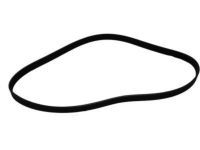
Genuine Toyota RAV4 Drive Belt
Serpentine Belt- Select Vehicle by Model
- Select Vehicle by VIN
Select Vehicle by Model
orMake
Model
Year
Select Vehicle by VIN
For the most accurate results, select vehicle by your VIN (Vehicle Identification Number).
25 Drive Belts found
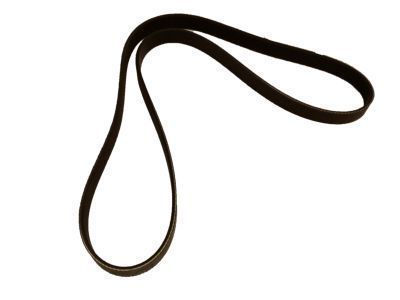
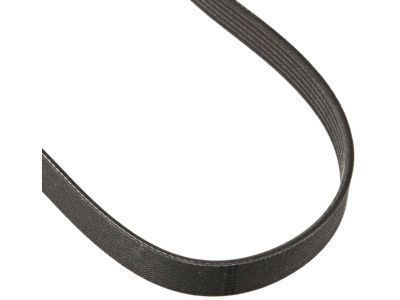
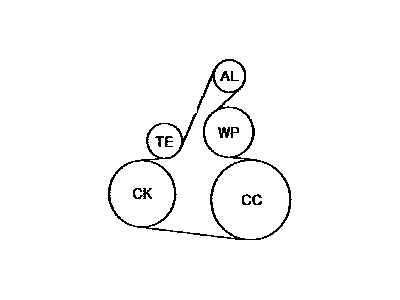
Toyota RAV4 V-Ribbed Belt
Part Number: 90916-A2021$25.45 MSRP: $35.58You Save: $10.13 (29%)Ships in 1-3 Business Days
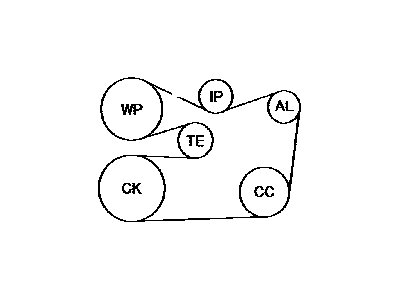
Toyota RAV4 V-Ribbed Belt
Part Number: 90916-A2027$29.02 MSRP: $40.57You Save: $11.55 (29%)Ships in 1 Business Day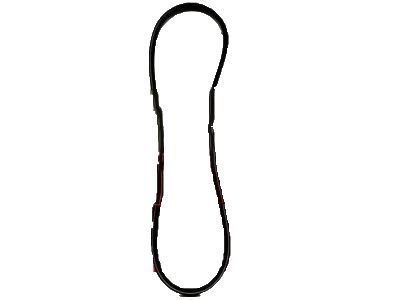
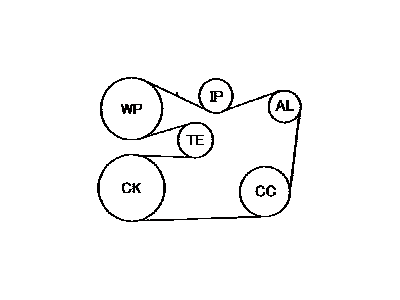
Toyota RAV4 V Belt
Part Number: 99367-C1550$44.85 MSRP: $62.69You Save: $17.84 (29%)Ships in 1-3 Business Days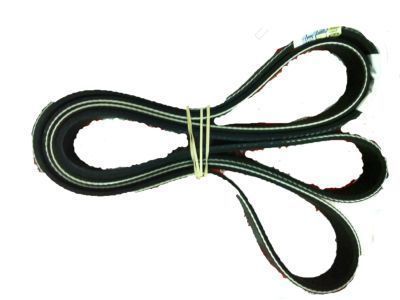
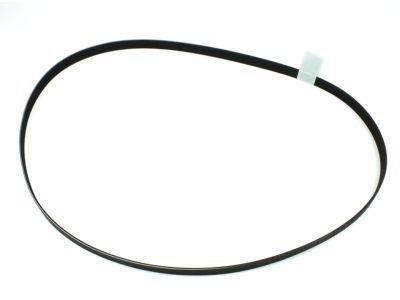
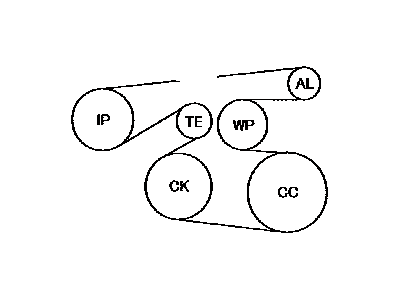
Toyota RAV4 V Belt
Part Number: 90916-02652$39.73 MSRP: $55.53You Save: $15.80 (29%)Ships in 1-3 Business Days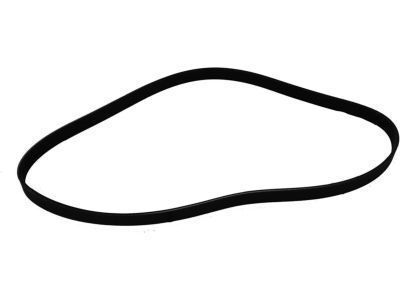
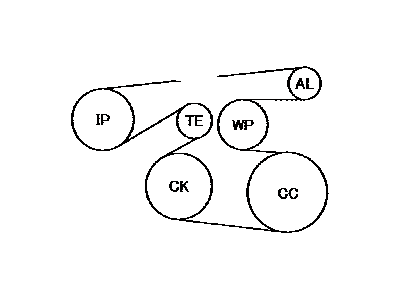
Toyota RAV4 V-Ribbed Belt
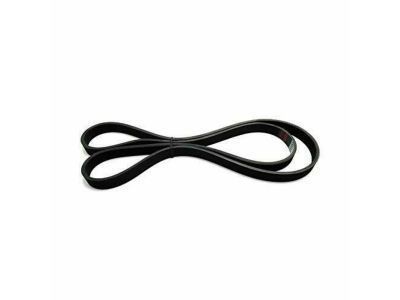
Part Number: 90916-02667$25.45 MSRP: $35.58You Save: $10.13 (29%)Ships in 1-3 Business Days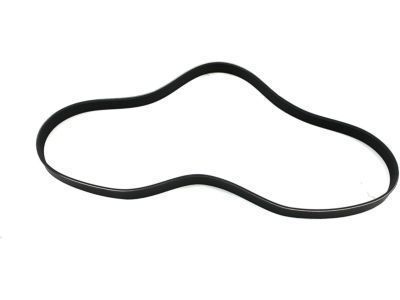
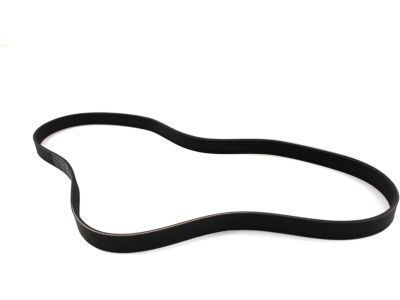
Toyota RAV4 V-Ribbed Belt
Part Number: 90916-02668$33.55 MSRP: $46.89You Save: $13.34 (29%)Ships in 1-3 Business Days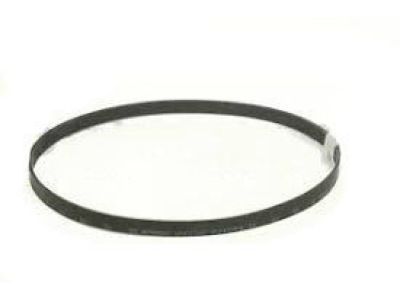
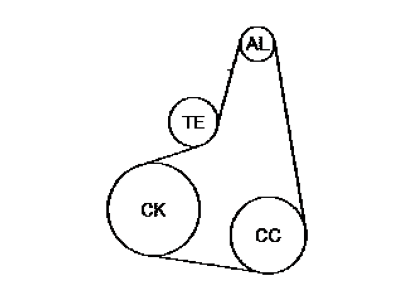
Toyota RAV4 V-Ribbed Belt
Part Number: 90916-02778$30.33 MSRP: $42.40You Save: $12.07 (29%)Ships in 1-2 Business Days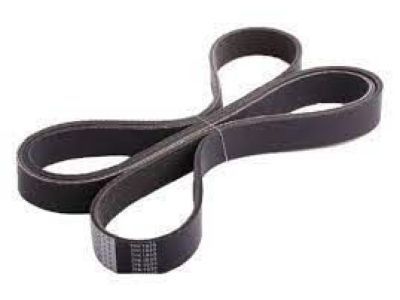
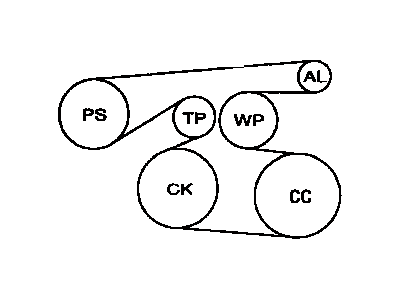
Toyota RAV4 V Belt
Part Number: 90916-02503$68.78 MSRP: $96.96You Save: $28.18 (30%)Ships in 1-3 Business Days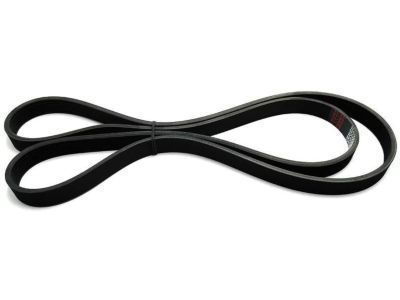
Toyota RAV4 V Belt
Part Number: 90916-02599$37.24 MSRP: $52.04You Save: $14.80 (29%)Ships in 1-3 Business Days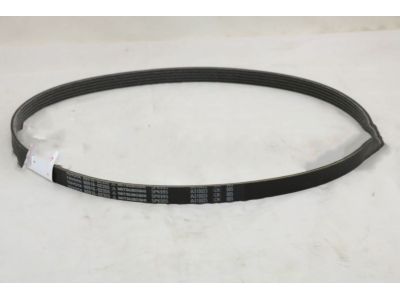
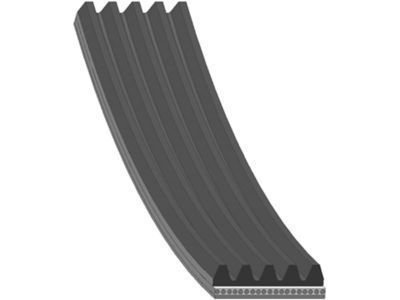
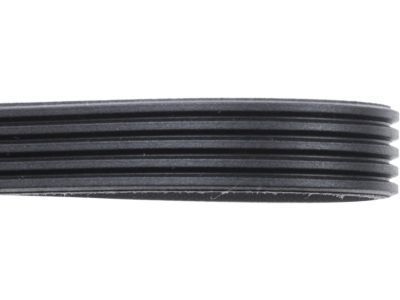
Toyota RAV4 V Belt
Part Number: 90916-02355$17.72 MSRP: $24.77You Save: $7.05 (29%)Ships in 1-3 Business Days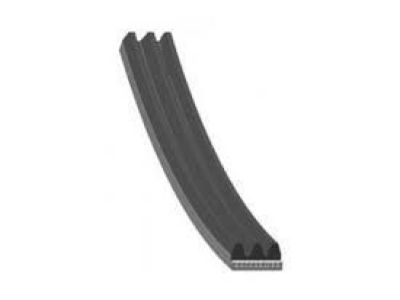
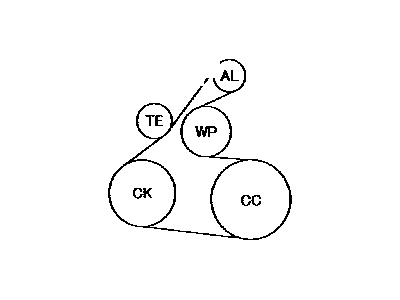
Toyota RAV4 V-Ribbed Belt
Part Number: 90916-02721$8.08 MSRP: $11.29You Save: $3.21 (29%)Ships in 1-3 Business Days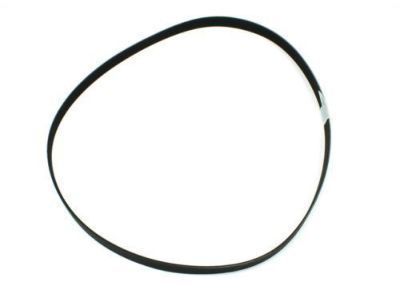
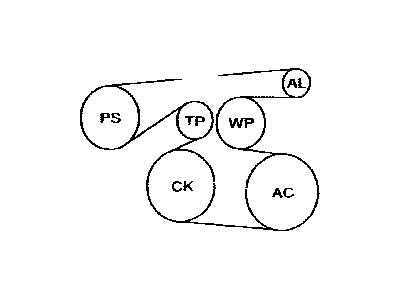
Toyota RAV4 V Belt
Part Number: 90916-02597$43.54 MSRP: $60.87You Save: $17.33 (29%)Ships in 1-3 Business Days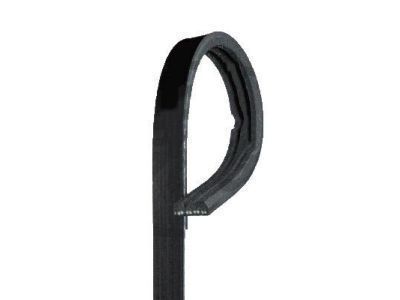
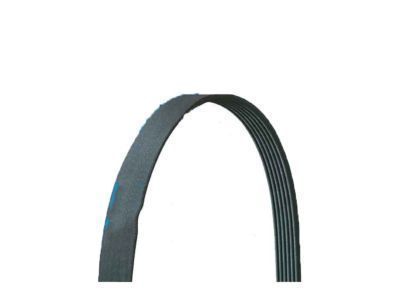
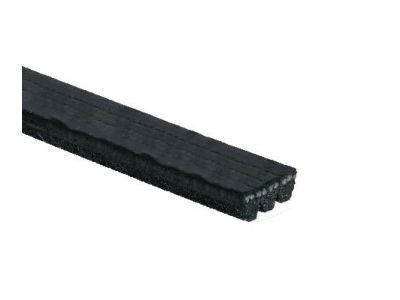
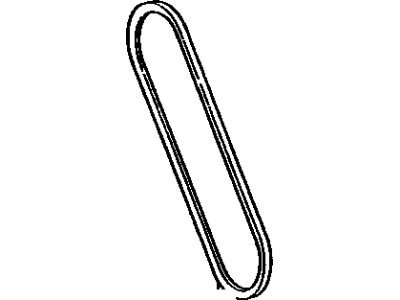
Toyota RAV4 V Belt
Part Number: 99363-30760$8.79 MSRP: $12.29You Save: $3.50 (29%)Ships in 1-3 Business Days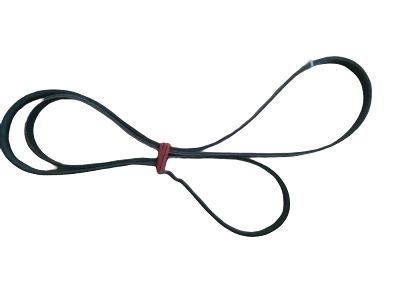
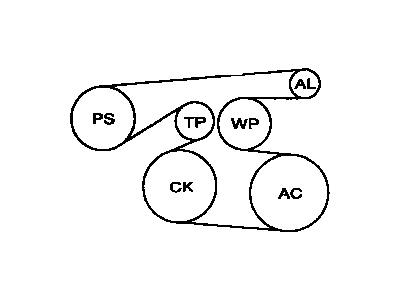
Toyota RAV4 V Belt
Part Number: 90916-02502$53.06 MSRP: $74.17You Save: $21.11 (29%)Ships in 1-2 Business Days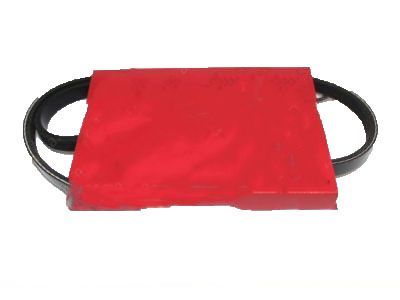
Toyota RAV4 V Belt
Part Number: 99363-80760$8.79 MSRP: $12.29You Save: $3.50 (29%)Ships in 1-3 Business Days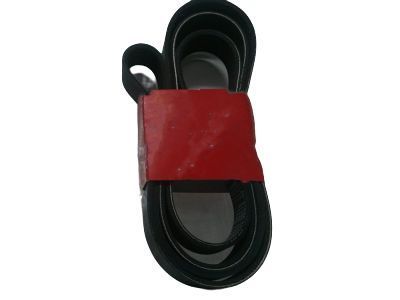
Toyota RAV4 V Belt
Part Number: 90916-02598$53.06 MSRP: $74.17You Save: $21.11 (29%)Ships in 1-3 Business Days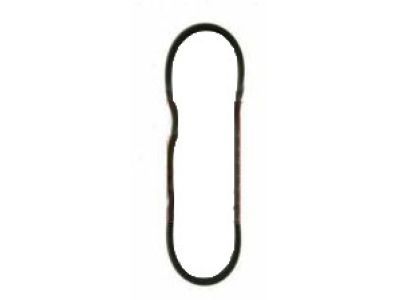
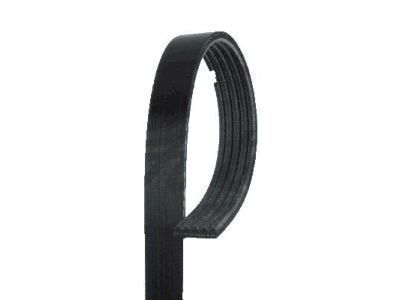
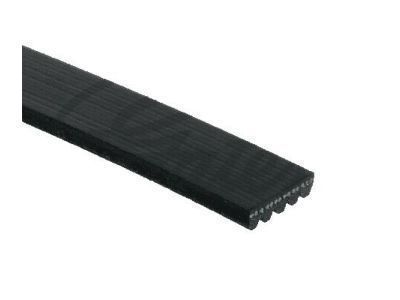
Toyota RAV4 V Belt
Part Number: 99365-31090$21.77 MSRP: $30.42You Save: $8.65 (29%)Ships in 1-3 Business Days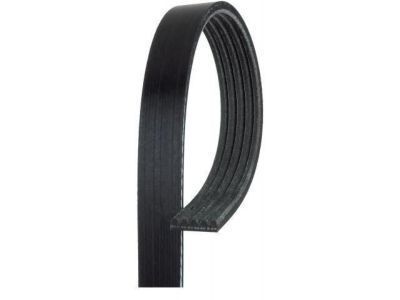
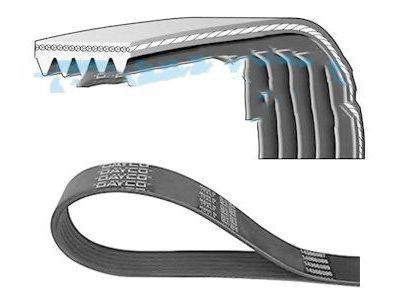
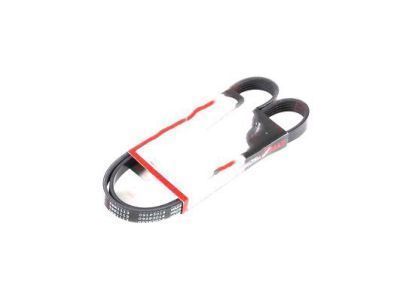
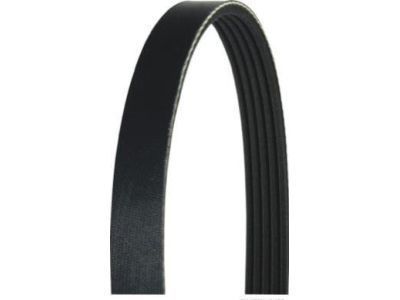
Toyota RAV4 V Belt
Part Number: 90080-91099$17.60 MSRP: $24.60You Save: $7.00 (29%)Ships in 1-3 Business DaysToyota RAV4 V Belt
Part Number: 90916-02596$49.97 MSRP: $69.84You Save: $19.87 (29%)Ships in 1-3 Business DaysToyota RAV4 V Belt
Part Number: 99365-91090$23.19 MSRP: $32.42You Save: $9.23 (29%)Ships in 1-2 Business Days
| Page 1 of 2 |Next >
1-20 of 25 Results
Toyota RAV4 Drive Belt
The Drive Belt in Toyota RAV4 is indispensable for the ability of the engine to charge such parts as the alternator, and drive the A/C compressor. This belt usually over these parts and engages the crankshaft and the serpentine belt ensures transfer of power from the crankshaft to the parts. The longevity of the Drive Belt in RAV4 vehicles ranges between 100,000 miles before getting a replacement; however, any signs of tearing or dent on the belt should be replaced immediately to avoid straining other features and the engine. Some of the Drive Belt variants used in RAV4 models of the past years include those that can suit the particular transmissions of the vehicle. Starting from the simple flat belts that are commonly used to the modern timing Belt with teeth suitable for accurate movement the type proves to offer several benefits when it comes to its use, tractions and durability. As technologies for belts improved, Drive Belts are considered vital driving components in the mechanical tracts of Toyota RAV4 automobiles to manage power transmission.
If you are in demand for superior quality and affordable OEM Toyota RAV4 Drive Belt, then shop with us! We own a wide range of the reduced-priced genuine Toyota RAV4 Drive Belt. You can purchase in confidence as all parts come with a manufacturer's warranty. Any issues with our products? No need to worry as we have a hassle-free return policy to guide you every step of the way.
Toyota RAV4 Drive Belt Parts Questions & Experts Answers
- Q:How to Inspect and Replace the Drive Belt on a Toyota RAV4?A:The drivebelt is located at the right end of the engine and its good condition is critical to the engine's operation. Over time, due to its composition and high stress, the drivebelt stretches and deteriorates, necessitating periodic inspections. A single serpentine drivebelt transmits power from the crankshaft to the alternator, water pump, and air conditioning compressor. With the engine stopped, inspect the full length of the drivebelt(s) for cracks and separation of the belt plies. It may be necessary to turn the engine clockwise using a wrench or socket and breaker bar on the crankshaft pulley bolt to thoroughly inspect the belt. Check for fraying, glazing, and any nicks, cracks, distortion, and corrosion on the pulleys. Small cracks in the edges of the belt ribs are not unusual and unless extensive or very deep, belt replacement is not essential. The drivebelt tension is adjusted automatically by a spring-loaded tensioner. To replace the belt, loosen the lug nuts of the right front wheel, raise the vehicle, support it securely on jackstands, and remove the right front wheel. Open the hood, remove the coolant expansion tank mounting bolts and set the tank aside. Remove the inner fender splash shield for access to the tensioner. Place a wrench on the hexagon portion of the tensioner and rotate it clockwise to release the tension. Slip the belt off the pulleys and slowly release the tensioner. Route the new belt over the pulleys, rotating the tensioner to allow the belt to be installed, then release the bell tensioner. Ensure the bell is properly centered in the pulleys. To replace a faulty tensioner, remove the drive-belt, then unscrew the mounting bolt. On 2017 and later models, the tensioner bolt is covered by a dust cap; use a screwdriver to remove the cap and access the mounting bolt. Installation is the reverse of the removal procedure. Finally, install the drivebelt.
Related Toyota RAV4 Parts
 Toyota RAV4 Alternator
 Toyota RAV4 Timing Belt
 Toyota RAV4 Crankshaft Pulley
 Toyota RAV4 Rod Bearing
 Toyota RAV4 Timing Cover
 Toyota RAV4 Timing Chain Tensioner
 Toyota RAV4 Piston Ring Set
 Toyota RAV4 Harmonic Balancer
 Toyota RAV4 Crankshaft Gear
 Toyota RAV4 Rocker Arm
Browse by Year
2024 Drive Belt 2023 Drive Belt 2022 Drive Belt 2021 Drive Belt 2020 Drive Belt 2019 Drive Belt 2018 Drive Belt 2017 Drive Belt 2016 Drive Belt 2015 Drive Belt 2014 Drive Belt 2013 Drive Belt 2012 Drive Belt 2011 Drive Belt 2010 Drive Belt 2009 Drive Belt 2008 Drive Belt 2007 Drive Belt 2006 Drive Belt 2005 Drive Belt 2004 Drive Belt 2003 Drive Belt 2002 Drive Belt 2001 Drive Belt 2000 Drive Belt 1999 Drive Belt 1998 Drive Belt 1997 Drive Belt 1996 Drive Belt