

My Garage
My Account
Cart
Genuine Toyota RAV4 PCV Hose
PCV Valve Hose- Select Vehicle by Model
- Select Vehicle by VIN
Select Vehicle by Model
orMake
Model
Year
Select Vehicle by VIN
For the most accurate results, select vehicle by your VIN (Vehicle Identification Number).
22 PCV Hoses found
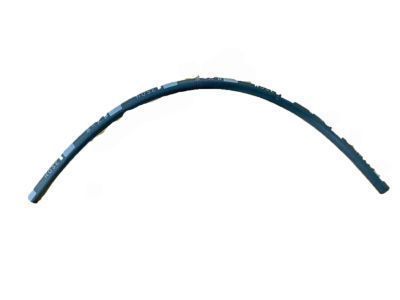
Toyota RAV4 Vacuum Hose
Part Number: 90999-92002$6.77 MSRP: $9.46You Save: $2.69 (29%)Ships in 1-3 Business Days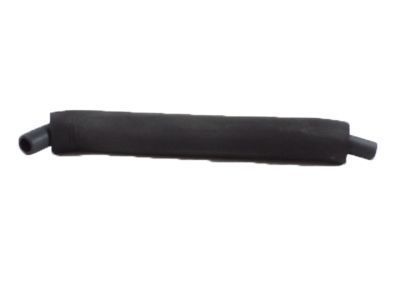
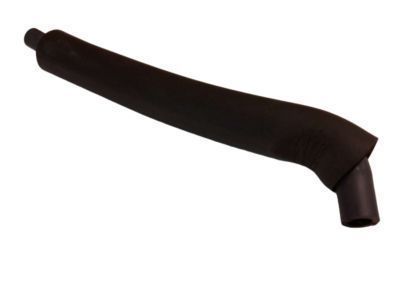
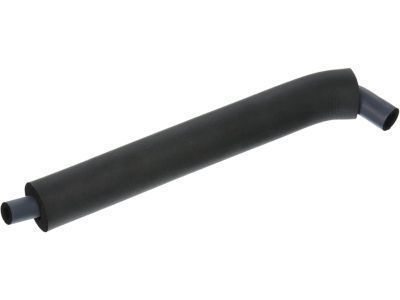
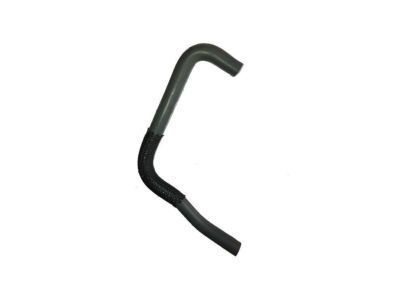
Toyota RAV4 Ventilation Hose
Part Number: 12262-36040$18.31 MSRP: $25.60You Save: $7.29 (29%)Ships in 1-3 Business Days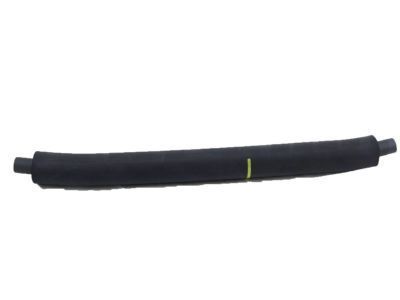
Toyota RAV4 Ventilation Hose
Part Number: 12261-31050$32.12 MSRP: $44.89You Save: $12.77 (29%)Ships in 1-3 Business Days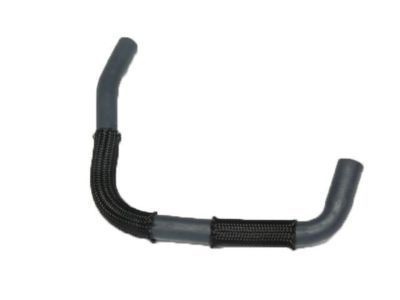
Toyota RAV4 Ventilation Hose
Part Number: 12262-36020$24.50 MSRP: $34.25You Save: $9.75 (29%)Ships in 1-3 Business Days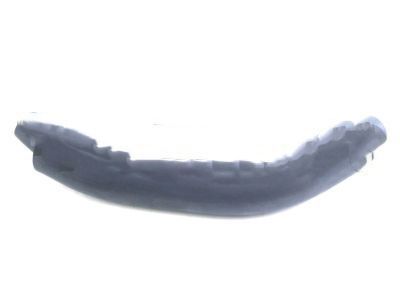
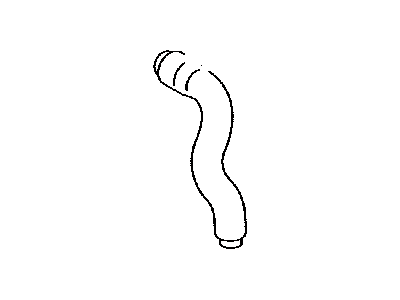
Toyota RAV4 Ventilation Hose
Part Number: 12261-28010$36.88 MSRP: $51.55You Save: $14.67 (29%)Ships in 1-2 Business Days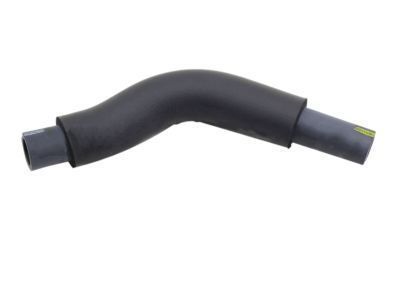
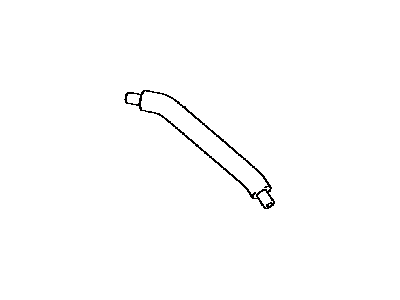
Toyota RAV4 Ventilation Hose
Part Number: 12261-28160$26.76 MSRP: $37.41You Save: $10.65 (29%)Ships in 1-2 Business Days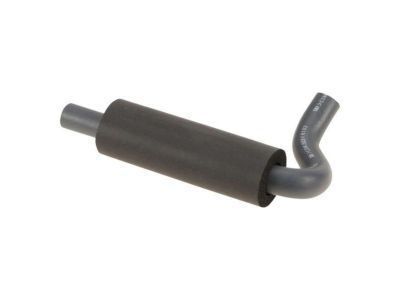
Toyota RAV4 Ventilation Hose
Part Number: 12262-74081$22.84 MSRP: $31.92You Save: $9.08 (29%)Ships in 1-2 Business Days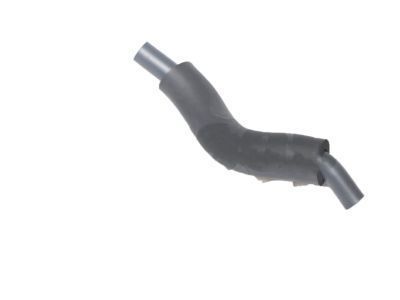
Toyota RAV4 Ventilation Hose
Part Number: 12261-74141$18.20 MSRP: $25.43You Save: $7.23 (29%)Ships in 1-3 Business Days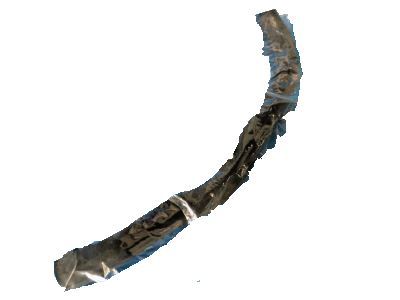
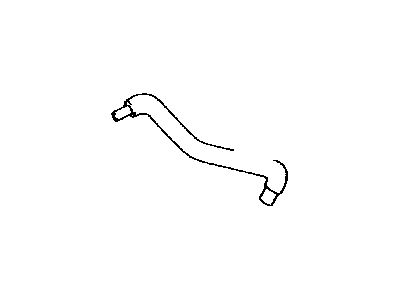
Toyota RAV4 Ventilation Hose
Part Number: 12262-31090$62.53 MSRP: $88.14You Save: $25.61 (30%)Ships in 1-3 Business Days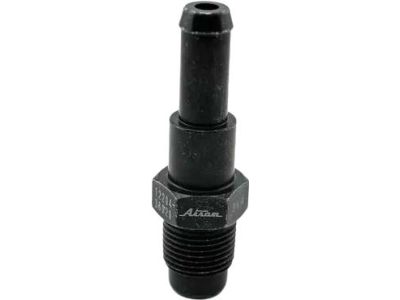
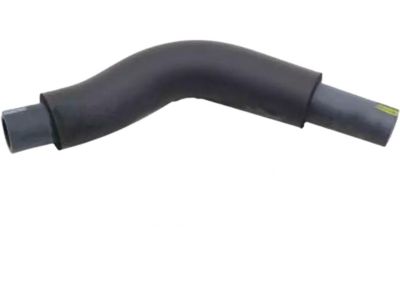
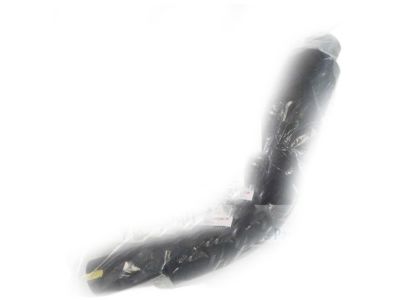
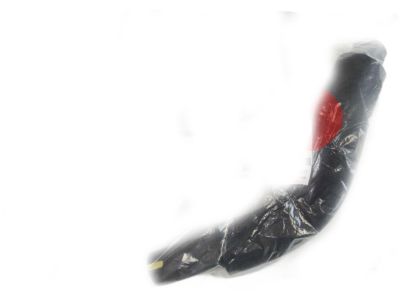
Toyota RAV4 Ventilation Hose
Part Number: 12261-36020$34.50 MSRP: $48.22You Save: $13.72 (29%)Ships in 1-3 Business Days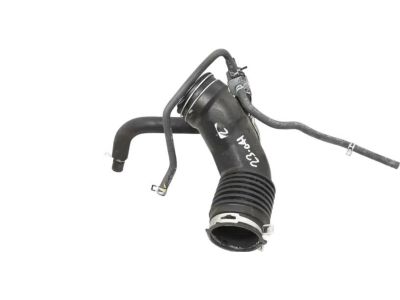
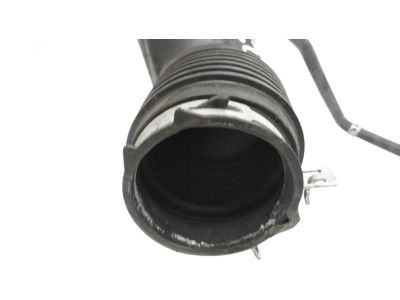
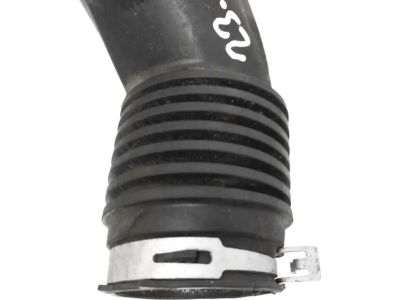
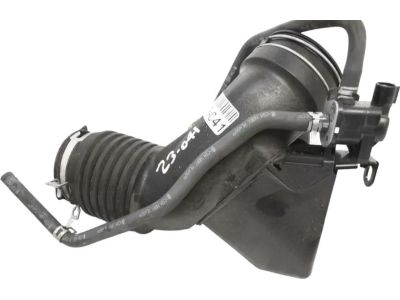
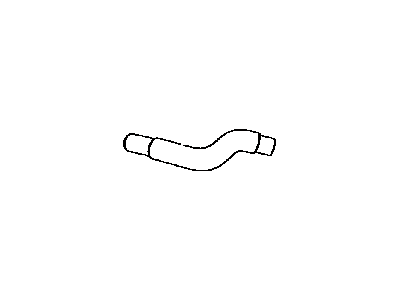
Toyota RAV4 Ventilation Hose
Part Number: 12261-36050$29.02 MSRP: $40.57You Save: $11.55 (29%)Ships in 1-3 Business Days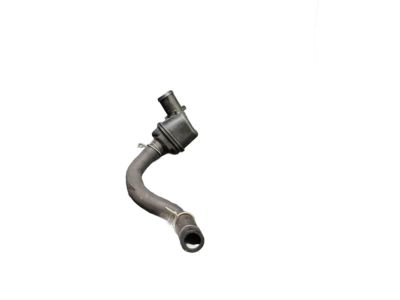
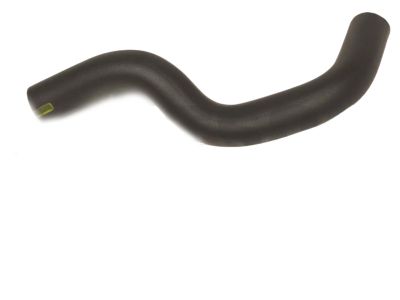
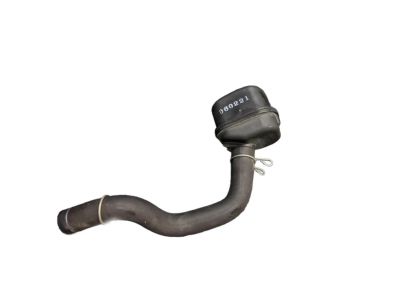
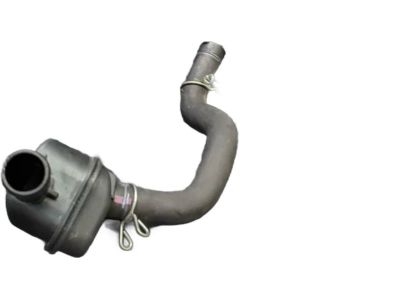
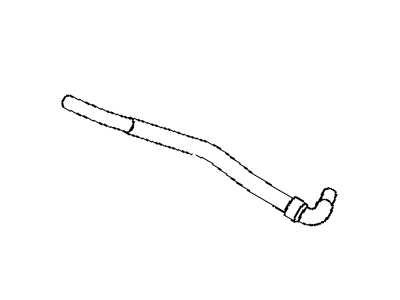
Toyota RAV4 Ventilation Hose
Part Number: 12262-25030$32.12 MSRP: $44.89You Save: $12.77 (29%)Ships in 1-3 Business Days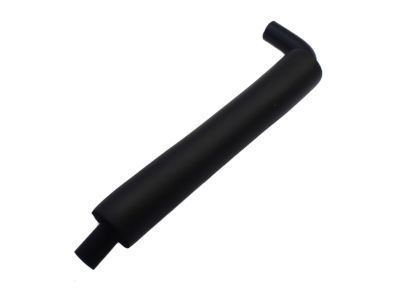
Toyota RAV4 Ventilation Hose
Part Number: 12262-28020$23.07 MSRP: $32.25You Save: $9.18 (29%)Ships in 1-3 Business DaysToyota RAV4 Ventilation Hose
Part Number: 12262-25080$39.26 MSRP: $54.87You Save: $15.61 (29%)Ships in 1-3 Business DaysToyota RAV4 Ventilation Hose
Part Number: 12262-74080$22.84 MSRP: $31.92You Save: $9.08 (29%)Ships in 1-3 Business DaysToyota RAV4 Ventilation Hose
Part Number: 12262-36080$16.41 MSRP: $22.94You Save: $6.53 (29%)Ships in 1-3 Business DaysToyota RAV4 Ventilation Hose
Part Number: 12262-0V040$16.41 MSRP: $22.94You Save: $6.53 (29%)Ships in 1-3 Business Days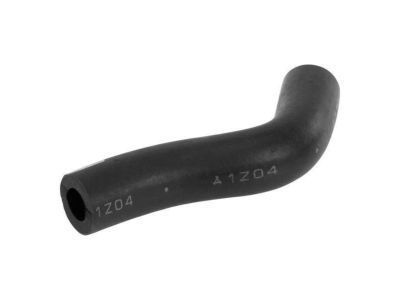
| Page 1 of 2 |Next >
1-20 of 22 Results
Toyota RAV4 PCV Hose
The PCV Hose of a Toyota RAV4 directs crankcase vapors to the PCV valve, which permits the vapors to be rerouted back into the engine. A flexible tube that forms a sealed bridge between the crankcase port and the spring-loaded valve allows the pintle inside this valve to meter airflow while the PCV Hose carries the vapor. A cracked or loose PCV Hose creates an opening that allows unburned gases to leak and pass. This can increase your emissions. It can also disrupt your mixture ratios and cause a decrease in performance. Either the driver or passenger side may be installed with the PCV Hose, so choosing the right side-specific PCV Hose guarantees faultless fitting on any Toyota RAV4 engine layout. The deteriorated hose can put stress on the valve itself, so replacing it quickly helps ensure smooth operation and keeps the Toyota powertrain within the intended emission standards for the reliable Toyota RAV4.
If you are in demand for superior quality and affordable OEM Toyota RAV4 PCV Hose, then shop with us! We own a wide range of the reduced-priced genuine Toyota RAV4 PCV Hose. You can purchase in confidence as all parts come with a manufacturer's warranty. Any issues with our products? No need to worry as we have a hassle-free return policy to guide you every step of the way.
Toyota RAV4 PCV Hose Parts Questions & Experts Answers
- Q:What Are the Functions and Maintenance Procedures for the Positive Crankcase Ventilation (PCV) System and PCV Hose on Toyota Rav4?Posted by Javid J.A:The Positive Crankcase Ventilation (PCV) system reduces hydrocarbon emissions by scavenging crankcase vapors, circulating fresh air from the air cleaner through the crankcase, where it mixes with blow-by gases before being rerouted through a PCV valve to the intake manifold. Utilizing intake manifold vacuum, the system draws crankcase vapors into the intake manifold, with the PCV valve regulating the amount of blow-by gases returned based on available vacuum, while also preventing combustion gases from entering the manifold during a backfire. To maintain idle quality, the valve restricts flow when vacuum is high. The system includes a fresh-air inlet hose connecting the air intake duct to the crankcase, the PCV valve, and the PCV hose linking the valve to the intake manifold, with the valve attached to a crankcase vent oil separator that prevents oil from entering the valve. Regular inspection of the fresh-air inlet hose and the PCV valve hose for cracks, leaks, and damage is essential, along with checking for obstructions by disconnecting the hose from the crankcase vent oil separator and the intake manifold; clogged hoses should be replaced, and if the PCV valve is not functioning properly, it should also be replaced rather than cleaned.Answered by Toyota Parts Specialist Ray / May 18, 2026
Related Toyota RAV4 Parts
 Toyota RAV4 PCV Valve
 Toyota RAV4 Vapor Canister
 Toyota RAV4 Vapor Pressure Sensor
 Toyota RAV4 Canister Purge Valve
Browse by Year
2024 PCV Hose 2023 PCV Hose 2022 PCV Hose 2021 PCV Hose 2020 PCV Hose 2019 PCV Hose 2018 PCV Hose 2017 PCV Hose 2016 PCV Hose 2015 PCV Hose 2014 PCV Hose 2013 PCV Hose 2012 PCV Hose 2011 PCV Hose 2010 PCV Hose 2009 PCV Hose 2008 PCV Hose 2007 PCV Hose 2006 PCV Hose 2005 PCV Hose 2004 PCV Hose 2003 PCV Hose 2002 PCV Hose 2001 PCV Hose 2000 PCV Hose 1999 PCV Hose 1998 PCV Hose 1997 PCV Hose 1996 PCV Hose