

My Garage
My Account
Cart
Genuine Toyota RAV4 Spark Plug
Ignition Spark Plug- Select Vehicle by Model
- Select Vehicle by VIN
Select Vehicle by Model
orMake
Model
Year
Select Vehicle by VIN
For the most accurate results, select vehicle by your VIN (Vehicle Identification Number).
11 Spark Plugs found
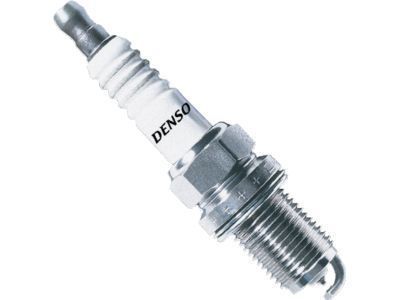
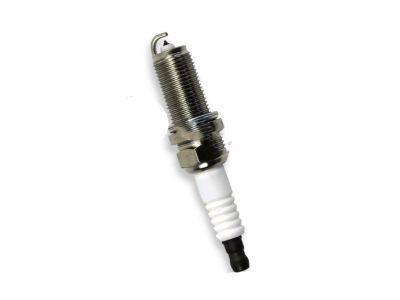
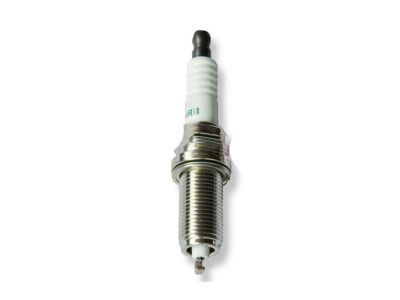
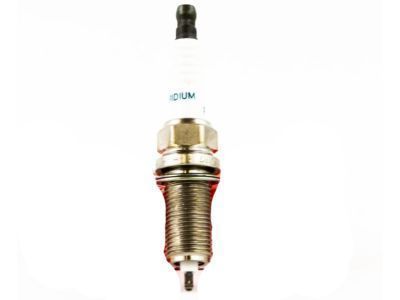
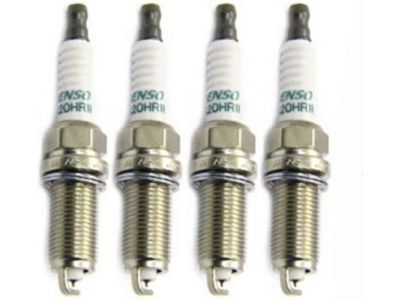
Toyota RAV4 Spark Plug
Part Number: 90919-01247$14.15 MSRP: $19.78You Save: $5.63 (29%)Ships in 1-3 Business Days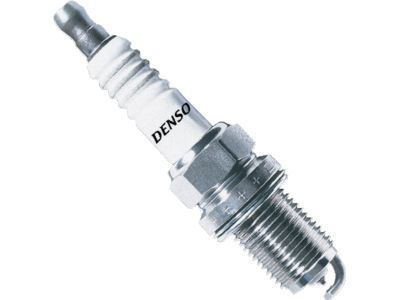
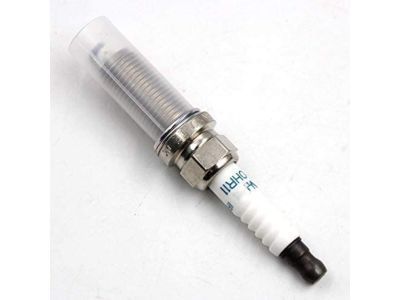
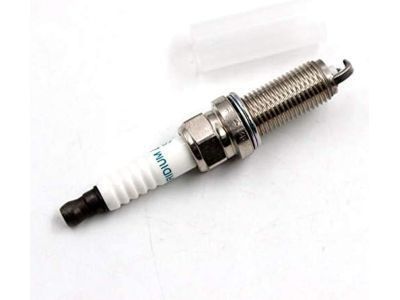
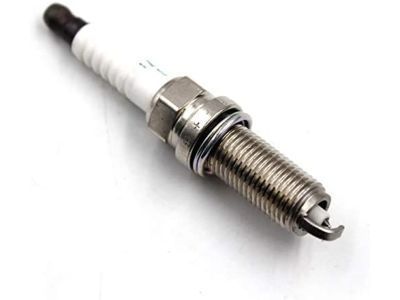
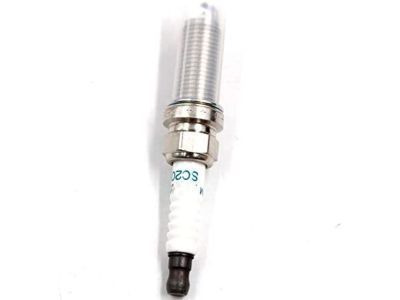
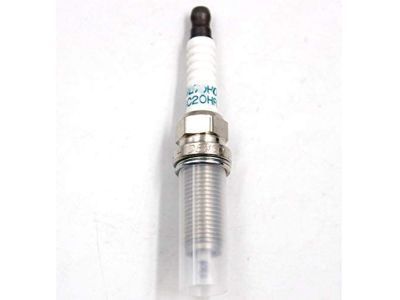
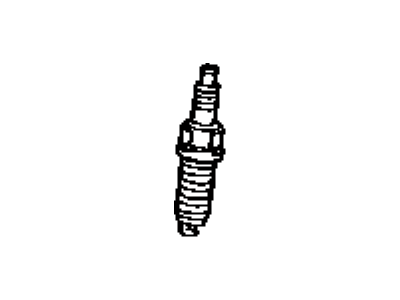
Toyota RAV4 Spark Plug
Part Number: 90919-01233$11.65 MSRP: $16.28You Save: $4.63 (29%)Ships in 1-3 Business Days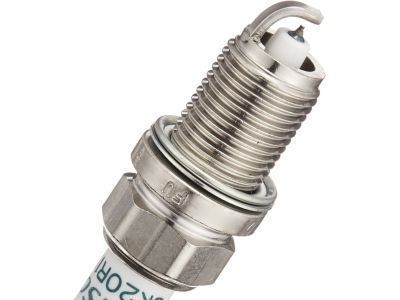
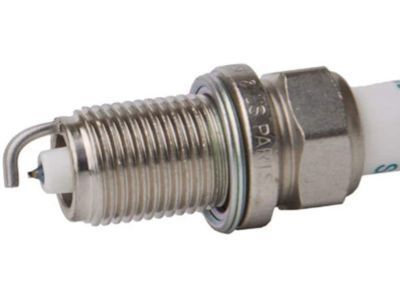
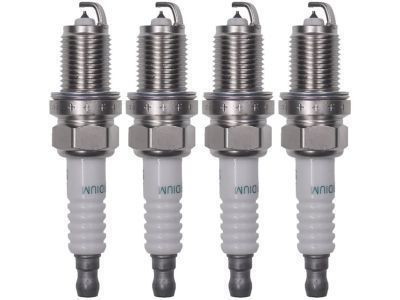
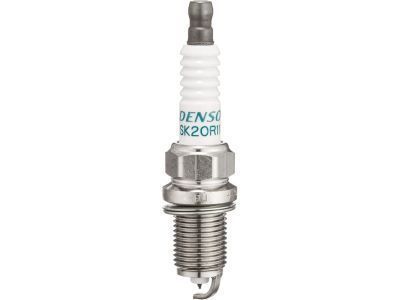
Toyota RAV4 Spark Plug
Part Number: 90919-01210$11.17 MSRP: $15.62You Save: $4.45 (29%)Ships in 1-3 Business Days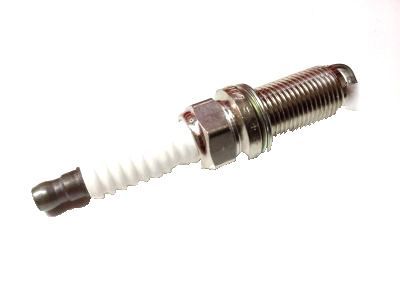
Toyota RAV4 Spark Plug
Part Number: 90919-A1003$11.65 MSRP: $16.28You Save: $4.63 (29%)Ships in 1-3 Business Days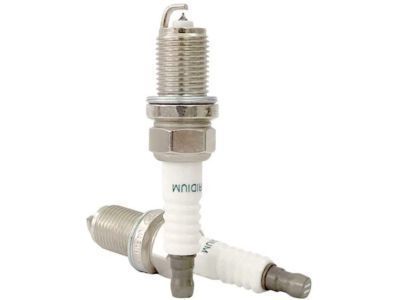
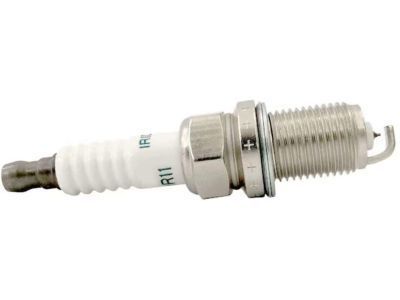
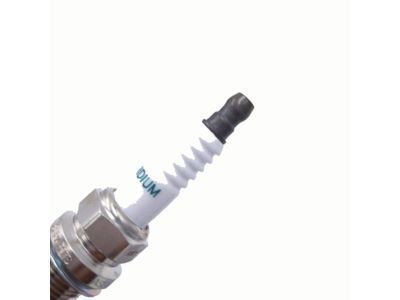
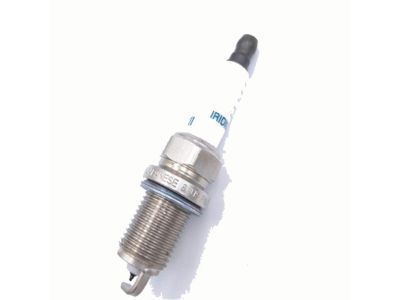
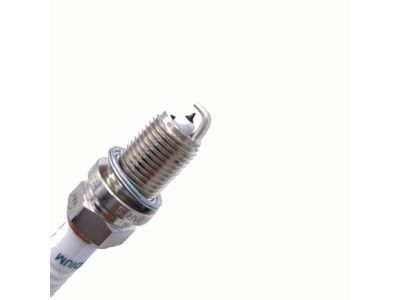
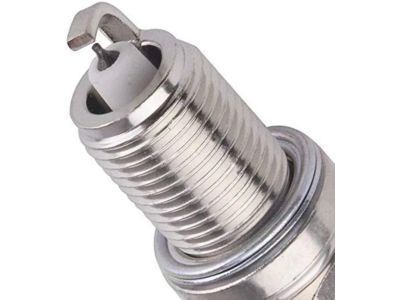
Toyota RAV4 Spark Plug
Part Number: 90919-01237$11.17 MSRP: $15.62You Save: $4.45 (29%)Ships in 1-3 Business Days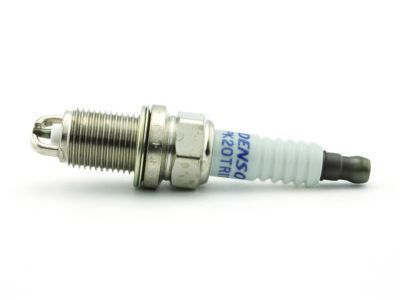
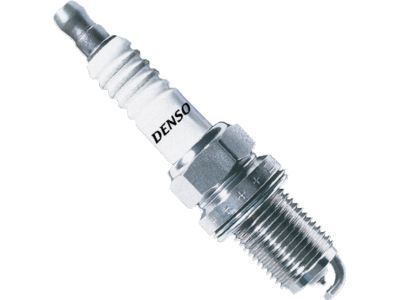
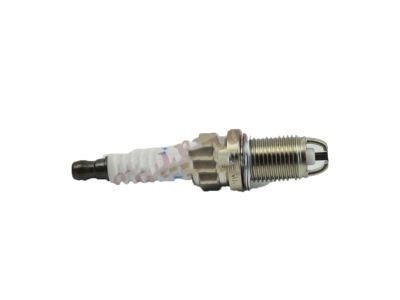
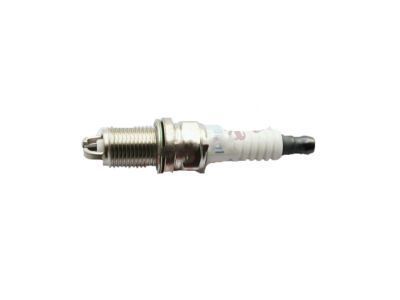
Toyota RAV4 Spark Plug
Part Number: 90919-01194$8.79 MSRP: $12.41You Save: $3.62 (30%)Ships in 1-2 Business Days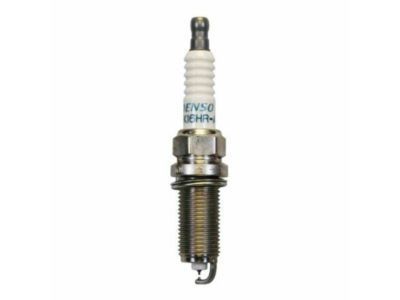
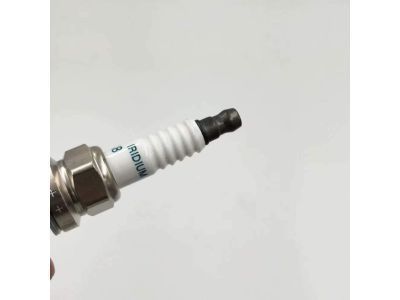
Toyota RAV4 Spark Plug
Part Number: 90919-01259$14.27 MSRP: $19.94You Save: $5.67 (29%)Ships in 1-2 Business Days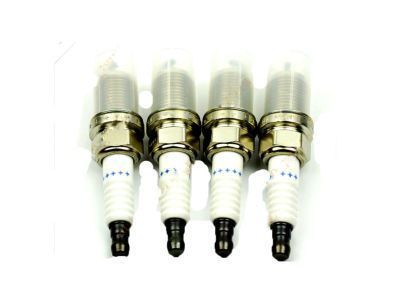
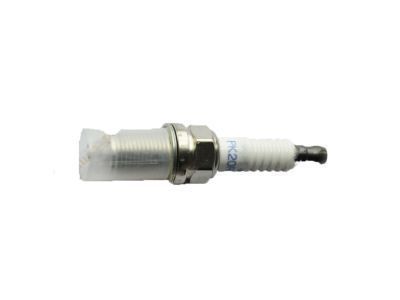
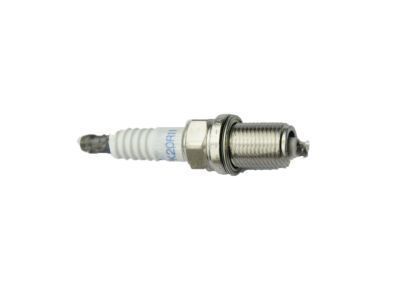
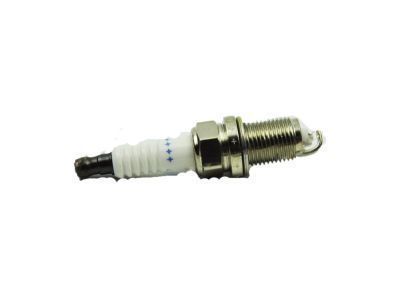
Toyota RAV4 Spark Plug
Part Number: 90919-01178$11.17 MSRP: $15.62You Save: $4.45 (29%)Ships in 1-2 Business Days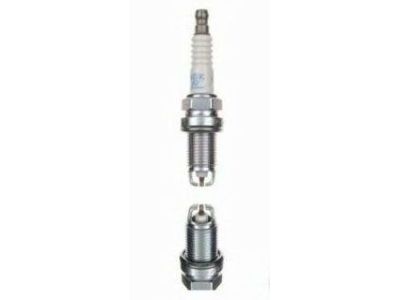
Toyota RAV4 Spark Plug
Part Number: 90919-01195$8.79 MSRP: $12.41You Save: $3.62 (30%)Ships in 1-2 Business Days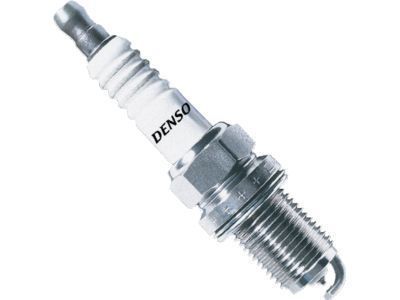
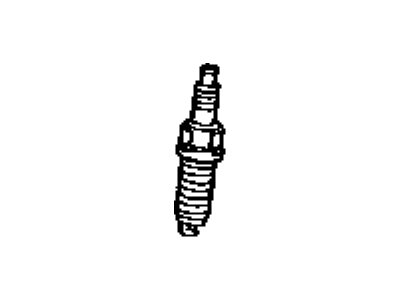
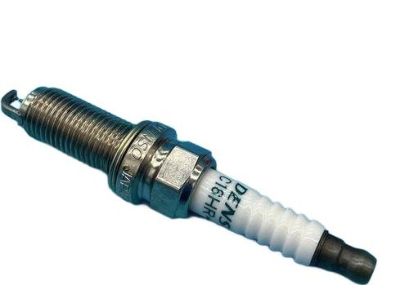
Toyota RAV4 Spark Plug
Spark Plug in Toyota RAV4 vehicles helps in the ignition of a fuel/air mixture inside the combustion chamber to start the work of the engine effectively. These components similar in nature to controlled bolts of lightning, need high volts to bring electric spark that ignites the burning of fuel. Spark plugs come with a metal threaded shell, central electrode and having a ceramic insulator; they are used in measuring cylinder ionization and in ignition furnaces. Thus, like with any other engine part, the regularity, the quality of fuel and a general technical condition of the car affect the durability of spark plugs; they can cause problems like unstable idling or poor acceleration. Regarding the spark plugs, it is suggested to service it properly and replace regularly to guarantee good quality and durability in a Toyota RAV4 car.
If you are in demand for superior quality and affordable OEM Toyota RAV4 Spark Plug, then shop with us! We own a wide range of the reduced-priced genuine Toyota RAV4 Spark Plug. You can purchase in confidence as all parts come with a manufacturer's warranty. Any issues with our products? No need to worry as we have a hassle-free return policy to guide you every step of the way.
Toyota RAV4 Spark Plug Parts Questions & Experts Answers
- Q:How to spark plug replacement on Toyota Rav4?Posted by Rom H.A:Spark plug replacement requires a spark plug socket which fits onto a ratchet wrench. This socket is lined with a rubber grommet to protect the porcelain insulator of the spark plug and to hold the plug while you remove it from the spark plug hole. You will also need a wire-type feeler gauge to check and adjust the spark plug gap and a torque wrench to tighten the new plugs to the specified torque. If you are replacing the plugs, purchase the new plugs, adjust them to the proper gap and replace each plug one at a time. It's essential that you obtain the correct plugs for your specific vehicle. Inspect each of the new plugs for defects. If there are any signs of cracks in the porcelain insulator of a plug, don't use it. If the gap is incorrect, the spark plug must be replaced. These spark plugs have iridium-coated electrodes. Don't attempt to adjust the gap on a used iridium-coated plug. Remove the ignition coils. If compressed air is available, blow any dirt or foreign material away from the spark plug area before proceeding. Remove the spark plugs. Whether you are replacing the plugs at this time or intend to reuse the old plugs, compare each old spark plug to determine the overall running condition of the engine. Prior to installation, it's a good idea to coat the spark plug threads with anti-seize compound. Also, it's often difficult to insert spark plugs into their holes without cross-threading them. To avoid this possibility, fit a length of snug-fitting rubber hose over the end of the spark plug. The flexible hose acts as a universal joint to help align the plug with the plug hole. Should the plug begin to cross-thread, the hose will slip on the spark plug, preventing thread damage. Tighten the plug. Install the ignition coil, if necessary. Follow the above procedure for the remaining spark plugs, replacing them one at a time to prevent mixing up the ignition coils.Answered by Toyota Parts Specialist Phil / Jun 09, 2024
Related Toyota RAV4 Parts


Browse by Year
2024 Spark Plug 2023 Spark Plug 2022 Spark Plug 2021 Spark Plug 2020 Spark Plug 2019 Spark Plug 2018 Spark Plug 2017 Spark Plug 2016 Spark Plug 2015 Spark Plug 2014 Spark Plug 2013 Spark Plug 2012 Spark Plug 2011 Spark Plug 2010 Spark Plug 2009 Spark Plug 2008 Spark Plug 2007 Spark Plug 2006 Spark Plug 2005 Spark Plug 2004 Spark Plug 2003 Spark Plug 2002 Spark Plug 2001 Spark Plug 2000 Spark Plug 1999 Spark Plug 1998 Spark Plug 1997 Spark Plug 1996 Spark Plug