My Garage
My Account
Cart
Genuine Toyota Sienna Fuse
Circuit Fuse- Select Vehicle by Model
- Select Vehicle by VIN
Select Vehicle by Model
orMake
Model
Year
Select Vehicle by VIN
For the most accurate results, select vehicle by your VIN (Vehicle Identification Number).
48 Fuses found

Toyota Sienna Fuse Block
Part Number: 90982-09022$2.25 MSRP: $3.14You Save: $0.89 (29%)Ships in 1-3 Business Days
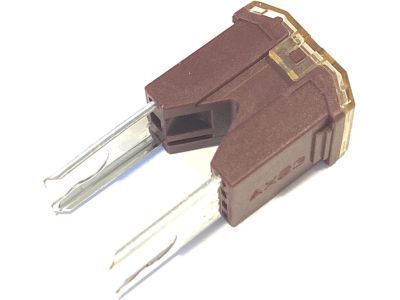
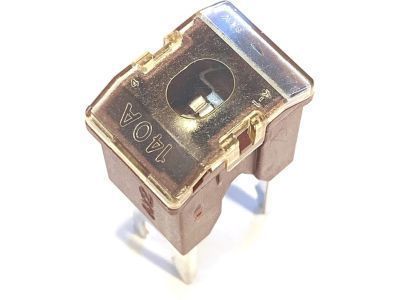
Toyota Sienna Engine Room Fusible Link
Part Number: 90982-08286$17.60 MSRP: $24.60You Save: $7.00 (29%)Ships in 1-2 Business Days
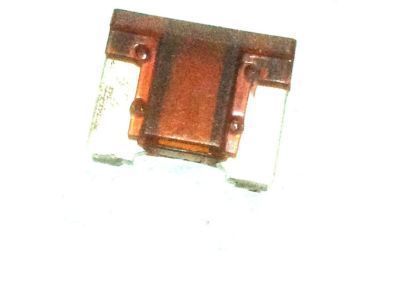
Toyota Sienna Front Compartment Fuse
Part Number: 90982-09020$1.89 MSRP: $2.64You Save: $0.75 (29%)Ships in 1-3 Business Days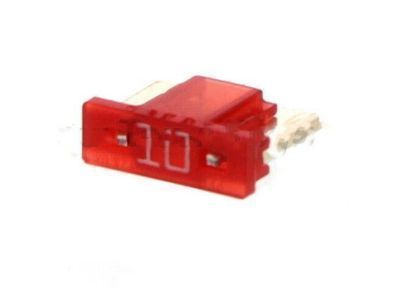
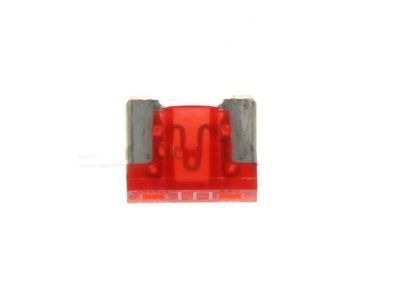
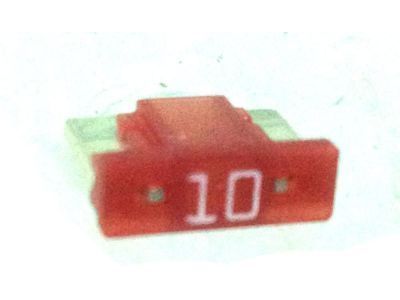

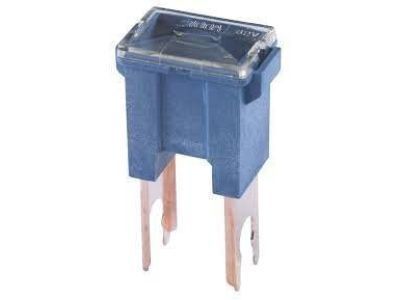
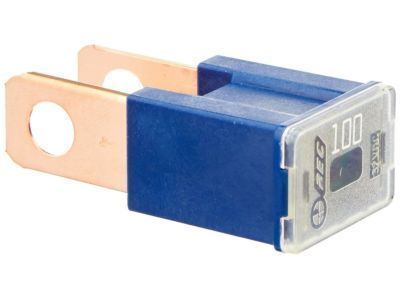
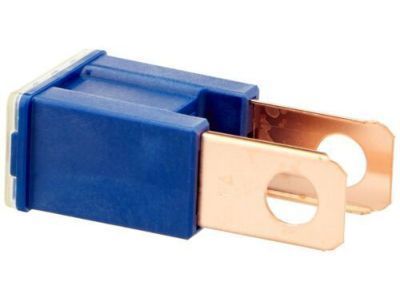
Toyota Sienna Engine Room Fusible Link
Part Number: 90982-08246$12.13 MSRP: $16.95You Save: $4.82 (29%)Ships in 1-3 Business Days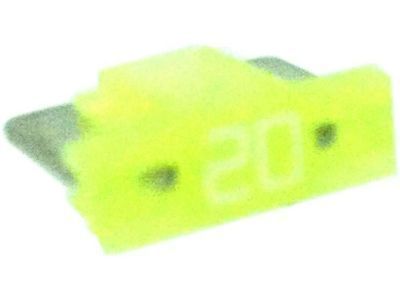
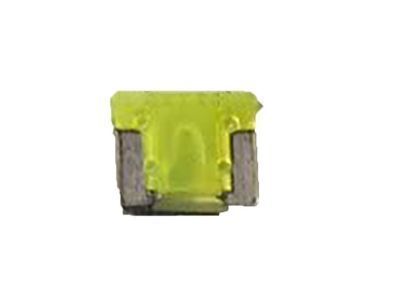
Toyota Sienna Fuse, Mini
Part Number: 90982-09023$1.89 MSRP: $2.64You Save: $0.75 (29%)Ships in 1-3 Business Days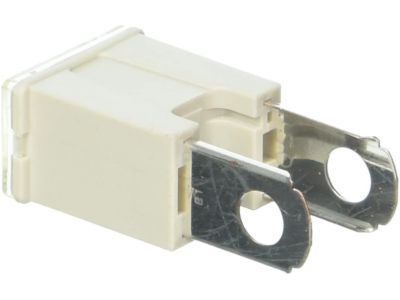
Toyota Sienna Engine Room Fusible Link
Part Number: 90982-08274$18.20 MSRP: $25.43You Save: $7.23 (29%)Ships in 1 Business Day
Toyota Sienna Fuse, Mini
Part Number: 90080-82052$2.25 MSRP: $3.14You Save: $0.89 (29%)Ships in 1-3 Business Days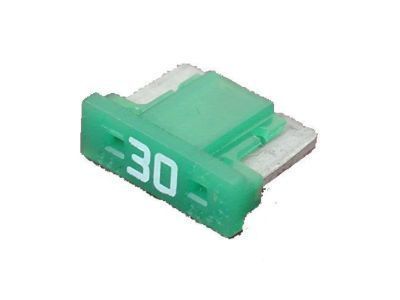
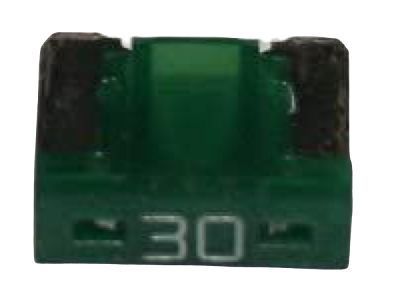
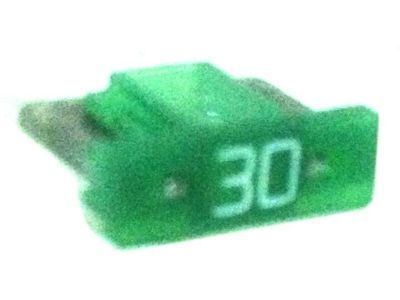
Toyota Sienna Fuse, Mini
Part Number: 90982-09025$1.54 MSRP: $2.15You Save: $0.61 (29%)Ships in 1-3 Business Days
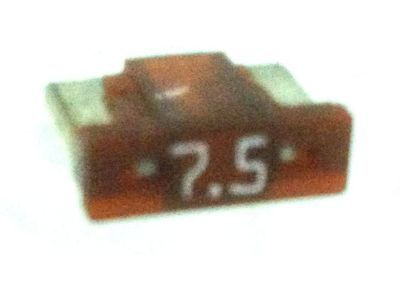
Toyota Sienna Fuse, Mini
Part Number: 90982-09024$2.25 MSRP: $3.14You Save: $0.89 (29%)Ships in 1-3 Business Days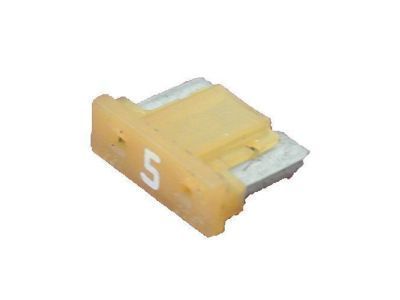
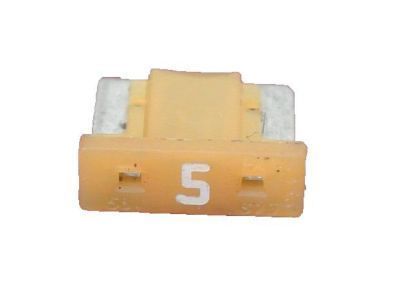
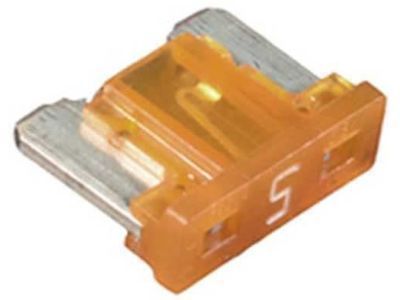
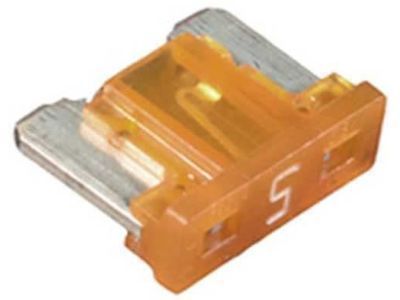
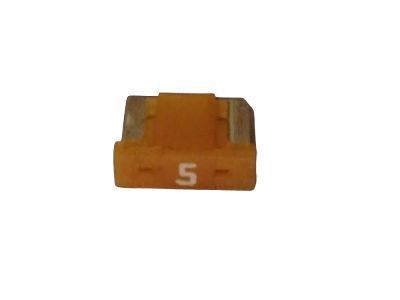
Toyota Sienna Front Compartment Fuse
Part Number: 90982-09019$1.30 MSRP: $1.82You Save: $0.52 (29%)Ships in 1-3 Business Days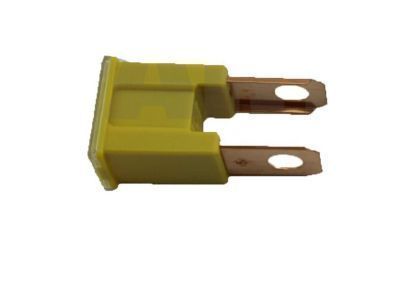

Toyota Sienna Fusible Link
Part Number: 90982-08202$15.22 MSRP: $21.27You Save: $6.05 (29%)Ships in 1-2 Business Days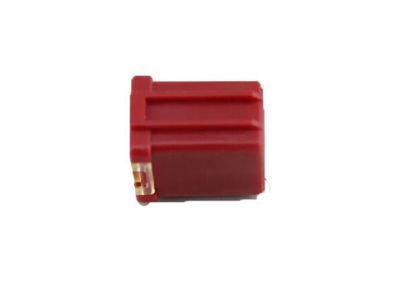
Toyota Sienna Engine Room Fusible Link
Part Number: 90982-08296$14.51 MSRP: $20.28You Save: $5.77 (29%)Ships in 1-3 Business Days

Toyota Sienna Fuse, Fuse Block
Part Number: 90080-82022$2.13 MSRP: $2.98You Save: $0.85 (29%)Ships in 1 Business Day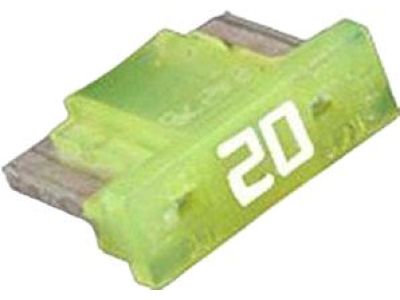
Toyota Sienna Fuse, Mini
Part Number: 90080-82053$1.89 MSRP: $2.64You Save: $0.75 (29%)Ships in 1-3 Business Days

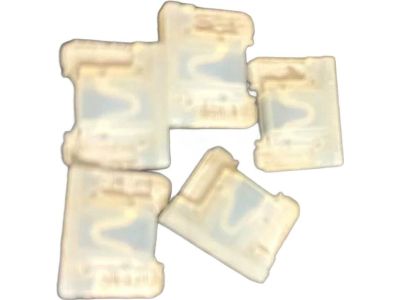
Toyota Sienna Fuse, Mini
Part Number: 90080-82055$2.25 MSRP: $3.14You Save: $0.89 (29%)Ships in 1-2 Business Days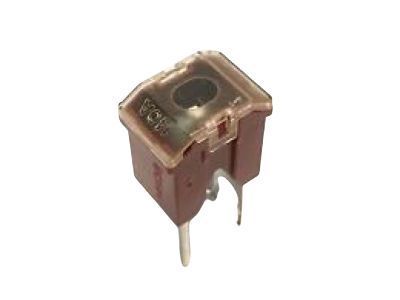
Toyota Sienna Engine Room Fusible Link
Part Number: 90982-08304$16.53 MSRP: $23.10You Save: $6.57 (29%)Ships in 1-3 Business Days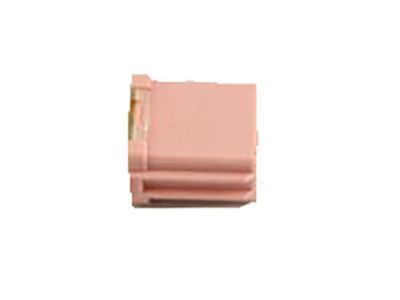
Toyota Sienna Engine Room Fusible Link
Part Number: 90982-08295$12.36 MSRP: $17.28You Save: $4.92 (29%)Ships in 1-3 Business Days
| Page 1 of 3 |Next >
1-20 of 48 Results
Toyota Sienna Fuse
The Fuse of the Toyota Sienna functions as the minivan's first line of defense, cutting off power when a surge or short threatens the electrical parts on board. The electrical Fuse found under the hood of the vehicle is a small box made of plastic. It is applied with small size relays and helps in directing the current from the battery and alternator quickly and in a safe manner. This current can flow towards the radios, GPS units, lights, chargers. In case the flow of current has climbed over its rating, the Fuse will melt the strip inside. Earlier designs were mostly glass tubes, but the modern ones moved to the much smaller blade Fuse that comes in low-profile mini, mini, regular, and maxi sizes, each color-coded so that owners could quickly identify the amperage. Though glass tubes have a uniform diameter and no colors, blade types are produced in twenty colors which denote ratings from tiny 0.5 amp dark blue to hefty 120 amp purple. Thus, identification is easy and inexpensive. Changing out a failed unit requires ignition off, a test light to verify one-side-only power, the in-built puller, and an identical replacement. Since Toyota placed a secondary panel behind the dash, Sienna drivers can find and replace any Fuse in a matter of minutes, letting their Toyota run every day with full function, ensuring every Fuse is matched to its circuit and the Sienna stays ready for the trip.
If you are in demand for superior quality and affordable OEM Toyota Sienna Fuse, then shop with us! We own a wide range of the reduced-priced genuine Toyota Sienna Fuse. You can purchase in confidence as all parts come with a manufacturer's warranty. Any issues with our products? No need to worry as we have a hassle-free return policy to guide you every step of the way.
Toyota Sienna Fuse Parts Questions & Experts Answers
- Q:How are the electrical circuits protected, and what steps should be taken to check and replace fuses on Toyota Sienna?Posted by Clarice R.A:The electrical circuits in the car have protection through fuses, circuit breakers, and fusible links, or the fuse block is under the instrument panel or in the engine compartment depending on the model year of the vehicle. Every fuse safeguards an individual circuit, and the circuits' name is usually inscribed on the cover plate of the fuse panel. Miniaturized fuses developed with the facility of blade terminal also makes their removal and installation very convenient. Electronic components should be checked for fuse if one of them blows, with the help of a test lamp which would indicate the presence of voltage at the exposed terminal ends; if the voltage is received at one end and not at the other then the fuse is blown and can also be seen as the element that is between the terminals melts whenever is blows. Dead fuses should be replaced with new fuses of the correct type since fuses that have different rating may look alike, but they should not be used interchangeably to provide the required protection rating on each circuit. The amperage value is printed at the body of the fuse, and if a replacement fuse blows immediately, it should not be replaced again until the cause of the problem, which in most cases it means short circuit as a result of a damaged or aged wire, is corrected.Answered by Toyota Parts Specialist Andy / Nov 26, 2024