My Garage
My Account
Cart
Genuine Toyota Solara Vapor Canister
Fuel Vapor Canister- Select Vehicle by Model
- Select Vehicle by VIN
Select Vehicle by Model
orMake
Model
Year
Select Vehicle by VIN
For the most accurate results, select vehicle by your VIN (Vehicle Identification Number).
6 Vapor Canisters found
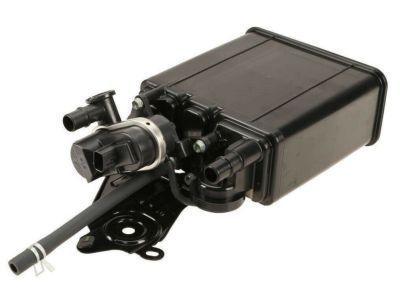
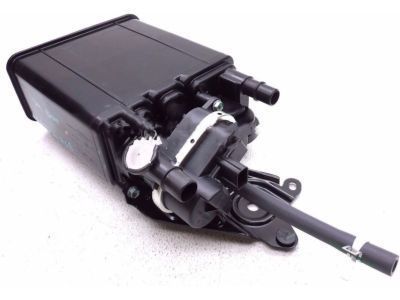
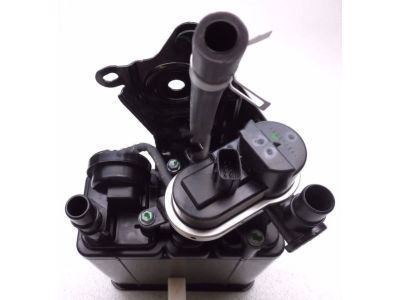
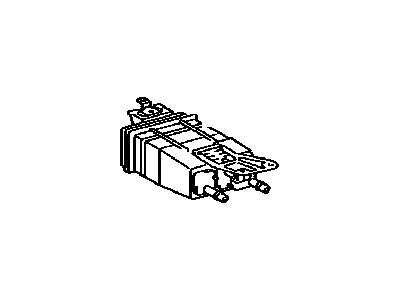
Toyota Solara Charcoal Canister Assembly
Part Number: 77740-07020$229.55 MSRP: $329.16You Save: $99.61 (31%)Ships in 1-3 Business Days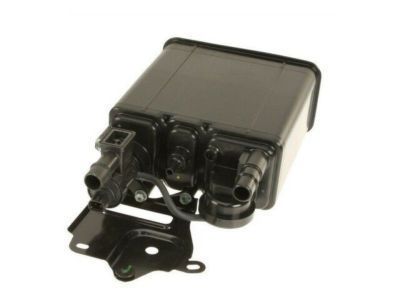
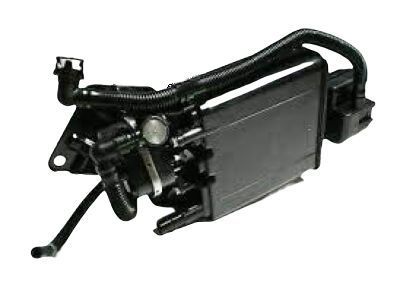
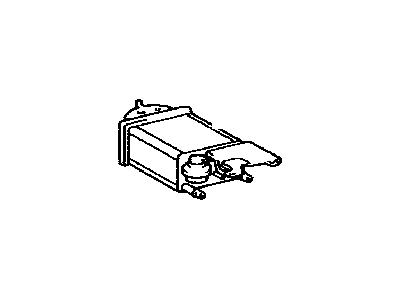
Toyota Solara Charcoal Canister Assembly
Part Number: 77740-06160$270.27 MSRP: $387.55You Save: $117.28 (31%)Ships in 1-3 Business Days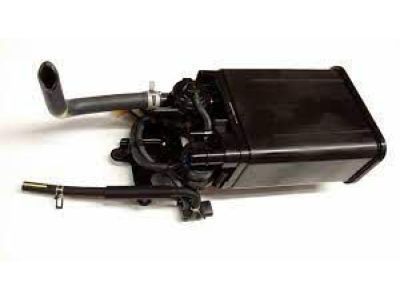
Toyota Solara Charcoal Canister Assembly
Part Number: 77740-06100$248.00 MSRP: $355.61You Save: $107.61 (31%)Ships in 1-2 Business Days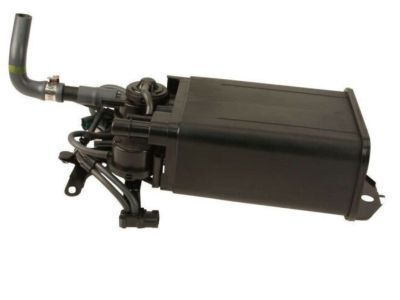
Toyota Solara Charcoal Canister Assembly
Part Number: 77740-06091$277.23 MSRP: $397.53You Save: $120.30 (31%)Ships in 1 Business Day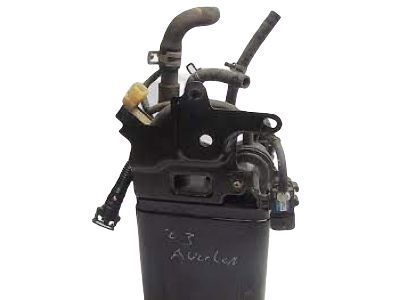
Toyota Solara Charcoal Canister Assembly
Part Number: 77740-06102$248.00 MSRP: $355.61You Save: $107.61 (31%)Ships in 1-3 Business Days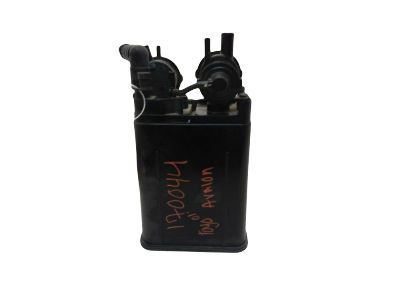
Toyota Solara Charcoal Canister Assembly
Part Number: 77740-06101$248.00 MSRP: $355.61You Save: $107.61 (31%)Ships in 1-2 Business Days
Toyota Solara Vapor Canister
The Vapor Canister in Toyota Solara automobiles is part of the Evaporative Emissions Control (EVAP) system with the function of holding hydrocarbon vapors that otherwise would be emitted to the atmosphere. This one consists of the storage of fuel vapors through a feature called the carbon or charcoal canister and a regulated evaporation of the fuel vapors by means of a commanded purge valve which leads the vapors to be mixed with air and fuel in the engine in order to be burned. Different models of Toyota Solara have used Vapor Canisters over the years with all the variations being based mainly on looks and the diagnostic features. Contemporary canisters feature extra features for leakage identification including the canister vent solenoid and the fuel tank pressure identification device. Such advancements can help the Engine Control Module (ECM) to detect a leakage in the system hence maximize on the emission standards.
If you are in demand for superior quality and affordable OEM Toyota Solara Vapor Canister, then shop with us! We own a wide range of the reduced-priced genuine Toyota Solara Vapor Canister. You can purchase in confidence as all parts come with a manufacturer's warranty. Any issues with our products? No need to worry as we have a hassle-free return policy to guide you every step of the way.
Toyota Solara Vapor Canister Parts Questions & Experts Answers
- Q:What is the Vapor Canister's role in the EVAP system and how is it replaced on a 2002-2008 Toyota Solara?Posted by Orlando F.A:The fuel evaporative emissions control (EVAP) system absorbs fuel vapors and releases them into the engine intake during operation, where they mix with the incoming air-fuel mixture. The charcoal canister, located behind the fuel tank under the vehicle, stores fuel vapors when the engine is not running, transferring them from the fuel tank, throttle body, and intake manifold. When the engine operates, the purge control valve purges the vapors from the canister, allowing them to be consumed in the combustion process, with the electronic valve controlled by the PCM. A two-way valve on the fuel filler cap vents vapors to the atmosphere if the EVAP system fails, while a vapor pressure sensor detects abnormal pressure in the system, mounted in the fuel pump/sending unit assembly atop the fuel tank. Once the engine reaches a pre-set temperature, the Vacuum Switching Valve (VSV) opens, allowing intake manifold vacuum to draw vapors from the canister for combustion. The vapor pressure sensor monitors tank pressure and opens the VSV when a preset threshold is exceeded, admitting fuel tank vapors into the canister. To replace the charcoal canister, disconnect the cable from the negative battery terminal, raise the rear of the vehicle and support it securely on jackstands, unplug all electrical connectors, label and disconnect the vent hoses, remove the bolts, and separate the canister from the vehicle's underside, with installation being the reverse of removal.Answered by Toyota Parts Specialist Phil / Dec 13, 2024