

My Garage
My Account
Cart
Genuine Toyota Tacoma Thermostat
Engine Coolant Thermostat- Select Vehicle by Model
- Select Vehicle by VIN
Select Vehicle by Model
orMake
Model
Year
Select Vehicle by VIN
For the most accurate results, select vehicle by your VIN (Vehicle Identification Number).
5 Thermostats found
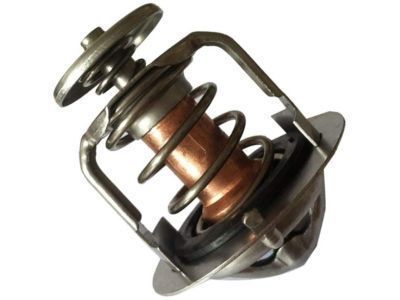
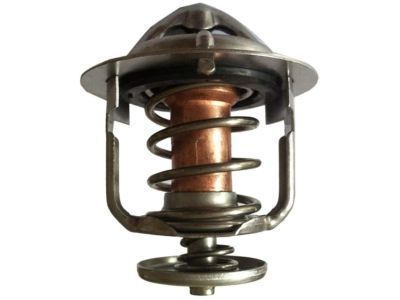
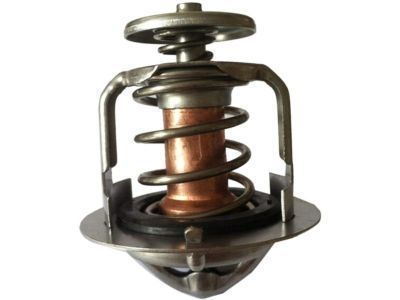
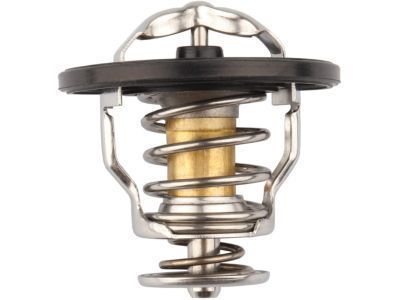
Toyota Tacoma Thermostat
Part Number: 90916-03075$27.48 MSRP: $38.41You Save: $10.93 (29%)Ships in 1-3 Business Days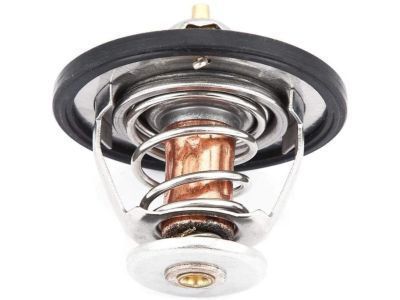
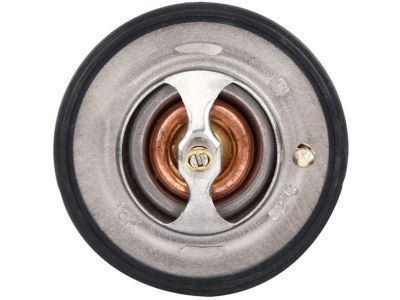
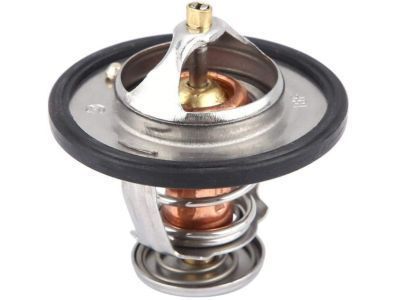
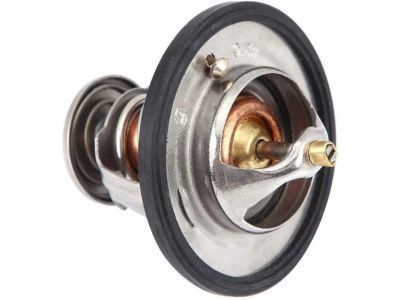
Toyota Tacoma Thermostat
Part Number: 90916-03093$22.48 MSRP: $31.42You Save: $8.94 (29%)Ships in 1-3 Business Days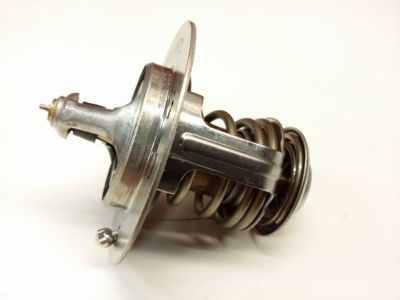

Toyota Tacoma Thermostat
Part Number: 90916-03120$27.48 MSRP: $38.41You Save: $10.93 (29%)Ships in 1-3 Business Days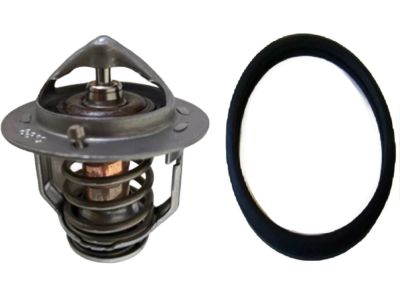
Toyota Tacoma Thermostat
Part Number: 90916-03157$23.67 MSRP: $33.08You Save: $9.41 (29%)Ships in 1-2 Business Days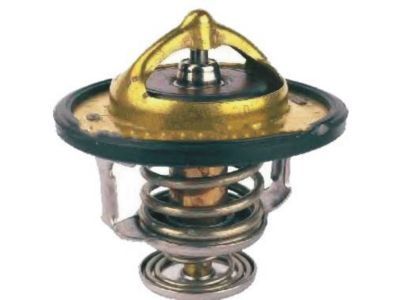
Toyota Tacoma Thermostat
Part Number: 90916-03101$27.48 MSRP: $38.41You Save: $10.93 (29%)Ships in 1-3 Business Days
Toyota Tacoma Thermostat
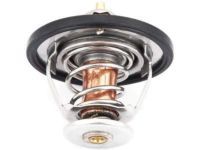
A part of the Toyota Tacoma is the Thermostat that maintains the heat and the cool of the engine for a productive running. P vital situated close to the radiator, and its purpose is to regulate the circulation of the liquid in the cooling system depending on the heating temperature of the engine. Usually, thermostats are nondemanding and long-lived; nevertheless, a defective model may cause the engine to overheat and, thus, break. Other types of thermostats have been also applied for use in automobiles such as the Tacoma including the bimetallic strips and wax pellets. These thermostats work through increasing their size to accommodate heat and decreasing the size to allow the temperature range of the engine to be achieved.
If you are in demand for superior quality and affordable OEM Toyota Tacoma Thermostat, then shop with us! We own a wide range of the reduced-priced genuine Toyota Tacoma Thermostat. You can purchase in confidence as all parts come with a manufacturer's warranty. Any issues with our products? No need to worry as we have a hassle-free return policy to guide you every step of the way.
Toyota Tacoma Thermostat Parts Questions & Experts Answers
- Q:How to replace a thermostat in a cooling system on 1995 through 2004 Toyota Tacoma?A:First thing, before you replace the thermostat, check the coolant level, drivebelt tension, and temperature gauge. For replacement of the thermostat, detach the negative cable on your battery, drain the cooling system, and gently detach the thermostat housing from the vehicle. Reinstall the thermostat as well as the housing, tighten the fasteners, and refill the cooling system.
- Q:How to replace a thermostat on 2005 through 2009 Toyota Tacoma?A:Before replacing a thermostat, it's crucial to check the coolant level, drive belt tension, and temperature gauge operation. If the engine takes too long to warm up, or if it overheats while the lower radiator hose stays cool, it indicates the thermostat is stuck open or closed. If the lower radiator hose is hot, the thermostat is functioning correctly. Overheating might also point to other issues like cylinder head leaks. Replace the faulty thermostat, disconnect the negative battery terminal, drain the cooling system, and remove the engine cover if it's a V6. Detach the thermostat housing from the engine, prepare for coolant spillage, and remove the thermostat, noting its orientation. Clean the sealing surfaces thoroughly. For a new thermostat installation, attach a new gasket (four-cylinder engines) or O-ring (V6 engines). Ensure the thermostat is correctly positioned with the jiggle pin at the top for four-cylinder models. Reinstall the thermostat housing with a new gasket for four-cylinder engines, and tighten it to the required torque. Reassemble the rest of the components in reverse order, refill the cooling system, start the engine, and check for any leaks or operational issues.
Related Toyota Tacoma Parts
 Toyota Tacoma Radiator
 Toyota Tacoma Thermostat Gasket
 Toyota Tacoma Water Pump
 Toyota Tacoma Radiator Hose
 Toyota Tacoma Water Pump Gasket
 Toyota Tacoma Fan Shroud
 Toyota Tacoma Thermostat Housing
 Toyota Tacoma Fan Clutch
 Toyota Tacoma Radiator Support
 Toyota Tacoma Fan Motor
 Toyota Tacoma Fan Blade
 Toyota Tacoma Coolant Reservoir
Browse by Year
2023 Thermostat 2022 Thermostat 2021 Thermostat 2020 Thermostat 2019 Thermostat 2018 Thermostat 2017 Thermostat 2016 Thermostat 2015 Thermostat 2014 Thermostat 2013 Thermostat 2012 Thermostat 2011 Thermostat 2010 Thermostat 2009 Thermostat 2008 Thermostat 2007 Thermostat 2006 Thermostat 2005 Thermostat 2004 Thermostat 2003 Thermostat 2002 Thermostat 2001 Thermostat 2000 Thermostat 1999 Thermostat 1998 Thermostat 1997 Thermostat 1996 Thermostat 1995 Thermostat