

My Garage
My Account
Cart
This part fits
2003 Toyota 4Runner
Check another vehicle- Production Date: 08/2002-08/2004
- Fitting Vehicle Options: GRN21#, UZN21#
Toyota 47050-60080 Brake Booster Assembly with Master Cylinder
2003-2005 Toyota 4Runner 4705060080
Customer Questions & Expert Answers (3)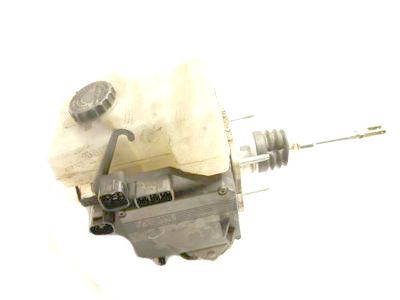
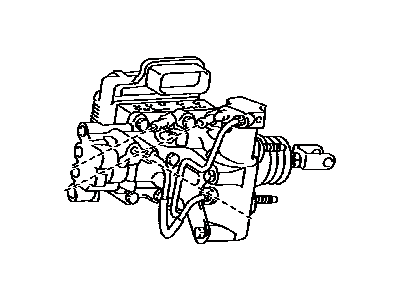
- Part DescriptionBrake Booster Assy, W/Master Cylinder
- Part Name Code47210L
- Replaced By
- ManufacturerToyota
This part fits
2003 Toyota 4Runner
Check another vehicle- Production Date: 08/2002-08/2004
- Fitting Vehicle Options: GRN21#, UZN21#
$1343.70 MSRP: $2006.33
You Save: $662.63 (34%)
Ships in 1-3 Business Days
1
- Related Parts
- Specifications
- Q&A
Product Specifications
Brand Genuine Toyota Part Name Code 47210L Manufacturer Part Number 47050-60080 Part Description Brake Booster Assy, W/Master Cylinder Item Dimensions 22.3 x 15.8 x 12.8 inches Item Weight 20.20 Pounds Condition New Fitment Type Direct Replacement Manufacturer Toyota SKU 47050-60080 Warranty This genuine Toyota part is covered by warranty. Shipping & Return Shipping Policy Return Policy Warning: California's Proposition 65Customer Questions & Expert Answers
- Q:Is the part number correct or is there another correct number for my car? Posted by ToyotaPartsDeal Specialist
- A:You can Select Your Vehicle to check if 47050-60080 fits your vehicle.Posted by ToyotaPartsDeal Specialist
- Installation and Repair Tips by AI Expert
- Removal steps 1. Park on a level surface, chock wheels, set the parking brake, and wear eye protection and gloves. 2. Open the hood and clean the area around the master cylinder reservoir and fittings to prevent contamination. 3. Remove the reservoir cap and use a syringe or suction tool to remove as much old brake fluid as possible; contain and store/dispose fluid properly. 4. Disconnect the negative battery cable and wait briefly before proceeding. 5. If equipped, unplug any electrical connector for the fluid level sensor. 6. Place a drain pan under the brake lines, then loosen and disconnect the brake line fittings using a proper flare/line wrench; immediately cap or plug the lines and ports to limit fluid loss and contamination. 7. Remove the mounting fasteners that secure the master cylinder to the booster/bracket and carefully withdraw the unit from the vehicle, keeping ports capped to prevent contamination. 8. Wipe up any spilled fluid and clean the mounting area in preparation for the new unit. Installation steps 1. Bench-bleed the new or rebuilt master cylinder before installation using clear tubing into the reservoir until no air bubbles appear; follow the component supplier's recommended procedure. 2. Position the master cylinder onto the mounting surface and start the fasteners by hand; tighten them to the vehicle manufacturer's specified values. 3. Reconnect the brake lines by hand-threading fittings first, then snug them with a line wrench to avoid cross-threading; use new sealing washers if required by the design. 4. Reconnect any electrical connector for the fluid level sensor. 5. Reconnect the negative battery cable. 6. Fill the reservoir with the correct type of fresh brake fluid to the proper level and reinstall the cap. 7. Bleed the brake system using the appropriate sequence and method for the vehicle (assisted pedal, pressure or vacuum bleeder) until the pedal is firm and no air is present; the exact wheel sequence varies by design. 8. Inspect all fittings and connections for leaks with the system pressurized; recheck fluid level and top off if needed. 9. Carefully road-test at low speed to confirm pedal feel and brake operation, then re-inspect for leaks and proper fluid level. Repair tip: bench-bleed the master cylinder and use clean tools and clear tubing to keep air and contamination out; always avoid getting brake fluid on painted surfaces and replace any damaged seals or crush washers.
- Q:Does this unit include the brake booster motor and the accumulator? Posted by Customer: 2003 Toyota 4Runner
- A:YESPosted by ToyotaPartsDeal Specialist 25/3/2024
- Q:
Why choose Toyota Parts Deal
- Dedicated Service
Your complete satisfaction is our #1 goal
- Lowest Prices
Best deals on genuine OE parts from dealerships
- Fast Delivery
Orders are processed and delivered promptly