

My Garage
My Account
Cart
This part fits
2010 Scion xB United States Of America
Check another vehicle- The location this part fits: Front Passenger Side
- Production Date: 03/2007-12/2015
- Fitting Vehicle Options: AZE151
Toyota 47781-12250 Front Right Disc Brake Dust Cover
2008-2015 Scion xB 4778112250
Customer Questions & Expert Answers (2)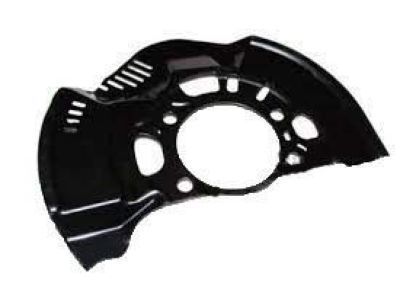
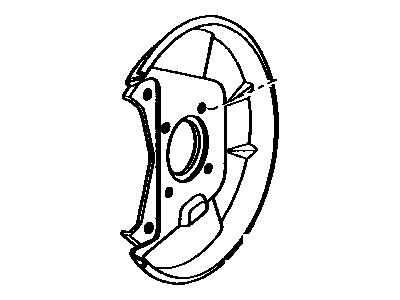
- Part DescriptionCover, Disc Brake Dust, Front Rh
- Part Name Code47781
- PositionFront Passenger Side
- ManufacturerToyota
This part fits
2010 Scion xB United States Of America
Check another vehicle- The location this part fits: Front Passenger Side
- Production Date: 03/2007-12/2015
- Fitting Vehicle Options: AZE151
$21.77 MSRP: $30.43
You Save: $8.66 (29%)
Ships in 1-3 Business Days
1
- Related Parts
- Specifications
- Q&A
Product Specifications
Brand Genuine Toyota Part Name Code 47781 Manufacturer Part Number 47781-12250 Part Description Cover, Disc Brake Dust, Front Rh Other Names Backing Plate, Splash Shield Item Weight 1.20 Pounds Position Front Passenger Side Condition New Fitment Type Direct Replacement Manufacturer Toyota SKU 47781-12250 Warranty This genuine Toyota part is covered by warranty. Shipping & Return Shipping Policy Return Policy Warning: California's Proposition 65Customer Questions & Expert Answers
- Q:Is the above part number correct or is there another correct number for my car? Posted by ToyotaPartsDeal Specialist
- A:You can Select Your Vehicle to check if 47781-12250 fits your vehicle.Posted by ToyotaPartsDeal Specialist
- Installation and Repair Tips by AI Expert
- Removal steps 1. Park on level ground, set the parking brake, chock opposite wheels, wear safety glasses and gloves. 2. Disconnect the negative battery cable to prevent accidental electrical faults or sensor damage before working near brake components. 3. Loosen wheel lug nuts, raise and securely support the vehicle on jack stands; remove the wheel to access the brake assembly. 4. If fitted, remove the wheel speed (ABS) sensor connector or wiring from the area to prevent damage; note that some vehicles require additional electrical precautions. 5. Remove or support brake components blocking access (commonly the caliper and brake rotor); hang the caliper with a caliper hanger-do not let it hang by the brake hose. 6. Apply penetrating lubricant to backing-plate fasteners and allow time to soak; fastener locations and access may vary by design. 7. Remove the backing plate fasteners and any retaining hardware; if the backing plate is attached to or integral with the hub/knuckle on some designs, follow the appropriate disassembly sequence for that assembly. 8. Carefully remove the backing plate, noting its orientation and any clips or shims that must be reused or replaced. Installation steps 1. Clean mating surfaces and inspect surrounding components (bearing, hub, rotor, sensors) for wear or damage; replace parts as needed. 2. Position the backing plate in its correct orientation and engage any clips or locating features before installing fasteners. 3. Install fasteners finger-tight to align the plate, then tighten progressively in a cross pattern where applicable; use manufacturer torque specs when available. 4. Reinstall brake rotor and caliper or other components that were removed, ensuring pads and hardware are correctly seated. 5. Reconnect any wiring or sensors previously disconnected and secure wiring away from moving parts. 6. Reconnect the negative battery cable. 7. Lower the vehicle, torque the wheel lug nuts to the manufacturer specification, and remove wheel chocks. 8. With the vehicle stationary, pump the brake pedal to restore brake pressure and verify a firm pedal feel. 9. Perform a short, cautious test drive to confirm there are no noises, rubbing, vibration, or warning lights; recheck fasteners and sensor connections after the test drive. Repair tip 1. If the backing plate is heavily corroded, consider replacing it or treating it with rust inhibitor to prevent future contact with the rotor or sensor damage.
- Q:
Why choose Toyota Parts Deal
- Dedicated Service
Your complete satisfaction is our #1 goal
- Lowest Prices
Best deals on genuine OE parts from dealerships
- Fast Delivery
Orders are processed and delivered promptly