

My Garage
My Account
Cart
This part fits
2008 Toyota Land Cruiser
Check another vehicle- Production Date: 09/2007-01/2012
- Fitting Vehicle Options: URJ200
Toyota 90948-01064 Cushion, Rear Shock Absorber
1998-2021 Toyota Land Cruiser 9094801064
Customer Questions & Expert Answers (2)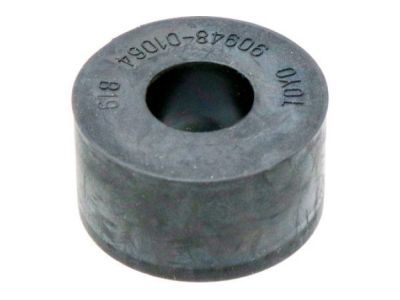
- Part DescriptionCushion, Rear Shock Absorber, NO.1
- PositionRear
- ManufacturerToyota
- Require Quantity2
- Package Quantity1
This part fits
2008 Toyota Land Cruiser
Check another vehicle- Production Date: 09/2007-01/2012
- Fitting Vehicle Options: URJ200
$10.10 MSRP: $14.12
You Save: $4.02 (29%)
Ships in 1-3 Business Days
1
- Related Parts
- Specifications
- Q&A
Product Specifications
Brand Genuine Toyota Manufacturer Part Number 90948-01064 Part Description Cushion, Rear Shock Absorber, NO.1 Other Names Shock Cushion Item Weight 0.50 Pounds Position Rear Condition New Fitment Type Direct Replacement Manufacturer Toyota SKU 90948-01064 Warranty This genuine Toyota part is covered by warranty. Shipping & Return Shipping Policy Return Policy Warning: California's Proposition 65Customer Questions & Expert Answers
- Q:I would like to know availability and if it is direct fit replacement Posted by ToyotaPartsDeal Specialist
- A:You can Select Your Vehicle to check if 90948-01064 fits your vehicle.Posted by ToyotaPartsDeal Specialist
- Installation and Repair Tips by AI Expert
- Removal: 1. Park on a level surface, chock opposite wheels and set the parking brake. 2. Disconnect and isolate the negative battery terminal; keep it disconnected until electrical reconnection. 3. Raise the vehicle on a hoist or use a jack and rated jack stands so the axle beam is accessible and safe to work under. 4. Support the axle beam with a jack or transmission jack so it will not shift when mounts are loosened. 5. Remove wheels as needed to gain clear access to the mount area. 6. Identify, label, and disconnect any electrical connectors or sensor leads attached to the axle/mount (for example ABS or speed sensors) and stow wiring clear of the work area. 7. Unfasten and support brake lines, hoses, and any fluid lines or brackets that are attached to the mount so lines are not stressed or damaged. 8. Detach suspension and steering links that interfere with mount removal (sway bar links, control-arm connections, shock lower bolts, etc.), noting that the specific items vary by design. 9. Loosen and remove the mount fasteners while keeping the axle beam securely supported; avoid letting the axle drop or rotate. 10. Separate the mount from the axle/frame; use penetrating lubricant, careful prying, or light hammering if components are seized. 11. Remove the mount and clean and inspect mating surfaces, bushings, fasteners, and surrounding structure for wear or damage. Installation: 1. Verify the replacement mount matches the original and transfer any required brackets or isolators. 2. Clean mating surfaces thoroughly and replace damaged or corroded fasteners and bushings as needed. 3. Support and align the axle beam and position the new mount into place using a jack to hold correct height and orientation. 4. Install mounting fasteners finger-tight first to permit final alignment; do not apply final torque yet. 5. Reattach suspension components, brake lines, hoses, and any brackets in the reverse order of removal, ensuring lines and wiring are routed free of pinch points and heat sources. 6. Reconnect electrical connectors and sensor leads, making sure connectors are fully seated and secured. 7. Tighten all mount and suspension fasteners to the vehicle manufacturer's specified torque values using a calibrated torque wrench (refer to the repair manual for specs). 8. Reinstall wheels, lower the vehicle, and torque wheel nuts to specification. 9. Reconnect the negative battery terminal. 10. Perform functional checks: inspect for fluid leaks, verify sensor operation and wiring security, check steering and suspension for binding, and conduct a cautious road test. 11. Recheck critical fasteners and brake fittings after the initial road test and arrange a professional wheel alignment if alignment was affected. Repair tip: Replace severely corroded mounting hardware and worn bushings during installation and mark orientation of the mount before removal to simplify correct reassembly.
- Q:
Why choose Toyota Parts Deal
- Dedicated Service
Your complete satisfaction is our #1 goal
- Lowest Prices
Best deals on genuine OE parts from dealerships
- Fast Delivery
Orders are processed and delivered promptly