

My Garage
My Account
Cart
This part fits
2000 Toyota Land Cruiser
Check another vehicle- Production Date: 07/1999-08/2002
- Fitting Vehicle Options: UZJ100
Toyota 47025-60012 Brake Master Cylinder Sub-Assembly
1998-2003 Toyota Land Cruiser 4702560012
Customer Questions & Expert Answers (2)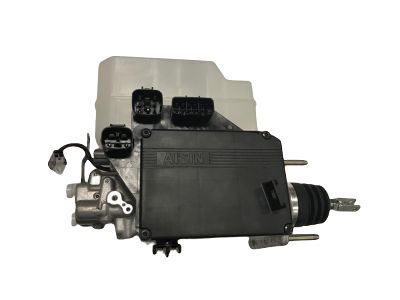
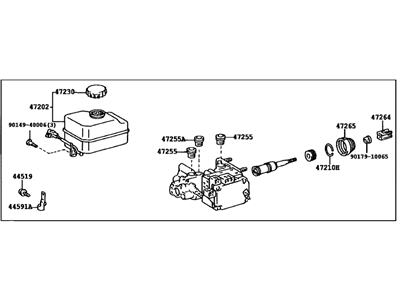
- Part DescriptionCylinder Sub-Assy, Brake Master
- Part Name Code47201
- Replaces
- ManufacturerToyota
This part fits
2000 Toyota Land Cruiser
Check another vehicle- Production Date: 07/1999-08/2002
- Fitting Vehicle Options: UZJ100
$1183.61 MSRP: $1767.30
You Save: $583.69 (34%)
1
- Related Parts
- Specifications
- Q&A
Product Specifications
Brand Genuine Toyota Part Name Code 47201 Manufacturer Part Number 47025-60012 Part Description Cylinder Sub-Assy, Brake Master Item Dimensions 9.1 x 7.2 x 6.1 inches Item Weight 15.60 Pounds Condition New Fitment Type Direct Replacement Replaces 47025-60010 Manufacturer Toyota SKU 47025-60012 Warranty This genuine Toyota part is covered by warranty. Shipping & Return Shipping Policy Return Policy Warning: California's Proposition 65Customer Questions & Expert Answers
- Q:Is the above part number correct or is there another correct number for my car? Posted by ToyotaPartsDeal Specialist
- A:You can Select Your Vehicle to check if 47025-60012 fits your vehicle.Posted by ToyotaPartsDeal Specialist
- Installation and Repair Tips by AI Expert
- Removal steps 1. Park on a level surface, chock wheels, wear eye protection and gloves, and relieve any residual system pressure by pumping the brake pedal several times with the engine off. 2. Open the hood, clean the area around the brake fluid reservoir to prevent contamination, and protect painted surfaces from spills. 3. Disconnect the negative battery cable to disable electrical circuits before touching any sensors or connectors. 4. Siphon or absorb excess brake fluid from the reservoir to reduce spillage during removal and keep the reservoir cap loosely in place. 5. Label or mark brake lines and electrical connectors so they can be reinstalled correctly, then disconnect electrical plugs for level or pressure sensors. 6. Using an appropriate line wrench, loosen and remove the brake fluid lines from the master cylinder while catching fluid in a clean container and immediately plugging or capping line fittings to limit air entry and contamination. 7. Remove the fasteners that secure the master cylinder to the booster or firewall (fastener type and location vary by design) and carefully pull the assembly straight out to avoid bending lines or damaging the booster. 8. Set the removed master cylinder upright to prevent further spillage and dispose of or store drained fluid in accordance with local regulations. Installation steps 1. Bench-bleed the replacement master cylinder before installation following the component manufacturer's bench-bleeding method (typically tubing from ports back into the reservoir while slowly pressing the piston until bubbles stop). 2. Position the new master cylinder onto the booster or mounting flange, align it, and install the mounting fasteners, tightening them evenly (consult a shop manual for specified torque). 3. Reinstall the brake lines with a proper flare-nut/line wrench, remove any plugs, and snug fittings until leak-free; do not overtighten without torque spec. 4. Reconnect electrical connectors for sensors and ensure wiring is routed away from hot or moving parts. 5. Refill the reservoir with the correct type of fresh brake fluid and keep the cap loosely installed during bleeding. 6. Bleed the brake system to remove air-commonly starting at the wheel farthest from the master cylinder-using a helper or pressure/vacuum bleeder until the pedal feels firm and no air is present; monitor the fluid level so it never runs dry. 7. Inspect all fittings, mounting points, and lines for leaks while applying steady pedal pressure. 8. Reconnect the negative battery cable, start the engine, and verify proper brake booster assist and that warning lights behave normally. 9. Perform a low-speed functional test in a safe area to confirm pedal firmness and braking performance, then recheck for leaks and fluid level. 10. Clean any spilled fluid from vehicle surfaces and dispose of used brake fluid and contaminated rags properly. Repair tip: Use a dedicated bench-bleed kit or short clear tubing and a block to prevent trapped air; always keep the reservoir topped up during bleeding to avoid introducing new air.
- Q:
Why choose Toyota Parts Deal
- Dedicated Service
Your complete satisfaction is our #1 goal
- Lowest Prices
Best deals on genuine OE parts from dealerships
- Fast Delivery
Orders are processed and delivered promptly