

My Garage
My Account
Cart
This part fits
2000 Toyota Land Cruiser (VIN: JT3HT05J4Y0108231) 8 Cyl 4.7L DOHC EFI; Automatic Transmission; 4-Speed Automatic Transmission; UZJ100L-GNPEKA
Check another vehicle- Fitting Vehicle Options: 2UZFE.. UZJ100
Toyota 90080-43036 Exhaust Pipe Gasket
1992-2024 Toyota 9008043036
Customer Questions & Expert Answers (2)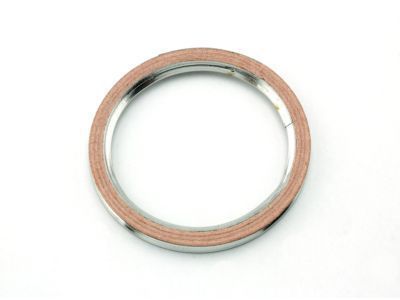
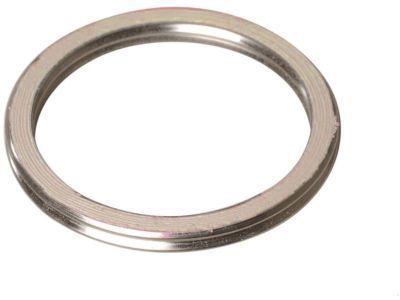
- Part DescriptionExhaust Pipe To Manifold Gasket
- Replaces
- ManufacturerToyota
- Require Quantity2
- Package Quantity10
This part fits
2000 Toyota Land Cruiser (VIN: JT3HT05J4Y0108231) 8 Cyl 4.7L DOHC EFI; Automatic Transmission; 4-Speed Automatic Transmission; UZJ100L-GNPEKA
Check another vehicle- Fitting Vehicle Options: 2UZFE.. UZJ100
$13.08 MSRP: $18.27
You Save: $5.19 (29%)
Ships in 1-3 Business Days
1
- Related Parts
- Specifications
- Q&A
Product Specifications
Brand Genuine Toyota Manufacturer Part Number 90080-43036 Part Description Exhaust Pipe To Manifold Gasket Other Names Converter & Pipe Seal, Converter Shield Seal Item Weight 0.40 Pounds Condition New Fitment Type Direct Replacement Replaces 90917-06089, 90917-06065 Manufacturer Toyota SKU 90080-43036 Warranty This genuine Toyota part is covered by warranty. Shipping & Return Shipping Policy Return Policy Warning: California's Proposition 65Customer Questions & Expert Answers
- Q:I would like to know availability and if it is direct fit replacement Posted by ToyotaPartsDeal Specialist
- A:You can Select Your Vehicle to check if 90080-43036 fits your vehicle.Posted by ToyotaPartsDeal Specialist
- Installation and Repair Tips by AI Expert
- Removal steps 1. Park on level ground, set the parking brake, chock wheels, wear eye and hand protection, and allow the exhaust to cool completely. 2. Disconnect the negative battery terminal to remove electrical power. 3. Raise and support the vehicle with jack stands or use ramps if additional underbody access is required. 4. Locate the exhaust flange joint (commonly where two exhaust sections meet) and inspect surrounding heat shields and brackets for obstructions. 5. Apply penetrating oil to flange fasteners and let it soak long enough to ease removal. 6. Support the exhaust near the flange with a jack or hanger to prevent the system from drooping or stressing other connections. 7. Remove any heat shields or brackets that impede access to the flange fasteners. 8. Loosen and remove the flange fasteners (bolts, nuts or studs) and separate the flange faces; take note of any alignment dowels or sleeves. 9. Remove the old gasket and clean mating surfaces of carbon, rust, and gasket material without gouging the faces. 10. Inspect flange faces, pipe ends, and fastening hardware for damage or excessive corrosion and plan to replace compromised parts. Installation steps 1. Verify mating surfaces are clean, flat, and dry before installing the new gasket. 2. Use the correct replacement gasket for the joint; do not apply gasket sealant unless the part or manufacturer explicitly recommends it. 3. If replacing studs or bolts, consider light anti-seize on threads consistent with manufacturer guidance. 4. Position the new gasket and align the flange faces, making sure any alignment features seat properly. 5. Support the exhaust so the gasket sits without excessive compression while you start fasteners. 6. Start flange fasteners by hand to avoid cross-threading and to ensure even alignment. 7. Tighten fasteners progressively and evenly in an alternating pattern until snug, then finish to the manufacturer's specified torque if available. 8. Reinstall any removed heat shields or brackets and lower the vehicle to the ground. 9. Reconnect the negative battery terminal. 10. Start the engine, listen and feel for leaks around the flange at idle and during light revs; use a visual check or a safe soapy-water test on cold joints to help locate leaks. 11. Tip: After a short drive and a couple of heat/cool cycles, recheck fastener tightness and inspect the joint for leaks or movement.
- Q:
Why choose Toyota Parts Deal
- Dedicated Service
Your complete satisfaction is our #1 goal
- Lowest Prices
Best deals on genuine OE parts from dealerships
- Fast Delivery
Orders are processed and delivered promptly