

My Garage
My Account
Cart
Additional information needed to check if this part fits
2011 Toyota Camry (VIN: 4T4BF3EKOBR154398) 4 Cyl 2.5L DOHC EFI; Automatic Transmission; 6-Speed Automatic Transmission; North America Product
Check another vehicle- Fitting Vehicle Options: ASV40.. NAP.. 6FC
Toyota 35106-33070 Pan Sub-Assembly, Automatic Transaxle Oil
2009-2019 Toyota 3510633070
Customer Questions & Expert Answers (1)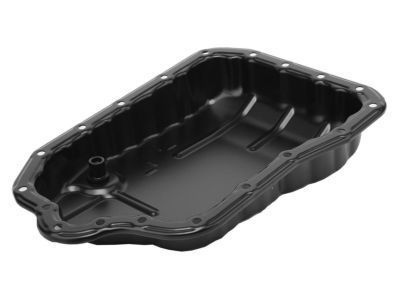
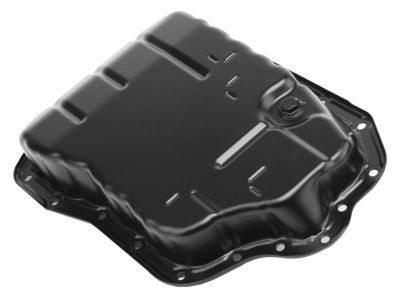
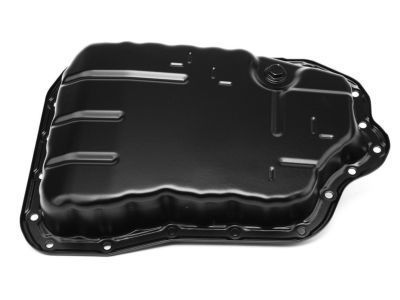
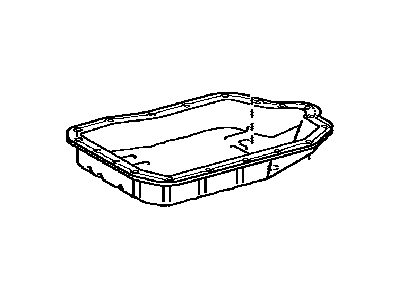
- Part DescriptionPan Sub-Assy, Automatic Transaxle Oil
- AISIN AW:REFER 35-01
- Part Name Code35106D
- Replaced By
- ManufacturerToyota
Additional information needed to check if this part fits
2011 Toyota Camry (VIN: 4T4BF3EKOBR154398) 4 Cyl 2.5L DOHC EFI; Automatic Transmission; 6-Speed Automatic Transmission; North America Product
Check another vehicle- Fitting Vehicle Options: ASV40.. NAP.. 6FC
$107.37 MSRP: $151.35
You Save: $43.98 (30%)
Ships in 1-2 Business Days
1
- Related Parts
- Specifications
- Q&A
Product Specifications
Brand Genuine Toyota Part Name Code 35106D Manufacturer Part Number 35106-33070 Part Description Pan Sub-Assy, Automatic Transaxle Oil Item Dimensions 15.1 x 10.7 x 5.7 inches Item Weight 1.40 Pounds Condition New Fitment Type Direct Replacement Manufacturer Toyota SKU 35106-33070 Warranty This genuine Toyota part is covered by warranty. Shipping & Return Shipping Policy Return Policy Warning: California's Proposition 65Customer Questions & Expert Answers
- Installation & Repair Tips by AI Expert
- Removal steps 1. Park on a level surface, set the parking brake, chock wheels, and raise and support the vehicle securely with jack stands if needed. 2. Disconnect the negative battery terminal and tuck the cable away to prevent accidental reconnection. 3. Allow the transmission to cool if recently driven and wear eye protection and gloves. 4. Place a suitable drain pan under the transmission pan to catch fluid. 5. Verify you can access the transmission fill/dipstick or fill plug before draining, so the system can be refilled later. 6. If equipped, be prepared to contain or cap any transmission cooler lines that may leak when the pan is removed. 7. Loosen pan fasteners progressively and evenly (in most vehicles) to break the seal and allow fluid to drain; remove fasteners enough to tilt or lower the pan and drain remaining fluid. 8. Remove the pan and set it aside; expect additional fluid to spill from the filter or housing. 9. Remove the transmission filter if serviceable and note orientation; inspect and save any magnets or debris collected in the pan. 10. Clean the pan, magnet(s), and mating surface of old gasket material or sealant with a non-abrasive cleaner and a lint-free cloth. Installation steps 1. Install a new filter (if applicable) in the correct orientation and replace any discarded seals or crush washers as required. 2. Fit a new gasket or apply the correct type of sealant as recommended for your vehicle; position the pan and start fasteners by hand to avoid cross-threading. 3. Tighten fasteners progressively in an even pattern until snug, then finish to the manufacturer's specified torque using a calibrated torque wrench (do not guess torque values). 4. Reinstall or reconnect any cooler lines or components that were removed, using new seals if specified. 5. Lower the vehicle if it was raised and remove wheel chocks. 6. Reconnect the negative battery terminal. 7. Refill the transmission with the correct type and amount of fluid, using the proper fill point and method for the vehicle; follow manufacturer procedure for fluid level checking (many require warm-up and specific gear selection). 8. Start the engine, cycle through gears with the brake applied to circulate fluid, and inspect the pan area for leaks. 9. Recheck fluid level after warming and a short drive, then top up to the correct level per the service procedure. 10. Properly dispose of used transmission fluid and clean up any spills. Repair tip: Keep fasteners organized-some may be different lengths-and always replace the pan gasket and filter when accessible to ensure a proper seal and long-term leak-free service.
Why choose Toyota Parts Deal
- Dedicated Service
Your complete satisfaction is our #1 goal
- Lowest Prices
Best deals on genuine OE parts from dealerships
- Fast Delivery
Orders are processed and delivered promptly