

My Garage
My Account
Cart
This part fits
1979 Toyota Land Cruiser United States Of America; 6 Cyl 4.2L
Check another vehicle- Production Date: 08/1978-07/1980
- Fitting Vehicle Options: BJ40, FJ4#, 55
Toyota 90930-03031 Breather Plug
1974-2024 Toyota 9093003031
Customer Questions & Expert Answers (2)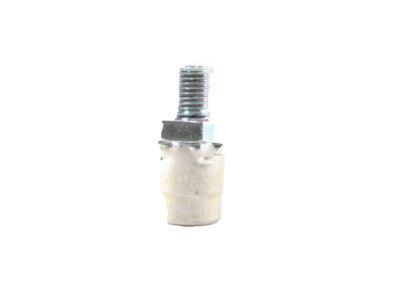
- Part DescriptionPlug, Breather (For Rear Axle Housing)
- Replaced By
- ManufacturerToyota
This part fits
1979 Toyota Land Cruiser United States Of America; 6 Cyl 4.2L
Check another vehicle- Production Date: 08/1978-07/1980
- Fitting Vehicle Options: BJ40, FJ4#, 55
$10.34 MSRP: $14.45
You Save: $4.11 (29%)
Ships in 1-3 Business Days
1
- Related Parts
- Specifications
- Q&A
Product Specifications
Brand Genuine Toyota Manufacturer Part Number 90930-03031 Part Description Plug, Breather (For Rear Axle Housing) Manufacturer Note USA 50 STATES SPEC&OFF ROAD PACKAGE Item Dimensions 1.4 x 2.5 x 3.2 inches Item Weight 0.40 Pounds Condition New Fitment Type Direct Replacement Manufacturer Toyota SKU 90930-03031 Warranty This genuine Toyota part is covered by warranty. Shipping & Return Shipping Policy Return Policy Warning: California's Proposition 65Customer Questions & Expert Answers
- Q:I would like to know availability and if it is direct fit replacement Posted by ToyotaPartsDeal Specialist
- A:You can Select Your Vehicle to check if 90930-03031 fits your vehicle.Posted by ToyotaPartsDeal Specialist
- Installation and Repair Tips by AI Expert
- Removal steps 1. Park on a level surface, apply the parking brake and chock wheels to prevent movement. 2. Wear safety glasses and gloves; allow the vehicle and fluid to cool if recently operated. 3. Raise and support the vehicle with jack stands only if extra ground clearance is needed; ensure stable support before working under the vehicle. 4. Disconnect the negative battery cable - this is commonly recommended when working near electrical components or when draining systems that may have sensors. 5. Place a suitably sized drain pan under the area where the plug will be removed and protect surrounding surfaces with rags or drip trays. 6. Clean the area around the drain plug to prevent contaminants from entering the system. 7. Use the correct wrench or socket to break the plug loose; if the plug is seized, apply penetrating oil and allow time to soak rather than forcing the tool. 8. Unscrew the plug slowly and carefully to control fluid flow; allow all fluid to drain into the pan. 9. Inspect the plug, threads, and sealing surface for damage or excessive metal debris; if the plug has a magnetic tip, check for metal particles. 10. Remove and discard any crush washer or gasket if present; these commonly require replacement. Installation steps 1. Clean the plug and thread area thoroughly; replace the crush washer or sealing gasket with a new one sized for the application. 2. Thread the drain plug in by hand to avoid cross-threading; if designs vary, confirm proper engagement before using tools. 3. Tighten the plug snugly with the correct tool - do not overtighten; follow the vehicle or component manufacturer's specified torque if available. 4. Clean any spilled fluid from the area, then refill the system with the correct type and amount of fluid as specified by the vehicle or component maker. 5. Lower the vehicle to the ground if it was raised and remove wheel chocks. 6. Reconnect the negative battery cable. 7. Start the engine or operate the system as required and check the drain plug area for leaks while at operating temperature and pressure. 8. After a short run, shut down, recheck fluid level and top up if necessary; recheck the drain plug for leaks once more. 9. Dispose of drained fluid and used sealing components according to local regulations. Repair tip: Keep a spare crush washer and the correct-size socket in your toolkit; replacing the washer each time prevents leaks and avoids repeated disassembly.
- Q:
Why choose Toyota Parts Deal
- Dedicated Service
Your complete satisfaction is our #1 goal
- Lowest Prices
Best deals on genuine OE parts from dealerships
- Fast Delivery
Orders are processed and delivered promptly