My Garage
My Account
Cart
This part fits
1997 Toyota Land Cruiser
Check another vehicle- Production Date: 06/1995-01/1998
- Fitting Vehicle Options: FZJ80
Toyota 44320-60182 Power Steering Pump
1992-1997 Toyota Land Cruiser 4432060182
Customer Questions & Expert Answers (1)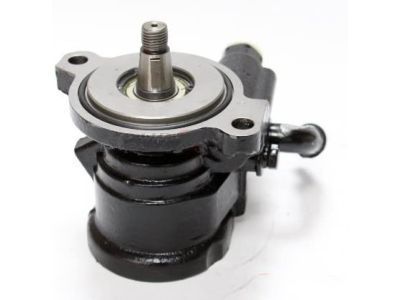
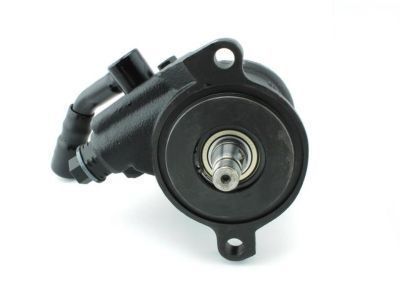
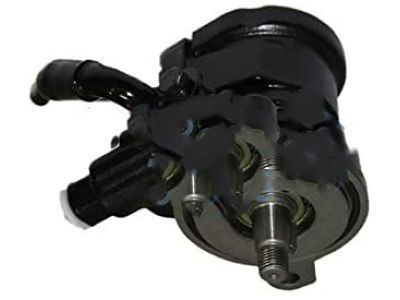
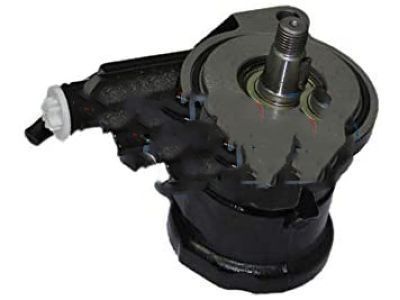
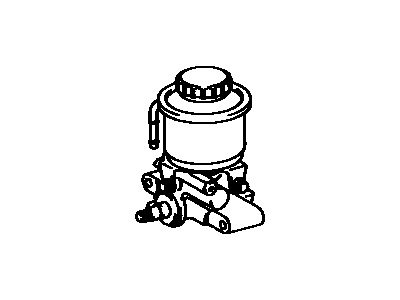
- Part DescriptionPump Assembly, Vane
- Part Name Code44320
- Replaces
- ManufacturerToyota
This part fits
1997 Toyota Land Cruiser
Check another vehicle- Production Date: 06/1995-01/1998
- Fitting Vehicle Options: FZJ80
$322.47 MSRP: $462.40
You Save: $139.93 (31%)
Ships in 1-3 Business Days
1
- Related Parts
- Specifications
- Q&A
Product Specifications
Brand Genuine Toyota Part Name Code 44320 Manufacturer Part Number 44320-60182 Part Description Power Steering Pump; Pump Assembly, Vane Item Dimensions 10.9 x 8.9 x 7.1 inches Item Weight 8.80 Pounds Condition New Fitment Type Direct Replacement Replaces 44320-60181 Manufacturer Toyota SKU 44320-60182 Warranty This genuine Toyota part is covered by warranty. Shipping & Return Shipping Policy Return Policy Warning: California's Proposition 65Customer Questions & Expert Answers
- Installation & Repair Tips by AI Expert
- Removal: 1. Park on a level surface, set the parking brake, chock wheels, let the engine cool, and wear eye protection and gloves. 2. Disconnect the negative battery terminal to disable electrical systems before touching any wiring or sensors. 3. Place a drain pan under the steering pump/hoses and remove or loosen the power steering reservoir cap; siphon or drain fluid to reduce spills. 4. Relieve drive-belt tension and remove the belt from the pump pulley using the appropriate tensioner or adjustment method (procedure varies by design). 5. Label hose locations, then loosen and disconnect pressure and return lines from the pump; cap or plug lines and fittings to keep dirt out and contain fluid. 6. If the pump has electrical connectors or a clutch, disconnect those electrical plugs. 7. Support the pump, then remove the pump mounting fasteners and any brackets holding the pump in place (fastener locations and access vary by vehicle). 8. Remove the pump assembly carefully, keeping it upright to minimize fluid spillage, and set it on a clean work surface. 9. Inspect mating surfaces, hose ends, and fittings; replace O-rings/seals or damaged lines as needed and clean the area before installation. Installation: 1. Compare the replacement pump to the old unit and transfer any required components (pulleys, brackets) if applicable. 2. Position the pump and install mounting fasteners by hand to align components, then tighten evenly to the manufacturer's torque specifications. 3. Install new O-rings/seals on hose fittings if available, reconnect pressure and return lines, and secure clamps or fittings per design. 4. Reattach any electrical connectors or clutch wiring previously disconnected. 5. Reinstall the drive belt and set belt tension according to the vehicle's procedure or the belt/tensioner specification. 6. Reconnect the negative battery terminal. 7. Fill the power steering reservoir with the correct fluid type; do not mix fluid types. 8. Bleed the system by turning the steering wheel slowly from lock to lock several times with the engine off, then start the engine and repeat until no air noise appears and steering is smooth, topping off the reservoir as needed. 9. Inspect for leaks, check hose and fitting tightness, perform a short road test to confirm steering response, and recheck fluid level after the test. Repair tip: 1. Always install new O-rings/seals on hydraulic connections and consider replacing the drive belt if it shows wear; clean fluid spills promptly to protect painted surfaces.