

My Garage
My Account
Cart
This part fits
2020 Toyota GR Supra
Check another vehicle- The location this part fits: Passenger Side, Driver Side
- Production Date: from 03/2020,03/2019-02/2020
- Fitting Vehicle Options: DB43; DB03; DB23
Toyota 48609-WAA02 SUPPORT SUB-ASSY, FR
2020-2025 Toyota GR Supra 48609WAA02
Customer Questions & Expert Answers (1)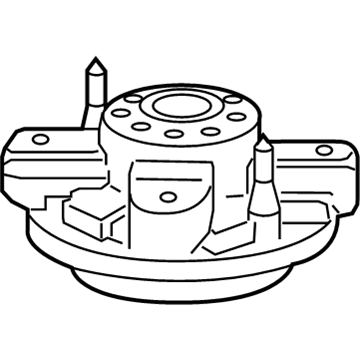
- Part DescriptionSUPPORT SUB-ASSY, FR
- AVS-WITH
- ManufacturerToyota
This part fits
2020 Toyota GR Supra
Check another vehicle- The location this part fits: Passenger Side, Driver Side
- Production Date: from 03/2020,03/2019-02/2020
- Fitting Vehicle Options: DB43; DB03; DB23
$88.49 MSRP: $124.73
You Save: $36.24 (30%)
Ships in 1-3 Business Days
1
- Related Parts
- Specifications
- Q&A
Product Specifications
Brand Genuine Toyota Manufacturer Part Number 48609-WAA02 Part Description SUPPORT SUB-ASSY, FR Other Names Strut Mount Manufacturer Note AVS-WITH Condition New Fitment Type Direct Replacement Manufacturer Toyota SKU 48609-WAA02 Warranty This genuine Toyota part is covered by warranty. Shipping & Return Shipping Policy Return Policy Warning: California's Proposition 65Customer Questions & Expert Answers
- Installation & Repair Tips by AI Expert
- Removal steps 1. Park on level ground, chock wheels, engage parking brake, wear eye and hand protection, and lift/support the vehicle securely with jack stands - never rely on a jack alone. 2. Disconnect the negative battery terminal and follow the vehicle maker's specified wait time before working near SRS (airbag) or electrical components; SRS work is high-risk. 3. Remove the wheel to gain access to the strut/shock area. 4. Support the lower suspension control arm/knuckle or axle with a jack or stand to take load off the strut assembly before freeing fasteners. 5. Detach any components mounted to the strut/shock (examples: sway-bar link, brake hose/bracket, sensor wires) - the exact items and locations vary by design. 6. Unfasten the lower connection(s) that secure the shock/strut to the knuckle or subframe and separate the assembly from the suspension; use caution if components are rusted or under preload. 7. Access and loosen the top mount fasteners in the strut tower area and support the strut so it cannot fall when released; top access and number of fasteners may differ by vehicle. 8. Remove the strut/shock assembly from the vehicle. 9. If replacing only the mount, secure the coil spring with a proper spring compressor, relieve spring preload, remove the top nut/retainer, and separate the mount from the strut per the compressor tool instructions. 10. Inspect springs, bearings, boots, and associated hardware and compare old and new parts for correct fit before installation. Installation steps 1. If applicable, install the new mount onto the strut while the spring is compressed, ensuring correct orientation and that seat surfaces and bearings are clean and lubricated as recommended. 2. Reassemble the strut internals and tighten the top nut per the component/tool instructions (do not attempt without a spring compressor where required). 3. Carefully position the strut assembly into the engine bay/strut tower and loosely install top fasteners to hold it in place. 4. Reattach the lower connection(s) to the knuckle or subframe and snug hardware so the assembly is held but still adjustable; final torque must follow manufacturer specifications. 5. Reconnect any brackets, brake lines, sway-bar links, and sensor leads removed earlier, routing wiring and hoses clear of moving parts. 6. Fully seat and torque all top and lower fasteners to the vehicle maker's specified values (do not guess torque numbers). 7. Reconnect the negative battery terminal and follow any manufacturer steps to clear codes or reset systems affected by the disconnection. 8. Lower the vehicle, re-torque fasteners if required after initial settling, and road-test at low speed to check steering, ride, and for unusual noises. 9. Recommend a professional wheel alignment after suspension work and recheck all fasteners after a short test drive. Repair tip: Use a quality spring compressor and replace any worn rubber/bearing components while the strut is apart; never attempt to compress or disassemble a coil-over strut without the correct tool.
Why choose Toyota Parts Deal
- Dedicated Service
Your complete satisfaction is our #1 goal
- Lowest Prices
Best deals on genuine OE parts from dealerships
- Fast Delivery
Orders are processed and delivered promptly