

My Garage
My Account
Cart
Genuine 1992 Toyota Land Cruiser PCV Valve
Position Crank Ventilation Valve- Select Vehicle by Model
- Select Vehicle by VIN
Select Vehicle by Model
orMake
Model
Year
Select Vehicle by VIN
For the most accurate results, select vehicle by your VIN (Vehicle Identification Number).
2 PCV Valves found
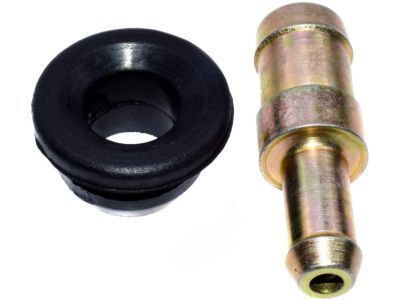
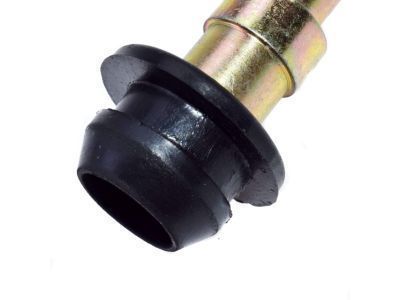
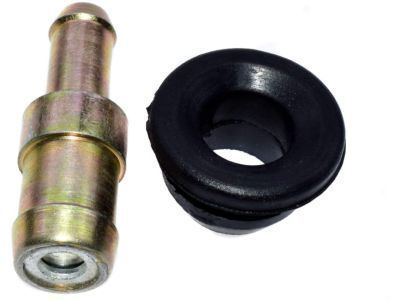
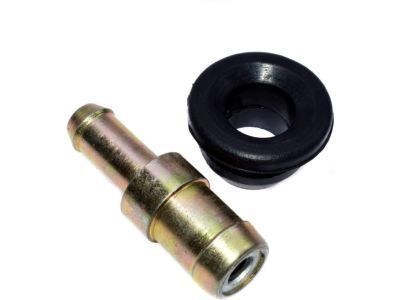
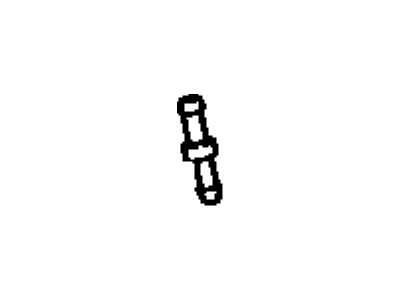
1992 Toyota Land Cruiser Ventilation Valve Sub-Assembly
Part Number: 12204-35040$7.72 MSRP: $10.79You Save: $3.07 (29%)Ships in 1-3 Business DaysProduct Specifications- Other Name: Valve Sub-Assy, Ventilation; PCV Valve
- Replaces: 12204-35040-73, 12204-66010
- Part Name Code: 12204
- Item Weight: 0.80 Pounds
- Item Dimensions: 2.0 x 1.1 x 0.8 inches
- Condition: New
- Fitment Type: Direct Replacement
- SKU: 12204-35040
- Warranty: This genuine Toyota part is covered by warranty.
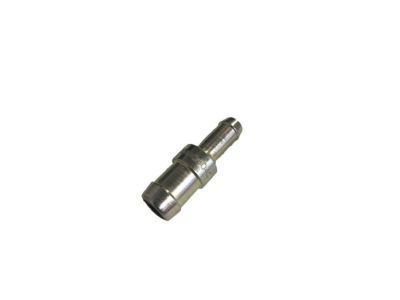
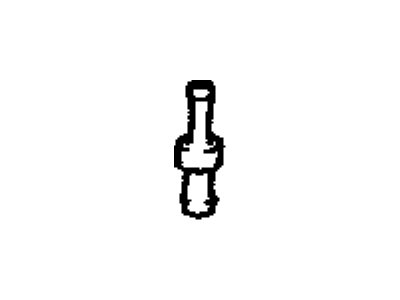
1992 Toyota Land Cruiser Ventilation Valve Sub-Assembly
Part Number: 12204-66010$7.72 MSRP: $10.79You Save: $3.07 (29%)Ships in 1-2 Business DaysProduct Specifications- Other Name: Valve Sub-Assy, Ventilation
- Replaced by: 12204-35040
- Part Name Code: 12204
- Item Weight: 0.80 Pounds
- Item Dimensions: 2.1 x 1.1 x 0.8 inches
- Condition: New
- Fitment Type: Direct Replacement
- SKU: 12204-66010
- Warranty: This genuine Toyota part is covered by warranty.
1992 Toyota Land Cruiser PCV Valve
With ToyotaPartsDeal.com, you have access to an extensive inventory of genuine 1992 Toyota Land Cruiser PCV Valve, all priced competitively. Feel secure in your purchase, as all our OEM 1992 Toyota Land Cruiser PCV Valve are covered by warranty. Plus, we offer a hassle-free return policy and speedy delivery service.
1992 Toyota Land Cruiser PCV Valve Parts Questions & Experts Answers
- Q:What Is the Role of the PCV System in Reducing Hydrocarbon Emissions and How Do You Inspect and Replace the PCV Valve for the 1992 Toyota Land Cruiser?Posted by Yecheng L.A:The Positive Crankcase Ventilation (PCV) system is very important in minimizing output of hydrocarbon into the atmosphere; crankcase vapour is channeled from the crankcase, fresh air from the air cleaner is drawn into the crankcase and mixed with blow-by gases then passed through the PCV valve then to the intake manifold. Components that require regular inspection are the PCV valve, fresh air intake and vacuum hoses that connect the above to the engine. For maintaining its idle quality, the PCV valve will, therefore, limit the amount of flow under conditions of high intake manifold vacuum but it will return excessive blow-by gases to the air cleaner at times which may be as a result of bad piston rings. This system could mean that there would be accumulation of the oil deposit around the Throttle plate and it would therefore be advisable to clean it frequently. To verify this, ensure you take the valve out of the grommet in the valve cover then shake it; a rattling sound means that it's not clogged. If all fails, it must rattle and replacement is required. If the engine is running, putting a finger over the valve opening should draw vacuum; lack of vacuum means a faulty valve or plugged hose or both and a search for leaks where the valve is situated, filler cap, and hoses. For replacement, lift the valve upwards and remove it from the slot and carry out check up on the rubber grommet to see whether it is damaged or not. If the valve is blocked, the hose most likely is too, and both elements must be taken out and washed with solvent. After rinsing, check the hose for any signs of wear or tear and another important thing is that the hose should have a tight seal on the fittings. Only where necessary should one fit a fresh PCV valve and fit the fresh clean PCV hose securely.Answered by Toyota Parts Specialist Jerry / Apr 19, 2025
Related 1992 Toyota Land Cruiser Parts
 1992 Toyota Land Cruiser Spark Plug
 1992 Toyota Land Cruiser Oil Filter
 1992 Toyota Land Cruiser Wiper Blade
 1992 Toyota Land Cruiser Drive Belt
 1992 Toyota Land Cruiser Air Filter
 1992 Toyota Land Cruiser Oxygen Sensor
 1992 Toyota Land Cruiser Alternator
 1992 Toyota Land Cruiser Water Pump
 1992 Toyota Land Cruiser Fuel Pump
 1992 Toyota Land Cruiser Ignition Switch