

My Garage
My Account
Cart
Genuine 2001 Toyota 4Runner Axle Shaft
Car Axle Shaft- Select Vehicle by Model
- Select Vehicle by VIN
Select Vehicle by Model
orMake
Model
Year
Select Vehicle by VIN
For the most accurate results, select vehicle by your VIN (Vehicle Identification Number).
7 Axle Shafts found
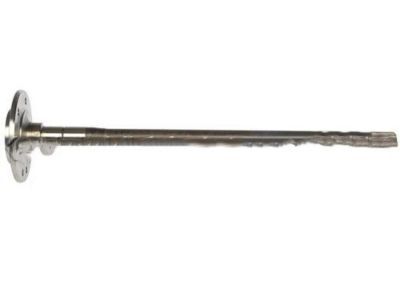
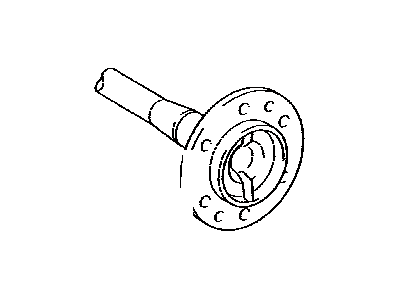
2001 Toyota 4Runner Rear Axle Shaf
Part Number: 42311-35400$441.97 MSRP: $659.34You Save: $217.37 (33%)Ships in 1-3 Business DaysProduct Specifications- Other Name: Shaft, Rear Axle, Lh; Axle Shaft
- Manufacturer Note: W(VSC & 16 INCHES DISC WHEEL)
- Position: Rear
- Item Weight: 22.00 Pounds
- Item Dimensions: 41.2 x 8.6 x 8.6 inches
- Condition: New
- Fitment Type: Direct Replacement
- SKU: 42311-35400
- Warranty: This genuine Toyota part is covered by warranty.
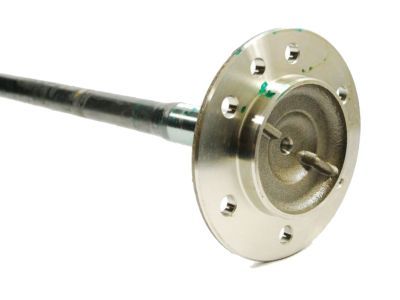
2001 Toyota 4Runner Rear Axle Shaf
Part Number: 42311-35350$450.45 MSRP: $671.98You Save: $221.53 (33%)Ships in 1-3 Business DaysProduct Specifications- Other Name: Shaft, Rear Axle; Axle Shaft
- Manufacturer Note: W(4WHEEL*66)
- Position: Rear
- Item Weight: 23.30 Pounds
- Item Dimensions: 26.3 x 23.2 x 23.1 inches
- Condition: New
- Fitment Type: Direct Replacement
- SKU: 42311-35350
- Warranty: This genuine Toyota part is covered by warranty.


2001 Toyota 4Runner Rear Axle Shaf
Part Number: 42311-35280$441.97 MSRP: $659.34You Save: $217.37 (33%)Product Specifications- Other Name: Shaft, Rear Axle, Lh; Axle Shaft
- Position: Rear
- Replaced by: 42311-35400
- Item Weight: 16.10 Pounds
- Item Dimensions: 27.4 x 8.6 x 7.7 inches
- Condition: New
- Fitment Type: Direct Replacement
- SKU: 42311-35280
- Warranty: This genuine Toyota part is covered by warranty.
2001 Toyota 4Runner Rear Axle Shaf
Part Number: 42311-35220$450.45 MSRP: $671.98You Save: $221.53 (33%)Product Specifications- Other Name: Shaft, Rear Axle; Axle Shaft
- Position: Rear
- Replaced by: 42311-35350
- Item Weight: 14.70 Pounds
- Item Dimensions: 29.6 x 7.6 x 6.8 inches
- Condition: New
- Fitment Type: Direct Replacement
- SKU: 42311-35220
- Warranty: This genuine Toyota part is covered by warranty.
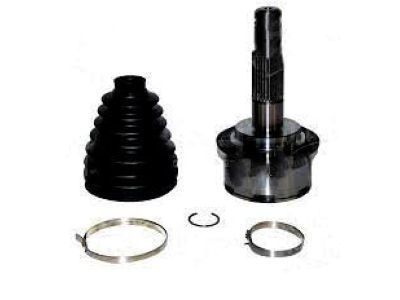

2001 Toyota 4Runner Shaft Assembly, Front Drive Outboard Joint, Right
Part Number: 43460-39065$198.35 MSRP: $284.42You Save: $86.07 (31%)Product Specifications- Other Name: Shaft Assembly, Front Drive Outboard Joint, Rh
- Position: Front Passenger Side
- Replaced by: 43460-39066
- Item Weight: 13.10 Pounds
- Item Dimensions: 8.2 x 4.2 x 4.3 inches
- Condition: New
- Fitment Type: Direct Replacement
- SKU: 43460-39065
- Warranty: This genuine Toyota part is covered by warranty.


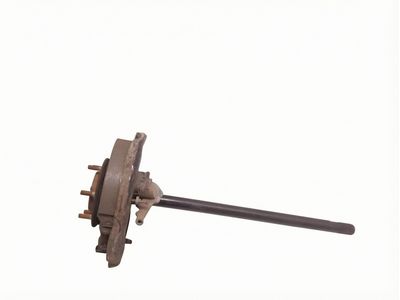
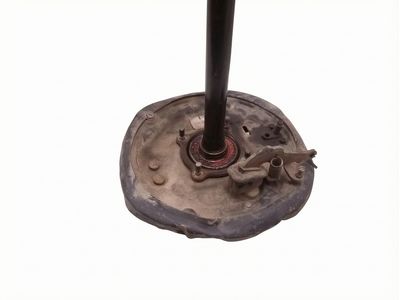
2001 Toyota 4Runner Rear Axle Shaf
Part Number: 42311-35210$229.92 MSRP: $329.69You Save: $99.77 (31%)Product Specifications- Other Name: Shaft, Rear Axle; Axle Shaft
- Position: Rear
- Item Weight: 15.20 Pounds
- Item Dimensions: 29.3 x 7.7 x 6.8 inches
- Condition: New
- Fitment Type: Direct Replacement
- SKU: 42311-35210
- Warranty: This genuine Toyota part is covered by warranty.

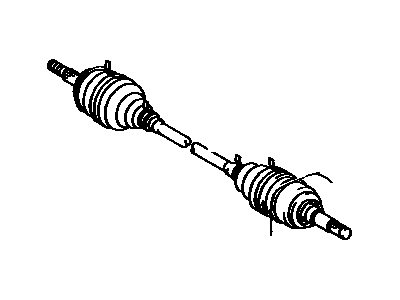 Product Specifications
- Other Name: Shaft Assy, Front Drive, Lh
- Position: Front Driver Side
- Item Weight: 23.80 Pounds
- Item Dimensions: 38.1 x 7.1 x 7.1 inches
- Condition: New
- Fitment Type: Direct Replacement
- SKU: 43430-35030
- Warranty: This genuine Toyota part is covered by warranty.
2001 Toyota 4Runner Axle Shaft
With ToyotaPartsDeal.com, you have access to an extensive inventory of genuine 2001 Toyota 4Runner Axle Shaft, all priced competitively. Feel secure in your purchase, as all our OEM 2001 Toyota 4Runner Axle Shaft are covered by warranty. Plus, we offer a hassle-free return policy and speedy delivery service.
2001 Toyota 4Runner Axle Shaft Parts Questions & Experts Answers
- Q:How to remove and install the rear axle shaft for the 2001 Toyota 4Runner?Posted by Seon J.A:Put jackstands at the frame's base to keep the back end lifted securely: release the wheel nuts, lift the car's rear section, and use your hands to undo the nuts on the rear wheels. First block the front wheels to keep the car from moving off the stands. Then remove the rear tires. Place a jack directly below the housing carrying the back wheels' powertrain. Tie up the driveshaft with a wire from beneath your car so you can keep it separate while working on the differential. Step 2: Free the axle from the load sensing spring connections for more clearance. Take off brake hoses and lines from the axle housing and fill their openings with plugs to keep fluid from leaking out. Remove the rear brake drums and brake assemblies. Remove the parking brake cables from the back part of the brake components. Unscrew the cables from the spot where they join with the rear axle frame. Unplug the vent hose from the axle housing and keep it out of risk of damage until you finish working. First unhook the shock absorbers from where they connect to the axle brackets. Squeeze them together until you can pull them aside. For 4Runner models, take off the stabilizer bar, lateral control rod, and suspension arms at the top and bottom. Lower the jack from underneath the differential, and take down the whole rear axle assembly that supports the vehicle. You install everything by making sure all suspension bolts and screws are snugly fastened. Bleed the brakes.Answered by Toyota Parts Specialist Phil / Nov 27, 2024
Related 2001 Toyota 4Runner Parts
 2001 Toyota 4Runner Wheel Seal
 2001 Toyota 4Runner Wheel Bearing
 2001 Toyota 4Runner Transmission Pan
 2001 Toyota 4Runner Torque Converter
 2001 Toyota 4Runner Slip Yoke
 2001 Toyota 4Runner Input Shaft Bearing
 2001 Toyota 4Runner Output Shaft Bearing
 2001 Toyota 4Runner Pinion Washer