

My Garage
My Account
Cart
Genuine 2003 Toyota Tacoma Crankshaft Seal
- Select Vehicle by Model
- Select Vehicle by VIN
Select Vehicle by Model
orMake
Model
Year
Select Vehicle by VIN
For the most accurate results, select vehicle by your VIN (Vehicle Identification Number).
5 Crankshaft Seals found
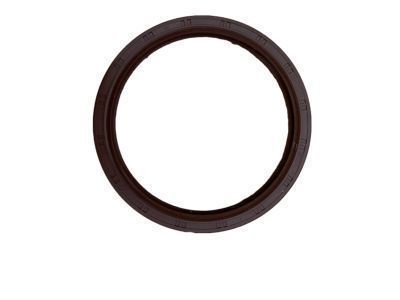
2003 Toyota Tacoma Seal
Part Number: 90311-92006$43.90 MSRP: $61.37You Save: $17.47 (29%)Ships in 1-3 Business DaysProduct Specifications- Other Name: Seal, Engine Rear Oil
- Manufacturer Note: *132
- Position: Rear
- Replaced by: 90311-A0027
- Part Name Code: 11381A
- Item Weight: 0.40 Pounds
- Item Dimensions: 5.3 x 4.9 x 1.1 inches
- Condition: New
- Fitment Type: Direct Replacement
- SKU: 90311-92006
- Warranty: This genuine Toyota part is covered by warranty.


2003 Toyota Tacoma Crank Seal
Part Number: 90311-48020$14.86 MSRP: $20.78You Save: $5.92 (29%)Ships in 1-2 Business DaysProduct Specifications- Other Name: Seal, Oil; Crankshaft Seal, Front Crank Seal
- Manufacturer Note: NOK
- Comment: (FOR TIMING GEAR CASE OR TIMING CHAIN CASE)
- Replaces: 90311-48021
- Part Name Code: 11301C
- Item Weight: 0.50 Pounds
- Item Dimensions: 2.4 x 2.3 x 0.4 inches
- Condition: New
- Fitment Type: Direct Replacement
- SKU: 90311-48020
- Warranty: This genuine Toyota part is covered by warranty.


2003 Toyota Tacoma Seal
Part Number: 90311-88005$41.64 MSRP: $58.20You Save: $16.56 (29%)Ships in 1-2 Business DaysProduct Specifications- Other Name: Seal, Engine Rear Oil
- Manufacturer Note: NOK
- Position: Rear
- Replaced by: 90311-88006
- Part Name Code: 11381A
- Item Weight: 0.50 Pounds
- Item Dimensions: 5.1 x 5.3 x 0.5 inches
- Condition: New
- Fitment Type: Direct Replacement
- SKU: 90311-88005
- Warranty: This genuine Toyota part is covered by warranty.


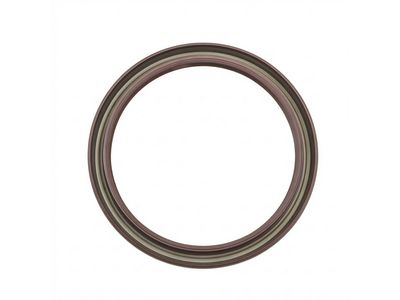

2003 Toyota Tacoma Seal
Part Number: 90311-88004$41.64 MSRP: $58.20You Save: $16.56 (29%)Ships in 1 Business DayProduct Specifications- Other Name: Seal, Engine Rear Oil
- Manufacturer Note: ARS
- Position: Rear
- Replaced by: 90311-88006
- Part Name Code: 11381A
- Item Weight: 0.50 Pounds
- Item Dimensions: 4.9 x 5.0 x 0.5 inches
- Condition: New
- Fitment Type: Direct Replacement
- SKU: 90311-88004
- Warranty: This genuine Toyota part is covered by warranty.

2003 Toyota Tacoma Seal
Part Number: 90311-48021$14.86 MSRP: $20.78You Save: $5.92 (29%)Ships in 1 Business DayProduct Specifications- Other Name: Seal, Oil
- Manufacturer Note: KOYO
- Comment: (FOR TIMING GEAR CASE OR TIMING CHAIN CASE)
- Replaced by: 90311-48020
- Part Name Code: 11301C
- Item Weight: 0.50 Pounds
- Item Dimensions: 2.2 x 2.2 x 0.4 inches
- Condition: New
- Fitment Type: Direct Replacement
- SKU: 90311-48021
- Warranty: This genuine Toyota part is covered by warranty.
2003 Toyota Tacoma Crankshaft Seal
With ToyotaPartsDeal.com, you have access to an extensive inventory of genuine 2003 Toyota Tacoma Crankshaft Seal, all priced competitively. Feel secure in your purchase, as all our OEM 2003 Toyota Tacoma Crankshaft Seal are covered by warranty. Plus, we offer a hassle-free return policy and speedy delivery service.
2003 Toyota Tacoma Crankshaft Seal Parts Questions & Experts Answers
- Q:How to replace the rear crankshaft seal in a four-cylinder engine for the 2003 Toyota Tacoma?Posted by Sokha T.A:Slide the transmission and the rear end plate out. It is possible to replace the Crankshaft Seal while the engine is still in the car but due to the stiffness of the seal lip, it is highly advisable to perform this with the pan off as well as the seal retainer. And if proceeding, remove the old seal using a screwdriver, put on multi-purpose grease both on the crankshaft journal and lip of the coming seal before installing it properly without hastening the process as it will damage the seal. One of the recommended practices includes lifting the seal retainer and then refilling the rear half of the oil pan. Remove the two rearmost oil pan-to-seal retainer bolts, cut the seal between the oil pan and seal retainer with a putty knife and separate the seal retainer, then any gasket material present should also be cleared, removing as much debris as possible while ensuring body dirt does not drop on the open area of the oil pan; this should be done using clean rags. Place the seal and retainer assembly sandwich between the two wooden boards and apply force on the rear side of the seal so as to pry out the old seal with the force of a screwdriver. Irrigate the new seal into the retainer using a wood block or a section of pipe, approximately next to the size of the OD of the seal. Apply multi-purpose grease to the Crankshaft Seal journal and the lip of the new seal, install another new gasket on the engine block and appropriate RTV sealant to the exposed area of the oil pan flange, especially to the mated surface. Carefully engage the seal and retainer onto the crankshaft as the seal lip will be stiff, more particularly with the aid of a smooth object to get over this part, then install and tighten the retainer bolts to the recommended torque. The residue of the installation is in the opposite order of the removal.Answered by Toyota Parts Specialist Andy / Apr 01, 2022
Related 2003 Toyota Tacoma Parts
 2003 Toyota Tacoma Drain Plug Washer
 2003 Toyota Tacoma Drain Plug
 2003 Toyota Tacoma Cylinder Head Bolts
 2003 Toyota Tacoma Dipstick
 2003 Toyota Tacoma Drive Shaft
 2003 Toyota Tacoma Cylinder Head Gasket
 2003 Toyota Tacoma Crankshaft Pulley
 2003 Toyota Tacoma Dipstick Tube
 2003 Toyota Tacoma Crankshaft Position Sensor
 2003 Toyota Tacoma Cylinder Head
 2003 Toyota Tacoma Crankshaft Gear
 2003 Toyota Tacoma Crankshaft Thrust Washer Set