

My Garage
My Account
Cart
Genuine Toyota 4Runner Brake Proportioning Valve
Proportioning Valve- Select Vehicle by Model
- Select Vehicle by VIN
Select Vehicle by Model
orMake
Model
Year
Select Vehicle by VIN
For the most accurate results, select vehicle by your VIN (Vehicle Identification Number).
25 Brake Proportioning Valves found
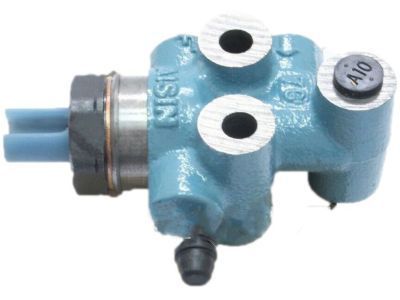
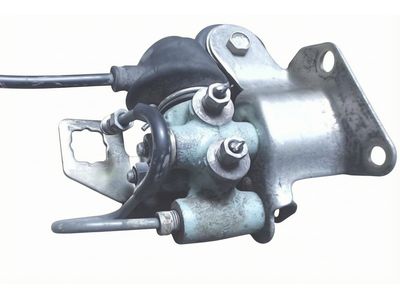
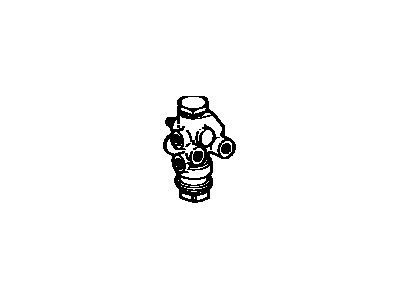
Toyota 4Runner Load Sensing Proportioning Valve Assembly
Part Number: 47910-35220$257.51 MSRP: $369.25You Save: $111.74 (31%)Ships in 1-3 Business Days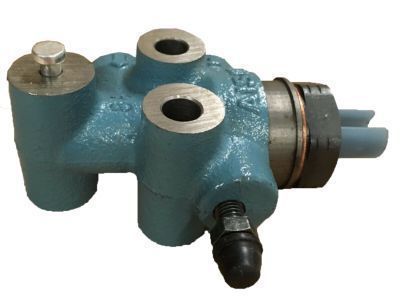
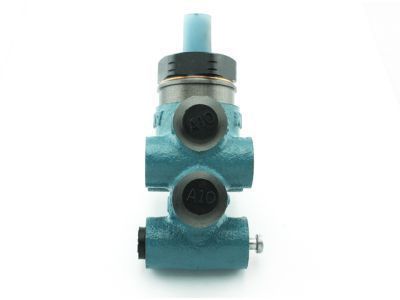
Toyota 4Runner Load Sensing Proportioning Valve Assembly
Part Number: 47910-35191$206.47 MSRP: $296.06You Save: $89.59 (31%)Ships in 1 Business Day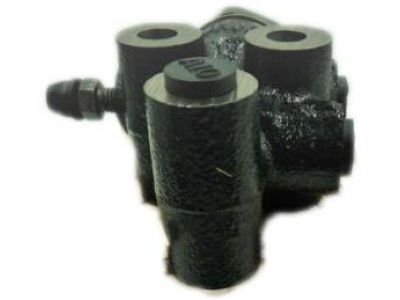
Toyota 4Runner Load Sensing Proportioning Valve Assembly
Part Number: 47910-26111$206.47 MSRP: $296.06You Save: $89.59 (31%)Ships in 1-3 Business Days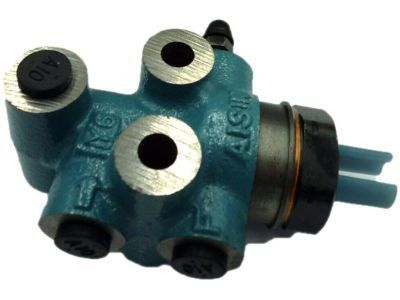
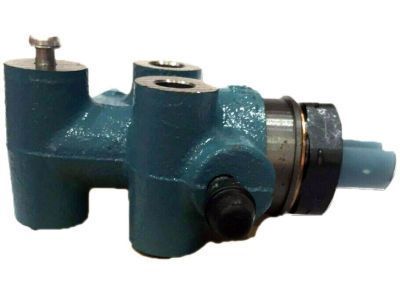
Toyota 4Runner Load Sensing Proportioning Valve Assembly
Part Number: 47910-35231$264.47 MSRP: $379.23You Save: $114.76 (31%)Ships in 1-3 Business Days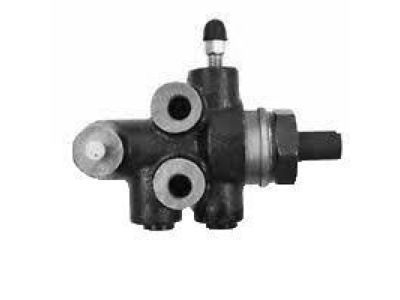
Toyota 4Runner Load Sensing Proportioning Valve Assembly
Part Number: 47910-35090$259.83 MSRP: $372.58You Save: $112.75 (31%)Ships in 1-2 Business Days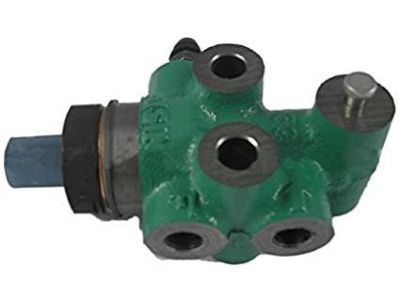
Toyota 4Runner Load Sensing Proportioning Valve Assembly
Part Number: 47910-35140$247.07 MSRP: $354.28You Save: $107.21 (31%)Ships in 1-3 Business Days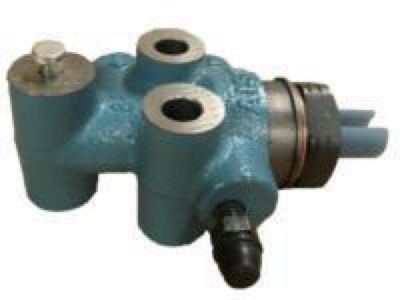
Toyota 4Runner Load Sensing Proportioning Valve Assembly
Part Number: 47910-35170$206.47 MSRP: $296.06You Save: $89.59 (31%)Ships in 1-3 Business Days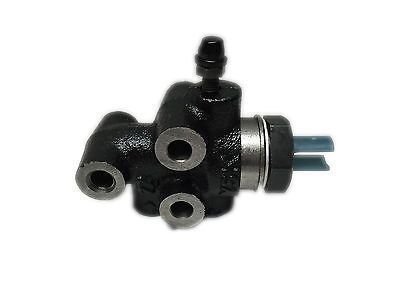
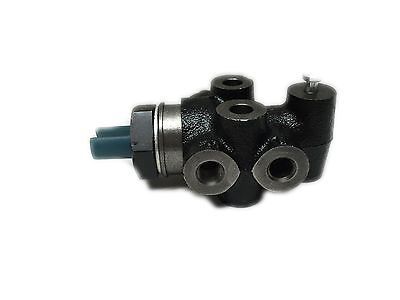
Toyota 4Runner Load Sensing Proportioning Valve Assembly
Part Number: 47910-35210$226.19 MSRP: $324.34You Save: $98.15 (31%)Ships in 1-3 Business Days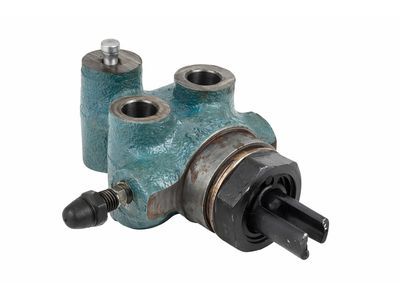
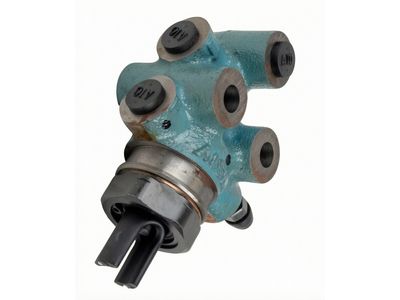
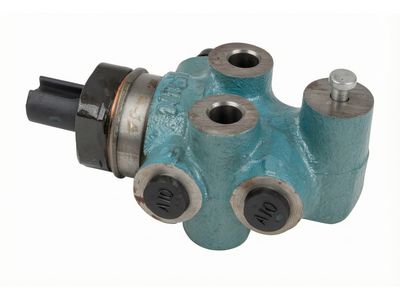
Toyota 4Runner Load Sensing Proportioning Valve Assembly
Part Number: 47910-35160$226.19 MSRP: $324.34You Save: $98.15 (31%)Ships in 1-3 Business Days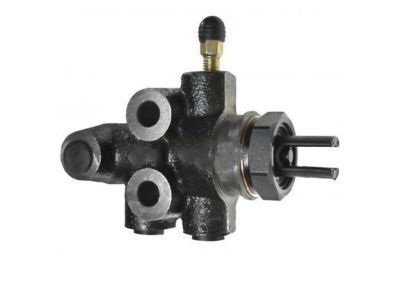
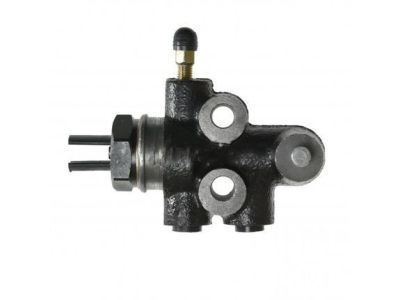
Toyota 4Runner Load Sensing Proportioning Valve Assembly
Part Number: 47910-35120$264.47 MSRP: $379.23You Save: $114.76 (31%)Ships in 1-2 Business Days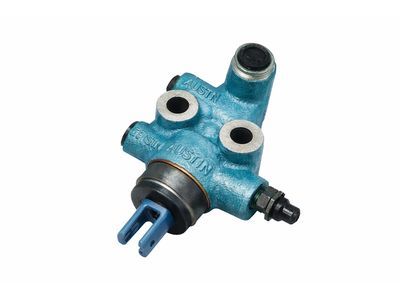
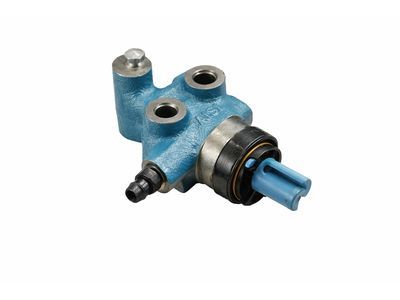
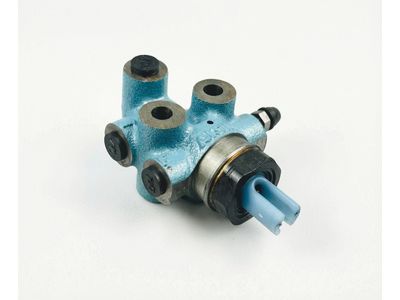
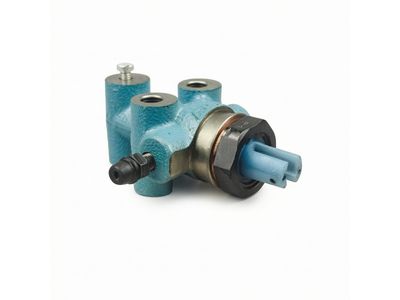
Toyota 4Runner Load Sensing Proportioning Valve Assembly
Part Number: 47910-35121$264.47 MSRP: $379.23You Save: $114.76 (31%)Ships in 1-3 Business Days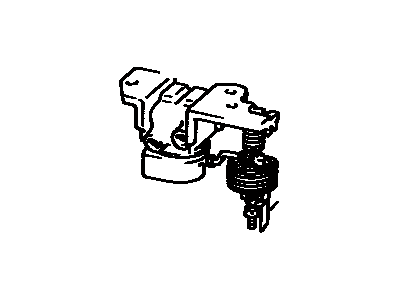
Toyota 4Runner Valve Assembly Load Sensing With Spring
Part Number: 47900-35490$396.93 MSRP: $592.14You Save: $195.21 (33%)Ships in 1-3 Business DaysToyota 4Runner Load Sensing Proportioning Valve Assembly
Part Number: 47910-35100$206.47 MSRP: $296.06You Save: $89.59 (31%)Ships in 1 Business DayToyota 4Runner Load Sensing Proportioning Valve Assembly
Part Number: 47910-26070$206.47 MSRP: $296.06You Save: $89.59 (31%)Ships in 1-3 Business DaysToyota 4Runner Load Sensing Proportioning Valve Assembly
Part Number: 47910-35190$206.47 MSRP: $296.06You Save: $89.59 (31%)Ships in 1-3 Business DaysToyota 4Runner Load Sensing Proportioning Valve Assembly
Part Number: 47910-35230$264.47 MSRP: $379.23You Save: $114.76 (31%)Ships in 1-3 Business DaysToyota 4Runner Load Sensing Proportioning Valve Assembly
Part Number: 47910-35280$244.75 MSRP: $350.95You Save: $106.20 (31%)Ships in 1-3 Business Days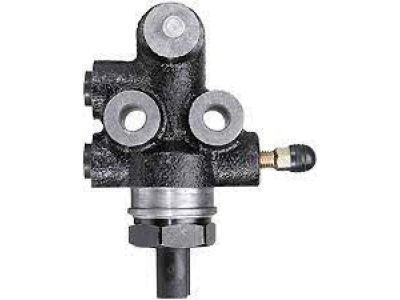
Toyota 4Runner Load Sensing Proportioning Valve Assembly
Part Number: 47910-35080$250.55 MSRP: $359.27You Save: $108.72 (31%)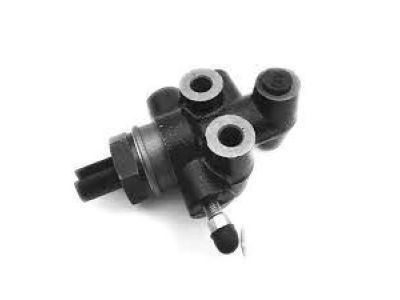
Toyota 4Runner Load Sensing Proportioning Valve Assembly
Part Number: 47910-35290$244.75 MSRP: $350.95You Save: $106.20 (31%)
| Page 1 of 2 |Next >
1-20 of 25 Results
Toyota 4Runner Brake Proportioning Valve
The Brake Proportioning Valve is used in Toyota 4Runner car models and acts as the major component of controlling forces through different lines using fluid pressure. Thus, changing the forces in each output relative to the cross-sectional areas of the areas, the valve prevents the rear drum brakes from engaging before the front disc brakes during emergency stops. This safety aspect improves the braking and general control of the car especially during an emergency stop. Hence, the Brake Proportioning Valve is specific valve responsible for the management of brake fluid pressure distribution to ensure enhanced Toyota 4Runner automobile's braking system.
If you are in demand for superior quality and affordable OEM Toyota 4Runner Brake Proportioning Valve, then shop with us! We own a wide range of the reduced-priced genuine Toyota 4Runner Brake Proportioning Valve. You can purchase in confidence as all parts come with a manufacturer's warranty. Any issues with our products? No need to worry as we have a hassle-free return policy to guide you every step of the way.
Toyota 4Runner Brake Proportioning Valve Parts Questions & Experts Answers
- Q:What is the Importance of the Brake Proportioning Valve in Trucks on Toyota 4Runner?Posted by Mirta H.A:Most of an empty truck's weight stays in front, with its center of gravity higher than on cars. As brakes work, the vehicle tilts forward onto its front tires due to its higher height and front weight, unloading the back end, which requires more hydraulic power for the front brake and less for the rear to stop wheels from locking up. The underside of trucks holds a special valve set, the LSP & BV, which detects bed cargo weight to alter front/rear brake pressure automatically. Before you work on brakes, make sure you protect your vehicle's paint job from brake fluid by putting coverings over any parts that are painted. Homeowners should not try to service the LSP & BV because it uses a specialized gauge set, but you can replace broken parts. Adjustments have to be done by a car dealership or certified repair shop. When you take out the rear axle, you must disconnect the height sensing rod from it, but make sure you keep the rod's current setting. Before working on this system, put the car up on jackstands, loosen the tube nuts at the brake line with a flare-nut wrench, move each brake line away slightly and plug them to protect against dirt, remove the bolt holding the adjustment arm to the suspension, uninstall the LSP & BV mounting bolt, and disconnect the LSP & BV from the bracket. We put the spring back to how it started, adjust the locknut until everything is in place. At the end of repair, have brake fluid drained and get the brake system checked at a dealer or repair shop specialized in working on vehicles like yours.Answered by Toyota Parts Specialist Ray / Nov 27, 2025
Related Toyota 4Runner Parts
 Toyota 4Runner Brake Master Cylinder
 Toyota 4Runner Brake Fluid Pump
 Toyota 4Runner Master Cylinder Repair Kit
Browse by Year
2001 Brake Proportioning Valve 2000 Brake Proportioning Valve 1999 Brake Proportioning Valve 1998 Brake Proportioning Valve 1997 Brake Proportioning Valve 1996 Brake Proportioning Valve 1995 Brake Proportioning Valve 1994 Brake Proportioning Valve 1993 Brake Proportioning Valve 1992 Brake Proportioning Valve 1991 Brake Proportioning Valve 1990 Brake Proportioning Valve 1989 Brake Proportioning Valve 1988 Brake Proportioning Valve 1987 Brake Proportioning Valve 1986 Brake Proportioning Valve 1985 Brake Proportioning Valve 1984 Brake Proportioning Valve