

My Garage
My Account
Cart
Genuine Toyota 4Runner Fuse
Circuit Fuse- Select Vehicle by Model
- Select Vehicle by VIN
Select Vehicle by Model
orMake
Model
Year
Select Vehicle by VIN
For the most accurate results, select vehicle by your VIN (Vehicle Identification Number).
47 Fuses found
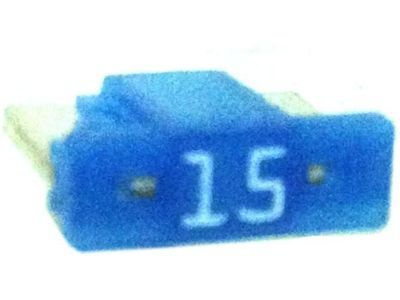

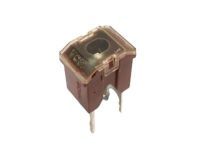
Toyota 4Runner Fuse Block
Part Number: 90982-09022$2.25 MSRP: $3.14You Save: $0.89 (29%)Ships in 1-3 Business Days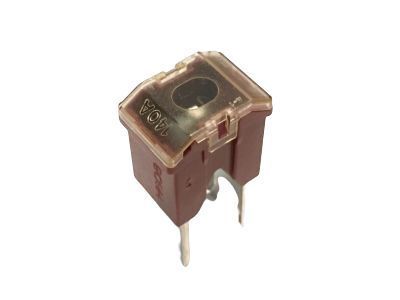
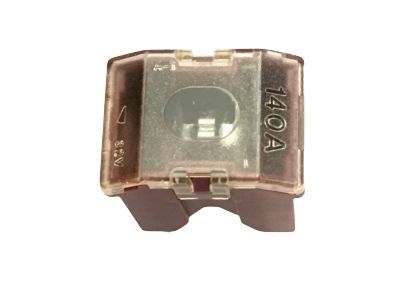
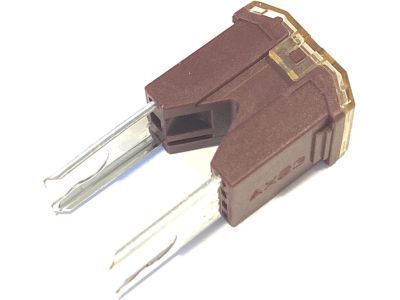
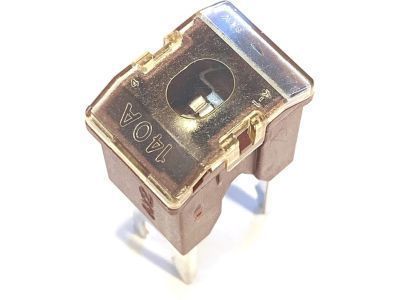
Toyota 4Runner Engine Room Fusible Link
Part Number: 90982-08286$17.60 MSRP: $24.60You Save: $7.00 (29%)Ships in 1-2 Business Days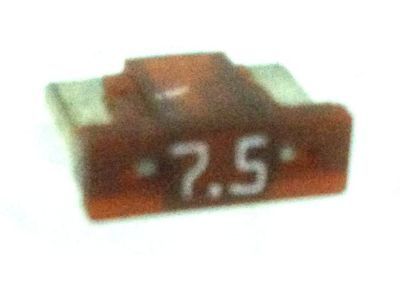
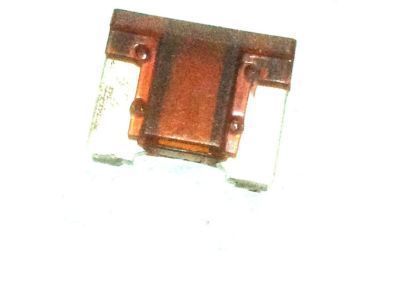
Toyota 4Runner Front Compartment Fuse
Part Number: 90982-09020$1.89 MSRP: $2.64You Save: $0.75 (29%)Ships in 1-3 Business Days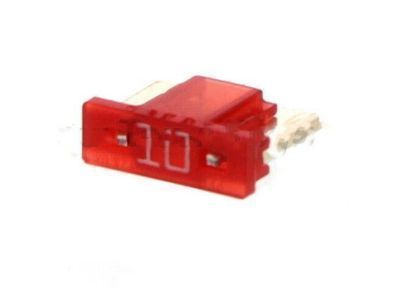
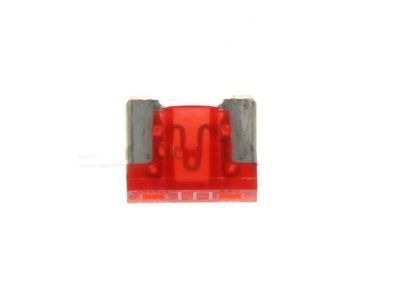
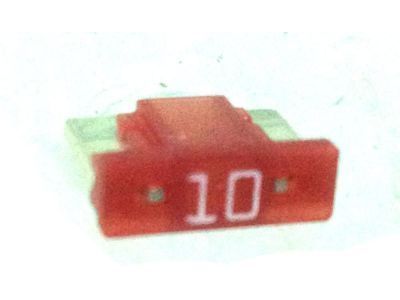
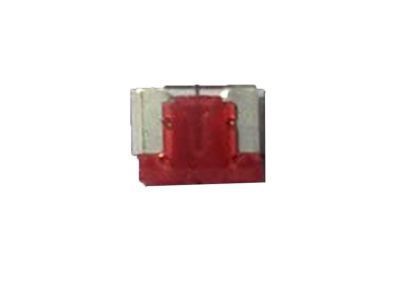

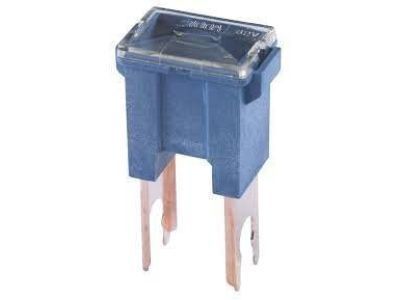
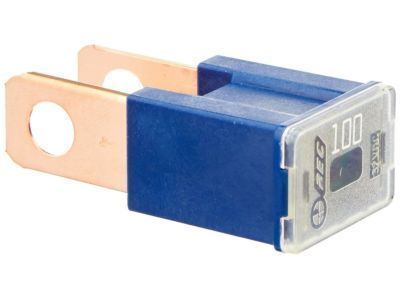
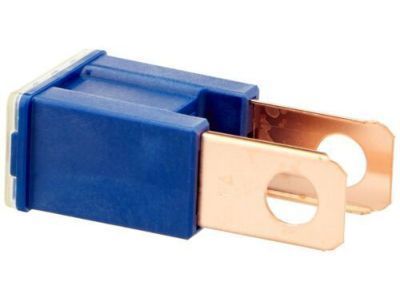

Toyota 4Runner Engine Room Fusible Link
Part Number: 90982-08246$12.13 MSRP: $16.95You Save: $4.82 (29%)Ships in 1-3 Business Days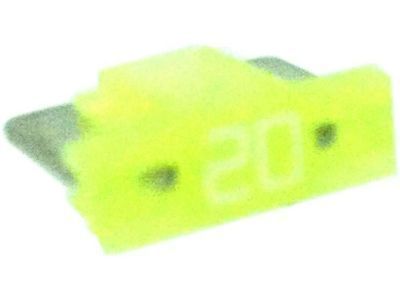
Toyota 4Runner Fuse, Mini
Part Number: 90982-09023$1.89 MSRP: $2.64You Save: $0.75 (29%)Ships in 1-3 Business Days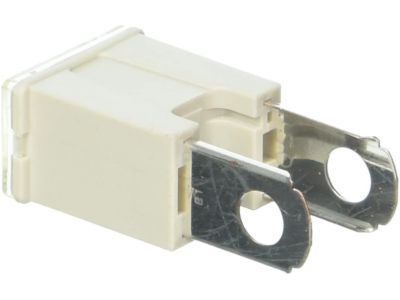
Toyota 4Runner Engine Room Fusible Link
Part Number: 90982-08274$18.20 MSRP: $25.43You Save: $7.23 (29%)Ships in 1 Business Day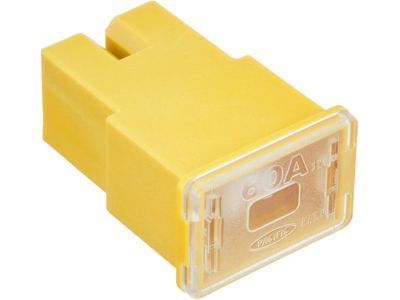
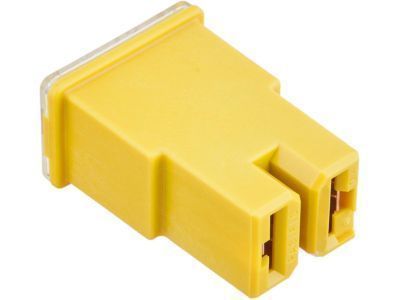

Toyota 4Runner Fusible Link
Part Number: 90982-08190$16.17 MSRP: $22.61You Save: $6.44 (29%)Ships in 1-3 Business Days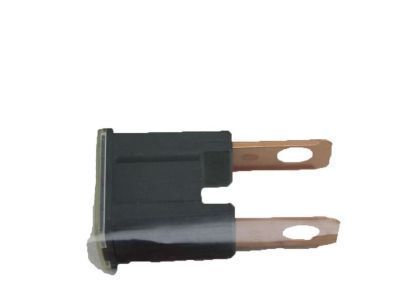
Toyota 4Runner Engine Room Fusible Link
Part Number: 90982-08203$12.13 MSRP: $16.95You Save: $4.82 (29%)Ships in 1-3 Business Days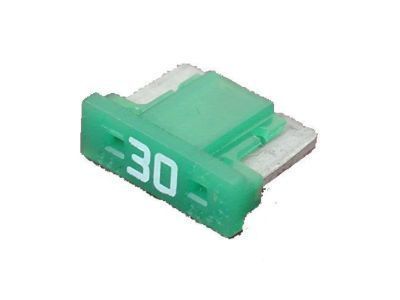
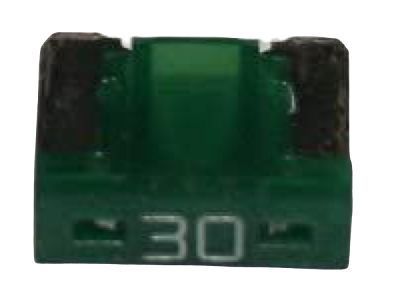
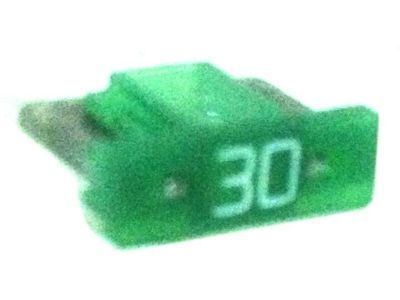
Toyota 4Runner Fuse, Mini
Part Number: 90982-09025$1.54 MSRP: $2.15You Save: $0.61 (29%)Ships in 1-3 Business Days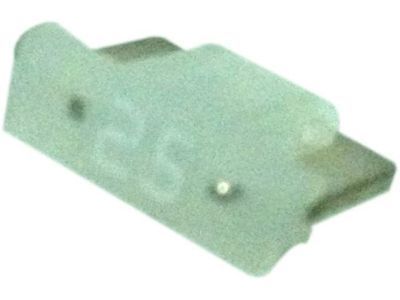
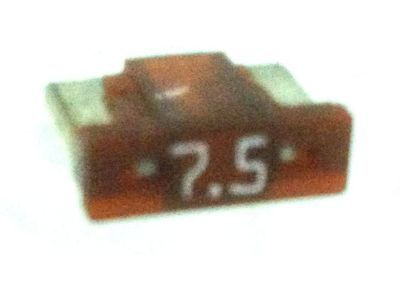
Toyota 4Runner Fuse, Mini
Part Number: 90982-09024$2.25 MSRP: $3.14You Save: $0.89 (29%)Ships in 1-3 Business Days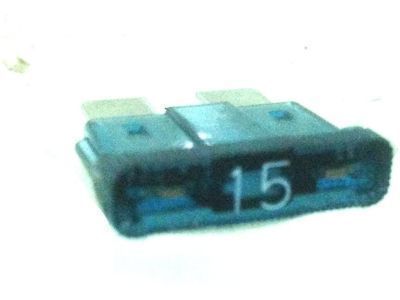
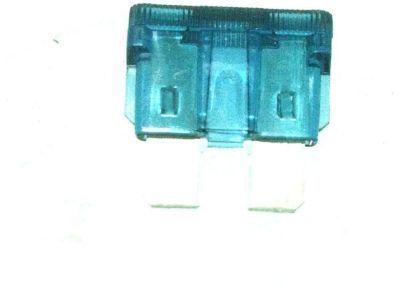
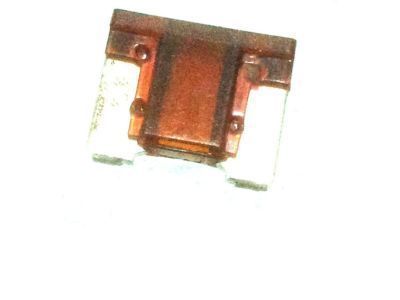

Toyota 4Runner Fuse Block
Part Number: 90982-09003$1.89 MSRP: $2.64You Save: $0.75 (29%)Ships in 1-2 Business Days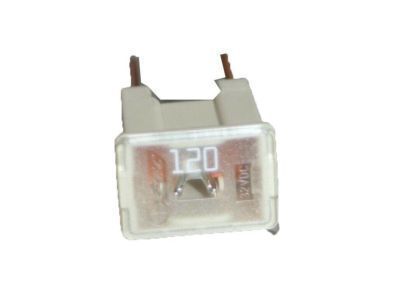
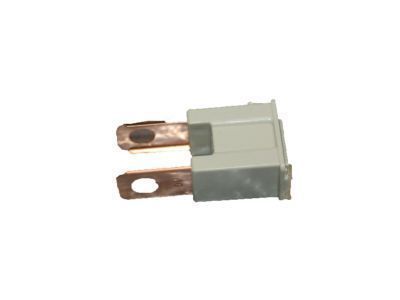
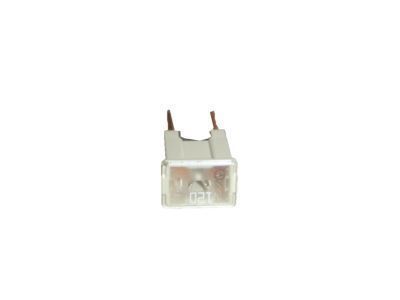

Toyota 4Runner Engine Room Fusible Link
Part Number: 90982-08254$15.58 MSRP: $21.77You Save: $6.19 (29%)Ships in 1-3 Business Days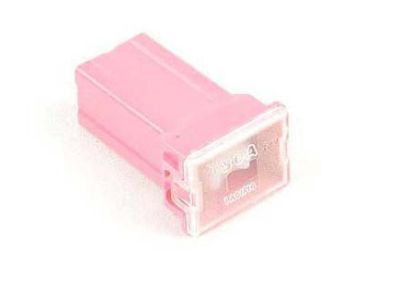
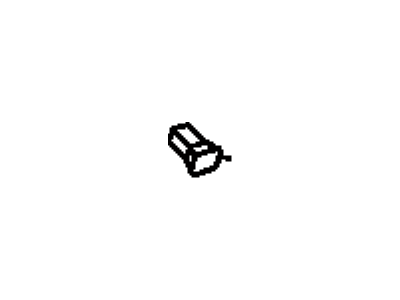
Toyota 4Runner Fuse, Medium Current
Part Number: 90982-10001$4.75 MSRP: $6.63You Save: $1.88 (29%)Ships in 1-2 Business Days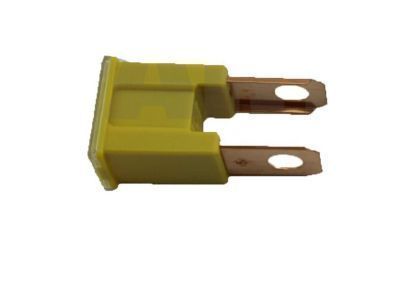

Toyota 4Runner Fusible Link
Part Number: 90982-08202$15.22 MSRP: $21.27You Save: $6.05 (29%)Ships in 1-2 Business Days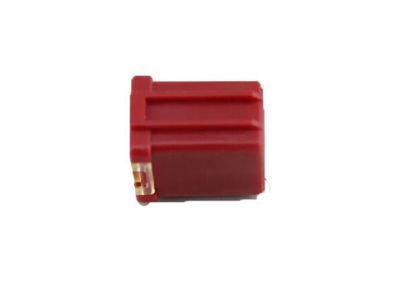
Toyota 4Runner Engine Room Fusible Link
Part Number: 90982-08296$14.51 MSRP: $20.28You Save: $5.77 (29%)Ships in 1-3 Business Days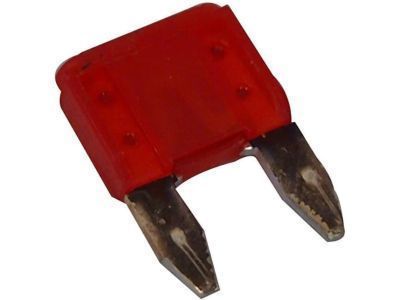

Toyota 4Runner Fuse, Fuse Block
Part Number: 90982-09009$2.13 MSRP: $2.98You Save: $0.85 (29%)Ships in 1-3 Business Days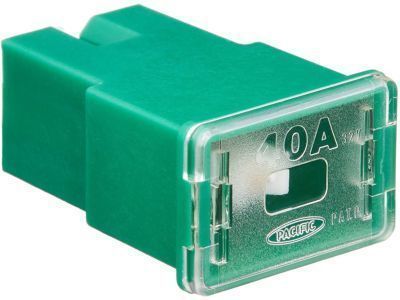
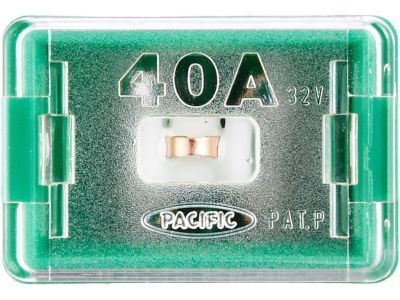
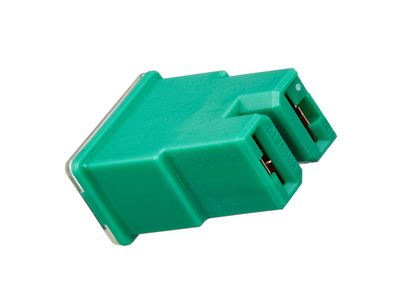
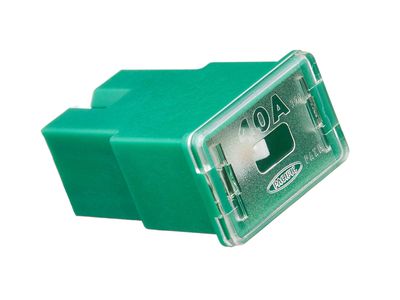

Toyota 4Runner Fusible Link
Part Number: 90982-08189$13.32 MSRP: $18.61You Save: $5.29 (29%)Ships in 1-3 Business Days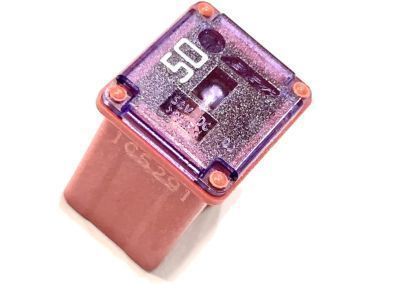
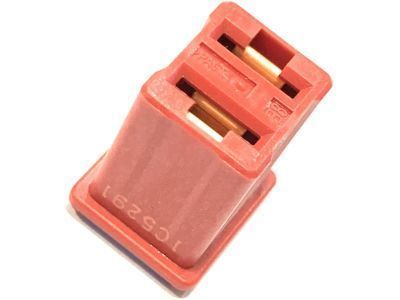
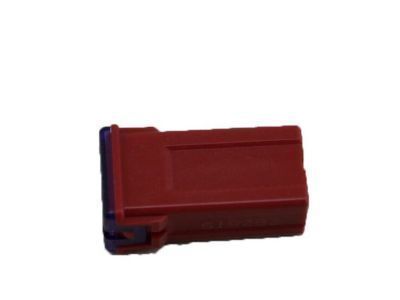

Toyota 4Runner Engine Room Fusible Link
Part Number: 90982-08285$16.05 MSRP: $22.44You Save: $6.39 (29%)Ships in 1 Business Day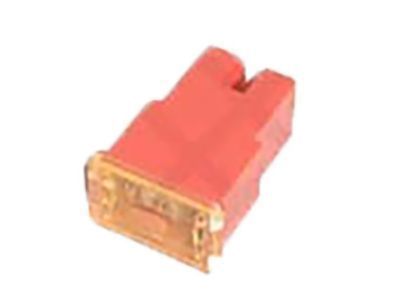

Toyota 4Runner Fusible Link
Part Number: 90982-08188$6.89 MSRP: $9.63You Save: $2.74 (29%)Ships in 1-3 Business Days
| Page 1 of 3 |Next >
1-20 of 47 Results
Toyota 4Runner Fuse
The Fuse in a Toyota 4Runner acts as a guardian for the electrical elements of the vehicle. In the event of an excessive electrical current, the Fuse will immediately blow out and stop the dangerous current from reaching electrical components that may damage these components. Each Fuse that you will see in a plastic block usually located on the top right of the engine bay links battery power to items like the radio, lights, GPS, and horn. When a device draws too much power, an excessive current heats the metal strip inside the Fuse, which opens the circuit. As a result, the relay and device are protected from damage. A quick test light check on both sides of a Fuse can pinpoint the failure, and swapping in an identical amperage, size, and color unit can restore function within minutes. Over the years, the Toyota SUV has applied mainly blade style Fuses that are available in low-profile mini, mini, regular, and maxi forms. These Fuses share plug-in legs but differ in physical scale and current range. However, in older models, uniform-diameter glass tube Fuses were applied that were more common before 1981. The blade versions also use about 20 different colors to assist the driver in matching ratings at a glance, a useful feature lacking with the old glass model. Regular inspection keeps Toyota reliability high, along with the 4Runner electronics alive wherever the 4Runner goes.
If you are in demand for superior quality and affordable OEM Toyota 4Runner Fuse, then shop with us! We own a wide range of the reduced-priced genuine Toyota 4Runner Fuse. You can purchase in confidence as all parts come with a manufacturer's warranty. Any issues with our products? No need to worry as we have a hassle-free return policy to guide you every step of the way.
Toyota 4Runner Fuse Parts Questions & Experts Answers
- Q:How are the electrical circuits protected, and how to check and replace fuses and fusible links on 2003 through 2009 Toyota 4Runner?Posted by Ashkan M.A:protecting the electrical circuits of the vehicle are fuses, circuit breakers, and fusible links; the engine; compartment fuse and relay are mounted over the battery on the driver side and the passenger compartment fuse and relay box is located in the left end of the instrument panel behind a removable trim panel. Every fuse is intended for a certain circuit and mini fuses with blade terminal kind increase the possibility of removal and exertion of new fuses. Using a test light to make sure power at the exposed terminal lips; if power is good on one side and bad on the other, the fuse is blown, which can be further confirmed by observation. Specific details include replacing a blown fuse of a particular circuit with another fuse of the same kind, with the use of fuses of different ratings is dangerous to the circuit. Because when a new fuse goes in and blows as soon as it is put in it might be a sign of wiring problems, typically a short these should be corrected before replacing the fuse. Some of the circuits contain fusible links usually thick- gauged wire which melts when current exceeds the design limit, when affected one has to cut off the link and splice in a new link. Furthermore some fusible links appear as rather large fuses and can be replaced by removing a variety of the negative battery cable and putting a new one in the same amperage as the link.Answered by Toyota Parts Specialist Ken / Feb 22, 2025
Related Toyota 4Runner Parts


Browse by Year
2024 Fuse 2023 Fuse 2022 Fuse 2021 Fuse 2020 Fuse 2019 Fuse 2018 Fuse 2017 Fuse 2016 Fuse 2015 Fuse 2014 Fuse 2013 Fuse 2012 Fuse 2011 Fuse 2010 Fuse 2009 Fuse 2008 Fuse 2007 Fuse 2006 Fuse 2005 Fuse 2004 Fuse 2003 Fuse 2002 Fuse 2001 Fuse 2000 Fuse 1999 Fuse 1998 Fuse 1997 Fuse 1996 Fuse 1995 Fuse 1994 Fuse 1993 Fuse 1992 Fuse 1991 Fuse 1990 Fuse 1989 Fuse 1988 Fuse 1987 Fuse 1986 Fuse 1985 Fuse 1984 Fuse