

My Garage
My Account
Cart
Genuine Toyota Corolla Bumper
Bumper Fascia- Select Vehicle by Model
- Select Vehicle by VIN
Select Vehicle by Model
orMake
Model
Year
Select Vehicle by VIN
For the most accurate results, select vehicle by your VIN (Vehicle Identification Number).
106 Bumpers found
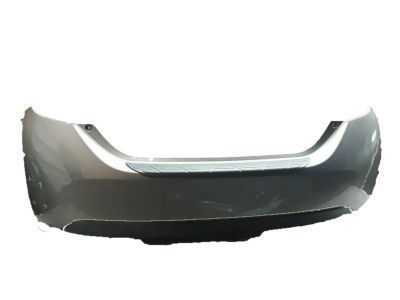
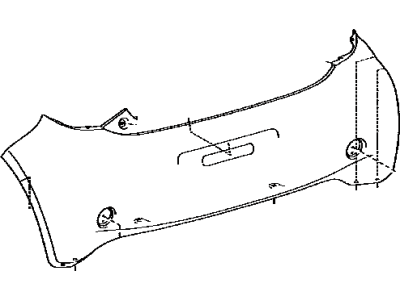
Toyota Corolla Cover Rear Bumper Left
Part Number: 52159-03901$210.76 MSRP: $302.22You Save: $91.46 (31%)Ships in 1-3 Business Days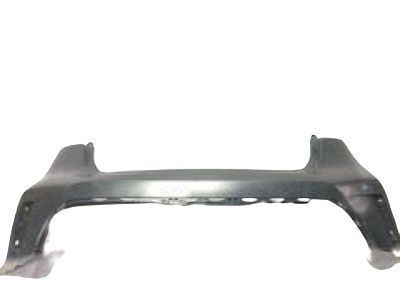
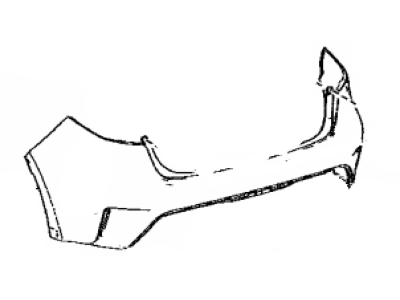
Toyota Corolla Cover Rear Bumper Left
Part Number: 52159-0X927$150.10 MSRP: $213.39You Save: $63.29 (30%)Ships in 1-3 Business Days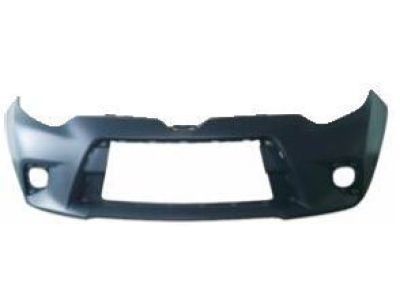
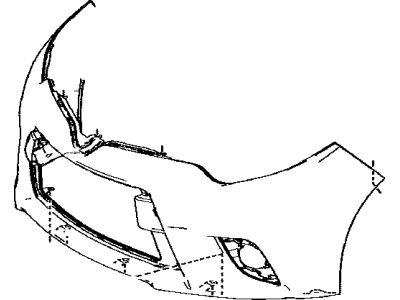
Toyota Corolla Front Bumper L Cover
Part Number: 52119-03904$195.91 MSRP: $280.92You Save: $85.01 (31%)Ships in 1-3 Business Days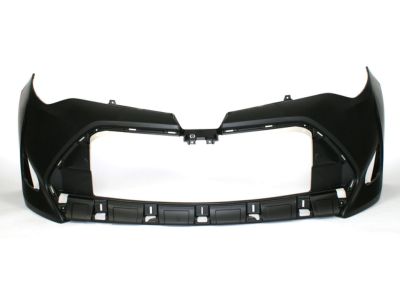
Toyota Corolla Front Bumper L/C Cover
Part Number: 52119-03907$204.84 MSRP: $293.73You Save: $88.89 (31%)Ships in 1-3 Business Days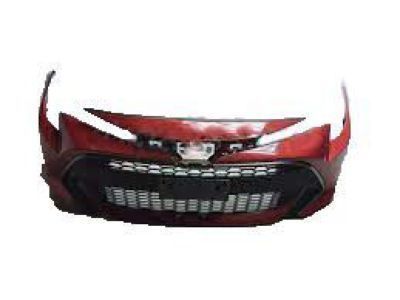
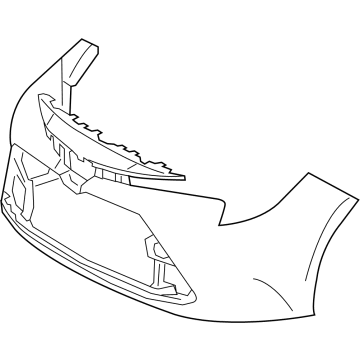
Toyota Corolla Front Bumper Cover
Part Number: 52119-12998$149.75 MSRP: $212.89You Save: $63.14 (30%)Ships in 1-3 Business Days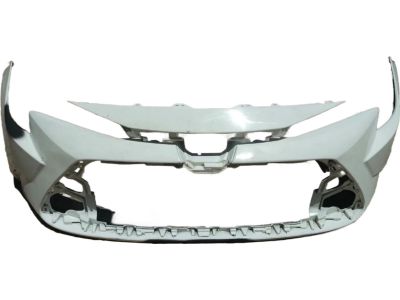
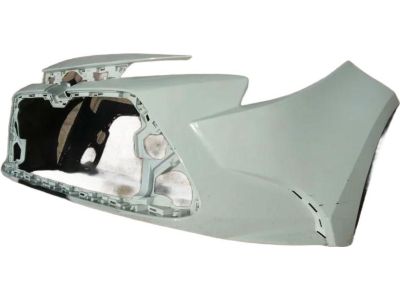
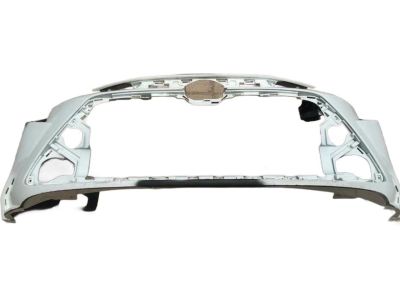
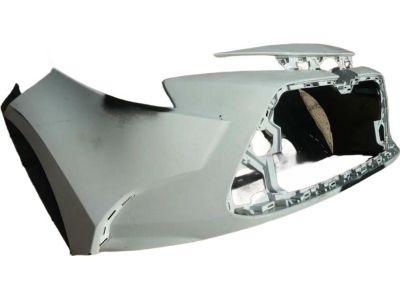
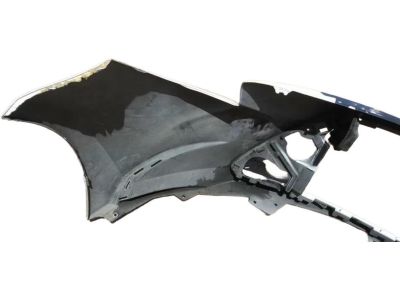
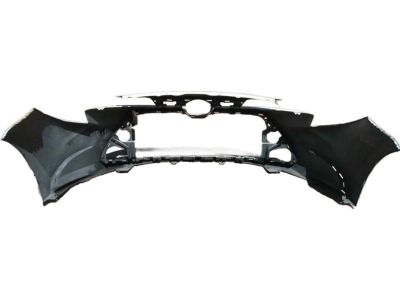
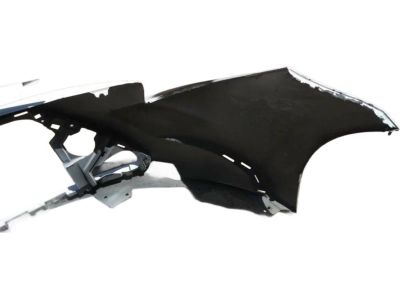
Toyota Corolla Front Bumper Cover
Part Number: 52119-F2941$149.75 MSRP: $212.89You Save: $63.14 (30%)Ships in 1-3 Business Days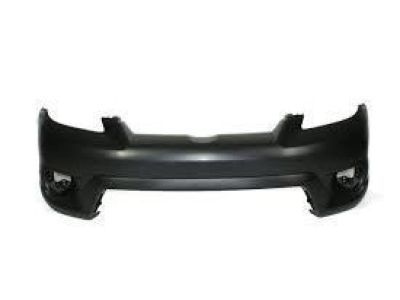
Toyota Corolla Front Bumper L/C Cover
Part Number: 52119-03906$195.91 MSRP: $280.92You Save: $85.01 (31%)Ships in 1-3 Business Days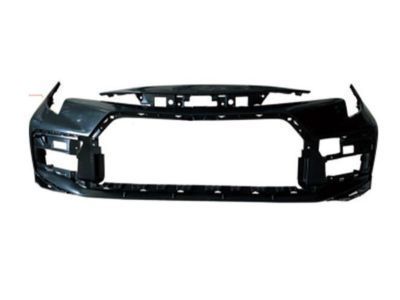
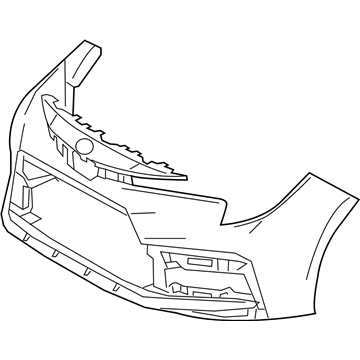
Toyota Corolla Cover, Fr BUMPER. L
Part Number: 52119-F2922$149.98 MSRP: $213.23You Save: $63.25 (30%)Ships in 1-2 Business Days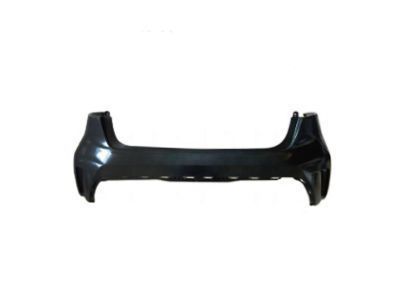
Toyota Corolla Cover Rear Bumper Left
Part Number: 52159-12960$150.10 MSRP: $213.39You Save: $63.29 (30%)Ships in 1-3 Business Days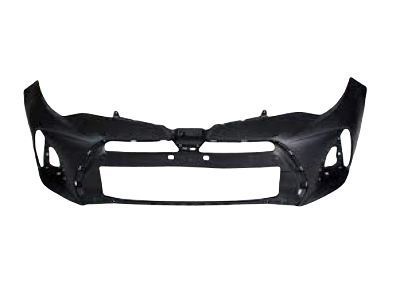
Toyota Corolla Front Bumper L/C Cover
Part Number: 52119-03908$204.84 MSRP: $293.73You Save: $88.89 (31%)Ships in 1-3 Business Days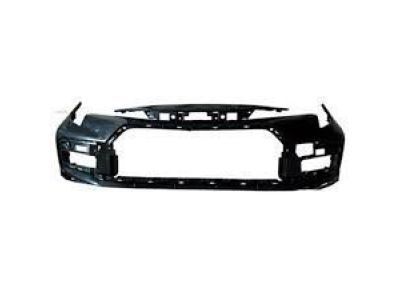
Toyota Corolla Front Bumper Cover
Part Number: 52119-12999$146.36 MSRP: $208.07You Save: $61.71 (30%)Ships in 1-3 Business Days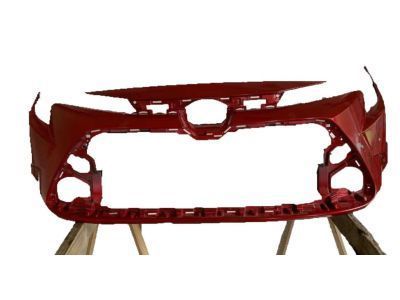
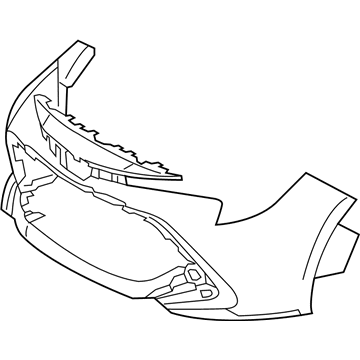
Toyota Corolla Front Bumper L/P Cover
Part Number: 52119-12994$153.61 MSRP: $218.38You Save: $64.77 (30%)Ships in 1-3 Business Days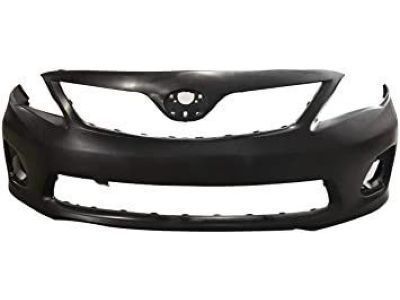
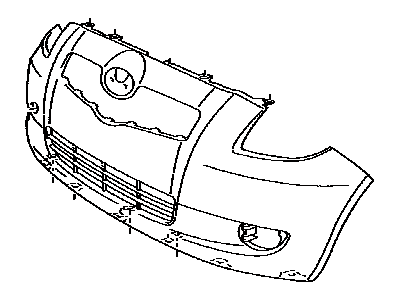
Toyota Corolla Front Bumper L Cover
Part Number: 52119-03902$215.63 MSRP: $309.20You Save: $93.57 (31%)Ships in 1-3 Business Days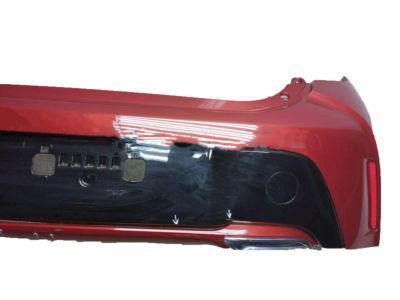
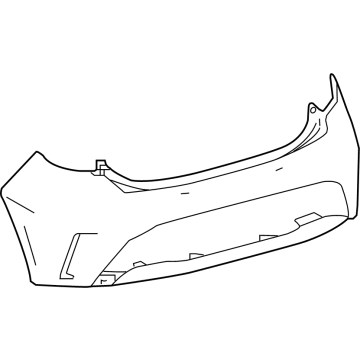
Toyota Corolla Cover, Rr Bumper W/M
Part Number: 52159-12962$214.82 MSRP: $308.04You Save: $93.22 (31%)Ships in 1-3 Business Days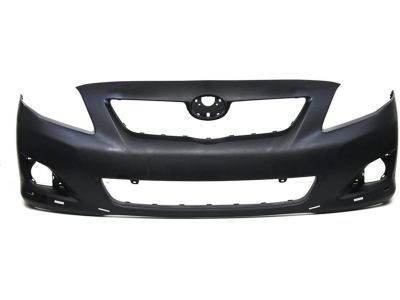
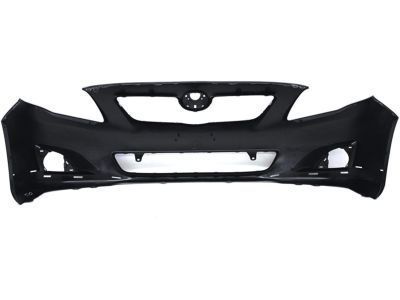
Toyota Corolla Front Bumper Cover
Part Number: 52119-02989$242.54 MSRP: $347.79You Save: $105.25 (31%)Ships in 1-3 Business Days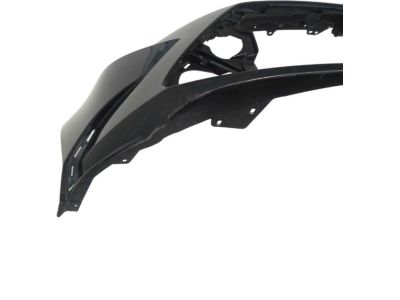
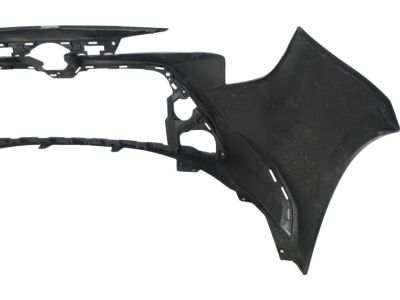
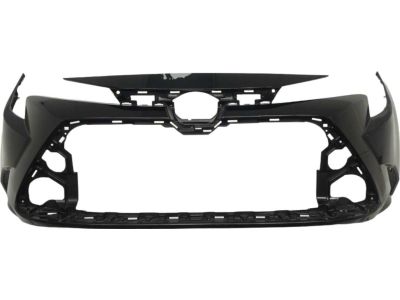
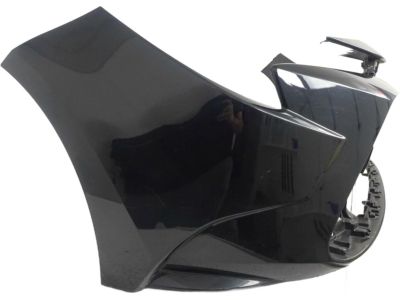
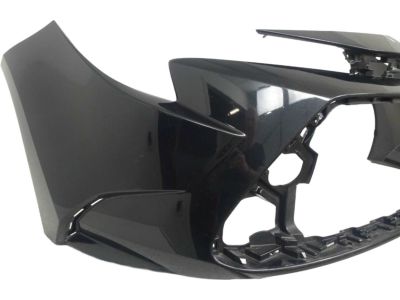
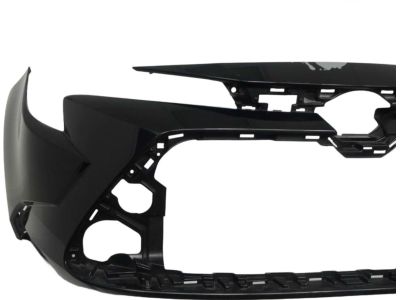
Toyota Corolla Cover, Fr Bumper, L
Part Number: 52119-F2921$149.75 MSRP: $212.89You Save: $63.14 (30%)Ships in 1-3 Business Days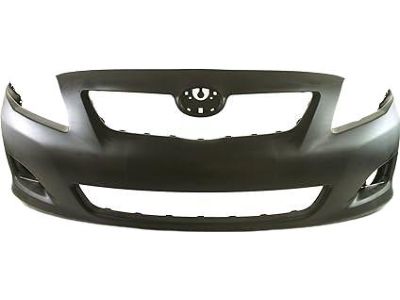
Toyota Corolla Front Bumper Cover
Part Number: 52119-02990$242.54 MSRP: $347.79You Save: $105.25 (31%)Ships in 1-3 Business DaysToyota Corolla Front Bumper L Cover
Part Number: 52119-03901$215.63 MSRP: $309.20You Save: $93.57 (31%)Ships in 1-3 Business Days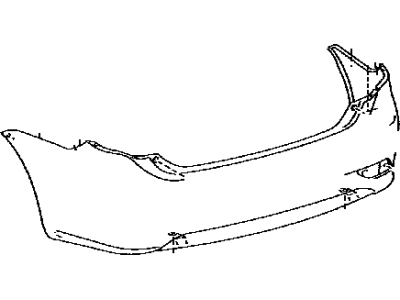
Toyota Corolla Cover, Rear Bumper L/C
Part Number: 52159-12941$222.48 MSRP: $319.02You Save: $96.54 (31%)Ships in 1-3 Business Days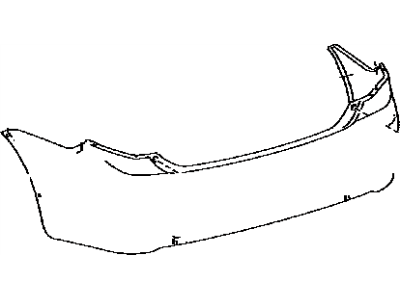
Toyota Corolla Cover, Rear Bumper L/C
Part Number: 52159-02978$231.06 MSRP: $331.32You Save: $100.26 (31%)Ships in 1-3 Business Days
| Page 1 of 6 |Next >
1-20 of 106 Results
Toyota Corolla Bumper
The Toyota Corolla Bumper acts as the first barrier when there is a light impact. It protects the body and everyone inside. This shield, which is mounted at the two ends, causes the impact of parking bumps and low-speed shunts to be absorbed. Thus, this removes the cost of panel repairs due to these impacts. It does this by providing a durable plastic shell and combining it with foam or honeycomb inserts on the inside, which crumple on impact. In previous generations, the Bumper was made of heavier chrome-plated steel, but when it changed to molded thermoplastic, it became lighter. This applied a semi-rigid material that would flex rather than bend. So, after minor scrapes, the Bumper would return to shape. Subsequent models retained the plastic coating but improved the concealed crash bar and energy absorbers, resulting in a Bumper compliant with stricter safety regulations that are nevertheless economical to replace if cracked. Over the decades, Toyota balanced strength and style so that every Corolla from compact sedans to hatchbacks sports a Bumper designed to blend smoothly with the grille and tailgate lines. Using a genuine Toyota panel for prompt replacement keeps a Corolla looking sharp and restores the full protective promise of the Bumper.
If you are in demand for superior quality and affordable OEM Toyota Corolla Bumper, then shop with us! We own a wide range of the reduced-priced genuine Toyota Corolla Bumper. You can purchase in confidence as all parts come with a manufacturer's warranty. Any issues with our products? No need to worry as we have a hassle-free return policy to guide you every step of the way.
Toyota Corolla Bumper Parts Questions & Experts Answers
- Q:How to remove and install the front and rear bumpers on Toyota Corolla?A:To remove the front bumper, first apply the parking brake, raise the vehicle, and support it securely on jackstands. Disconnect the negative battery cable followed by the positive battery cable, then wait two minutes before proceeding. For models with fog lights, disconnect the electrical connectors at the fog lights on the back of the bumper fascia. Detach the screws or pushpins securing the bumper cover at the top, bottom, and sides, and remove the fasteners and inner fenderwell liner. From below, remove the screws and plastic pins securing the bumper cover, as well as the two screws at either side of the grille that also secure the bumper cover. Use a small screwdriver to pop the center button up on the plastic fasteners without removing the center buttons themselves. Ensure all fasteners are located and removed before attempting to take off the cover. If replacing the bumper beam, remove the nuts and pull the beam off its mounts. Installation is the reverse of removal, ensuring the tabs on the back of the bumper cover fit into the corresponding clips on the body before attaching bolts and screws, with an assistant being helpful. For the rear bumper, work under the vehicle to detach the plastic clips and screws securing the lower edge of the bumper cover. In the rear fenderwells, remove the fasteners securing the rear of the fenderwell liner, pull back the liner, and remove the screw securing the front edge of the bumper cover to the fenderwell. Remove the fasteners securing the bumper cover in each corner inside the trunk and those behind the rear trunk trim panel by prying out the plastic fasteners and removing the left and right side trim panels in the trunk. Use a socket and extension to remove the rear bumper cover mounting nuts through the body holes, accessing these fasteners by pulling up the trunk mat and using a trim tool to release the clips securing the rear trunk trim panel and the left and right rear corner panels. Installation is the reverse of removal.
Related Toyota Corolla Parts
 Toyota Corolla Emblem
 Toyota Corolla Headlight
 Toyota Corolla Wheelhouse
 Toyota Corolla HVAC Pressure Switch
 Toyota Corolla License Plate
 Toyota Corolla Fender
 Toyota Corolla A/C Accumulator
 Toyota Corolla Engine Cover
 Toyota Corolla Spoiler
 Toyota Corolla Sunroof
Browse by Year
2024 Bumper 2023 Bumper 2022 Bumper 2021 Bumper 2020 Bumper 2019 Bumper 2018 Bumper 2017 Bumper 2016 Bumper 2015 Bumper 2014 Bumper 2013 Bumper 2012 Bumper 2011 Bumper 2010 Bumper 2009 Bumper 2008 Bumper 2007 Bumper 2006 Bumper 2005 Bumper 2004 Bumper 2003 Bumper 2002 Bumper 2001 Bumper 2000 Bumper 1999 Bumper 1998 Bumper 1997 Bumper 1996 Bumper 1995 Bumper 1994 Bumper 1993 Bumper 1992 Bumper 1991 Bumper 1990 Bumper 1989 Bumper 1988 Bumper 1987 Bumper 1986 Bumper 1985 Bumper 1984 Bumper 1983 Bumper 1982 Bumper 1981 Bumper 1979 Bumper 1978 Bumper 1977 Bumper 1976 Bumper 1975 Bumper