

My Garage
My Account
Cart
Genuine Toyota Land Cruiser Vapor Canister
Fuel Vapor Canister- Select Vehicle by Model
- Select Vehicle by VIN
Select Vehicle by Model
orMake
Model
Year
Select Vehicle by VIN
For the most accurate results, select vehicle by your VIN (Vehicle Identification Number).
18 Vapor Canisters found
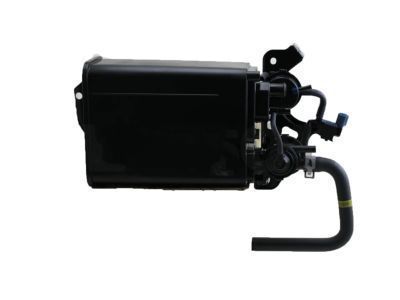
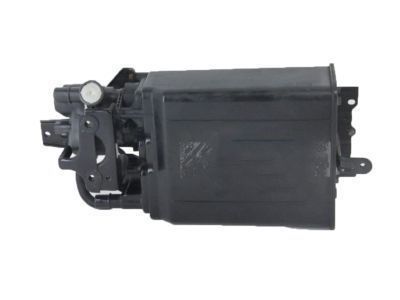
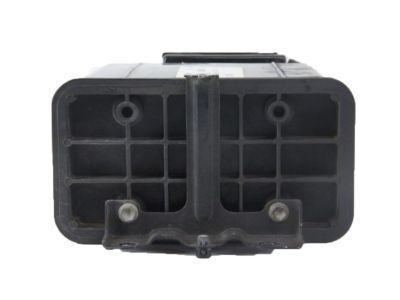
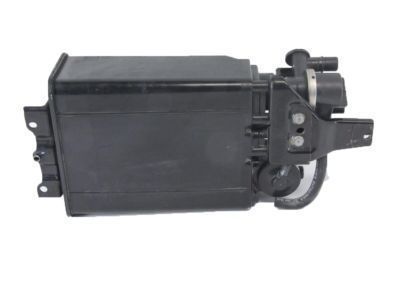
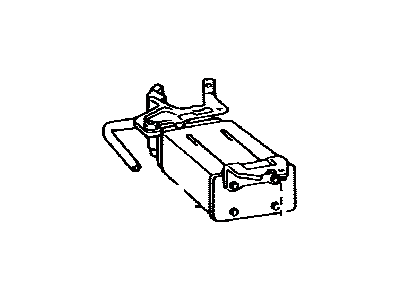
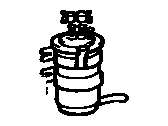
Toyota Land Cruiser Charcoal Canister Assembly
Part Number: 77740-60440$340.80 MSRP: $488.68You Save: $147.88 (31%)Ships in 1-3 Business Days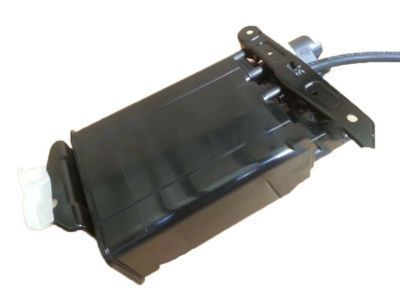
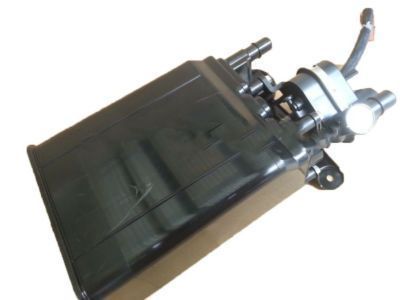
Toyota Land Cruiser Charcoal Canister Assembly
Part Number: 77740-60450$719.52 MSRP: $1074.35You Save: $354.83 (34%)Ships in 1-3 Business Days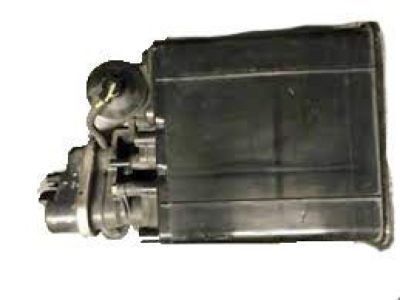
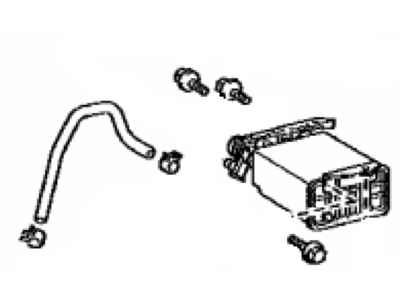
Toyota Land Cruiser Canister Canister Assembly
Part Number: 77740-60471$596.31 MSRP: $890.38You Save: $294.07 (34%)Ships in 1-2 Business Days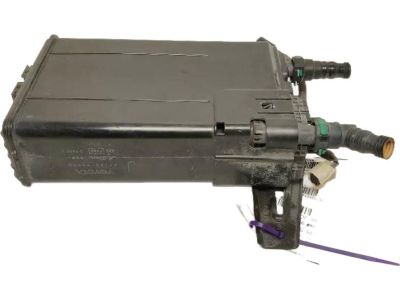
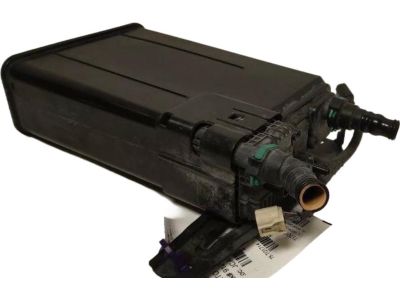
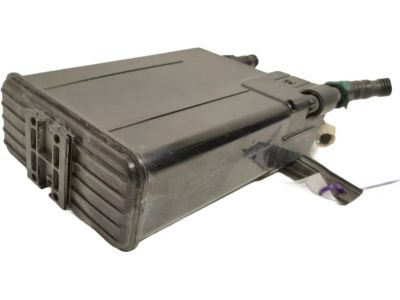
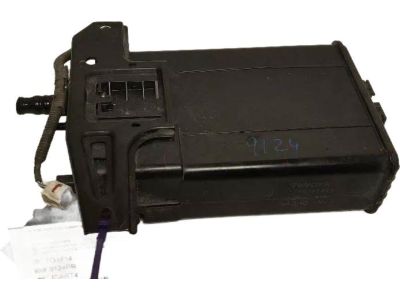
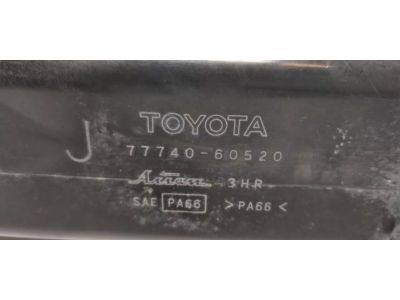
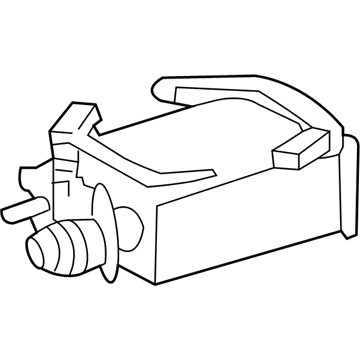
Toyota Land Cruiser Canister Canister Assembly
Part Number: 77740-60520$461.15 MSRP: $687.95You Save: $226.80 (33%)Ships in 1-3 Business Days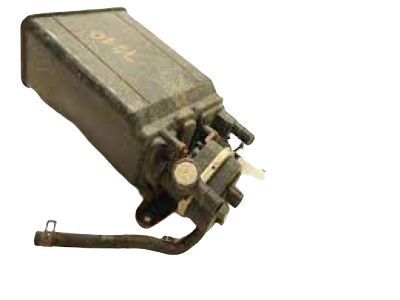
Toyota Land Cruiser Charcoal Canister Assembly
Part Number: 77740-60470$596.31 MSRP: $890.38You Save: $294.07 (34%)Ships in 1-3 Business Days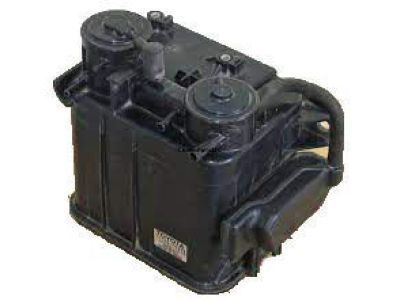
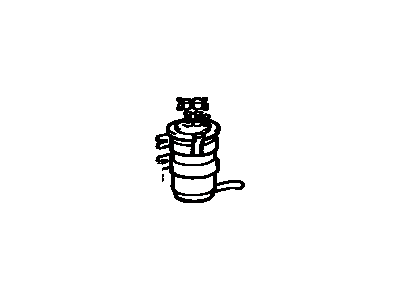
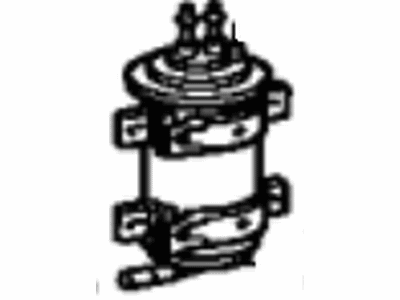
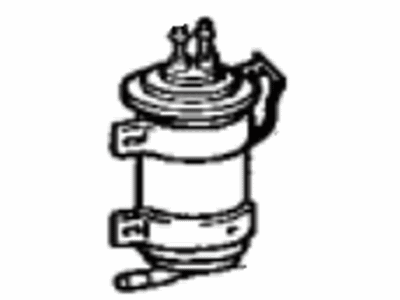

Toyota Land Cruiser Vapor Canister
The Vapor Canister in Toyota Land Cruiser is located between the Engine compartment and the passenger's body and is very important in the Evaporative emissions control (EVAP) that has been put in place to ensure that hydrocarbon vapors do not give out fumes to the atmosphere. It works by having a carbon canister made of activated charcoal, where fuel vapors are stored hence adsorbed. In operation of the engine, a purge valve is opened to let a flow of air through a stored mixture of vapors for the engine to burn. Depending on the model of the Land Cruiser and the year it was manufactured, different styles of vapor canisters were used In current model OBD II vehicles, additional advanced componentry for leak detection that is included is a canister vent solenoid and fuel tank pressure sensor. These improvements enable improved surveillance of the system's integrity so that any cracks are detected and fixed in good time.
If you are in demand for superior quality and affordable OEM Toyota Land Cruiser Vapor Canister, then shop with us! We own a wide range of the reduced-priced genuine Toyota Land Cruiser Vapor Canister. You can purchase in confidence as all parts come with a manufacturer's warranty. Any issues with our products? No need to worry as we have a hassle-free return policy to guide you every step of the way.
Toyota Land Cruiser Vapor Canister Parts Questions & Experts Answers
- Q:How to Inspect and Replace the Vapor Canister on a Toyota Land Cruiser?A:This system is committed to collect and retain those fuel which vaporize from the fuel tank, throttle body, as well as intake manifold, so that hydrocarbon emission cannot be discharged into the air. The EVAP system consists of a canister with charcoal, connected hoses, Temperature Vacuum Valve, Vacuum Control Valve, Vacuum Switching Valve, and a check valve. Carbonated fuels are contained in the canister when the engine is not on and is released in combustion when the engine is on. The new charcoal canister has the check valve with three check balls that open and close the passagages depending on the fuel tank pressure and running conditions. Some of the problems include poor idle, stalling and driveability problems which may be as a result of an in-operative check valve, damaged canister or faulty hoses. There might be smells of fuel or any form of fuel loss, and this may be as a result of fuel lines or the canister and so there is need to check for eased or cracked hoses. Any leakage of fuel in the canister has to be replaced, or if the filter is blocked or the check valve stuck, one should check if there is airflow in the canister. The proper functioning of the Temperature Vacuum Valve should be confirmed with the help of checking the air flow at various temperatures of the engine and replace it if required. For canister replacement, there is the need to remove the vacuum hoses and label them, remove the mounting bolts of some canister models and disconnect other hoses and for the new canister put it in a reverse order.
Related Toyota Land Cruiser Parts
 Toyota Land Cruiser PCV Valve
 Toyota Land Cruiser PCV Hose
 Toyota Land Cruiser Canister Purge Valve
 Toyota Land Cruiser Vapor Pressure Sensor
Browse by Year
2021 Vapor Canister 2020 Vapor Canister 2019 Vapor Canister 2018 Vapor Canister 2017 Vapor Canister 2016 Vapor Canister 2015 Vapor Canister 2014 Vapor Canister 2013 Vapor Canister 2012 Vapor Canister 2011 Vapor Canister 2010 Vapor Canister 2009 Vapor Canister 2008 Vapor Canister 2007 Vapor Canister 2006 Vapor Canister 2005 Vapor Canister 2004 Vapor Canister 2003 Vapor Canister 2002 Vapor Canister 2001 Vapor Canister 2000 Vapor Canister 1999 Vapor Canister 1998 Vapor Canister 1997 Vapor Canister 1996 Vapor Canister 1995 Vapor Canister 1994 Vapor Canister 1993 Vapor Canister 1992 Vapor Canister 1991 Vapor Canister 1990 Vapor Canister 1989 Vapor Canister 1988 Vapor Canister 1986 Vapor Canister 1985 Vapor Canister 1984 Vapor Canister 1983 Vapor Canister 1982 Vapor Canister 1981 Vapor Canister 1980 Vapor Canister 1979 Vapor Canister 1978 Vapor Canister 1977 Vapor Canister 1976 Vapor Canister 1975 Vapor Canister 1974 Vapor Canister 1973 Vapor Canister 1972 Vapor Canister 1971 Vapor Canister