My Garage
My Account
Cart
Genuine Toyota Prius Fuse
Circuit Fuse- Select Vehicle by Model
- Select Vehicle by VIN
Select Vehicle by Model
orMake
Model
Year
Select Vehicle by VIN
For the most accurate results, select vehicle by your VIN (Vehicle Identification Number).
42 Fuses found

Toyota Prius Fuse Block
Part Number: 90982-09022$2.25 MSRP: $3.14You Save: $0.89 (29%)Ships in 1-3 Business Days
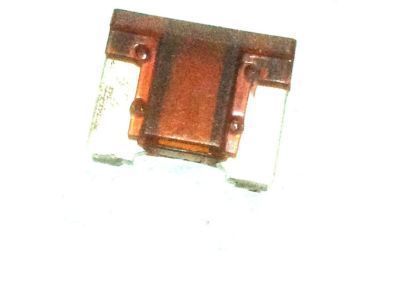
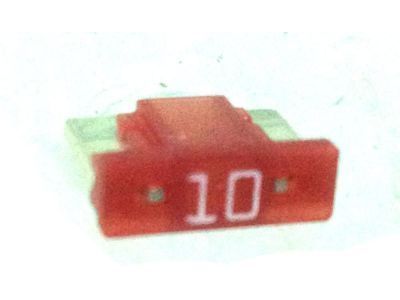
Toyota Prius Front Compartment Fuse
Part Number: 90982-09020$1.89 MSRP: $2.64You Save: $0.75 (29%)Ships in 1-3 Business Days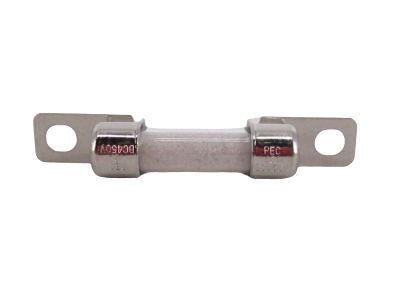
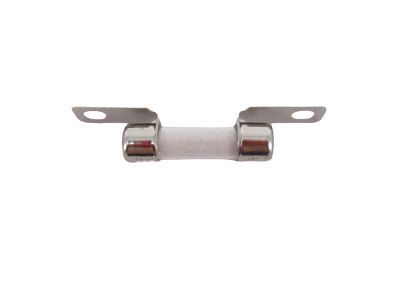
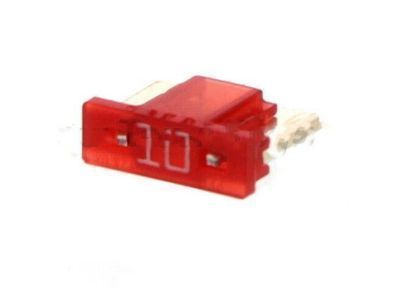
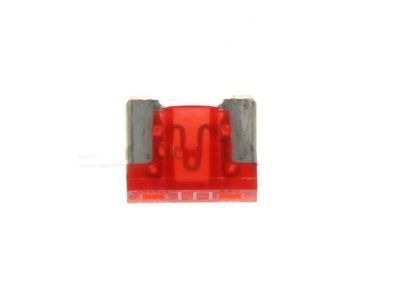

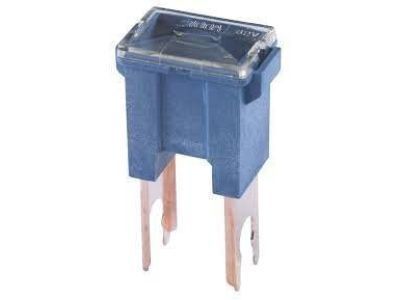
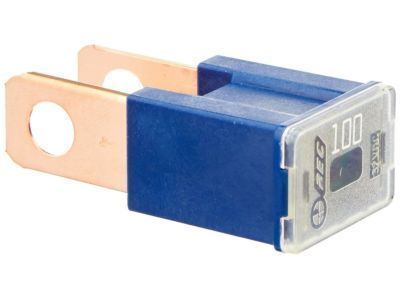
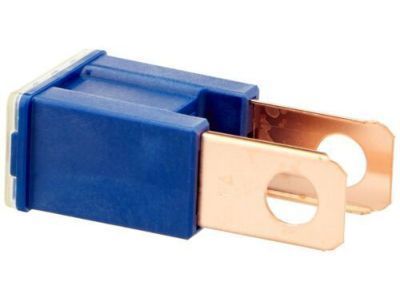

Toyota Prius Engine Room Fusible Link
Part Number: 90982-08246$12.13 MSRP: $16.95You Save: $4.82 (29%)Ships in 1-3 Business Days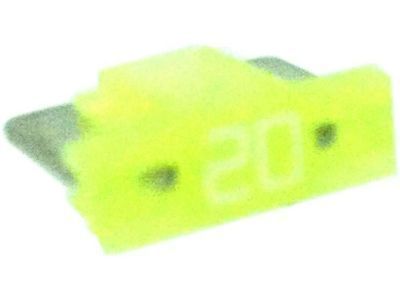

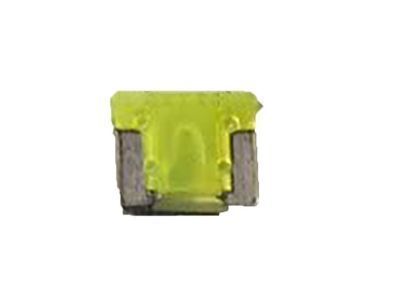
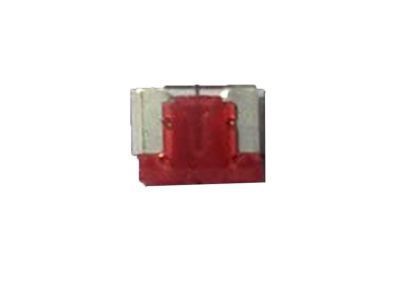
Toyota Prius Fuse, Mini
Part Number: 90982-09023$1.89 MSRP: $2.64You Save: $0.75 (29%)Ships in 1-3 Business Days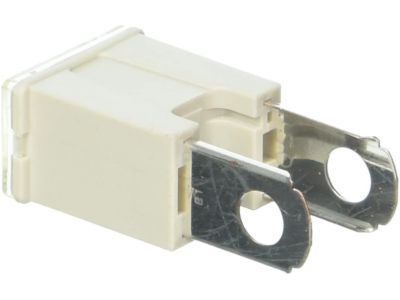

Toyota Prius Engine Room Fusible Link
Part Number: 90982-08274$18.20 MSRP: $25.43You Save: $7.23 (29%)Ships in 1 Business Day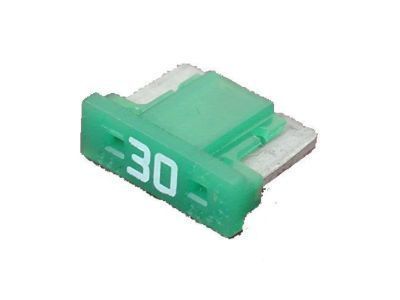
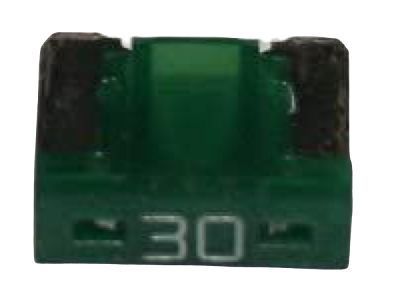
Toyota Prius Fuse, Mini
Part Number: 90982-09025$1.54 MSRP: $2.15You Save: $0.61 (29%)Ships in 1-3 Business Days
Toyota Prius Fuse, Mini
Part Number: 90982-09024$2.25 MSRP: $3.14You Save: $0.89 (29%)Ships in 1-3 Business Days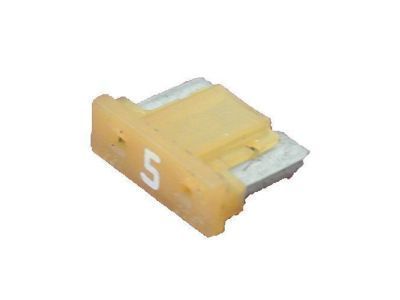
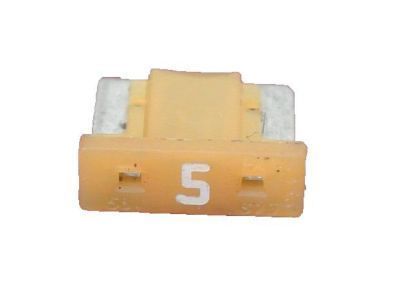
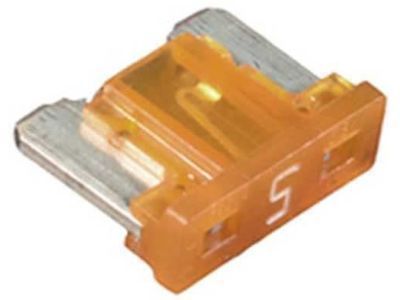
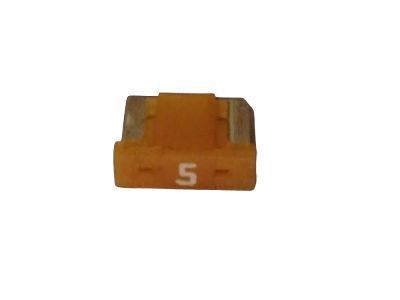
Toyota Prius Front Compartment Fuse
Part Number: 90982-09019$1.30 MSRP: $1.82You Save: $0.52 (29%)Ships in 1-3 Business Days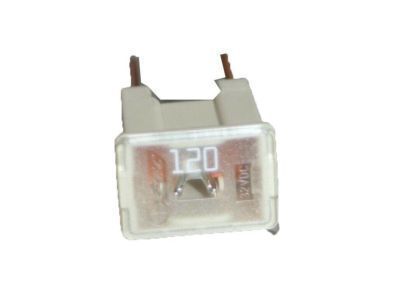
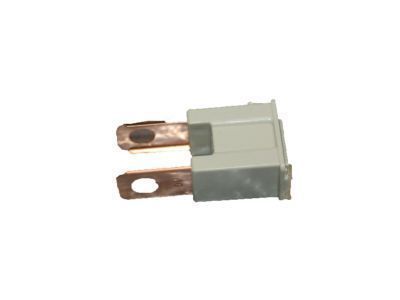
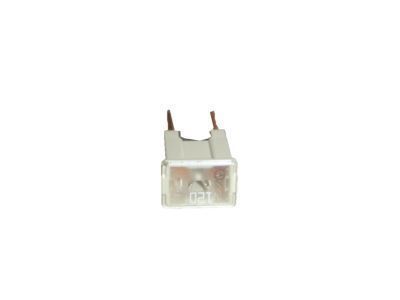

Toyota Prius Engine Room Fusible Link
Part Number: 90982-08254$15.58 MSRP: $21.77You Save: $6.19 (29%)Ships in 1-3 Business Days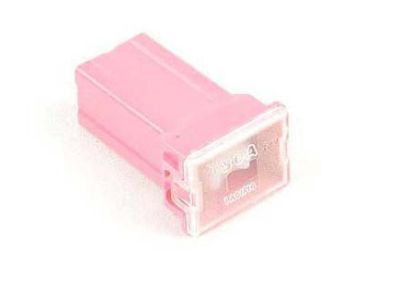

Toyota Prius Fuse, Medium Current
Part Number: 90982-10001$4.75 MSRP: $6.63You Save: $1.88 (29%)Ships in 1-2 Business Days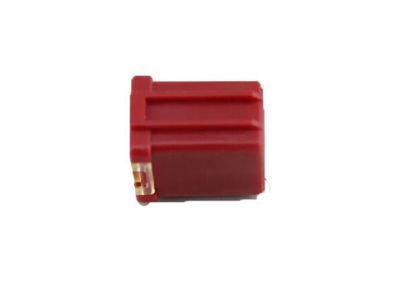
Toyota Prius Engine Room Fusible Link
Part Number: 90982-08296$14.51 MSRP: $20.28You Save: $5.77 (29%)Ships in 1-3 Business Days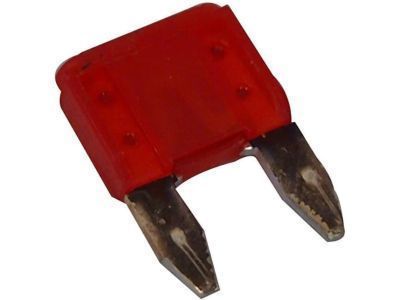

Toyota Prius Fuse, Fuse Block
Part Number: 90982-09009$2.13 MSRP: $2.98You Save: $0.85 (29%)Ships in 1-3 Business Days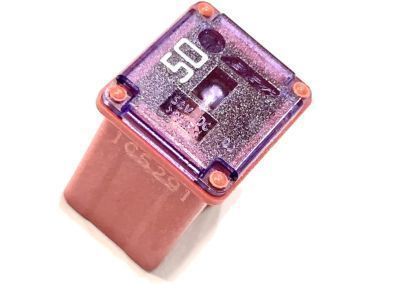
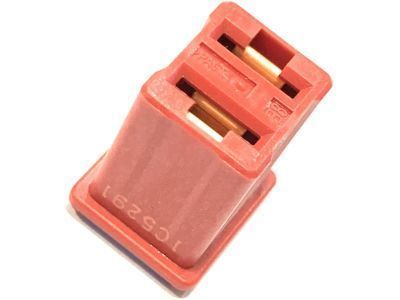
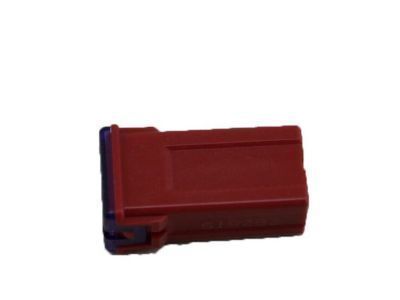

Toyota Prius Engine Room Fusible Link
Part Number: 90982-08285$16.05 MSRP: $22.44You Save: $6.39 (29%)Ships in 1 Business Day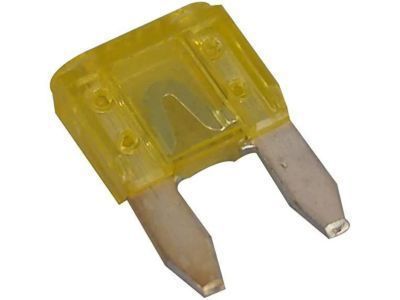
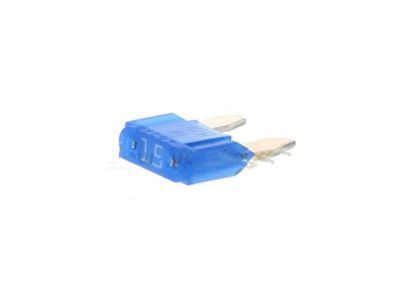
Toyota Prius Fuse Block
Part Number: 90982-09010$2.13 MSRP: $2.98You Save: $0.85 (29%)Ships in 1-3 Business Days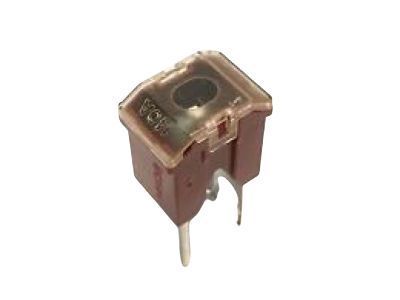
Toyota Prius Engine Room Fusible Link
Part Number: 90982-08304$16.53 MSRP: $23.10You Save: $6.57 (29%)Ships in 1-3 Business Days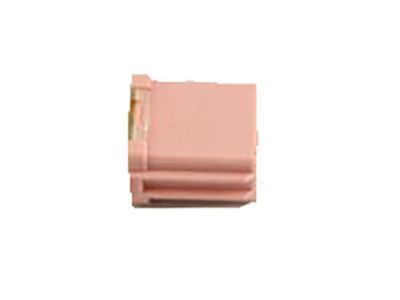
Toyota Prius Engine Room Fusible Link
Part Number: 90982-08295$12.36 MSRP: $17.28You Save: $4.92 (29%)Ships in 1-3 Business Days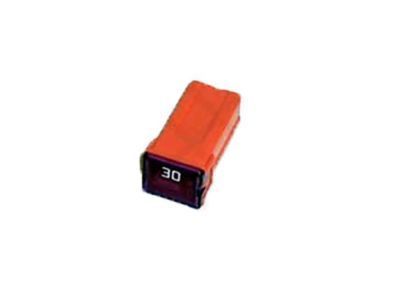
Toyota Prius Engine Room Fusible Link
Part Number: 90982-08283$14.03 MSRP: $19.61You Save: $5.58 (29%)Ships in 1-2 Business Days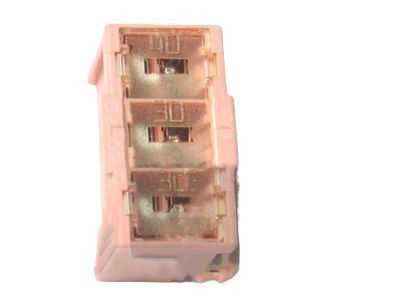
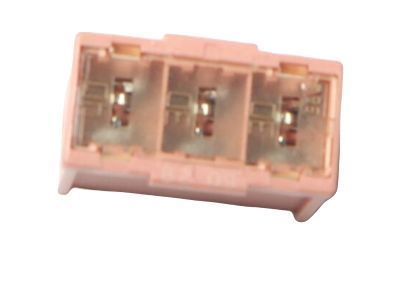
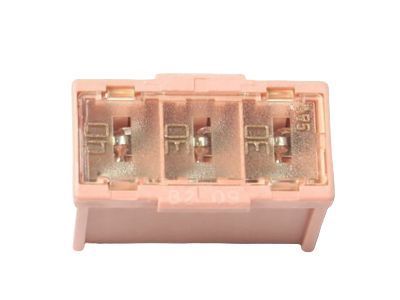
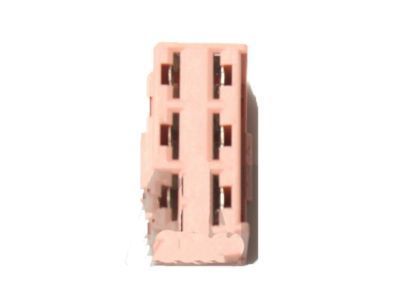
Toyota Prius Engine Room Fusible Link
Part Number: 90982-08308$14.51 MSRP: $20.28You Save: $5.77 (29%)Ships in 1-3 Business Days
| Page 1 of 3 |Next >
1-20 of 42 Results
Toyota Prius Fuse
Toyota Prius Fuse protects the sensitive electrical devices in the car from any type of electrical surge. It is located in the brightly colored slots inside the under-hood and cabin protective boxes. By virtue of its very construction, a thin metal strip inside the Fuse melts immediately after the current crosses the rated value, instantly opening the circuit and protecting expensive modules like the speedometer, navigation screen, lighting bundles, and more. Though the broad bladed versions have changed to lower profile mini designs, this simple but effective mechanism is shared by early and current generations. This allows the ever-growing wiring looms of the Toyota hybrid to stay orderly. Each Fuse, no matter how small, works on the same principle. They heat and then melt in milliseconds during a short circuit or overload. This protects the Prius battery pack, inverter, and countless controllers. To find out faults, drivers either look for a broken metal arc or match the amperage-coded colors, then replace it with an identical Fuse so that the systems come back on without further action. Since there is no mechanical reset, once a Fuse has been applied, it must be replaced. This is an easy process that helps keep the Toyota models reliable and a Prius on the road instead of in a diagnostic limbo.
If you are in demand for superior quality and affordable OEM Toyota Prius Fuse, then shop with us! We own a wide range of the reduced-priced genuine Toyota Prius Fuse. You can purchase in confidence as all parts come with a manufacturer's warranty. Any issues with our products? No need to worry as we have a hassle-free return policy to guide you every step of the way.
Toyota Prius Fuse Parts Questions & Experts Answers
- Q:What are the functions and replacement procedures for fuses and fusible links in electrical circuits on Toyota Prius?Posted by Letisia R.A:The electrical circuits of these automobile are protected with the help of fuses, circuit breakers, fusible links and are located at different positions such as beneath the instrument panel and the engine compartment and as for the 2003 and prior models the fuse box located on the right side of the engine compartment. Every utility of this fuse covers a circuit and is stamped on the cover of the fuse panel; Miniaturized fuses that have a blade terminal design are easy to pull out and swap. When an electrical component is not working it needs a fuse check and the best, an accurate way is to use a test light to check power at the exposed terminal tips, because if there is power on one side of the fuse and not the other then the fuse is blown; likewise one can check by looking at it. One must be very particular about replacing the old fuses because different fuses though physically different are compatible with the power distribution box, but their rating should match the specified rating for each circuit. But if this replacement fuse blows as soon as possible, the problem causing the situation is likely behind the fuse, which is usually a short circuit from a damaged wire in this case, more attempts to replace it should be made. Certain circuits incorporate fusible links, namely, those not fused or those that include a higher current; cartridge type fusible link is mounted in the fuse box of the engine compartment together with wire type fusible links installed on the wire harness in between the battery and the fuse/relay blocks. If the fusible link melts, the situation that provoked the short must be fixed before a link of the same thickness is installed and a skinny wire must never be swapped with the link. To replace a wire-type fusible link, one has to take loosening the negative battery cable, removed the faulty link and solder a new one into place with the bare wires covered with shrink tubing or electrical tape.Answered by Toyota Parts Specialist Bruce / Jun 01, 2024