

My Garage
My Account
Cart
Genuine Toyota Prius Vapor Canister
Fuel Vapor Canister- Select Vehicle by Model
- Select Vehicle by VIN
Select Vehicle by Model
orMake
Model
Year
Select Vehicle by VIN
For the most accurate results, select vehicle by your VIN (Vehicle Identification Number).
11 Vapor Canisters found
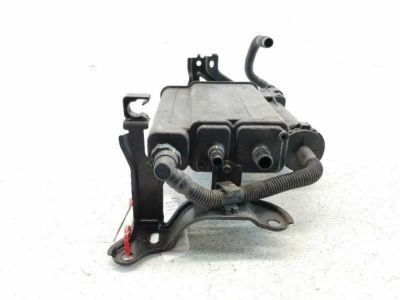
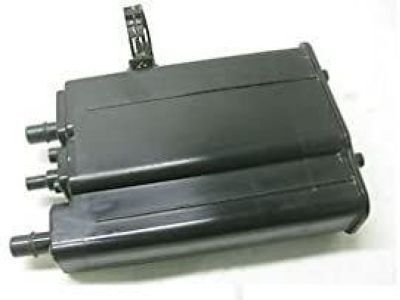
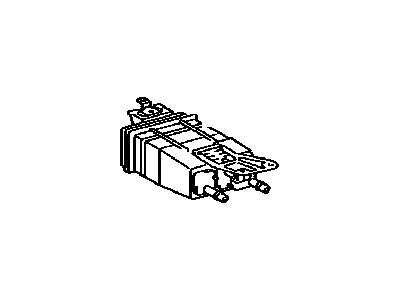
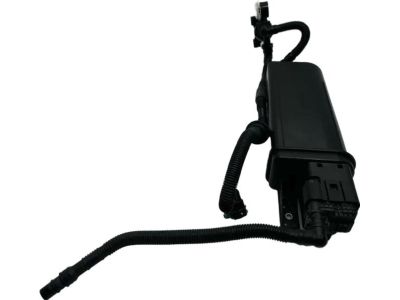
Toyota Prius Canister Canister Assembly
Part Number: 77740-47060$512.78 MSRP: $764.96You Save: $252.18 (33%)Ships in 1-2 Business Days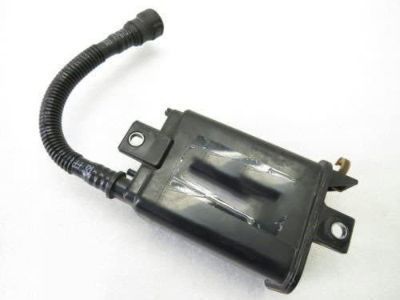
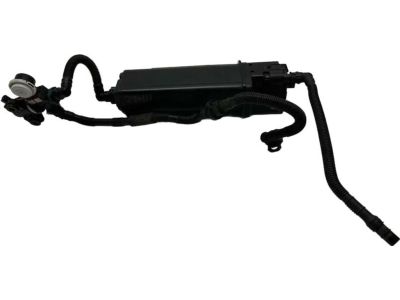
Toyota Prius Charcoal Canister Assembly
Part Number: 77740-47050$292.19 MSRP: $418.98You Save: $126.79 (31%)Ships in 1-3 Business Days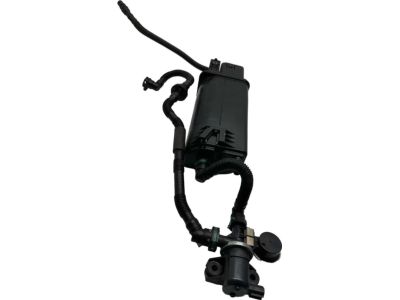
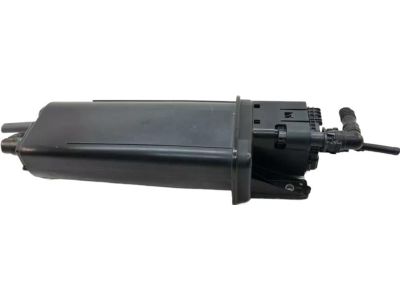
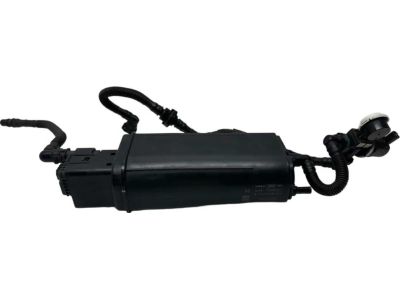
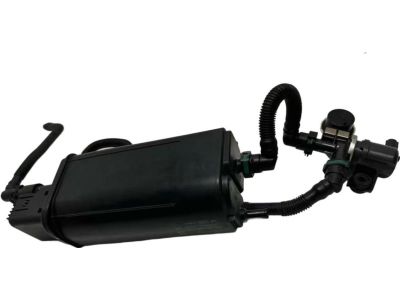
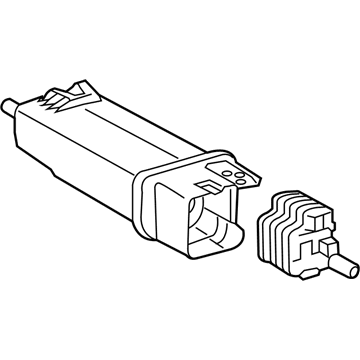
Toyota Prius Canister Canister Assembly
Part Number: 77740-47110$333.95 MSRP: $478.86You Save: $144.91 (31%)Ships in 1-3 Business Days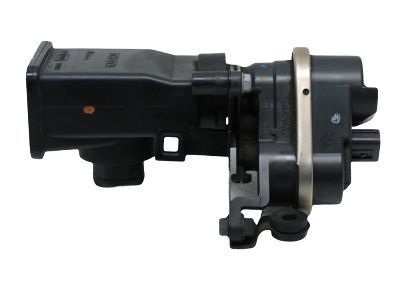
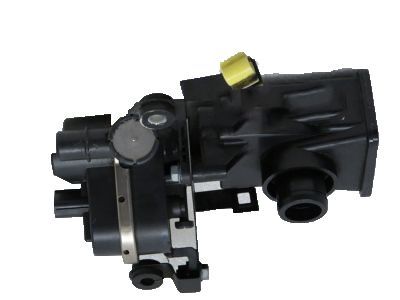
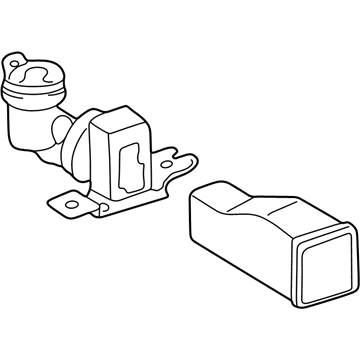
Toyota Prius Canister Assy, Trap W/Outlet Valve
Part Number: 77730-47030$351.10 MSRP: $523.77You Save: $172.67 (33%)Ships in 1-2 Business DaysToyota Prius Vapor Separator Assembly with Outlet Valve
Part Number: 77730-47020$171.86 MSRP: $244.33You Save: $72.47 (30%)Ships in 1-3 Business Days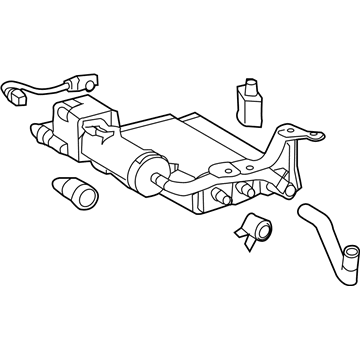
Toyota Prius Canister Canister Assembly
Part Number: 77740-47100$534.97 MSRP: $798.06You Save: $263.09 (33%)Ships in 1-3 Business Days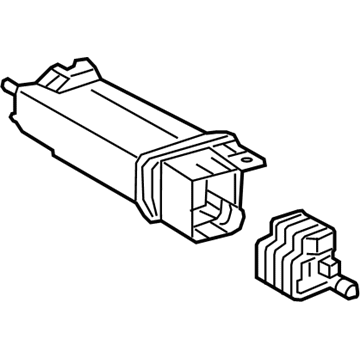
Toyota Prius Canister Canister Assembly
Part Number: 77740-12770$503.97 MSRP: $751.82You Save: $247.85 (33%)Ships in 1-3 Business Days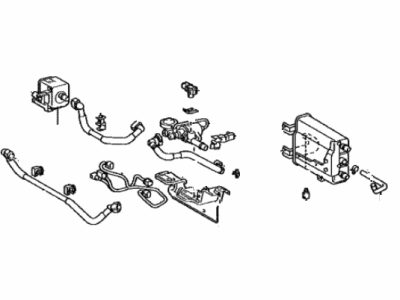
Toyota Prius Canister Canister Assembly
Part Number: 77740-47070$1139.50 MSRP: $1701.43You Save: $561.93 (34%)Ships in 1-3 Business Days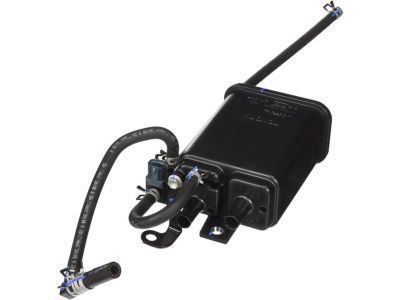
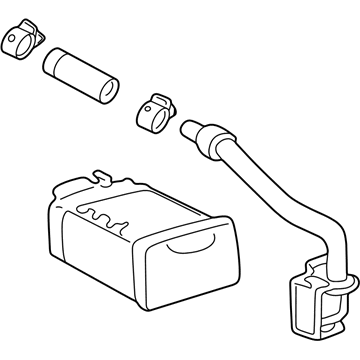
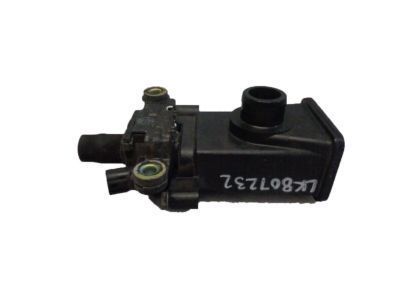

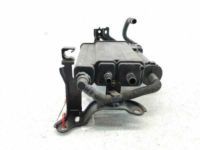
Toyota Prius Vapor Canister
The Vapor Canister in Toyota Prius cars is an OVDP part that forms a vital system used to manage evaporative emissions hence avoiding the discharge of hydrocarbons in the atmosphere. It works in that the fuel vapors from the fuel tank are held in the can and is periodically expelled into the engine where the fuel is mixed with air for combustion. It usually features activated charcoal inside the canister; this increases the receptiveness of the canister to vapors. Various models of the Prius may therefore have used various styles of vapor canisters, including those that have their filters replaced at some time. There are new diagnostic branches that are built in into modern versions, including canister vent solenoid and fuel tank pressure sensor to check for dripping and the system's soundness. These advancement and techniques are beneficial to sustain the environmental conditions and also enhance the performance of an engine.
If you are in demand for superior quality and affordable OEM Toyota Prius Vapor Canister, then shop with us! We own a wide range of the reduced-priced genuine Toyota Prius Vapor Canister. You can purchase in confidence as all parts come with a manufacturer's warranty. Any issues with our products? No need to worry as we have a hassle-free return policy to guide you every step of the way.
Toyota Prius Vapor Canister Parts Questions & Experts Answers
- Q:What Are the Functions and Replacement Procedures for the Vapor Canister in the Toyota Prius EVAP System?A:The fuel evaporative emissions control (EVAP) system absorbs fuel vapors and releases them into the engine intake during operation, where they mix with the incoming air-fuel mixture, with the charcoal canister mounted above the fuel tank. When the engine is off, fuel vapors are stored in the charcoal canister, and when running, they are purged by the purge control valve, with the electronic valve controlled by the ECM. A two-way valve on the fuel filler cap vents vapors to the atmosphere if the EVAP system fails, while a vapor pressure sensor on the fuel tank detects abnormal pressure. After the engine warms up, the vacuum switching valve opens, allowing intake manifold vacuum to draw vapors from the canister for combustion. The vapor pressure sensor monitors tank pressure and opens the vacuum switching valve when a preset threshold is exceeded. For replacement of the charcoal canister, disconnect the negative terminal of the auxiliary 12-volt battery and lower the fuel tank to access the canister. Unplug electrical connectors, label and disconnect vent hoses, remove bolts, and separate the canister from the vehicle, with installation being the reverse of removal.
Related Toyota Prius Parts
 Toyota Prius PCV Valve
 Toyota Prius Vapor Pressure Sensor
 Toyota Prius Canister Purge Valve
 Toyota Prius PCV Hose
Browse by Year
2024 Vapor Canister 2023 Vapor Canister 2022 Vapor Canister 2021 Vapor Canister 2020 Vapor Canister 2019 Vapor Canister 2018 Vapor Canister 2017 Vapor Canister 2016 Vapor Canister 2015 Vapor Canister 2014 Vapor Canister 2013 Vapor Canister 2012 Vapor Canister 2011 Vapor Canister 2010 Vapor Canister 2009 Vapor Canister 2008 Vapor Canister 2007 Vapor Canister 2006 Vapor Canister 2005 Vapor Canister 2004 Vapor Canister 2003 Vapor Canister 2002 Vapor Canister 2001 Vapor Canister