

My Garage
My Account
Cart
Genuine Toyota RAV4 Brake Caliper
Caliper- Select Vehicle by Model
- Select Vehicle by VIN
Select Vehicle by Model
orMake
Model
Year
Select Vehicle by VIN
For the most accurate results, select vehicle by your VIN (Vehicle Identification Number).
30 Brake Calipers found
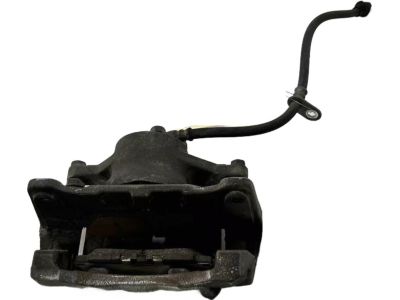
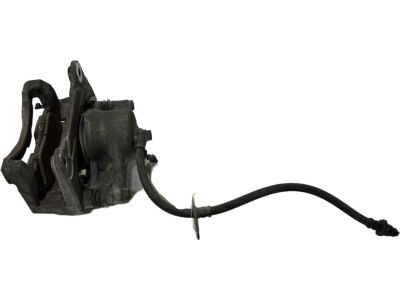
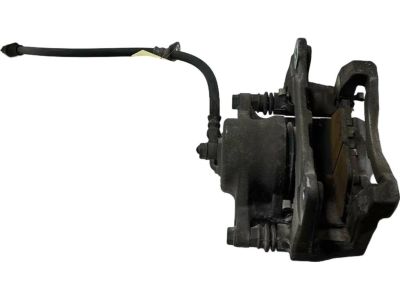
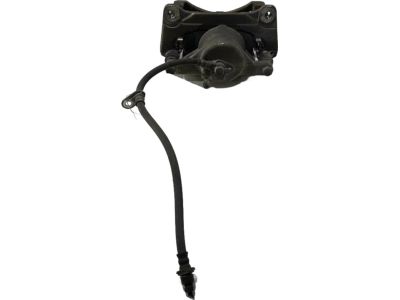
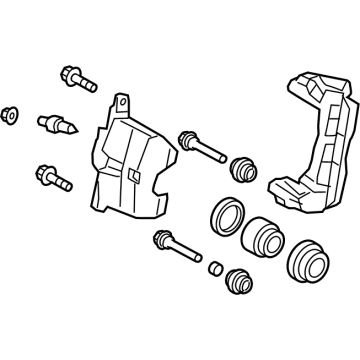
Toyota RAV4 Disc Brake Cylinder Assembly
Part Number: 47730-06321$131.50 MSRP: $186.94You Save: $55.44 (30%)Ships in 1-3 Business Days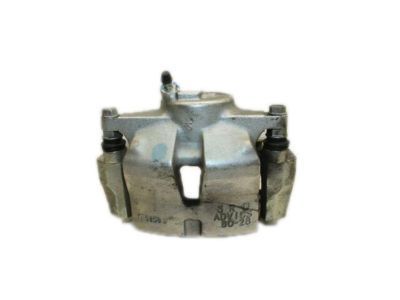
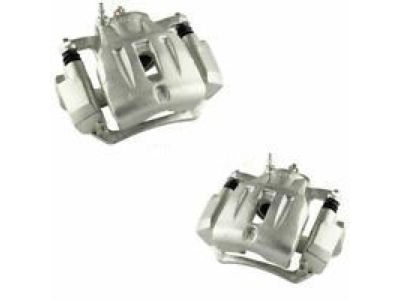
Toyota RAV4 Disc Brake Cylinder Assembly
Part Number: 47750-06321$131.50 MSRP: $186.94You Save: $55.44 (30%)Ships in 1-2 Business Days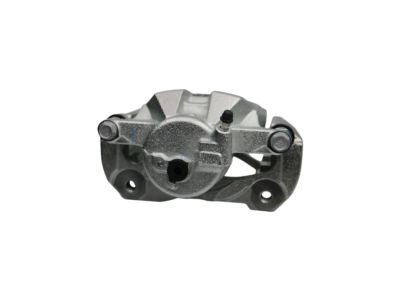
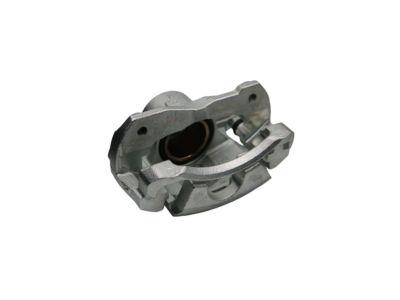
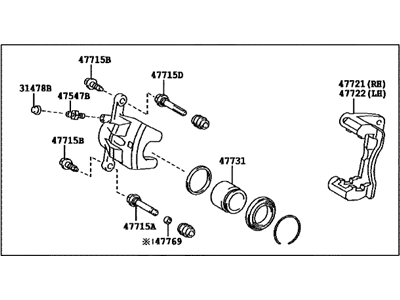
Toyota RAV4 Front Disc Brake Cylinder Assembly Right Hand
Part Number: 47730-12A70$157.12 MSRP: $223.37You Save: $66.25 (30%)Ships in 1-2 Business Days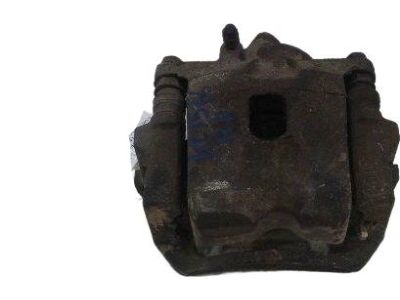
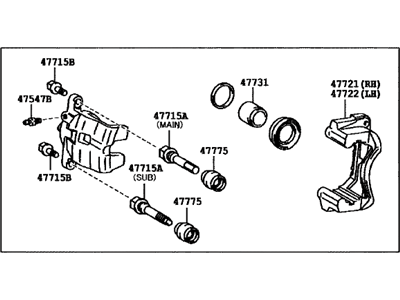
Toyota RAV4 Front Disc Brake Cylinder Assembly Right Hand
Part Number: 47730-42040$282.33 MSRP: $404.84You Save: $122.51 (31%)Ships in 1-3 Business Days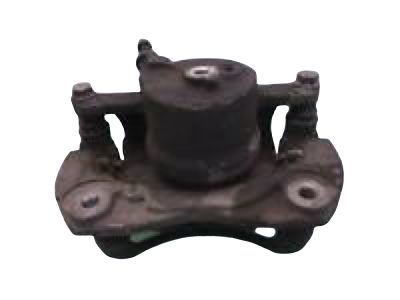
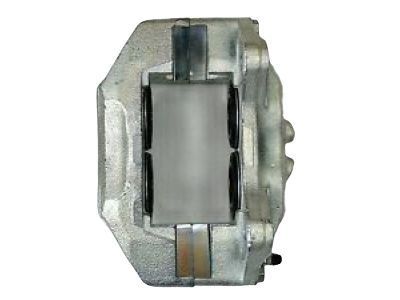
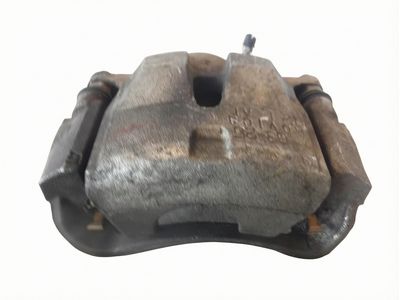
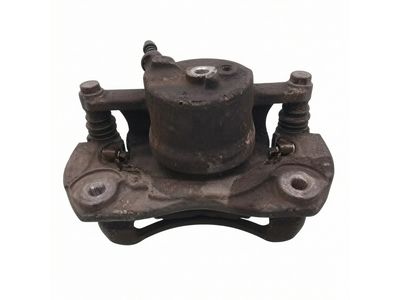
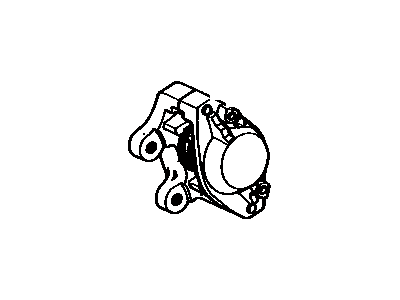
Toyota RAV4 Disc Brake Cylinder Assembly
Part Number: 47750-0R010$111.03 MSRP: $156.51You Save: $45.48 (30%)Ships in 1-3 Business Days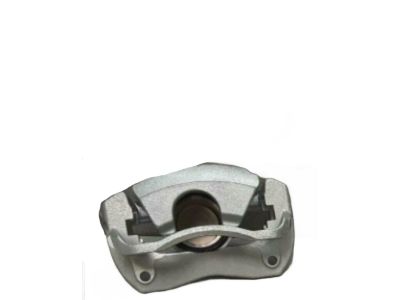
Toyota RAV4 Disc Brake Cylinder Assembly
Part Number: 47750-42091$131.50 MSRP: $186.94You Save: $55.44 (30%)Ships in 1-3 Business Days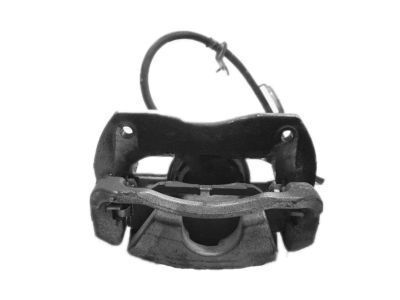
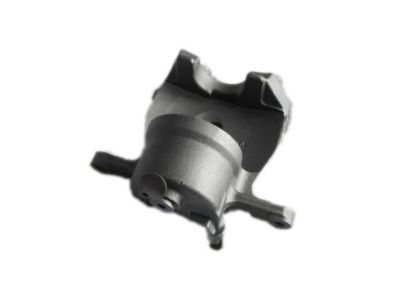
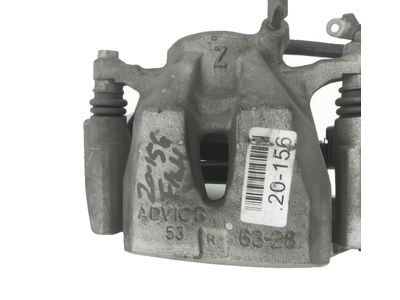
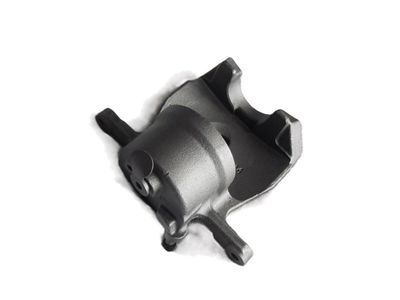
Toyota RAV4 Disc Brake Cylinder Assembly Left Hand
Part Number: 47750-02410$195.91 MSRP: $280.92You Save: $85.01 (31%)Ships in 1-3 Business Days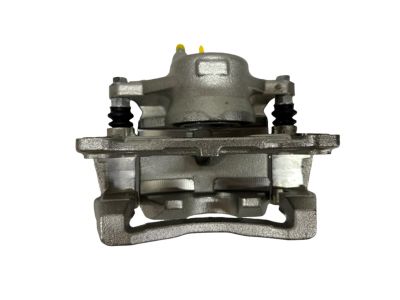
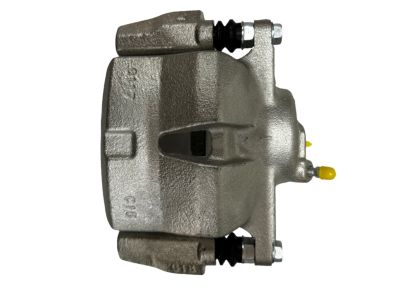
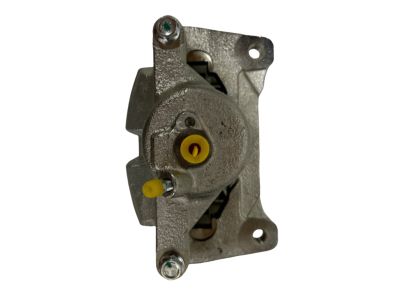
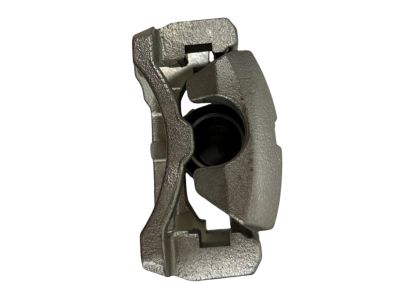
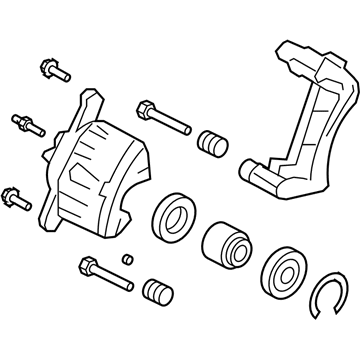
Toyota RAV4 Disc Brake Cylinder Assembly
Part Number: 47750-33311$131.50 MSRP: $186.94You Save: $55.44 (30%)Ships in 1-3 Business Days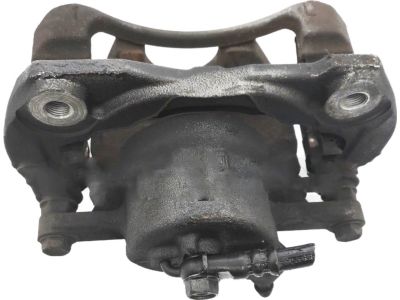
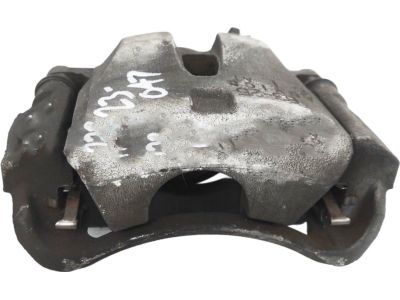
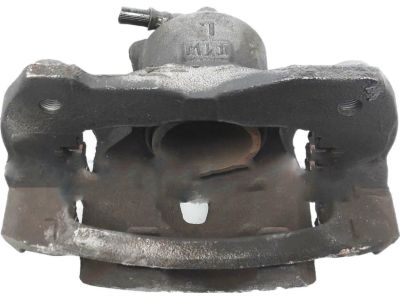
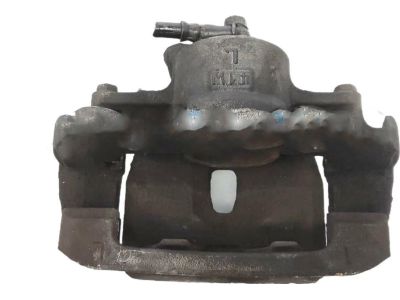
Toyota RAV4 Disc Brake Cylinder Assembly Left Hand
Part Number: 47750-12A70$157.12 MSRP: $223.37You Save: $66.25 (30%)Ships in 1-3 Business Days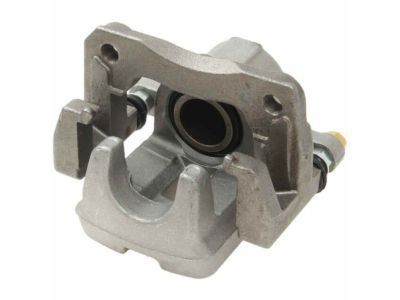
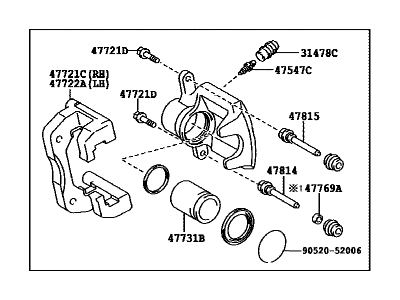
Toyota RAV4 Rear Disc Brake Cylinder Assembly Right Hand
Part Number: 47830-42061$140.27 MSRP: $199.42You Save: $59.15 (30%)Ships in 1-3 Business Days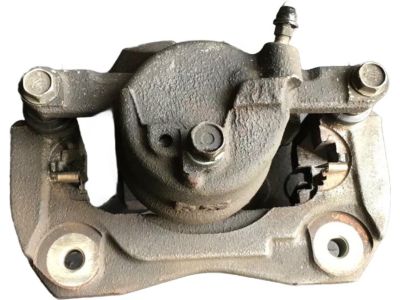
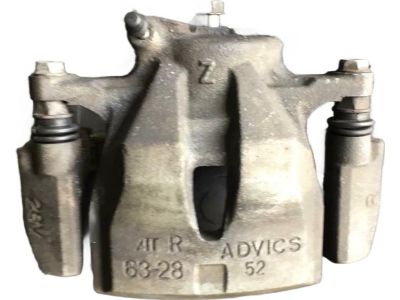
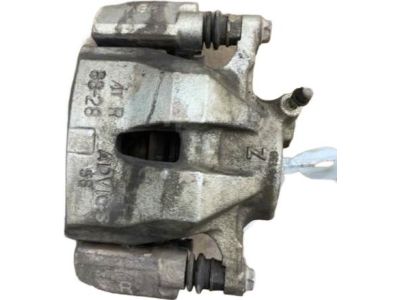
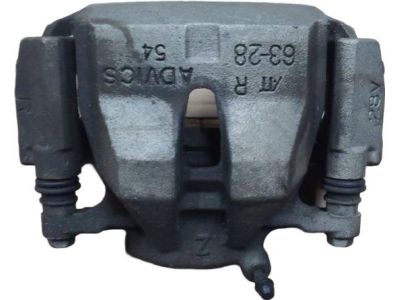
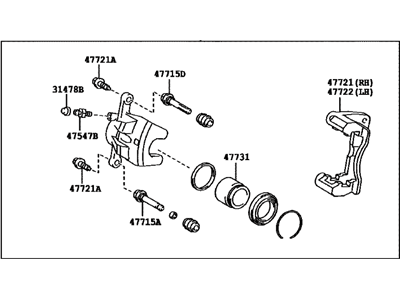
Toyota RAV4 Disc Brake Cylinder Assembly
Part Number: 47730-42091$131.50 MSRP: $186.94You Save: $55.44 (30%)Ships in 1-3 Business Days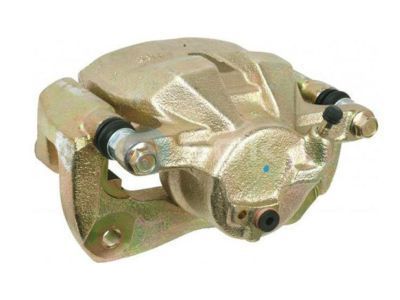
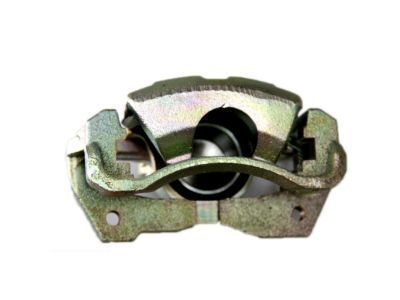
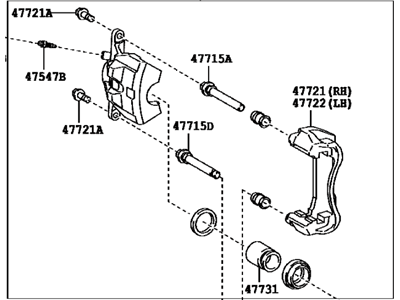
Toyota RAV4 Front Disc Brake Cylinder Assembly Right Hand
Part Number: 47730-02410$195.91 MSRP: $280.92You Save: $85.01 (31%)Ships in 1-3 Business Days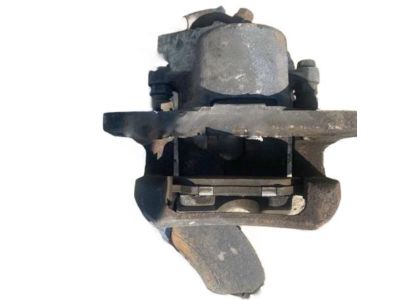
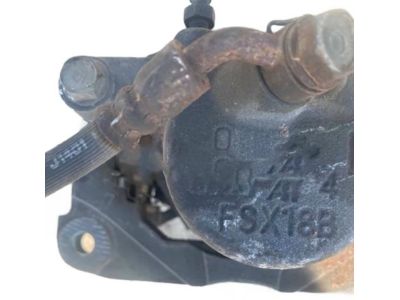
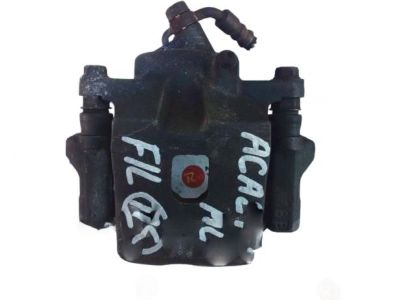
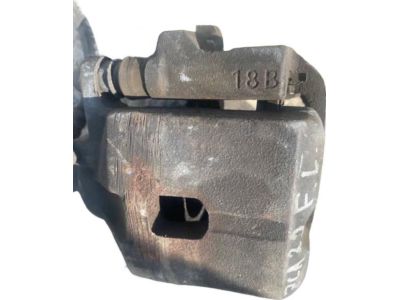
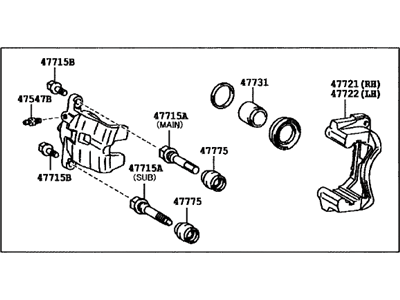
Toyota RAV4 Disc Brake Cylinder Assembly Left Hand
Part Number: 47750-42040$282.33 MSRP: $404.84You Save: $122.51 (31%)Ships in 1-3 Business Days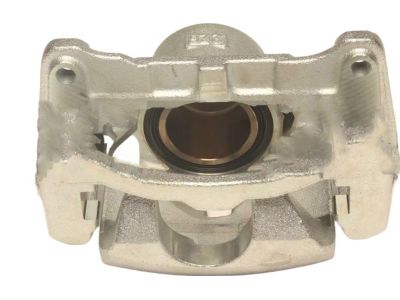
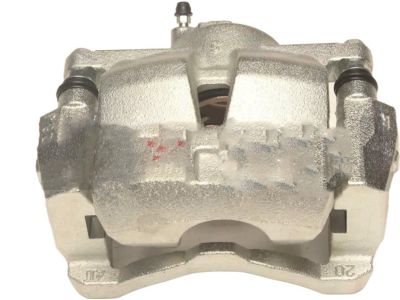
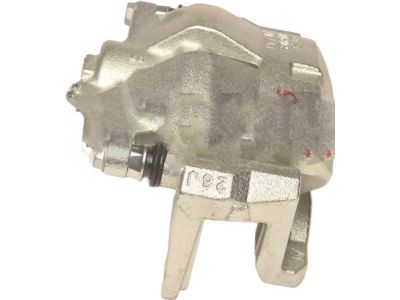
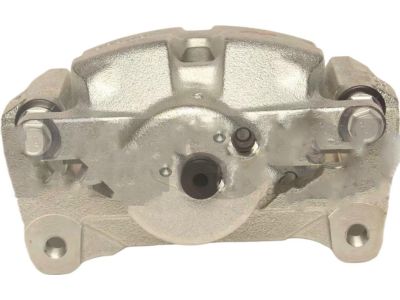
Toyota RAV4 Disc Brake Cylinder Assembly
Part Number: 47730-33381$131.50 MSRP: $186.94You Save: $55.44 (30%)Ships in 1-3 Business Days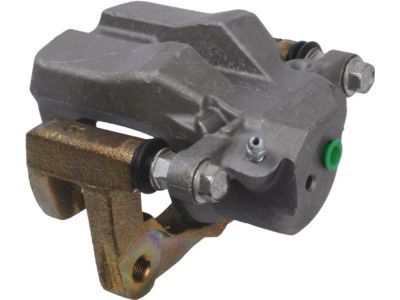
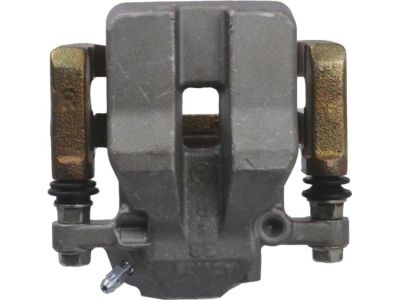
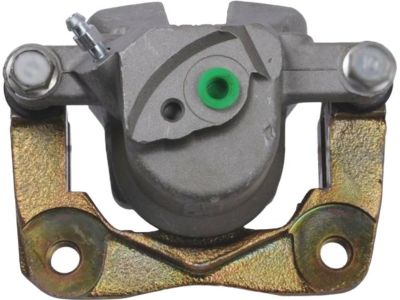
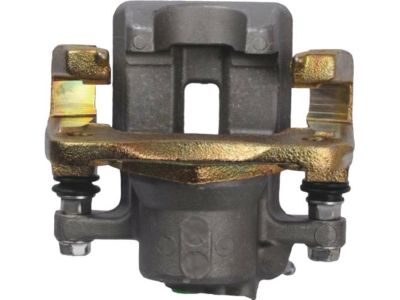
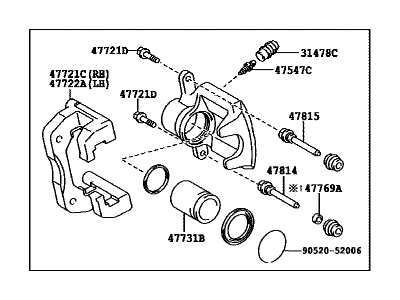
Toyota RAV4 Rear Disc Brake Cylinder Assembly
Part Number: 47850-42070$115.39 MSRP: $162.66You Save: $47.27 (30%)Ships in 1-3 Business Days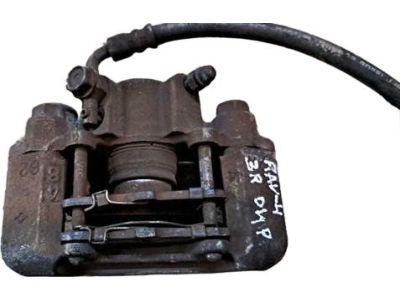
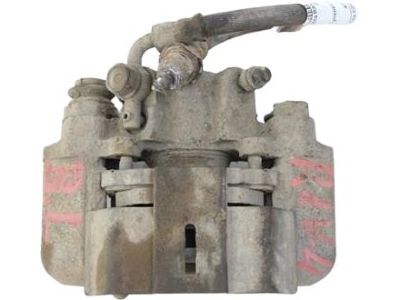
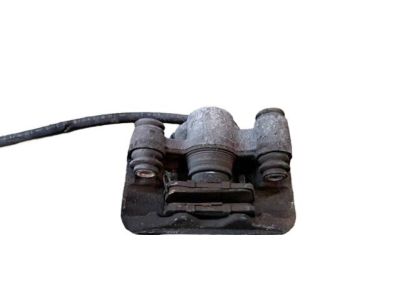
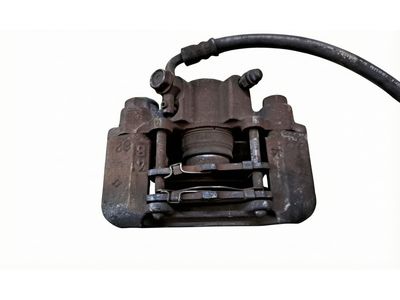
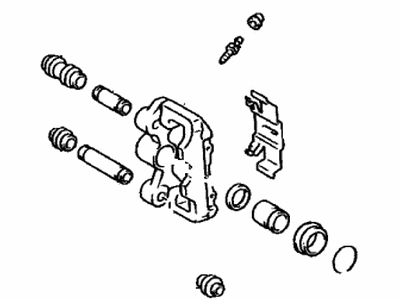
Toyota RAV4 Rear Disc Brake Cylinder Assembly Right Hand
Part Number: 47730-42050$196.72 MSRP: $282.08You Save: $85.36 (31%)Ships in 1-3 Business Days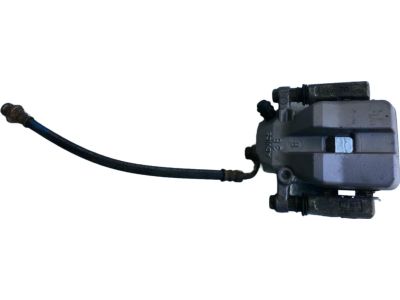
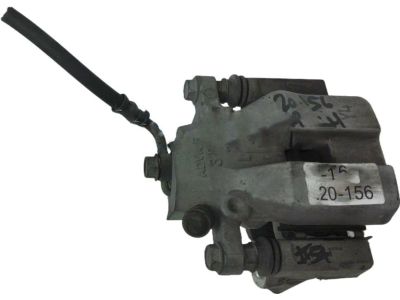
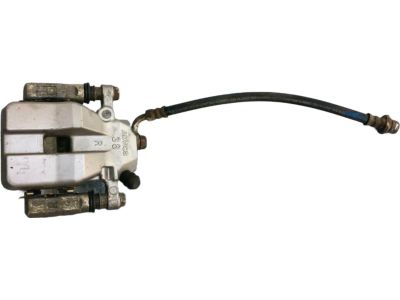
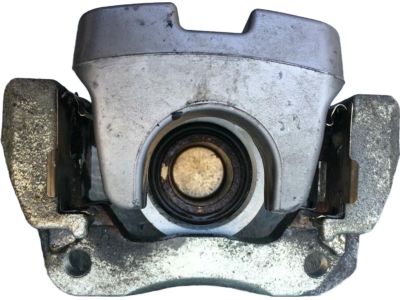
Toyota RAV4 Rear Disc Brake Cylinder Assembly
Part Number: 47830-42080$115.39 MSRP: $162.66You Save: $47.27 (30%)Ships in 1-3 Business Days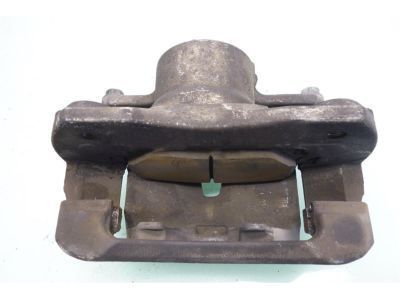
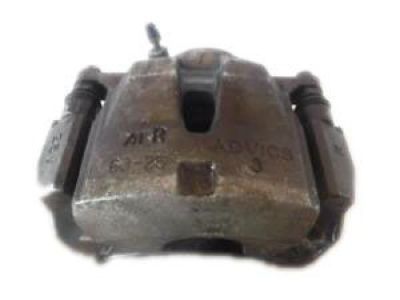
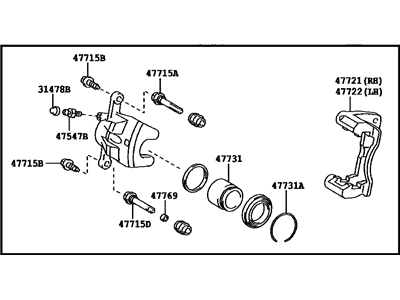
Toyota RAV4 Disc Brake Cylinder Assembly
Part Number: 47730-0R010$111.03 MSRP: $156.51You Save: $45.48 (30%)Ships in 1-3 Business Days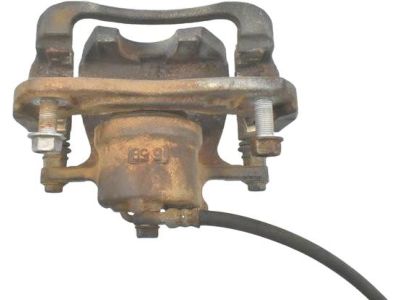
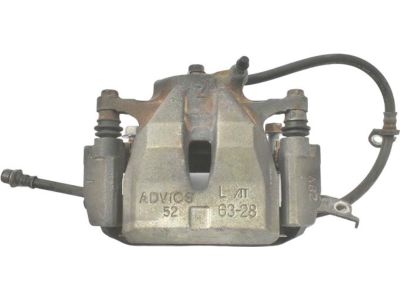
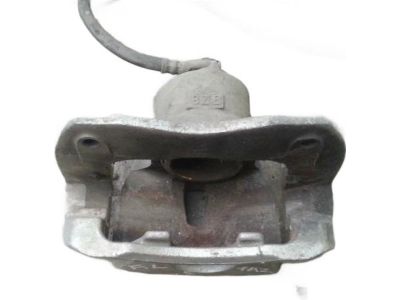
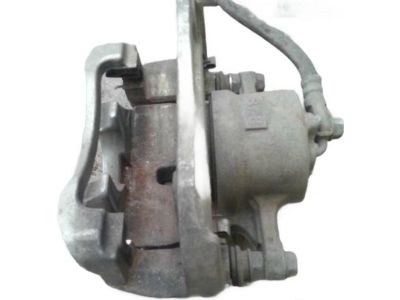
Toyota RAV4 Disc Brake Cylinder Assembly Left Hand
Part Number: 47750-42090$131.50 MSRP: $186.94You Save: $55.44 (30%)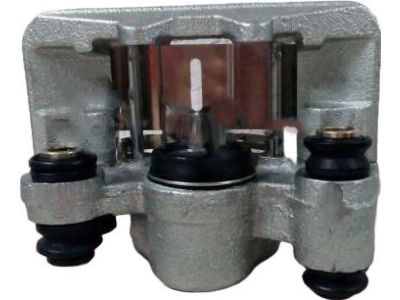
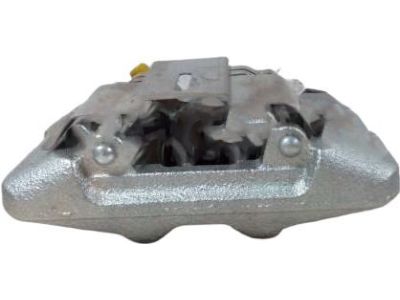
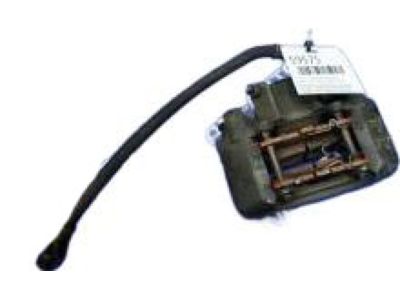
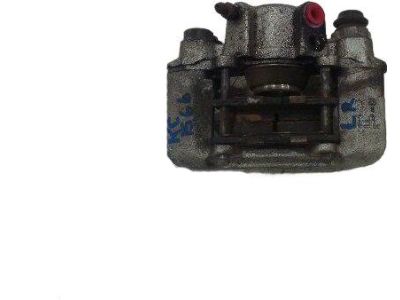
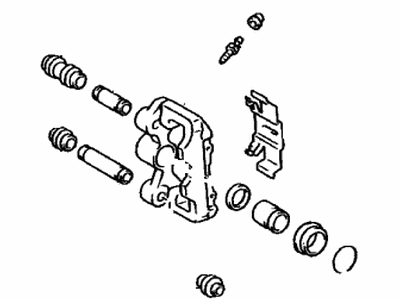
Toyota RAV4 Disc Brake Cylinder Assembly Rear Left Hand
Part Number: 47750-42050$196.72 MSRP: $282.08You Save: $85.36 (31%)Ships in 1-3 Business Days
| Page 1 of 2 |Next >
1-20 of 30 Results
Toyota RAV4 Brake Caliper
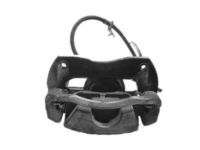
The hydraulic pressure inside the Brake Caliper pushes the brake pads against the brake rotor and, by doing so, produces mechanical force. The Toyota RAV4 relies on the cast iron body of this component, which has bores that house pistons, seals, and dust boots, a hose port, and a bleeder screw for consistent braking function. RAV4 Brake Caliper comes in two designs. The first consists of fixed units bolted in place, and the pistons on both sides ensure balanced clamping. The second design includes floating units that carry one or more inboard pistons. Moreover, the floating units slide on pins. The entire Brake Caliper moves inward as the pistons move outward. Some rear assemblies incorporate a screw-driven parking brake device that, when parked, allows the same Brake Caliper to apply the pads mechanically. Pistons are commonly steel or phenolic. Regular inspection is crucial because problems like leaks, seized pistons, and corroded slide pins can cause low pedals, pulling, drag, or uneven pad wear. This way, every Toyota RAV4 will receive a benefit from a properly functioning Brake Caliper and continue to perform the dependable brakes you expect from a Toyota.
If you are in demand for superior quality and affordable OEM Toyota RAV4 Brake Caliper, then shop with us! We own a wide range of the reduced-priced genuine Toyota RAV4 Brake Caliper. You can purchase in confidence as all parts come with a manufacturer's warranty. Any issues with our products? No need to worry as we have a hassle-free return policy to guide you every step of the way.
Toyota RAV4 Brake Caliper Parts Questions & Experts Answers
- Q:How to remove and install brake calipers on Toyota Rav4?Posted by Rydell H.A:If replacement is indicated, usually due to fluid leakage, it is recommended that the calipers be replaced instead of overhauled, as new and factory rebuilt units are available on an exchange basis, making this job quite easy. Always replace the calipers in pairs and never just one. To remove, first loosen the front wheel lug nuts, raise the front of the vehicle, and securely place it on jackstands before removing the wheel. If the caliper is being removed to gain access to another component, do not disconnect the hose. Next, remove the bolt and disconnect the brake hose from the caliper, plugging the hose to keep contaminants out and to minimize brake fluid loss. Discard the sealing washers and use new ones during installation. Then, remove the caliper mounting bolts while holding the slide pin with an open-end wrench and using a socket or boxed-end wrench on the bolt. With the caliper mounting bolts removed and the line disconnected, take out the caliper. For installation, reverse the removal procedure, ensuring to replace the sealing washers at the brake hose-to-caliper connection, and tighten the caliper mounting bolts along with the brake hose banjo fitting bolt. Finally, bleed the brake circuit, checking for leaks from the hose connections, and test the brakes carefully before returning the vehicle to normal service.Answered by Toyota Parts Specialist Ray / Feb 02, 2026
Related Toyota RAV4 Parts
 Toyota RAV4 Brake Pad Set
 Toyota RAV4 Brake Disc
 Toyota RAV4 Brake Caliper Bracket
 Toyota RAV4 Brake Bleeder Screw
Browse by Year
2024 Brake Caliper 2023 Brake Caliper 2022 Brake Caliper 2021 Brake Caliper 2020 Brake Caliper 2019 Brake Caliper 2018 Brake Caliper 2017 Brake Caliper 2016 Brake Caliper 2015 Brake Caliper 2014 Brake Caliper 2013 Brake Caliper 2012 Brake Caliper 2011 Brake Caliper 2010 Brake Caliper 2009 Brake Caliper 2008 Brake Caliper 2007 Brake Caliper 2006 Brake Caliper 2005 Brake Caliper 2004 Brake Caliper 2003 Brake Caliper 2002 Brake Caliper 2001 Brake Caliper 2000 Brake Caliper 1999 Brake Caliper 1998 Brake Caliper 1997 Brake Caliper 1996 Brake Caliper