

My Garage
My Account
Cart
Genuine Toyota RAV4 Brake Disc
Disc Rotor- Select Vehicle by Model
- Select Vehicle by VIN
Select Vehicle by Model
orMake
Model
Year
Select Vehicle by VIN
For the most accurate results, select vehicle by your VIN (Vehicle Identification Number).
17 Brake Discs found
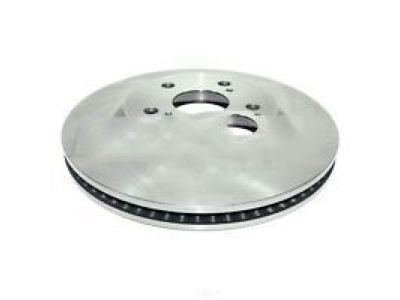
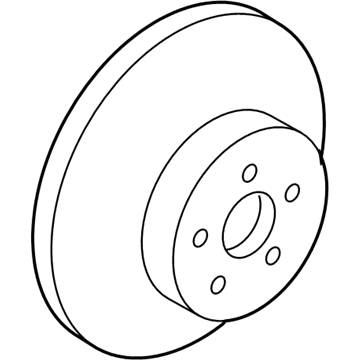
Toyota RAV4 Disc Brake Rotor Front
Part Number: 43512-06200$73.50 MSRP: $103.61You Save: $30.11 (30%)Ships in 1-3 Business Days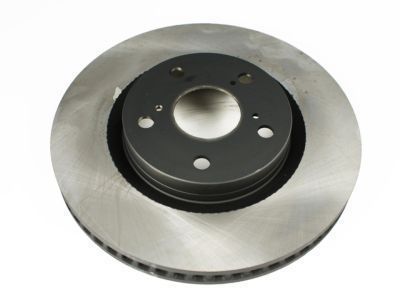
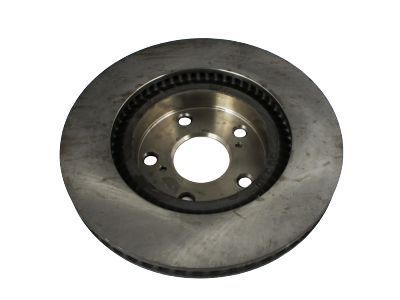
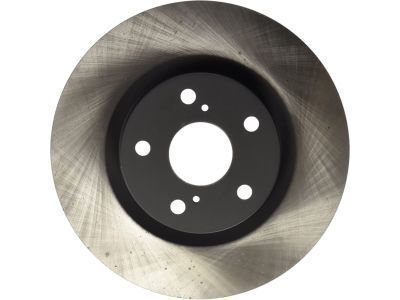
Toyota RAV4 Disc Brake Rotor Front
Part Number: 43512-0R020$71.50 MSRP: $100.78You Save: $29.28 (30%)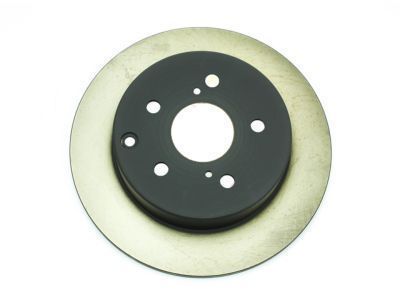
Toyota RAV4 Rear Disc
Part Number: 42431-42060$59.21 MSRP: $82.77You Save: $23.56 (29%)Ships in 1-3 Business Days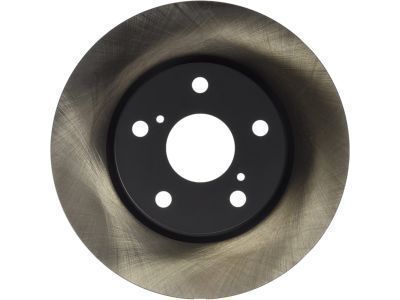
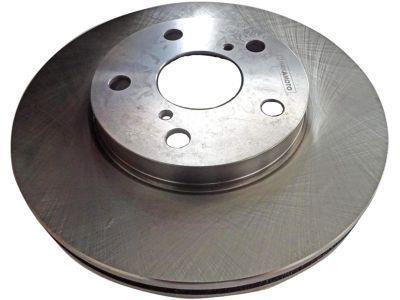
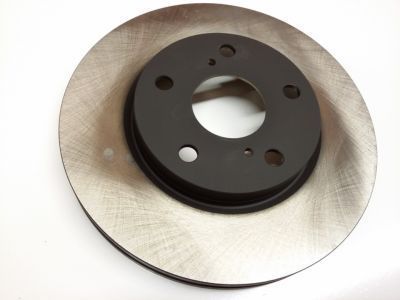
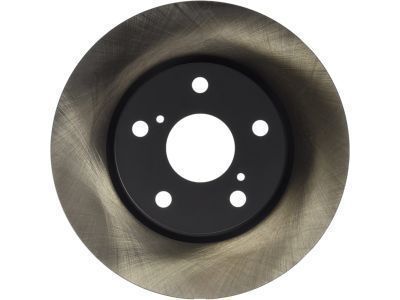
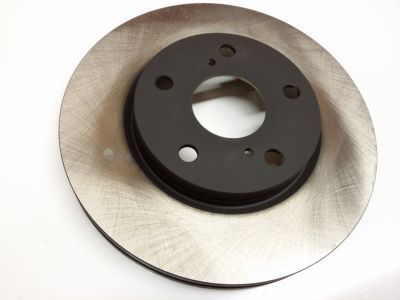
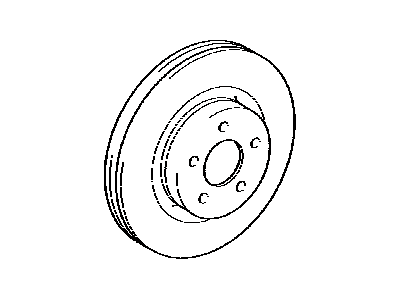
Toyota RAV4 Disc Brake Rotor Front
Part Number: 43512-42040$69.96 MSRP: $98.62You Save: $28.66 (30%)Ships in 1-3 Business Days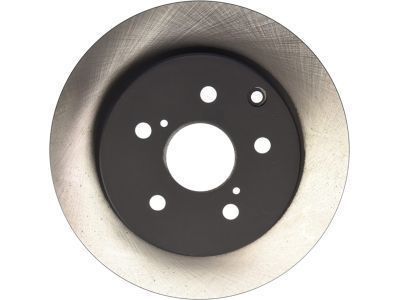
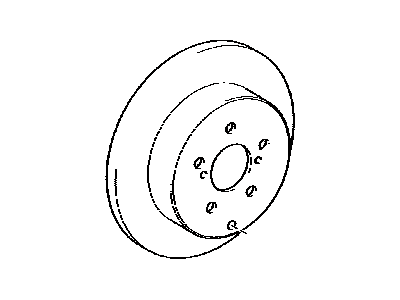
Toyota RAV4 Rear Disc
Part Number: 42431-0R010$62.41 MSRP: $87.97You Save: $25.56 (30%)Ships in 1-3 Business Days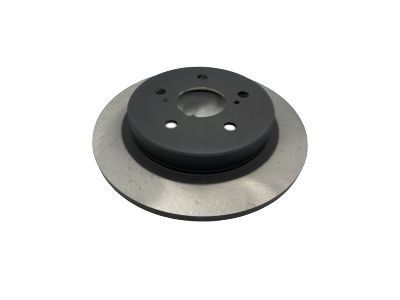
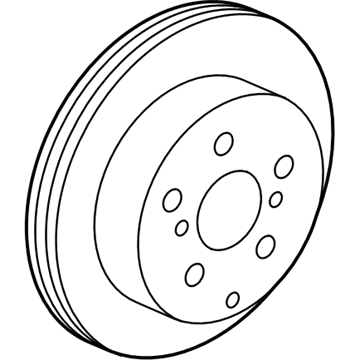
Toyota RAV4 Disc Brake Rotor Rear
Part Number: 42431-06180$69.84 MSRP: $98.45You Save: $28.61 (30%)Ships in 1-3 Business Days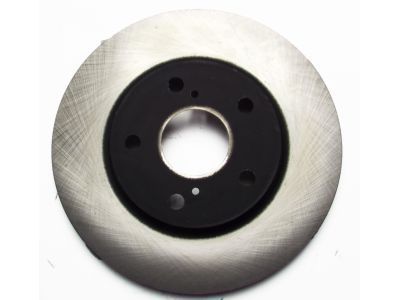
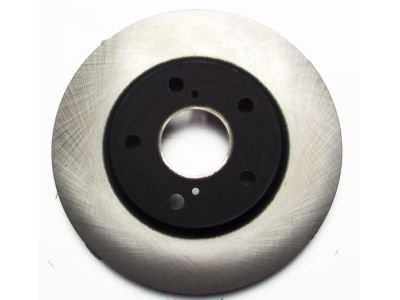
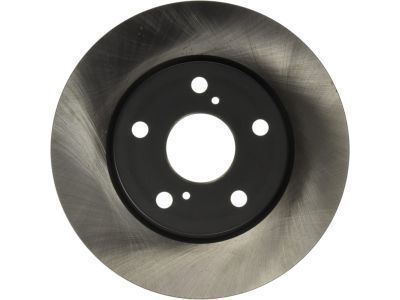
Toyota RAV4 Disc Brake Rotor Front
Part Number: 43512-0R010$69.96 MSRP: $98.62You Save: $28.66 (30%)Ships in 1-3 Business Days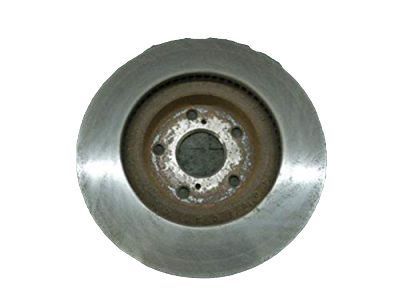
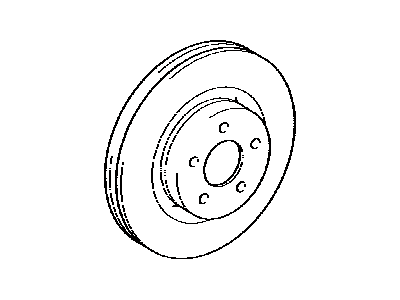
Toyota RAV4 Disc Brake Rotor Front
Part Number: 43512-42050$71.50 MSRP: $100.78You Save: $29.28 (30%)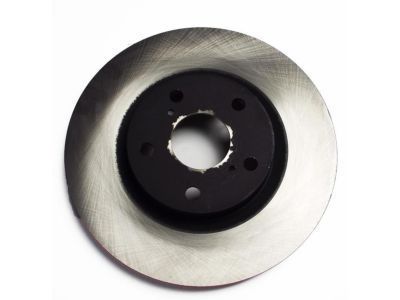
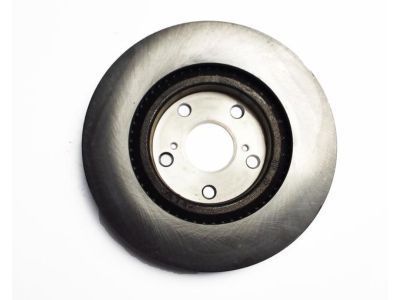
Toyota RAV4 Disc Brake Rotor Front
Part Number: 43512-33150$73.97 MSRP: $104.28You Save: $30.31 (30%)Ships in 1-3 Business Days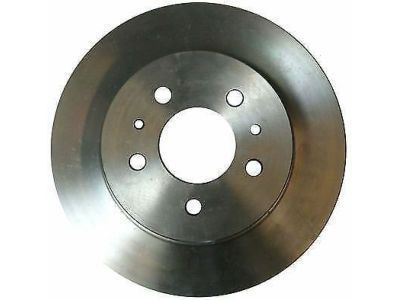
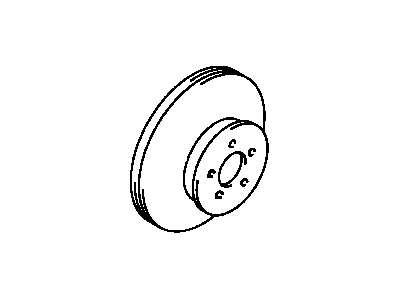
Toyota RAV4 Disc Brake Rotor Front
Part Number: 43512-42010$72.91 MSRP: $102.78You Save: $29.87 (30%)Ships in 1-3 Business Days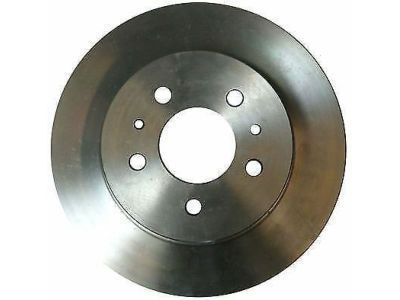
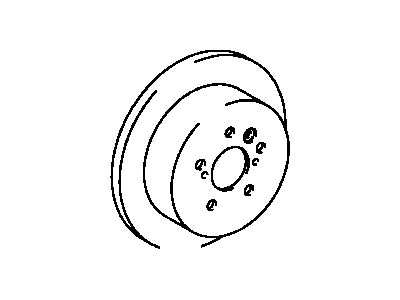
Toyota RAV4 Rear Disc
Part Number: 42431-42041$80.46 MSRP: $113.42You Save: $32.96 (30%)Ships in 1-3 Business Days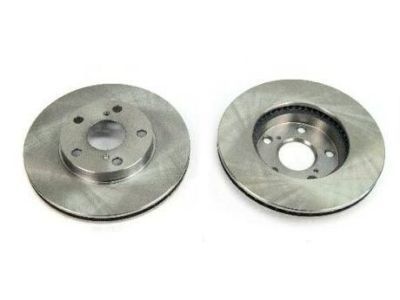
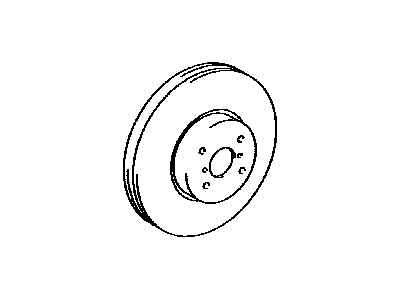
Toyota RAV4 Disc Brake Rotor Front
Part Number: 43512-42030$79.05 MSRP: $111.43You Save: $32.38 (30%)Ships in 1-3 Business Days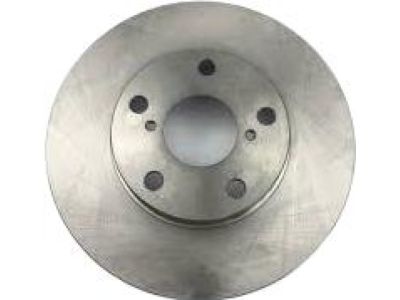
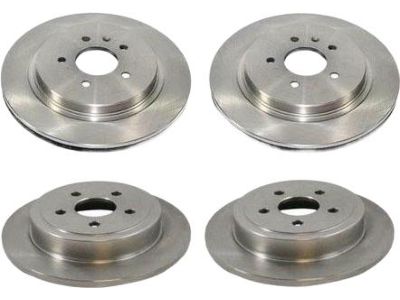
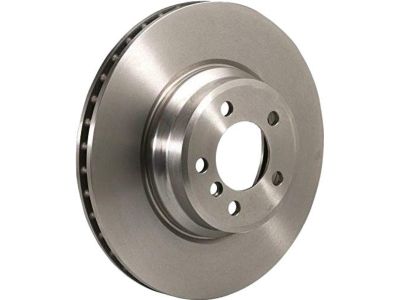
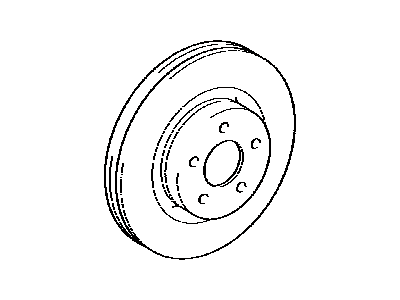
Toyota RAV4 Disc Brake Rotor Front
Part Number: 43512-42090$71.50 MSRP: $100.78You Save: $29.28 (30%)Ships in 1-3 Business Days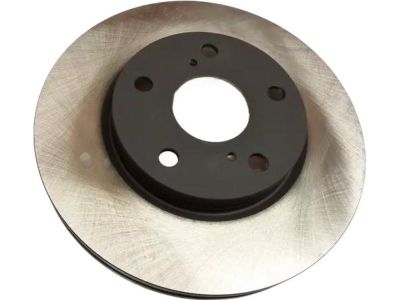
Toyota RAV4 Disc Brake Rotor Front
Part Number: 43512-42080$69.96 MSRP: $98.62You Save: $28.66 (30%)Ships in 1-3 Business Days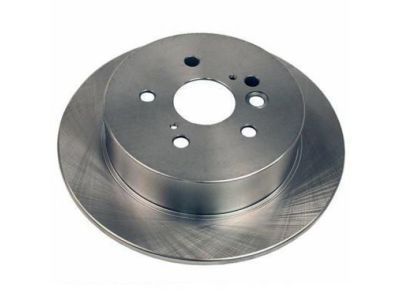
Toyota RAV4 Rear Disc
Part Number: 42431-42040$80.46 MSRP: $113.42You Save: $32.96 (30%)Ships in 1-2 Business DaysToyota RAV4 Disc Brake Rotor Front
Part Number: 43512-42031$79.05 MSRP: $111.43You Save: $32.38 (30%)Ships in 1-3 Business DaysToyota RAV4 Disc Brake Rotor Front
Part Number: 43512-42020$72.91 MSRP: $102.78You Save: $29.87 (30%)Ships in 1-3 Business Days
Toyota RAV4 Brake Disc
Toyota RAV4 Brake Disc is an essential part that will help to provide Toyota RAV4 with dependability and provide performance that is typical for sport utility vehicle that is on the market since 1994. This Brake Disc is applied to improve the responsiveness and safety of different RAV4 versions of the third and fourth generations. The set normally includes Brake Disc and pads that are standard or better since brake is a very crucial part of a vehicle's performance. The brake pads which use high friction material for attachment can also slow down the car through the Brake Disc important for normal and competitive driving. Also, the Brake Disc could also contain necessary metal hardware for easy fitment onto the brake system to guarantee even wear. This set of cars is well-built and very reliable particularly when it comes to its high temperature operation which speaks volumes about Toyota's dedication to quality that goes beyond the ordinary, in fact, it is ideal for both the normal and the performing driver on the road. The Brake Disc is exceptionally distinctive from its rivals in the automotive market since it eschews the notion that reliability, safety, and performance are mutually exclusive, as such, Toyota RAV4 Brake Disc is an indispensable component in helping RAV4 owners to prolong the life expectancy of their automobile's braking system properly. This Brake Disc fits well in many different models of the RAV4 and is proof of Toyota's constant innovation and drive to produce high quality vehicles.
If you are in demand for superior quality and affordable OEM Toyota RAV4 Brake Disc, then shop with us! We own a wide range of the reduced-priced genuine Toyota RAV4 Brake Disc. You can purchase in confidence as all parts come with a manufacturer's warranty. Any issues with our products? No need to worry as we have a hassle-free return policy to guide you every step of the way.
Toyota RAV4 Brake Disc Parts Questions & Experts Answers
- Q:How to inspect, remove, and install a brake disc on Toyota Rav4?A:Loosen the wheel lug nuts, raise the vehicle, and support it securely on jackstands. Remove the wheel and install the lug nuts to hold the disc in place against the hub flange; if the lug nuts don't contact the disc when screwed on all the way, install washers under them. Remove the Brake Caliper without disconnecting the brake hose, suspending it out of the way with a piece of wire to avoid stretching or pinching the flexible brake hose. Detach the mounting bracket by removing the two bolts while being careful not to lose the pad support plates. Visually inspect the disc surface for score marks and other damage; light scratches and shallow grooves are normal, but deep scoring requires disc removal and refinishing. Check both sides of the disc, as severe wear may necessitate replacement. To check disc runout, place a dial indicator about 1/2-inch from the outer edge of the disc, set it to zero, and turn the disc, ensuring the reading does not exceed the allowable run-out limit; resurfacing is recommended regardless of the reading to ensure a smooth finish. The disc must not be machined to a thickness under the specified minimum, which is typically cast or stamped into the inside of the disc, and can be checked with a micrometer. Remove the lug nuts holding the disc in place and slide the disc off the hub; if removing a rear disc that won't come off, it may be interfering with the parking brake shoes, requiring the removal of a plug and adjustment of the parking brake shoes. Place the new disc in position over the threaded studs, install the mounting bracket and caliper while tightening the bolts, then install the wheel and lower the vehicle to the ground, tightening the lug nuts. Depress the brake pedal a few times to bring the brake pads into contact with the disc, and check the operation of the brakes carefully before driving the vehicle.
Related Toyota RAV4 Parts
 Toyota RAV4 Brake Pad Set
 Toyota RAV4 Speed Sensor
 Toyota RAV4 Brake Master Cylinder
 Toyota RAV4 Brake Bleeder Screw
 Toyota RAV4 Parking Brake Cable
 Toyota RAV4 Brake Line
 Toyota RAV4 Wheel Cylinder Repair Kit
Browse by Year
2024 Brake Disc 2023 Brake Disc 2022 Brake Disc 2021 Brake Disc 2020 Brake Disc 2019 Brake Disc 2018 Brake Disc 2017 Brake Disc 2016 Brake Disc 2015 Brake Disc 2014 Brake Disc 2013 Brake Disc 2012 Brake Disc 2011 Brake Disc 2010 Brake Disc 2009 Brake Disc 2008 Brake Disc 2007 Brake Disc 2006 Brake Disc 2005 Brake Disc 2004 Brake Disc 2003 Brake Disc 2002 Brake Disc 2001 Brake Disc 2000 Brake Disc 1999 Brake Disc 1998 Brake Disc 1997 Brake Disc 1996 Brake Disc