

My Garage
My Account
Cart
Genuine Toyota RAV4 Oil Pan
Oil Drain Pan- Select Vehicle by Model
- Select Vehicle by VIN
Select Vehicle by Model
orMake
Model
Year
Select Vehicle by VIN
For the most accurate results, select vehicle by your VIN (Vehicle Identification Number).
15 Oil Pans found
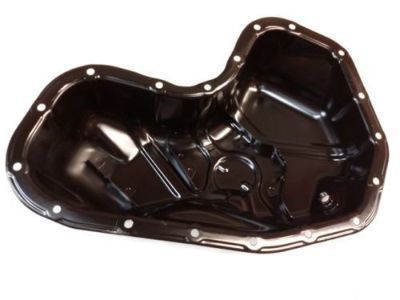
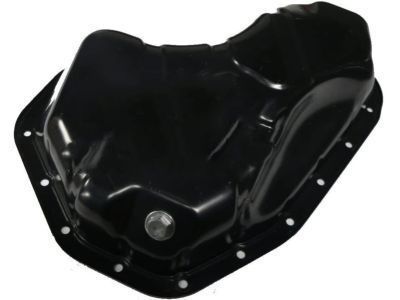
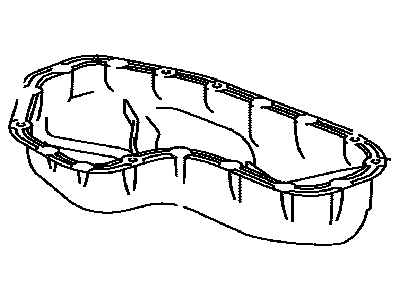
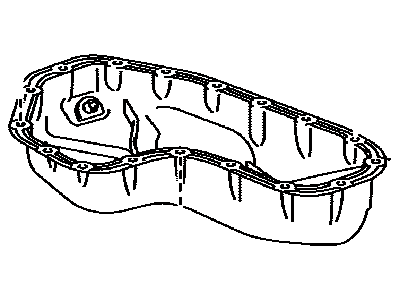
Toyota RAV4 Oil Pan Sub-Assembly
Part Number: 12102-0P020$141.44 MSRP: $201.08You Save: $59.64 (30%)Ships in 1-2 Business Days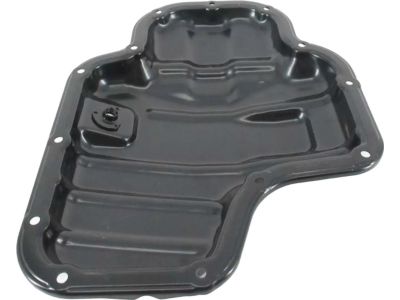
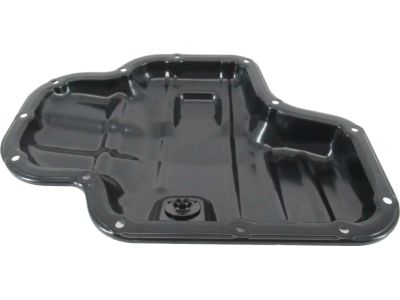
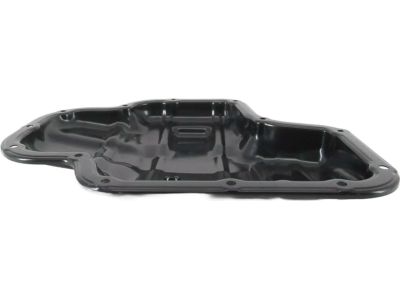
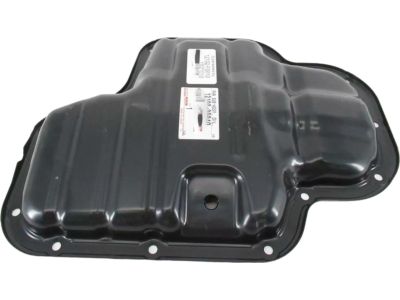
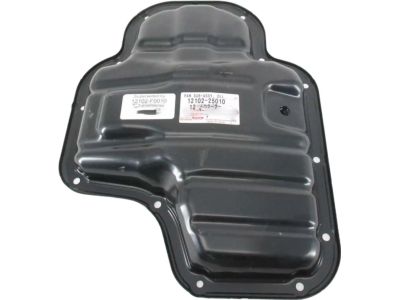
Toyota RAV4 Engine Oil Pan
Part Number: 12102-F0010$114.09 MSRP: $160.83You Save: $46.74 (30%)Ships in 1-3 Business Days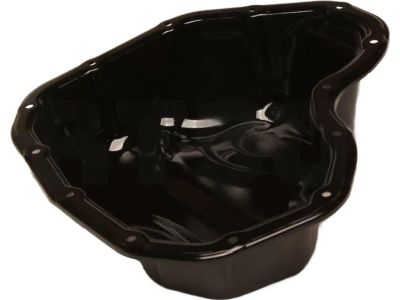
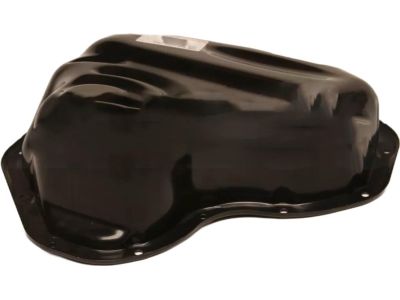
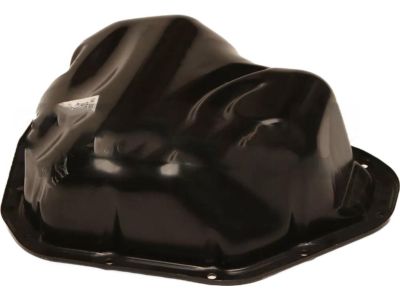
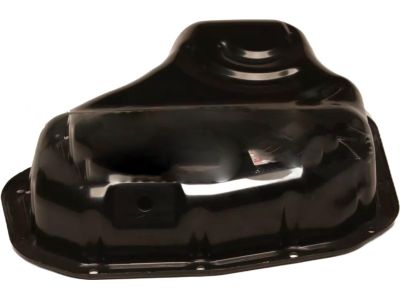
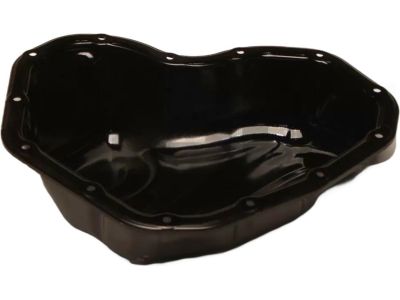
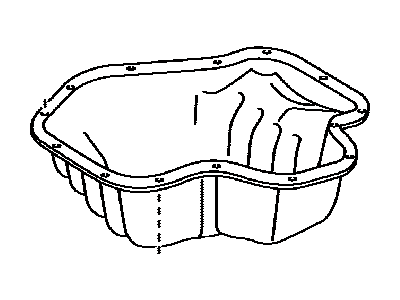
Toyota RAV4 Oil Pan Sub-Assembly
Part Number: 12101-36050$121.43 MSRP: $172.64You Save: $51.21 (30%)Ships in 1-3 Business Days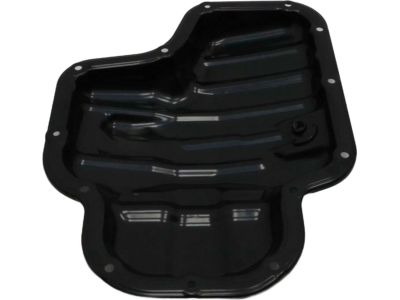
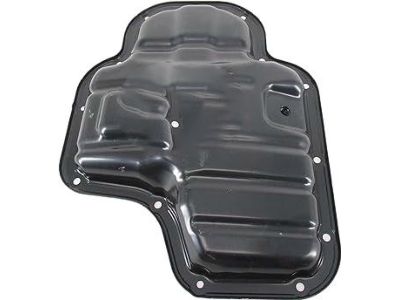
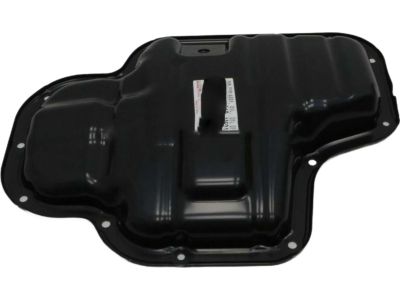
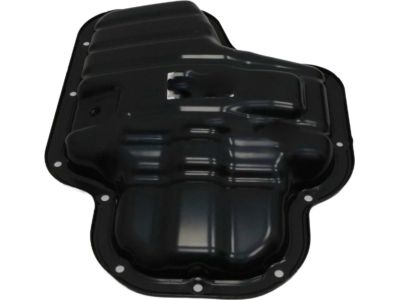
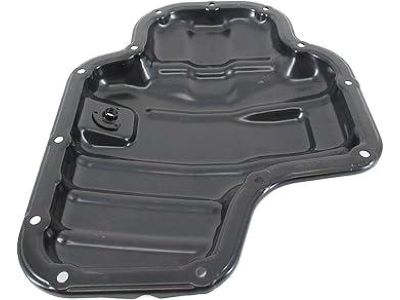
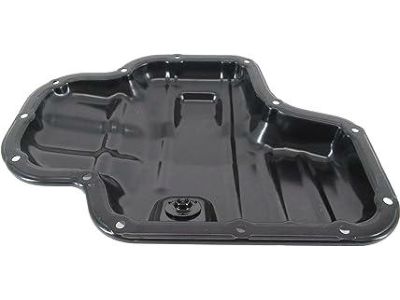
Toyota RAV4 Pan Sub-Assembly, Oil, N
Part Number: 12102-25010$114.09 MSRP: $160.83You Save: $46.74 (30%)Ships in 1-3 Business Days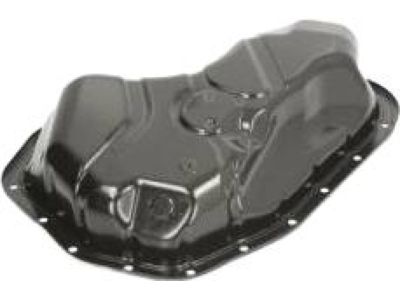
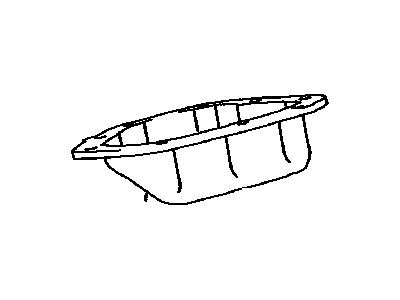
Toyota RAV4 Oil Pan Sub-Assembly
Part Number: 12102-31050$141.44 MSRP: $201.08You Save: $59.64 (30%)Ships in 1-3 Business Days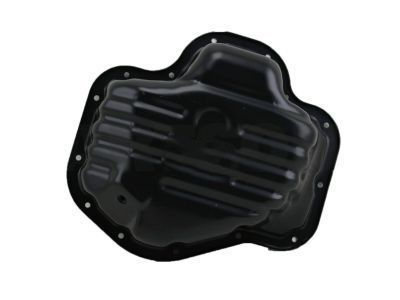
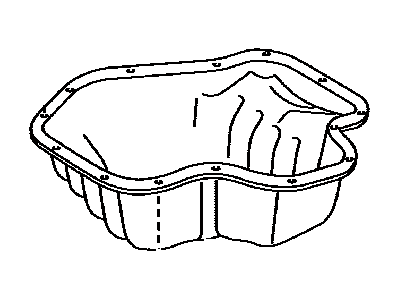
Toyota RAV4 Oil Pan Sub-Assembly
Part Number: 12101-28060$126.23 MSRP: $179.45You Save: $53.22 (30%)Ships in 1-3 Business Days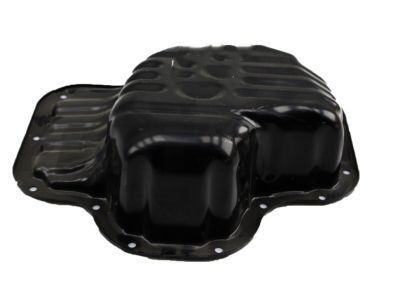
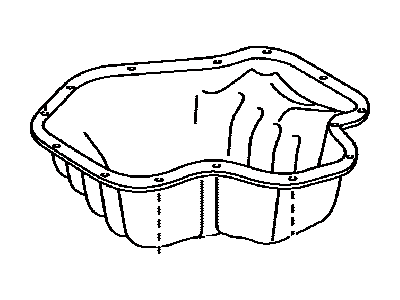
Toyota RAV4 Oil Pan Sub-Assembly
Part Number: 12101-28050$114.33 MSRP: $161.17You Save: $46.84 (30%)Ships in 1-3 Business Days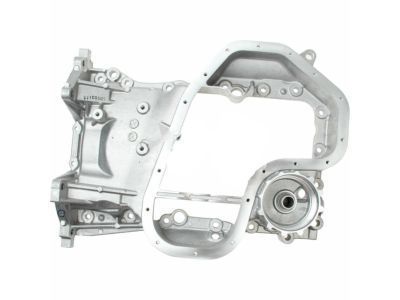
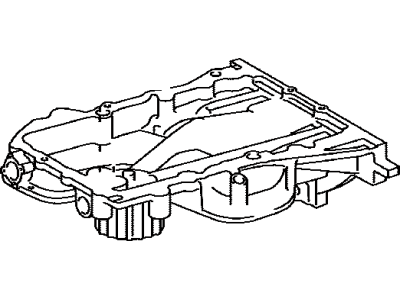
Toyota RAV4 Oil Pan Sub-Assembly
Part Number: 12101-0P040$187.21 MSRP: $268.45You Save: $81.24 (31%)Ships in 1-2 Business Days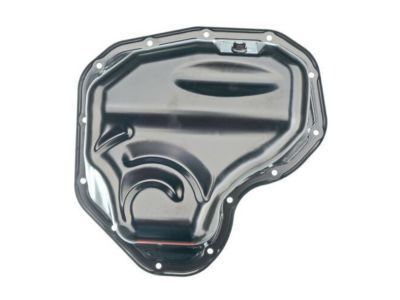
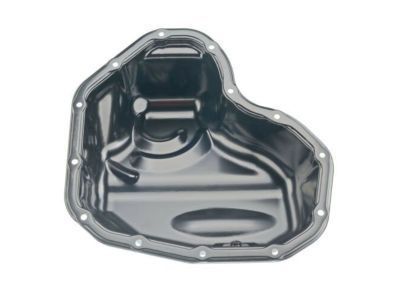
Toyota RAV4 Oil Pan Sub-Assembly
Part Number: 12101-0V030$121.43 MSRP: $172.64You Save: $51.21 (30%)Ships in 1-2 Business DaysToyota RAV4 Oil Pan Sub-Assembly
Part Number: 12101-28030$126.00 MSRP: $179.13You Save: $53.13 (30%)Ships in 1-3 Business Days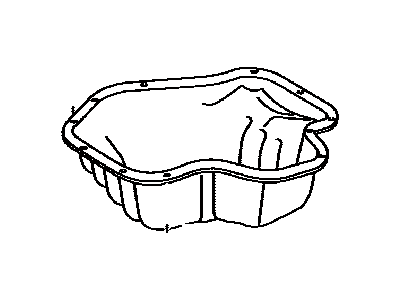
Toyota RAV4 Oil Pan Sub-Assembly
Part Number: 12101-31121$187.21 MSRP: $268.45You Save: $81.24 (31%)Ships in 1-3 Business DaysToyota RAV4 Pan Sub-Assembly, Oil
Part Number: 12102-31051$141.44 MSRP: $201.08You Save: $59.64 (30%)Ships in 1-3 Business DaysToyota RAV4 Oil Pan Sub-Assembly
Part Number: 12101-0V040$121.43 MSRP: $172.64You Save: $51.21 (30%)Ships in 1-3 Business Days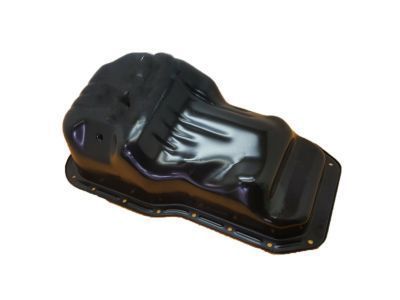
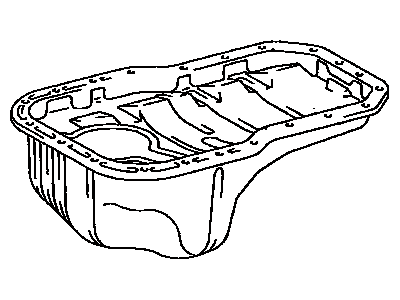
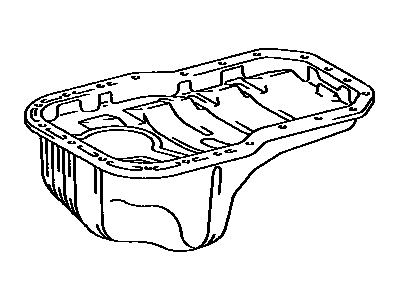
Toyota RAV4 Oil Pan
The Oil Pan of the Toyota RAV4 is the engine oil reservoir found underneath the engine. Located at the engine block's low point is the Oil Pan. After circulation through moving parts and returning to the sump via gravity, oil is collected in the Oil Pan, which is a fairly simple loop operating in the RAV4. Many passenger vehicles use a wet sump layout wherein an Oil Pan is applied to fence in a sump from which the oil pump picks up oil for continued circulation. Due to its sealed structure, the pan prevents leaks that would reduce the volume of available oil. The Oil Pan is an important component to protect vital bearings, pistons, and valvetrain components from metal-to-metal contact. Due to the lower projection of the assembly from the crankshaft, the engine is designed to be mounted higher to achieve clearance. During sharp cornering, oil inside can shift. For maintaining pressure and keeping the pickup submerged, internal baffling or contouring may be applied. Standard on every Toyota, the Oil Pan guarantees the consistent lubrication of the Toyota RAV4. Every gasoline-powered engine equipped in the Toyota RAV4 uses the pan.
If you are in demand for superior quality and affordable OEM Toyota RAV4 Oil Pan, then shop with us! We own a wide range of the reduced-priced genuine Toyota RAV4 Oil Pan. You can purchase in confidence as all parts come with a manufacturer's warranty. Any issues with our products? No need to worry as we have a hassle-free return policy to guide you every step of the way.
Toyota RAV4 Oil Pan Parts Questions & Experts Answers
- Q:How to remove and install the oil pan on Toyota Rav4?A:To remove the oil pan, the first thing is to unplug the cable of the negative terminal of the battery, engage the parking brake then place the rear wheels on a block. Open the bonnet and lift the front of the vehicle so it is well supported by jack stands. If fitted, pull off the two black plastic 'water' shields under the engine, then drain the engine oil and pull out the oil filter, and the oil dipstick if it is still fitted. The oil pan should be detached by the nuts, if it is tightly fixed due to sealant, and use the putty knife to loosen its fix since the sealant sticks the pan tightly and ensure that the tapping is done carefully in order to avoid spoiling the sealing surfaces and therefore leading to oil leakage. For installation, scrape and remove the old sealant on the block, as well as the oil pan aggressively with a scraper and then, clean with lacquer thinner or acetone. Make sure that the threaded holes on the block are spinned and examine the oil pan flange for warping, which requires the further pinning or grinding to smoothen the project. Check for cracks on the oil pump pick-up tube assembly and blocked strainer, if removed, then clean it and in case it was removed replace it with a new gasket and then use new nuts and bolts to tighten the place. Use a cord of 3/16 inch of RTV sealant to the oil pan's mating surface and make sure that you adhere to the manufacturer's guideline in relation to assembly and curing time. Place the oil pan over the engine block and screw in the bolts without tightening them, then tighten them starting with the ones marked "A" then tighten them again. The rest of the installation is the process of removal in reverse, but the sealant should cure for at least one hour before introducing oil into the system. Lastly, start the engine and notice if the oil pressure light or oil leak warning comes on.
Related Toyota RAV4 Parts
 Toyota RAV4 Drain Plug Washer
 Toyota RAV4 Drain Plug
 Toyota RAV4 Oil Filter
 Toyota RAV4 Dipstick
 Toyota RAV4 Oil Pump
 Toyota RAV4 Crankshaft Pulley
 Toyota RAV4 Rod Bearing
 Toyota RAV4 Oil Cooler
 Toyota RAV4 Oil Pressure Switch
 Toyota RAV4 Dipstick Tube
 Toyota RAV4 Piston Ring Set
 Toyota RAV4 Crankshaft Thrust Washer Set
Browse by Year
2024 Oil Pan 2023 Oil Pan 2022 Oil Pan 2021 Oil Pan 2020 Oil Pan 2019 Oil Pan 2018 Oil Pan 2017 Oil Pan 2016 Oil Pan 2015 Oil Pan 2014 Oil Pan 2013 Oil Pan 2012 Oil Pan 2011 Oil Pan 2010 Oil Pan 2009 Oil Pan 2008 Oil Pan 2007 Oil Pan 2006 Oil Pan 2005 Oil Pan 2004 Oil Pan 2003 Oil Pan 2002 Oil Pan 2001 Oil Pan 2000 Oil Pan 1999 Oil Pan 1998 Oil Pan 1997 Oil Pan 1996 Oil Pan