

My Garage
My Account
Cart
Genuine Toyota Sequoia Brake Booster
Brake Power Booster- Select Vehicle by Model
- Select Vehicle by VIN
Select Vehicle by Model
orMake
Model
Year
Select Vehicle by VIN
For the most accurate results, select vehicle by your VIN (Vehicle Identification Number).
10 Brake Boosters found
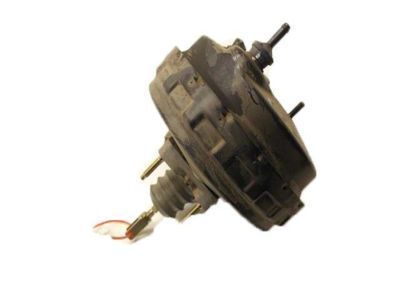
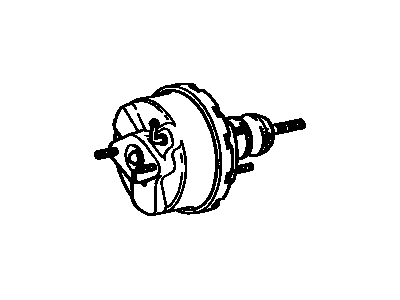
Toyota Sequoia Brake Booster Assembly
Part Number: 44610-0C030$1145.40 MSRP: $1710.25You Save: $564.85 (34%)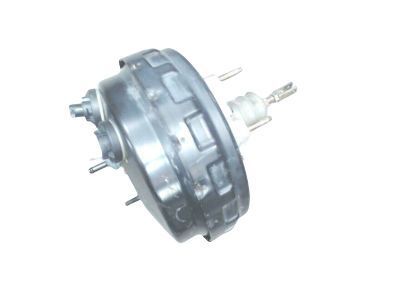
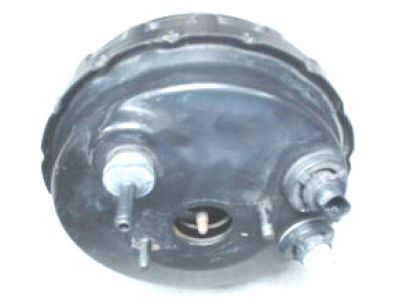
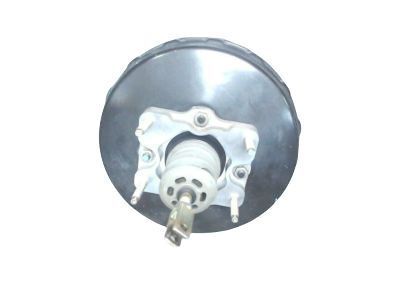
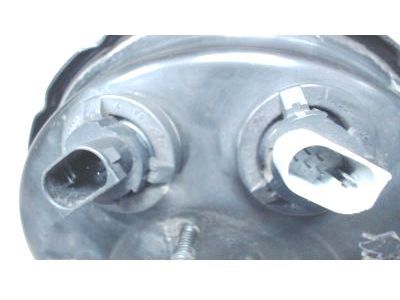
Toyota Sequoia Brake Booster Assembly
Part Number: 44610-0C040$863.78 MSRP: $1289.75You Save: $425.97 (34%)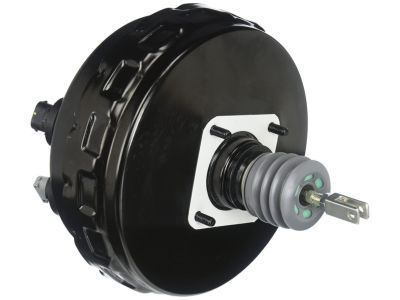
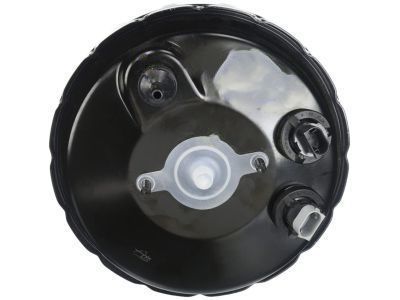
Toyota Sequoia Brake Booster Assembly
Part Number: 44610-0C041$863.78 MSRP: $1289.75You Save: $425.97 (34%)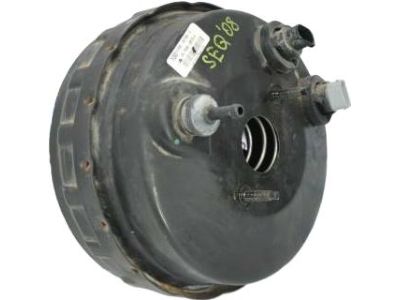
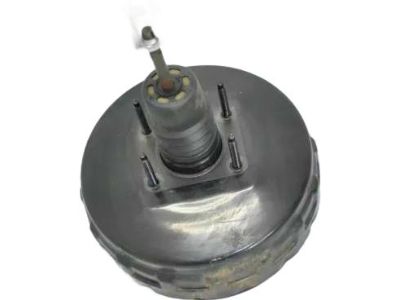
Toyota Sequoia Brake Booster Assembly
Part Number: 44610-0C090$1058.62 MSRP: $1580.67You Save: $522.05 (34%)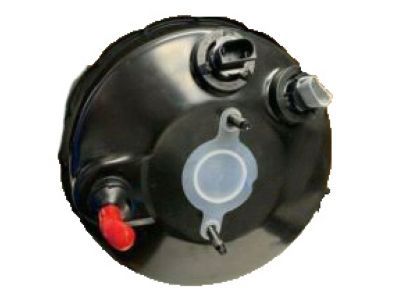
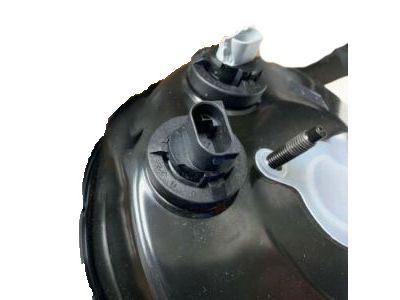
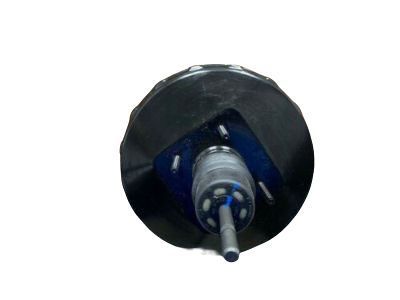
Toyota Sequoia Brake Booster Assembly
Part Number: 44610-0C091$1058.62 MSRP: $1580.67You Save: $522.05 (34%)Toyota Sequoia Brake Booster Assembly
Part Number: 44610-0C101$1062.48 MSRP: $1586.43You Save: $523.95 (34%)Ships in 1-3 Business DaysToyota Sequoia Brake Booster Assembly
Part Number: 44610-0C111$829.03 MSRP: $1237.85You Save: $408.82 (34%)Ships in 1-3 Business DaysToyota Sequoia Brake Booster Assembly
Part Number: 44610-0C110$829.03 MSRP: $1237.85You Save: $408.82 (34%)Ships in 1-3 Business Days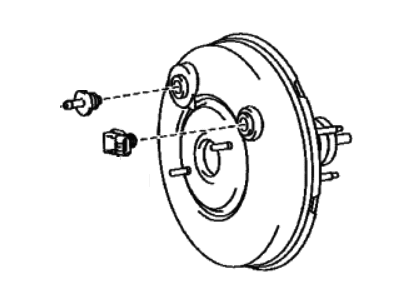
Toyota Sequoia Brake Booster Assembly
Part Number: 44610-0C120$605.67 MSRP: $904.35You Save: $298.68 (34%)Ships in 1-3 Business DaysToyota Sequoia Brake Booster Assembly
Part Number: 44610-0C100$1062.48 MSRP: $1586.43You Save: $523.95 (34%)Ships in 1-3 Business Days
Toyota Sequoia Brake Booster
The Toyota Sequoia Brake Booster is an essential component that eases the force required to pull the vehicles' brakes. Located in the vacuum chamber the force which the driver applies on the brake pedal Multiplier increases x2 thus improving on braking systems. There are two types of boosters used in Sequoia vehicles: These are; vacuum boosters and hydraulic boosters. Vacuum boosters work according to the difference of vacuum pressure which is produced in the engine and hydraulic boosters use fluid pressure to apply the brake. The Brake Booster is usually effective but can malfunction from time to time and hence will need to be fixed or replaced. Further, common parts include performance Brake Boosters, and power brake conversion kits for the convenience and opulent additional feel of the breaks.
If you are in demand for superior quality and affordable OEM Toyota Sequoia Brake Booster, then shop with us! We own a wide range of the reduced-priced genuine Toyota Sequoia Brake Booster. You can purchase in confidence as all parts come with a manufacturer's warranty. Any issues with our products? No need to worry as we have a hassle-free return policy to guide you every step of the way.
Toyota Sequoia Brake Booster Parts Questions & Experts Answers
- Q:How to operate and remove/install a power brake booster on Toyota Sequoia?A:Depress the brake pedal several times with the engine off and make sure there's no change in the pedal reserve distance. Depress the pedal and start the engine. If the pedal goes down slightly, operation is normal. Airtightness check: Start the engine and turn it off after one or two minutes. Depress the brake pedal slowly several times. If the pedal depresses less each time, the booster is airtight. Depress the brake pedal while the engine is running, then stop the engine with the pedal depressed. If there's no change in the pedal reserve travel after holding the pedal for 30 seconds, the booster is airtight. Removal: Power brake booster units shouldn't be disassembled. They require special tools not normally found in most automotive repair stations or shops. Because of its critical relationship to brake performance, the booster should be replaced with a new or rebuilt one. Disconnect the electrical connectors from the booster. Disconnect the vacuum hose leading from the engine to the booster. Be careful not to damage the hose when removing it from the booster fitting. Remove the Brake Master Cylinder. Remove the left side lower finish panel from the instrument panel. Locate the pushrod clevis connecting the booster to the brake pedal. Remove the clevis pin retaining clip with pliers and pull out the pin. Remove the four nuts holding the brake booster to the firewall; you may need a light to see them. Slide the booster straight out from the firewall until the studs clear the holes. Installation: Installation procedures are basically the reverse of removal. Make sure the clevis pin retaining clip is fully seated. After the final installation of the master cylinder and Brake Lines, the system must be bled and the brake pedal height and freeplay must be checked. Carefully test the operation of the brakes before placing the vehicle in normal operation.
Related Toyota Sequoia Parts
 Toyota Sequoia Brake Disc
 Toyota Sequoia Brake Drum
 Toyota Sequoia Brake Master Cylinder
 Toyota Sequoia Brake Caliper
 Toyota Sequoia Brake Bleeder Screw
 Toyota Sequoia Brake Line
 Toyota Sequoia Brake Light Switch
 Toyota Sequoia Brake Caliper Bracket
 Toyota Sequoia Brake Fluid Pump
Browse by Year
2025 Brake Booster 2024 Brake Booster 2023 Brake Booster 2022 Brake Booster 2021 Brake Booster 2020 Brake Booster 2019 Brake Booster 2018 Brake Booster 2017 Brake Booster 2016 Brake Booster 2015 Brake Booster 2014 Brake Booster 2013 Brake Booster 2012 Brake Booster 2011 Brake Booster 2010 Brake Booster 2009 Brake Booster 2008 Brake Booster 2007 Brake Booster 2006 Brake Booster 2005 Brake Booster 2004 Brake Booster 2003 Brake Booster 2002 Brake Booster 2001 Brake Booster