

My Garage
My Account
Cart
Genuine Toyota Tacoma Differential Seal
- Select Vehicle by Model
- Select Vehicle by VIN
Select Vehicle by Model
orMake
Model
Year
Select Vehicle by VIN
For the most accurate results, select vehicle by your VIN (Vehicle Identification Number).
19 Differential Seals found
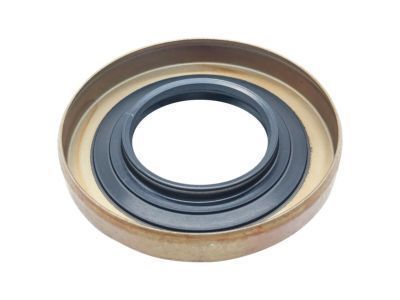
Toyota Tacoma Type T Oil Seal
Part Number: 90311-38047$9.03 MSRP: $12.62You Save: $3.59 (29%)Ships in 1-3 Business Days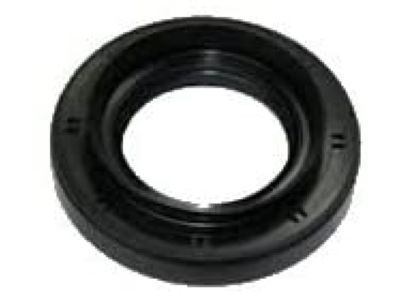
Toyota Tacoma Type T Oil Seal
Part Number: 90311-41009$18.55 MSRP: $25.93You Save: $7.38 (29%)Ships in 1-2 Business Days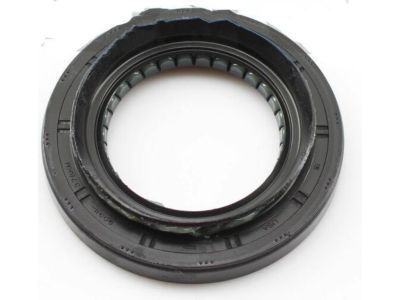
Toyota Tacoma Oil Seal
Part Number: 90311-A0008$29.14 MSRP: $40.74You Save: $11.60 (29%)Ships in 1-3 Business Days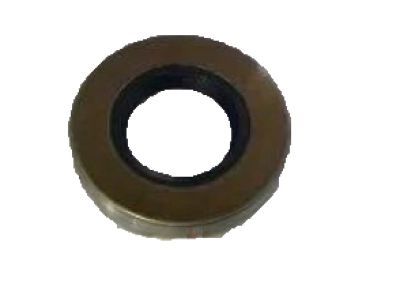
Toyota Tacoma Oil Seal
Part Number: 90311-38133$9.03 MSRP: $12.62You Save: $3.59 (29%)Ships in 1-2 Business Days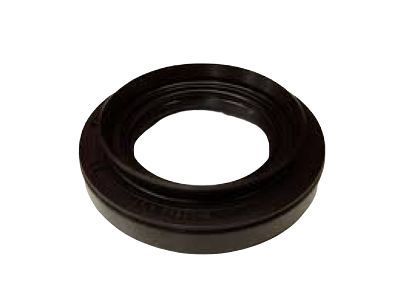
Toyota Tacoma Oil Seal
Part Number: 90311-44007$20.46 MSRP: $28.59You Save: $8.13 (29%)Ships in 1-2 Business Days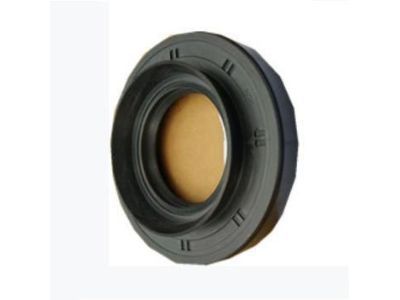
Toyota Tacoma Oil Seal
Part Number: 90311-38049$12.96 MSRP: $18.11You Save: $5.15 (29%)Ships in 1-3 Business Days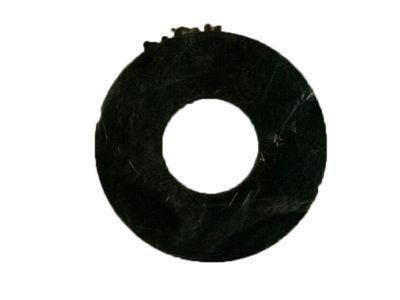
Toyota Tacoma Slinger, Rear Differential Drive Pinion Oil
Part Number: 41214-26010$12.25 MSRP: $17.12You Save: $4.87 (29%)Ships in 1-2 Business Days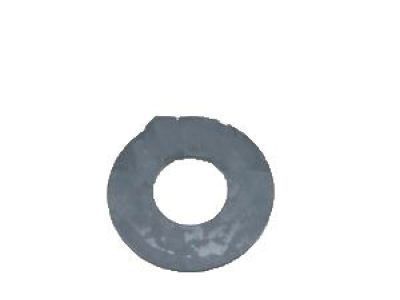
Toyota Tacoma Slinger, Front Differential Drive Pinion Oil
Part Number: 41214-26011$7.37 MSRP: $10.30You Save: $2.93 (29%)Ships in 1-3 Business Days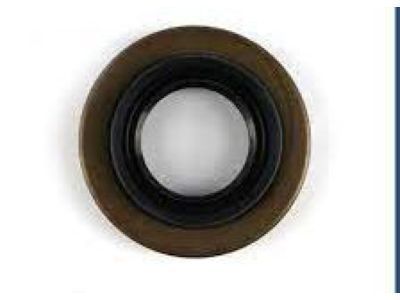
Toyota Tacoma Type T Oil Seal
Part Number: 90311-41015$18.43 MSRP: $25.77You Save: $7.34 (29%)Ships in 1-3 Business Days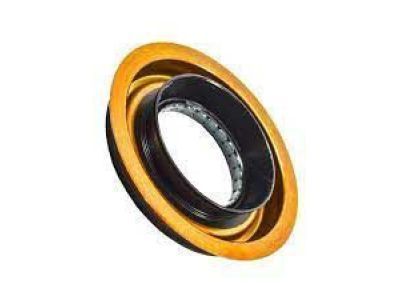
Toyota Tacoma Type T Oil Seal
Part Number: 90311-T0065$17.48 MSRP: $24.43You Save: $6.95 (29%)Ships in 1-3 Business Days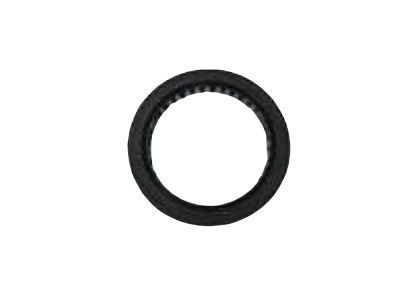
Toyota Tacoma Type T Oil Seal
Part Number: 90311-44008$20.46 MSRP: $28.59You Save: $8.13 (29%)Ships in 1-3 Business Days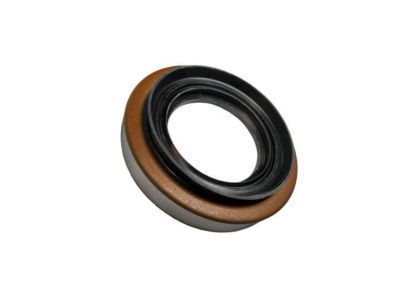
Toyota Tacoma Oil Seal
Part Number: 90311-44006$20.46 MSRP: $28.59You Save: $8.13 (29%)Ships in 1-2 Business Days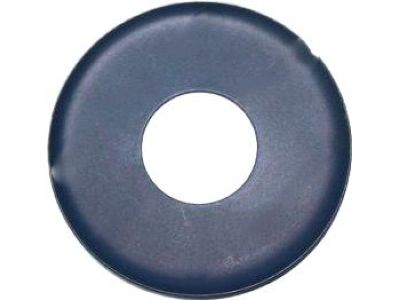
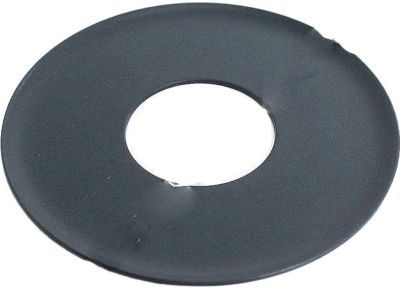
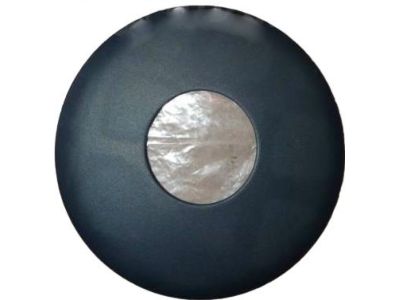
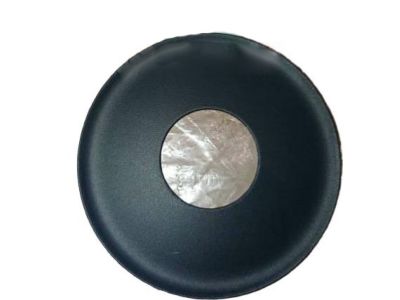
Toyota Tacoma Drive Pinion Oil Slinger
Part Number: 41214-30021$19.14 MSRP: $26.75You Save: $7.61 (29%)Ships in 1-2 Business Days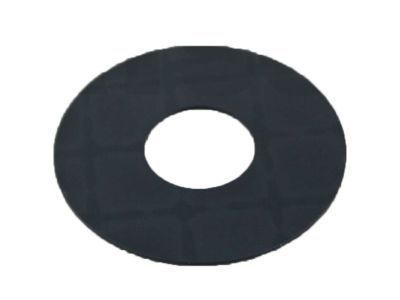
Toyota Tacoma Slinger, Rear Differential Drive Pinion Oil
Part Number: 41214-35020$7.72 MSRP: $10.80You Save: $3.08 (29%)Ships in 1-3 Business Days
Toyota Tacoma Oil Seal
Part Number: 90311-38035$9.03 MSRP: $12.62You Save: $3.59 (29%)Ships in 1-3 Business DaysToyota Tacoma Type T Oil Seal
Part Number: 90311-T0068$18.43 MSRP: $25.77You Save: $7.34 (29%)Ships in 1-3 Business Days
Toyota Tacoma Slinger, Rear Differential Drive Pinion Oil
Part Number: 41214-35030$7.72 MSRP: $10.80You Save: $3.08 (29%)Ships in 1-3 Business Days
Toyota Tacoma Slinger Drive Pinion
Part Number: 41214-34040$4.15 MSRP: $5.81You Save: $1.66 (29%)Ships in 1-3 Business DaysToyota Tacoma Drive Pinion Oil Slinger
Part Number: 41214-0K040$9.03 MSRP: $12.62You Save: $3.59 (29%)Ships in 1-3 Business Days
Toyota Tacoma Differential Seal
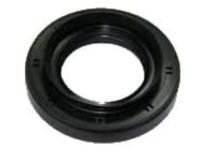
The Toyota Tacoma Differential Seal can block debris and retain gear oil inside the axle's differential. This ensures torque is delivered in every turn. This small ring, comprised of synthetic rubber, is located where the driveshaft or half-shaft makes contact with the housing. Its tight lip, helped by silicone grease, presses onto the rotating shaft. This keeps lubricant in place even as the wheels spin at different speeds. Down the years, there are two main differential styles, open and limited slip. Although they have different gear arrangements, they use the same Differential Seal to prevent fluid loss. This prevents the gears from becoming damaged due to fluid evaporation, heat, or pressure damage. Many seals applied in factories are generally molded out of something requiring rubber blends built for resistance to heat. Further, the performance versions sometimes feature flanged edges or a latex coating to resist cocking and imperfections in the seal bore. The basic design is simply oil retaining; the enhanced design adds reinforcement. A Differential Seal can fail, leading to a driver noticing leaks, clanking, or rattling. Replacing it quickly restores proper lubrication, maximizes component life, and saves the Tacoma differential from costly wear. A new Differential Seal keeps your Toyota Tacoma ready for the trails. Toyota owners should be cautious of noises and check every 3,000 miles to ensure each Differential Seal is in order.
If you are in demand for superior quality and affordable OEM Toyota Tacoma Differential Seal, then shop with us! We own a wide range of the reduced-priced genuine Toyota Tacoma Differential Seal. You can purchase in confidence as all parts come with a manufacturer's warranty. Any issues with our products? No need to worry as we have a hassle-free return policy to guide you every step of the way.
Toyota Tacoma Differential Seal Parts Questions & Experts Answers
- Q:How to replace the front differential seal on 2005 through 2009 Toyota Tacoma?A:This procedure applies to the rear pinion seal on all vehicles and the front pinion seal on 4WD models. Begin by loosening the wheel lug nuts, raising the vehicle, and securely supporting it on jackstands, while blocking the wheels at the opposite end to prevent rolling. Remove the rear wheels for a more accurate pinion shaft preload reading. Disconnect the driveshaft from the Differential and position it off to the side using rope or mechanics wire. Use an inch-pound torque wrench to check the torque required to rotate the pinion. Make alignment marks on the pinion shaft and flange before removing the nut, then unstake the pinion nut. Count the number of threads visible between the end of the nut and the end of the pinion shaft for later use. A special flange holding tool is recommended to keep the companion flange from moving while loosening the pinion nut; if unavailable, immobilize the flange with a large screwdriver wedged against a bracket or reinforcement rib. Remove the pinion nut and withdraw the companion flange, using a puller if necessary, without prying or hammering on it. Pry out the old seal and discard it. Lubricate the lips of the new seal with high-temperature grease and tap it evenly into position, ensuring it enters the housing squarely and to its full depth. Align the mating marks made before disassembly and install the companion flange, tightening the pinion nut to draw the flange into place without hammering. Apply non-hardening sealant to the ends of the splines visible in the center of the flange. Install the washer if equipped and a new pinion nut, tightening it carefully until the original number of threads are exposed. Measure the torque required to rotate the pinion and tighten the nut in small increments until it matches the recorded pinion shaft bearing preload, compensating for the drag of the new seal by tightening slightly more, but not exceeding 5 in-lbs. Once the proper preload is reached, stake the collar of the nut into the slot in the pinion shaft. Reconnect the driveshaft to the pinion flange, check the differential lubricant level, and add if necessary. Finally, install the wheels, lower the vehicle, and tighten the lug nuts to the specified torque.
Related Toyota Tacoma Parts
 Toyota Tacoma Drain Plug Washer
 Toyota Tacoma Drain Plug
 Toyota Tacoma Oil Pump Gasket
 Toyota Tacoma PCV Hose
 Toyota Tacoma Dipstick
 Toyota Tacoma Drive Shaft
 Toyota Tacoma Differential
 Toyota Tacoma Output Shaft Bearing
 Toyota Tacoma Differential Bearing
 Toyota Tacoma Differential Mount
 Toyota Tacoma Engine Mount
 Toyota Tacoma Fuel Line Clamps
Browse by Year
2025 Differential Seal 2024 Differential Seal 2023 Differential Seal 2022 Differential Seal 2021 Differential Seal 2020 Differential Seal 2019 Differential Seal 2018 Differential Seal 2017 Differential Seal 2016 Differential Seal 2015 Differential Seal 2014 Differential Seal 2013 Differential Seal 2012 Differential Seal 2011 Differential Seal 2010 Differential Seal 2009 Differential Seal 2008 Differential Seal 2007 Differential Seal 2006 Differential Seal 2005 Differential Seal 2004 Differential Seal 2003 Differential Seal 2002 Differential Seal 2001 Differential Seal 2000 Differential Seal 1999 Differential Seal 1998 Differential Seal 1997 Differential Seal 1996 Differential Seal 1995 Differential Seal