

My Garage
My Account
Cart
Genuine Toyota Tacoma Oxygen Sensor
Oxygen O2 Sensor- Select Vehicle by Model
- Select Vehicle by VIN
Select Vehicle by Model
orMake
Model
Year
Select Vehicle by VIN
For the most accurate results, select vehicle by your VIN (Vehicle Identification Number).
80 Oxygen Sensors found
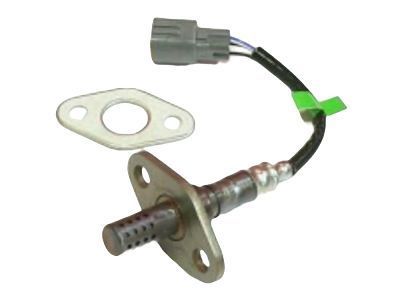
Toyota Tacoma Oxygen Sensor
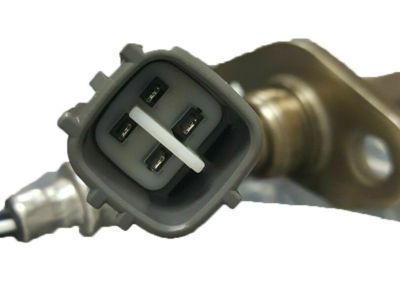
Part Number: 89465-39835$141.56 MSRP: $201.25You Save: $59.69 (30%)Ships in 1 Business Day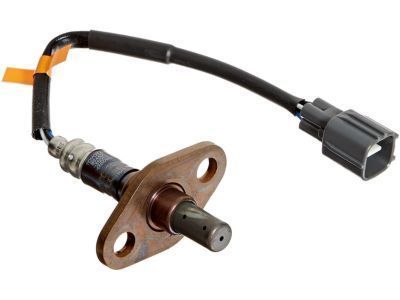
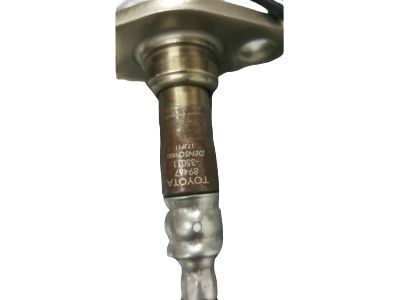
Toyota Tacoma Air Fuel Ratio Oxygen Sensor
Part Number: 89467-35011$236.74 MSRP: $339.47You Save: $102.73 (31%)Ships in 1-3 Business Days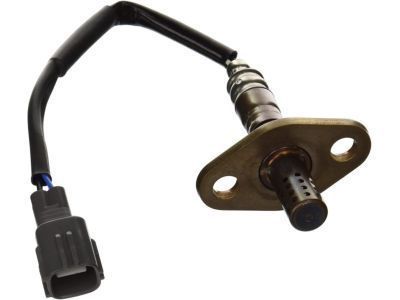
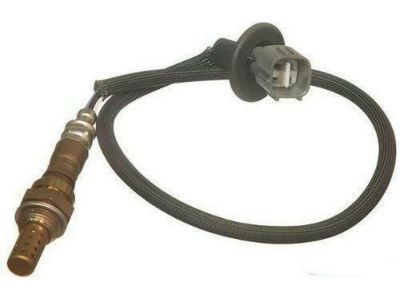
Toyota Tacoma Oxygen Sensor
Part Number: 89465-39855$137.70 MSRP: $195.76You Save: $58.06 (30%)Ships in 1-2 Business Days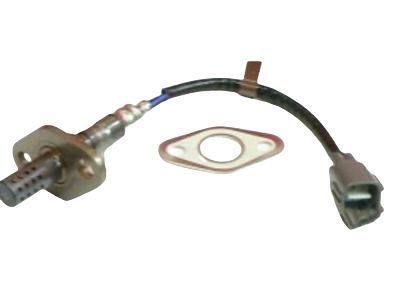

Toyota Tacoma Oxygen Sensor
Part Number: 89465-39735$141.56 MSRP: $201.25You Save: $59.69 (30%)Ships in 1-3 Business Days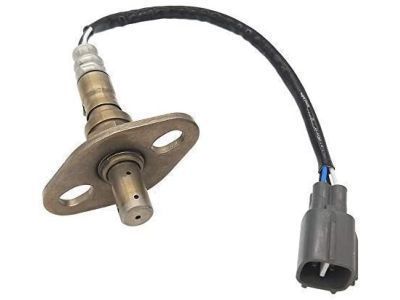
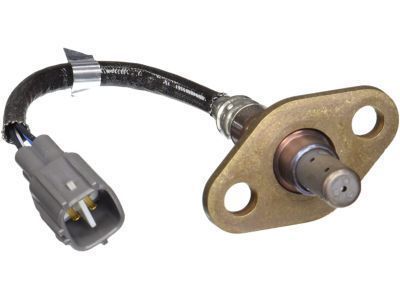
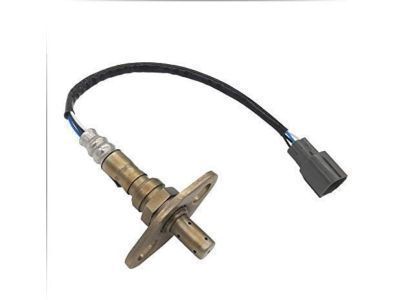
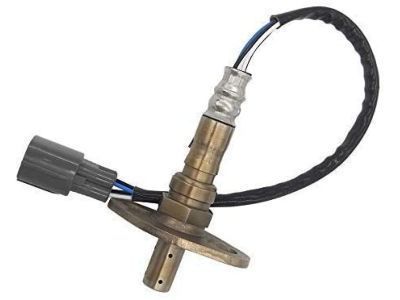
Toyota Tacoma Air Fuel Ratio Oxygen Sensor
Part Number: 89467-35060$226.54 MSRP: $324.84You Save: $98.30 (31%)Ships in 1-3 Business Days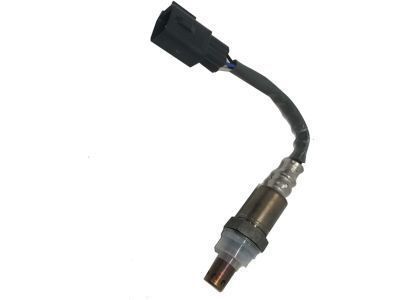
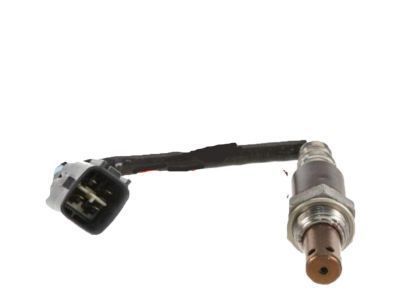
Toyota Tacoma Air Fuel Ratio Oxygen Sensor
Part Number: 89467-04020$215.40 MSRP: $308.87You Save: $93.47 (31%)Ships in 1-3 Business Days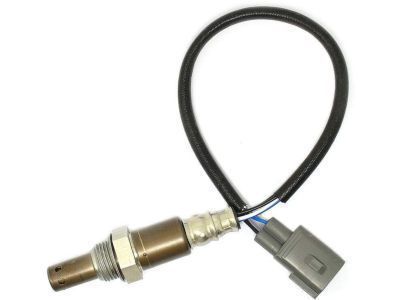
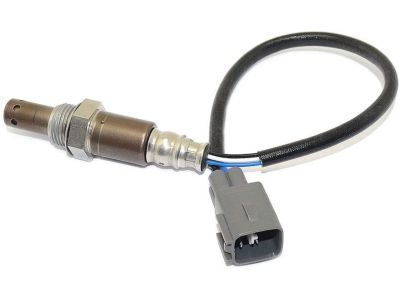
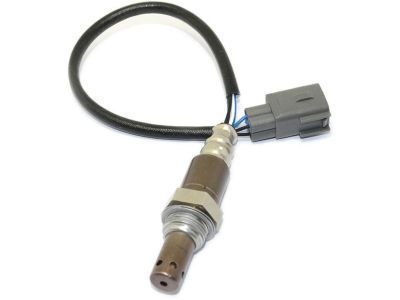
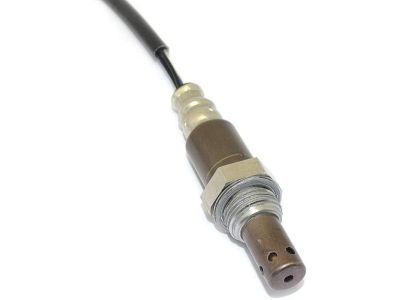
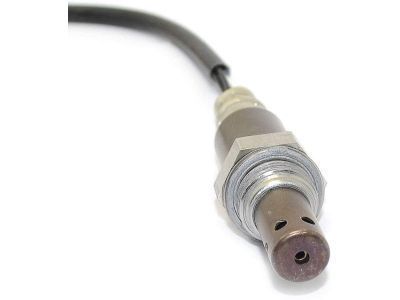
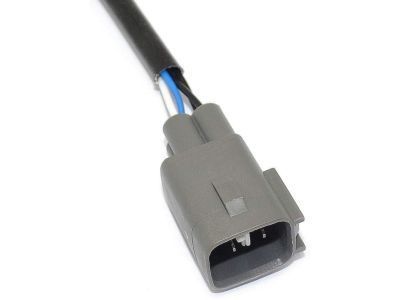
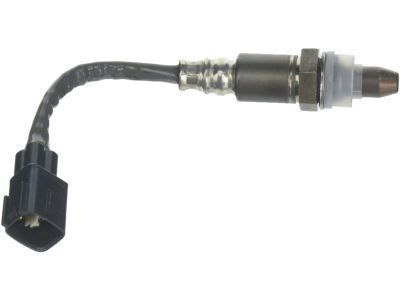
Toyota Tacoma Air Fuel Ratio Oxygen Sensor
Part Number: 89467-04060$193.48 MSRP: $277.43You Save: $83.95 (31%)Ships in 1-2 Business Days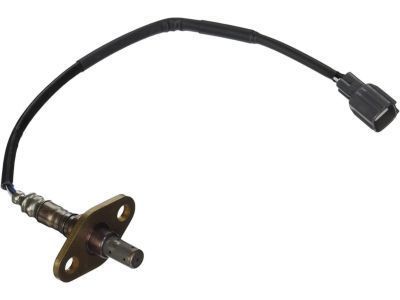
Toyota Tacoma Air Fuel Ratio Oxygen Sensor
Part Number: 89467-34011$227.93 MSRP: $326.83You Save: $98.90 (31%)Ships in 1-2 Business Days
Toyota Tacoma Air Fuel Ratio Oxygen Sensor
Part Number: 89467-0C060$190.46 MSRP: $273.11You Save: $82.65 (31%)Ships in 1-2 Business Days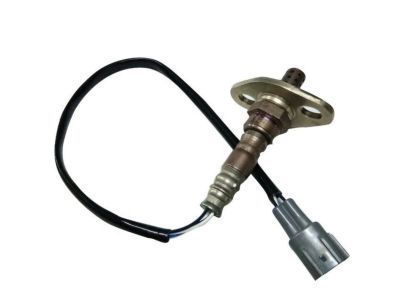
Toyota Tacoma Oxygen Sensor
Part Number: 89465-39825$128.22 MSRP: $182.28You Save: $54.06 (30%)Ships in 1-3 Business Days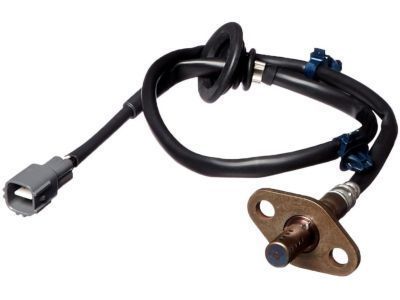
Toyota Tacoma Oxygen Sensor
Part Number: 89465-09370$121.79 MSRP: $173.14You Save: $51.35 (30%)Ships in 1-2 Business Days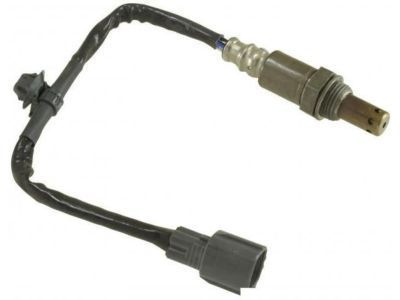
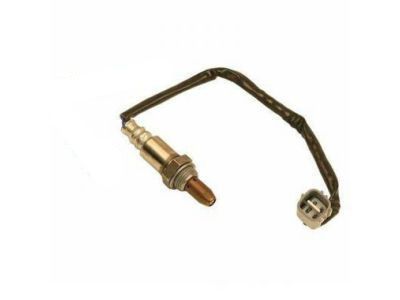
Toyota Tacoma Air Fuel Ratio Oxygen Sensor
Part Number: 89467-04010$200.20 MSRP: $287.08You Save: $86.88 (31%)Ships in 1-2 Business Days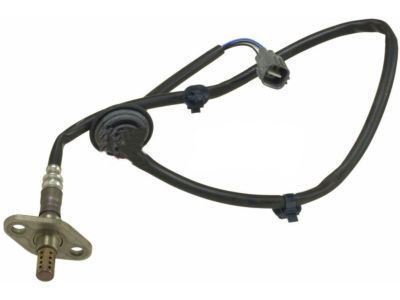
Toyota Tacoma Oxygen Sensor
Part Number: 89465-09340$115.86 MSRP: $163.32You Save: $47.46 (30%)Ships in 1-2 Business Days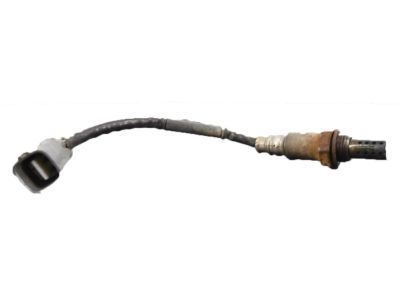
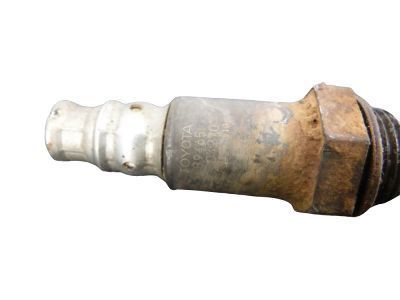
Toyota Tacoma Oxygen Sensor
Part Number: 89465-04270$112.56 MSRP: $158.66You Save: $46.10 (30%)Ships in 1-2 Business Days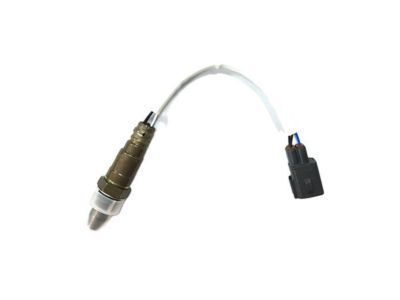
Toyota Tacoma Air Fuel Ratio Oxygen Sensor
Part Number: 89467-04090$191.27 MSRP: $274.27You Save: $83.00 (31%)Ships in 1-2 Business Days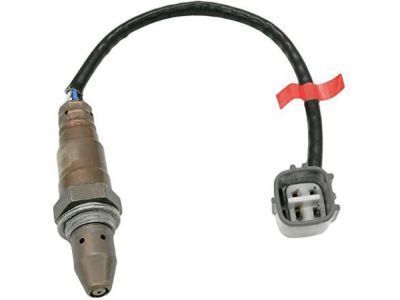
Toyota Tacoma Air Fuel Ratio Oxygen Sensor
Part Number: 89467-04080$204.15 MSRP: $292.73You Save: $88.58 (31%)Ships in 1-2 Business Days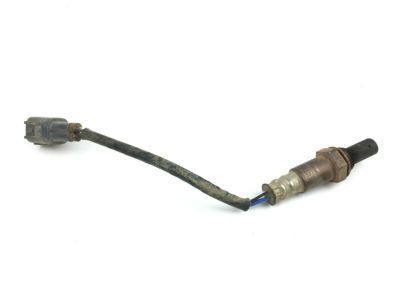
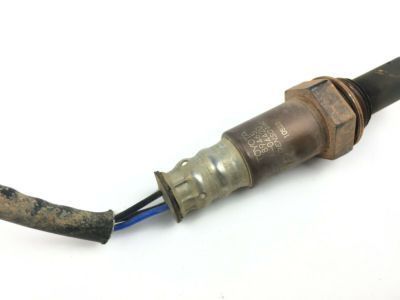
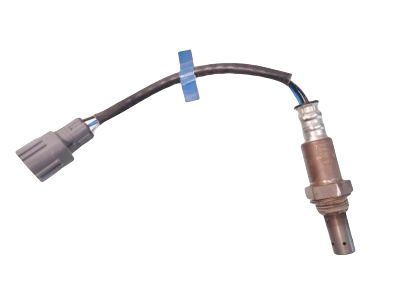
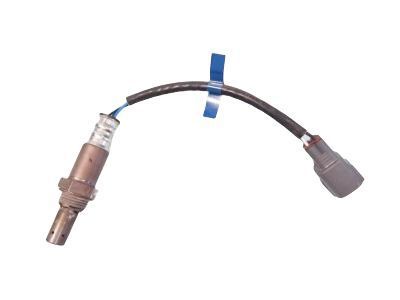
Toyota Tacoma Oxygen Sensor
Part Number: 89465-04420$127.75 MSRP: $181.62You Save: $53.87 (30%)Ships in 1-2 Business Days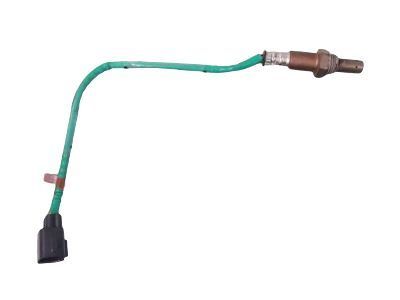
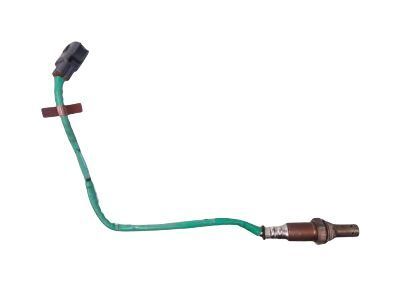
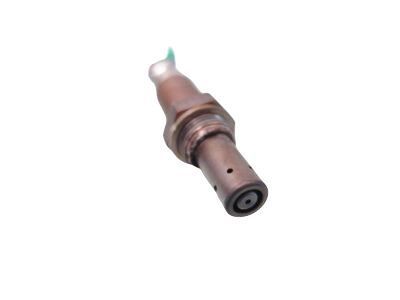
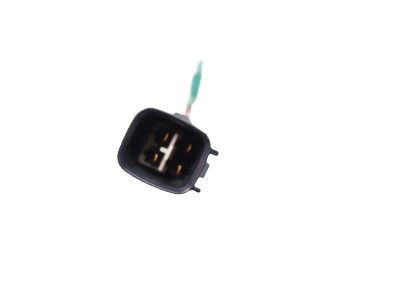
Toyota Tacoma Oxygen Sensor No.2
Part Number: 89465-04430$127.40 MSRP: $181.12You Save: $53.72 (30%)Ships in 1-3 Business Days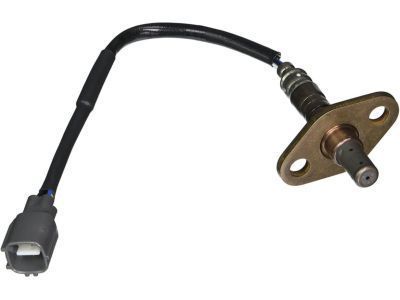
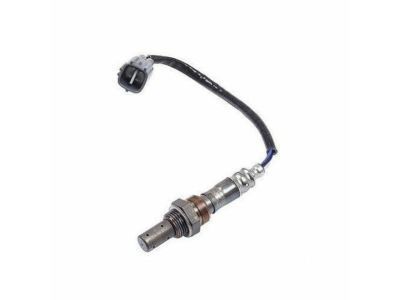
Toyota Tacoma Air Fuel Ratio Oxygen Sensor
Part Number: 89467-35040$215.63 MSRP: $309.20You Save: $93.57 (31%)Ships in 1-2 Business DaysToyota Tacoma Oxygen Sensor
Part Number: 89465-04450$137.35 MSRP: $195.26You Save: $57.91 (30%)Ships in 1-3 Business Days
| Page 1 of 4 |Next >
1-20 of 80 Results
Toyota Tacoma Oxygen Sensor
The Toyota Tacoma Oxygen Sensor monitors exhaust gases so that your engine computer may maintain the air fuel ratio, which is efficient and low-emission. Composed of a zirconium dioxide element, platinum electrodes, and a steel shell, the structure has openings through which exhaust gas interacts with the tip while outside air reaches the inner surface. When the Oxygen Sensor malfunctions, you may experience lower mileage or a rough idle. Each Oxygen Sensor heats quickly to about 600°F. When it is hot, the component generates higher voltage in rich mixtures and lower voltage in lean mixtures. The computer uses this data to adjust the injector pulse width. This Tacoma pickup has two placement variants under Toyota exhaust systems. An upstream Oxygen Sensor that is positioned before the catalytic converter takes a sample of the pollutants entering the converter and provides the primary feedback for mixture control. A downstream Oxygen Sensor that is positioned after the catalytic converter also has a function. The job of the downstream sensor is to measure the remaining contaminants. The computer uses this information to judge the efficiency of the catalyst. Throughout the exhaust system of the Toyota Tacoma, reliable operation helps to maintain fuel economy, smooth running, and regulated emissions.
If you are in demand for superior quality and affordable OEM Toyota Tacoma Oxygen Sensor, then shop with us! We own a wide range of the reduced-priced genuine Toyota Tacoma Oxygen Sensor. You can purchase in confidence as all parts come with a manufacturer's warranty. Any issues with our products? No need to worry as we have a hassle-free return policy to guide you every step of the way.
Toyota Tacoma Oxygen Sensor Parts Questions & Experts Answers
- Q:What is the general information and replacement procedure for oxygen sensors and air/fuel ratio sensors on 2005 through 2009 Toyota Tacoma?A:Particular attention is required when addressing an oxygen or air/fuel ratio sensor since the pigtail and the electrical connector are permanently included, and their removal will destroy the sensor. Grease, dirt, and other such compounds must not come in contact with the electrical connector as well as the louvered end of the sensor and no cleaning solvents are to be used and the sensors should not be roughly handled. Make sure that the silicone boot has been fitted in the right manner to avoid cases where it melts, and to offer the right services. Because of their locations in the exhaust manifolds or pipes that shrink when cool and can be tight when cold, they can be tight to unscrew-briefly cranking the engine will help. Make sure the ignition key is off, and then safely lift the car with jackstands always in place. In V6 variants, there are four oxygen sensors and the upstream ones are mounted at the outlet portions of the exhaust manifolds, above the upstream Catalytic Converters. To replace an upstream sensor, look for it, follow the electrical lead to the connector, depin or pull it and back off the sensor using a wrench while applying anti-seize to the threads before tightening with a torque wrench. The same procedure can be applied to downstream sensors that are located in the front exhaust pipe assembly upstream of the downstream catalysts. For four cylinder there are two sensors, front exhaust sensor is mounted on the front exhaust pipe near the exhaust manifold flange. The replacement procedure also applies to the V6 models but anti-seize compound should be applied and the sensor tightened to the correct torque.
Related Toyota Tacoma Parts
 Toyota Tacoma Engine Control Module
 Toyota Tacoma Knock Sensor
 Toyota Tacoma Vapor Pressure Sensor
 Toyota Tacoma Canister Purge Valve
 Toyota Tacoma Vapor Canister
 Toyota Tacoma Catalytic Converter
 Toyota Tacoma Ambient Temperature Sensor
 Toyota Tacoma Yaw Sensor
Browse by Year
2025 Oxygen Sensor 2024 Oxygen Sensor 2023 Oxygen Sensor 2022 Oxygen Sensor 2021 Oxygen Sensor 2020 Oxygen Sensor 2019 Oxygen Sensor 2018 Oxygen Sensor 2017 Oxygen Sensor 2016 Oxygen Sensor 2015 Oxygen Sensor 2014 Oxygen Sensor 2013 Oxygen Sensor 2012 Oxygen Sensor 2011 Oxygen Sensor 2010 Oxygen Sensor 2009 Oxygen Sensor 2008 Oxygen Sensor 2007 Oxygen Sensor 2006 Oxygen Sensor 2005 Oxygen Sensor 2004 Oxygen Sensor 2003 Oxygen Sensor 2002 Oxygen Sensor 2001 Oxygen Sensor 2000 Oxygen Sensor 1999 Oxygen Sensor 1998 Oxygen Sensor 1997 Oxygen Sensor 1996 Oxygen Sensor 1995 Oxygen Sensor