

My Garage
My Account
Cart
Genuine Toyota Tundra Control Arm
Suspension Arm- Select Vehicle by Model
- Select Vehicle by VIN
Select Vehicle by Model
orMake
Model
Year
Select Vehicle by VIN
For the most accurate results, select vehicle by your VIN (Vehicle Identification Number).
22 Control Arms found
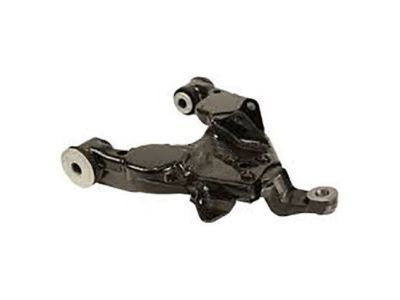
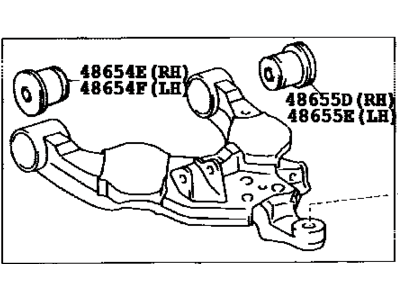
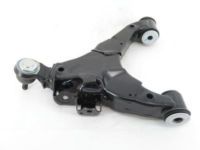
Toyota Tundra Front Suspension Control Arm Sub-Assembly Lower Right
Part Number: 48068-34020$231.56 MSRP: $332.04You Save: $100.48 (31%)Ships in 1-2 Business Days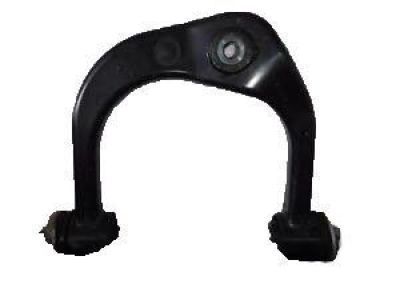
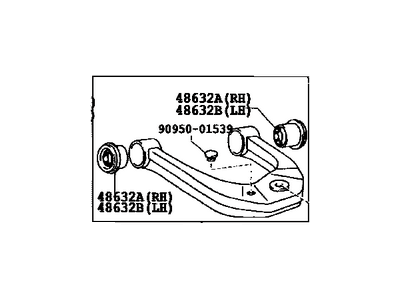
Toyota Tundra Front Suspension Upper Control Arm Assembly Right
Part Number: 48610-34010$244.75 MSRP: $350.95You Save: $106.20 (31%)Ships in 1-2 Business Days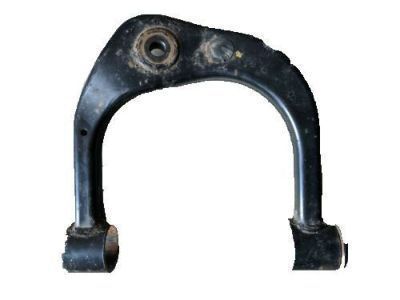
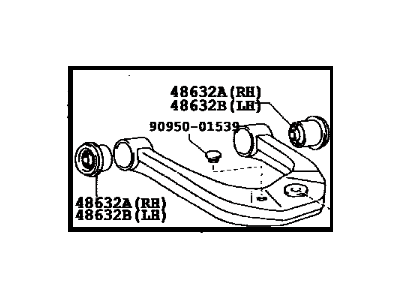
Toyota Tundra Front Suspension Upper Control Arm Assembly Left
Part Number: 48630-34010$224.45 MSRP: $321.84You Save: $97.39 (31%)Ships in 1-2 Business Days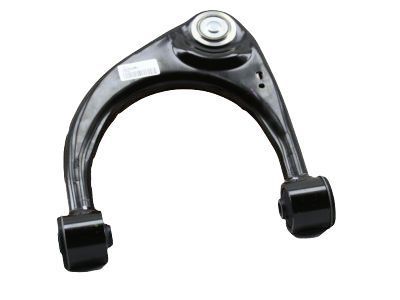
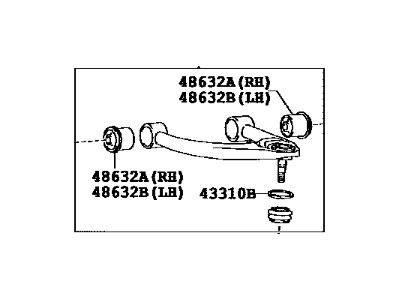
Toyota Tundra Front Suspension Control Arm Assembly Upper Right
Part Number: 48610-0C011$293.70 MSRP: $421.15You Save: $127.45 (31%)Ships in 1-3 Business Days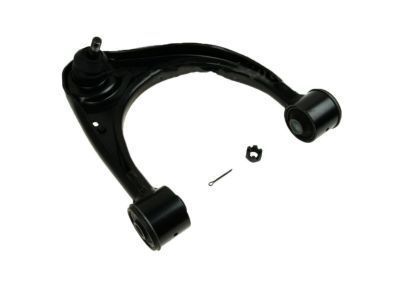
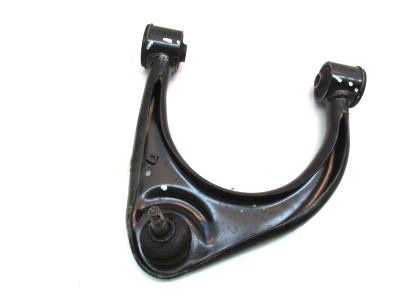
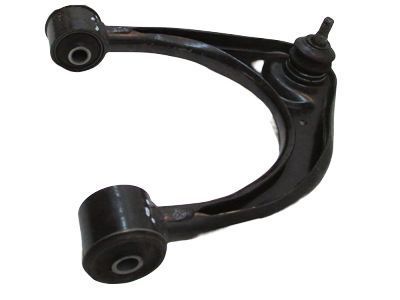
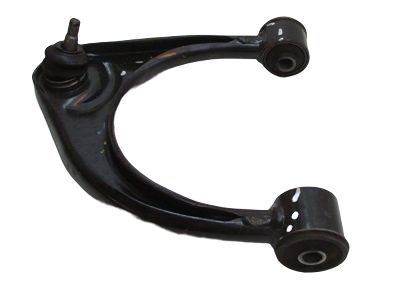
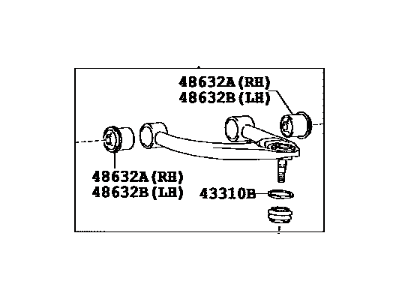
Toyota Tundra Front Suspension Control Arm Assembly Upper Left
Part Number: 48630-0C011$293.70 MSRP: $421.15You Save: $127.45 (31%)Ships in 1-3 Business Days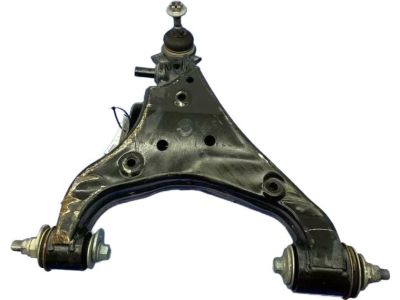
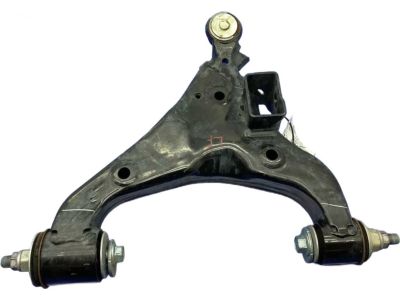
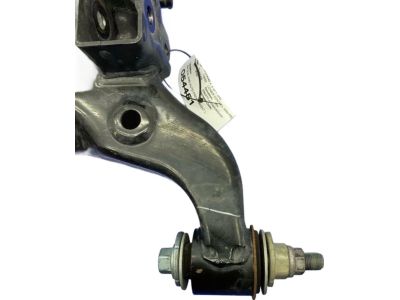
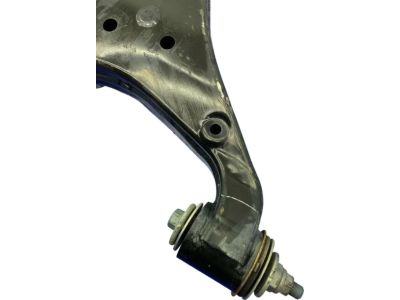
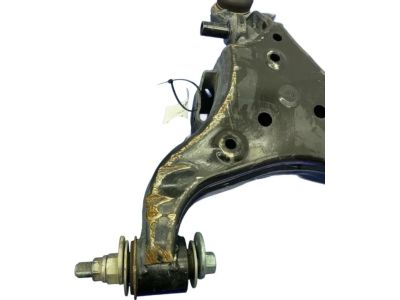
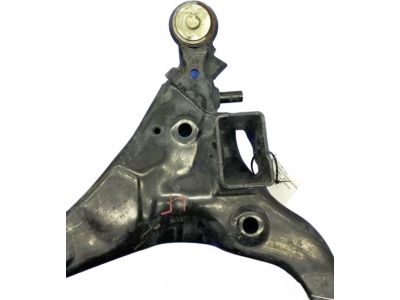
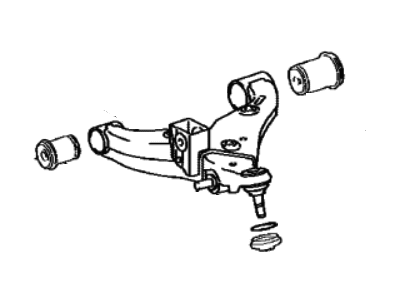
Toyota Tundra Lower Control Arm
Part Number: 48068-0C011$318.00 MSRP: $456.00You Save: $138.00 (31%)Ships in 1-3 Business Days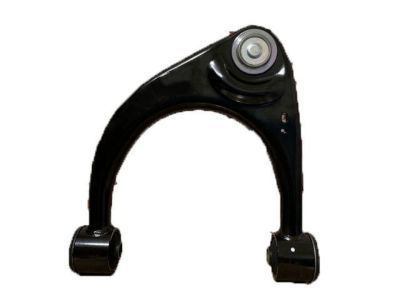
Toyota Tundra Front Suspension Upper Control Arm Assembly Right
Part Number: 48610-0C010$293.70 MSRP: $421.15You Save: $127.45 (31%)Ships in 1-3 Business Days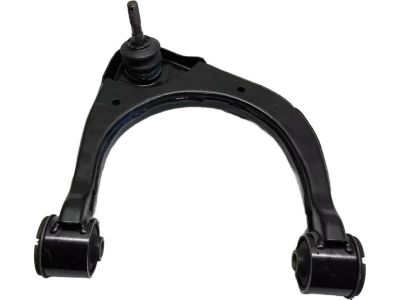
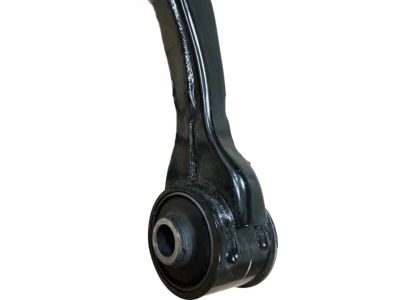
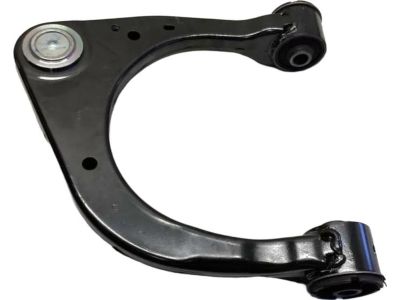
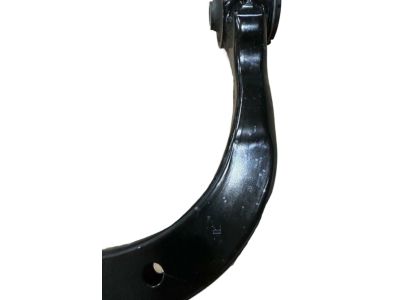
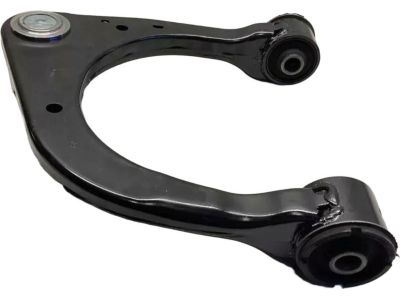
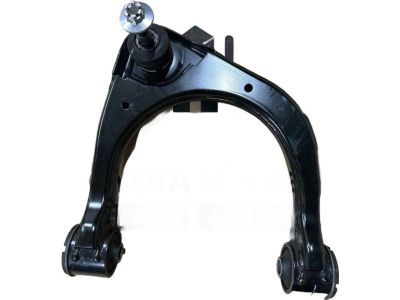
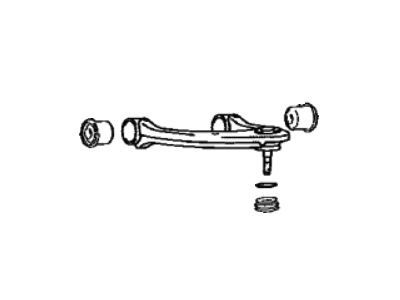
Toyota Tundra Upper Control Arm Assembly
Part Number: 48610-0C020$304.60 MSRP: $436.78You Save: $132.18 (31%)Ships in 1-3 Business Days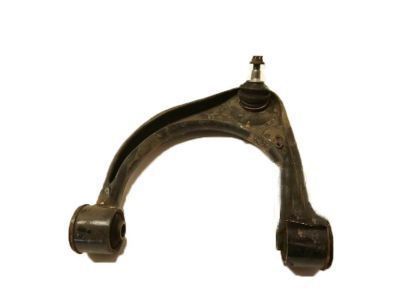
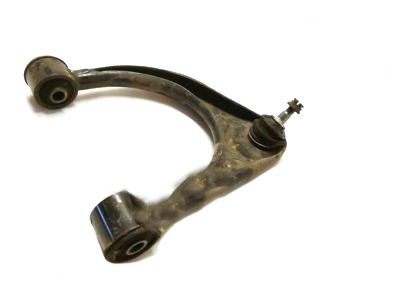
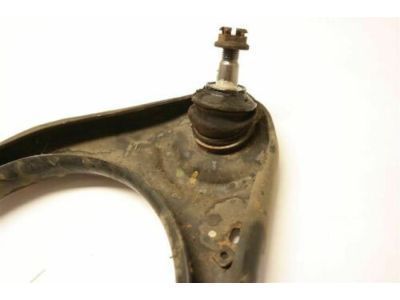
Toyota Tundra Front Suspension Upper Control Arm Assembly Left
Part Number: 48630-0C010$293.70 MSRP: $421.15You Save: $127.45 (31%)Ships in 1-3 Business Days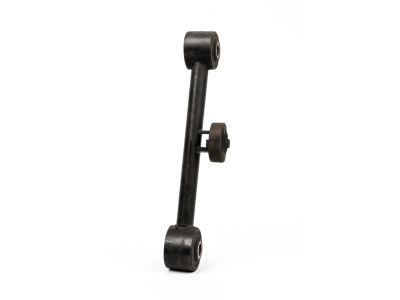
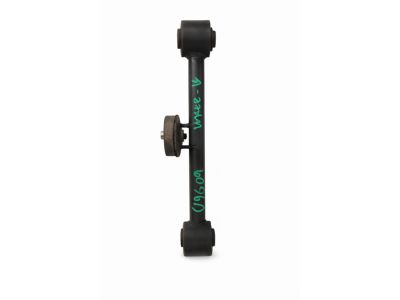
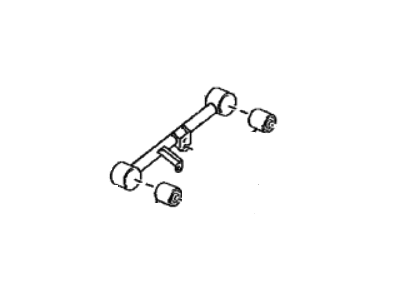
Toyota Tundra Upper Control Arm Assembly
Part Number: 48710-0C030$152.56 MSRP: $216.88You Save: $64.32 (30%)Ships in 1-3 Business Days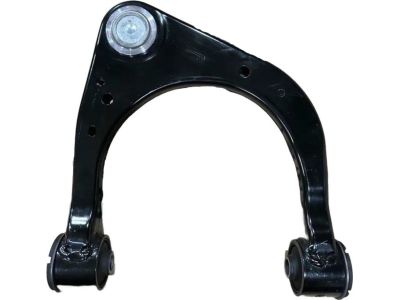
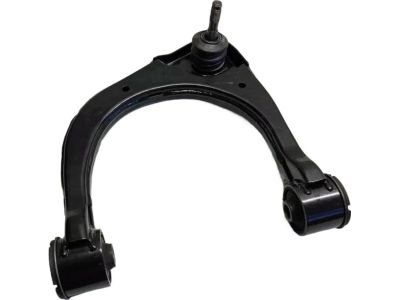
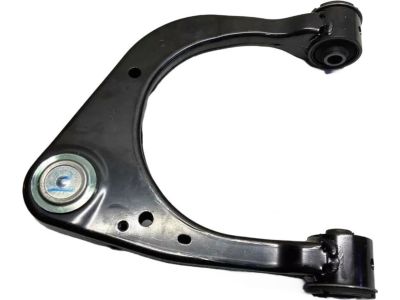
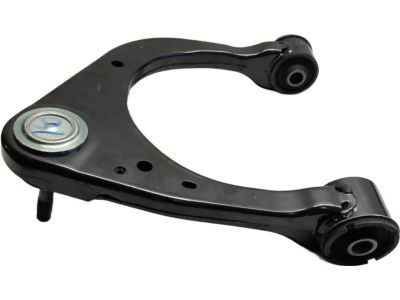
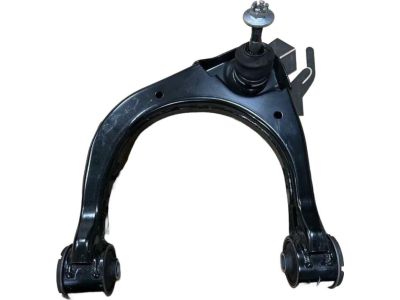
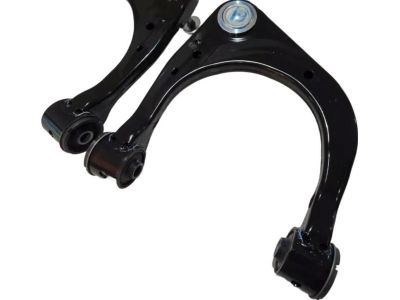
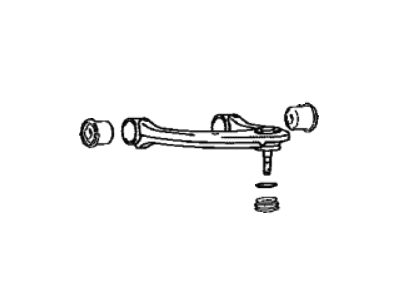
Toyota Tundra ARM ASSY, SUSPENSION
Part Number: 48630-0C020$335.11 MSRP: $480.53You Save: $145.42 (31%)Ships in 1-3 Business Days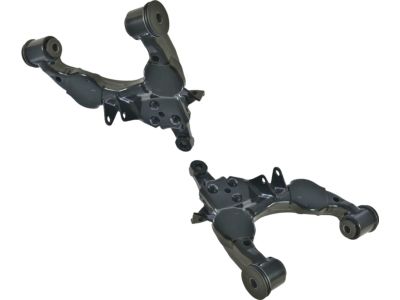
Toyota Tundra Front Suspension Control Arm Sub-Assembly Lower Right
Part Number: 48068-34030$231.56 MSRP: $332.04You Save: $100.48 (31%)Ships in 1-3 Business Days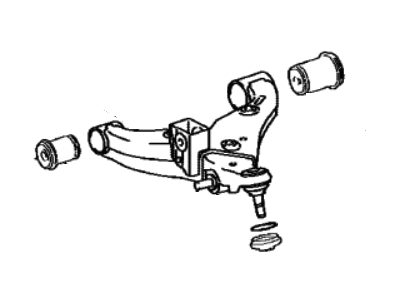
Toyota Tundra Lower Control Arm
Part Number: 48069-0C011$314.17 MSRP: $450.50You Save: $136.33 (31%)Ships in 1-3 Business Days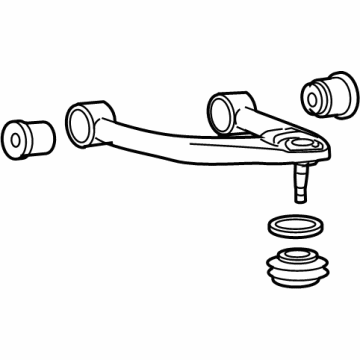
Toyota Tundra ARM ASSY, SUSPENSION
Part Number: 48610-0C030$342.07 MSRP: $510.30You Save: $168.23 (33%)Ships in 1-2 Business DaysToyota Tundra ARM ASSY, SUSPENSION
Part Number: 48630-0C030$342.07 MSRP: $510.30You Save: $168.23 (33%)Ships in 1-2 Business Days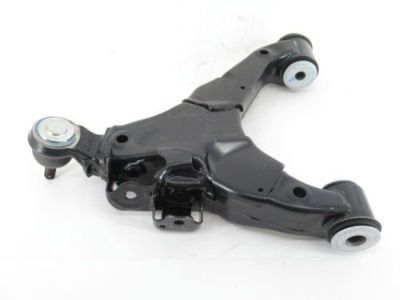
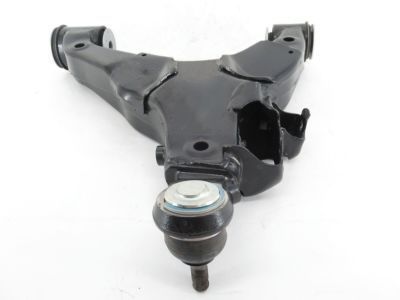
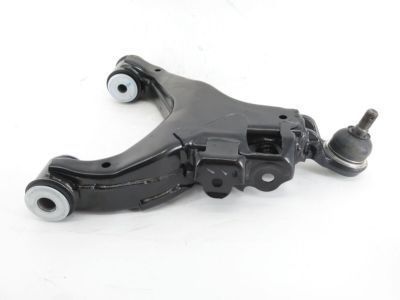
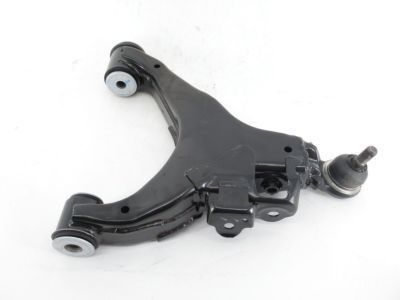
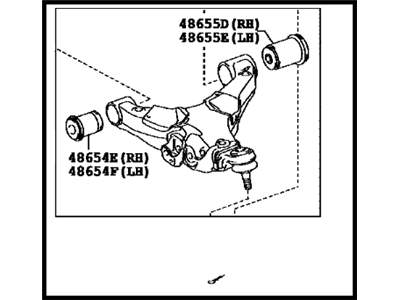
Toyota Tundra Front Suspension Control Arm Sub-Assembly Lower Right
Part Number: 48068-09100$273.42 MSRP: $392.07You Save: $118.65 (31%)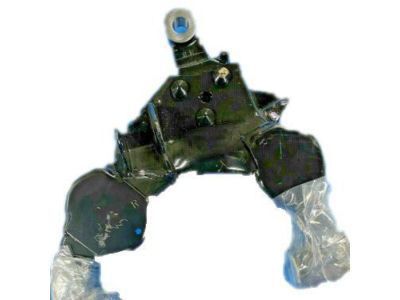
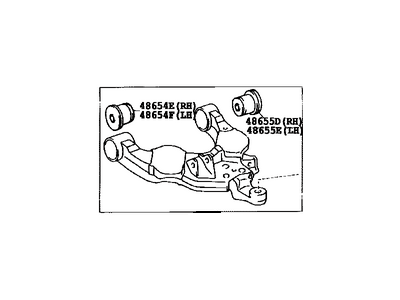
Toyota Tundra Front Suspension Control Arm Sub-Assembly Lower Right
Part Number: 48068-34040$237.44 MSRP: $340.47You Save: $103.03 (31%)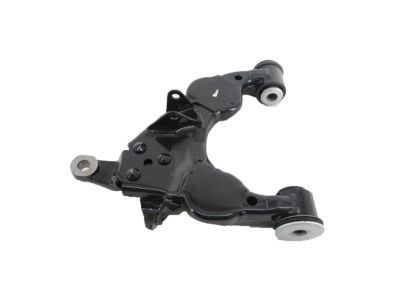
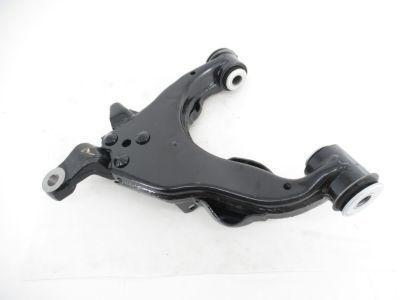
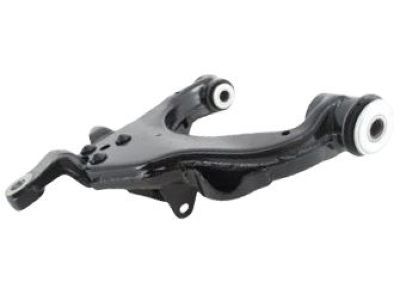
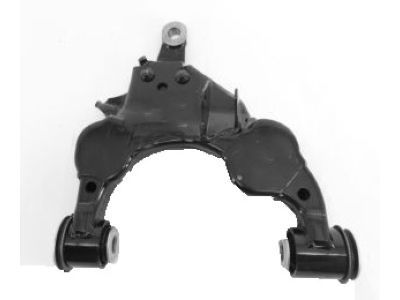
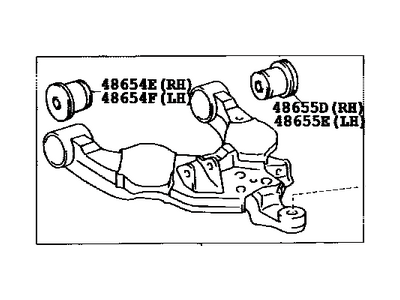
Toyota Tundra Front Suspension Control Arm Sub-Assembly Lower Left
Part Number: 48069-34040$232.28 MSRP: $333.07You Save: $100.79 (31%)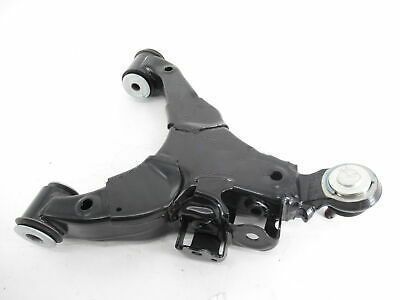
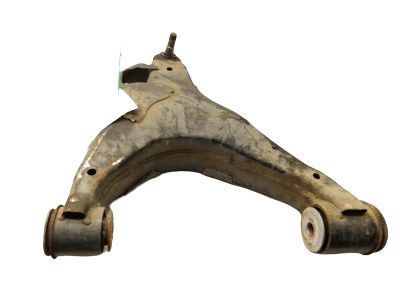
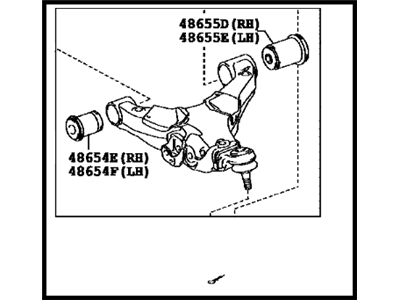
Toyota Tundra Front Suspension Control Arm Sub-Assembly Lower Left
Part Number: 48069-09090$275.81 MSRP: $395.49You Save: $119.68 (31%)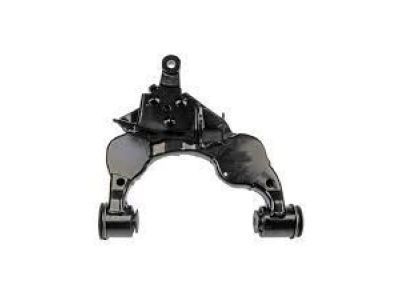
Toyota Tundra Front Suspension Control Arm Sub-Assembly Lower Left
Part Number: 48069-34020$229.04 MSRP: $328.43You Save: $99.39 (31%)
| Page 1 of 2 |Next >
1-20 of 22 Results
Toyota Tundra Control Arm
The Control Arm of Toyota Tundra vehicles also locates at the place, connecting frame to wheels; it supports shocks and springs of suspension. These arms also turn in according to the shapes of roads whereby the wheels are capable of moving up and down. Toyota Tundra Control Arms may be of different shapes and /or of different materials, particularly with the newly designed cast iron or aluminium control arms. As for forging arms, the main maintenance is applied to bushings and ball joints while rust is the most frequent problem of stamped steel arms. The Performance Control Arms are recommended for those who would like more wheel control / alignments or any sort of high-speed, modified vehicles.
If you are in demand for superior quality and affordable OEM Toyota Tundra Control Arm, then shop with us! We own a wide range of the reduced-priced genuine Toyota Tundra Control Arm. You can purchase in confidence as all parts come with a manufacturer's warranty. Any issues with our products? No need to worry as we have a hassle-free return policy to guide you every step of the way.
Toyota Tundra Control Arm Parts Questions & Experts Answers
- Q:How to remove and install a lower control arm on Toyota Tundra?A:Loosen the wheel lug nuts, raise the front of the vehicle and support it securely on jackstands. Apply the parking brake. Remove the wheel. Remove the under-vehicle splash shield. Unbolt the steering gear assembly from the frame. Unbolt the Shock Absorber/coil spring assembly from the lower control arm. Remove the bolts and detach the stabilizer bar links from the lower control arms. Remove the cotter pin, then loosen the lower balljoint nut a few turns. Using a two-jaw puller or a picklefork-type balljoint separator, separate the balljoint from the lower control arm. Make alignment marks on the front and rear adjusting cams. Hold the adjusting cam plate nuts with a wrench and unscrew the pivot bolts. Remove the bolts and detach the control arm from the frame. Inspect the bushings for wear and deterioration. If they're cracked or damaged, take the arm to an automotive machine shop and have new bushings installed. Installation is the reverse of removal. Make sure that the alignment marks you made prior to disassembly are lined up. Tighten all suspension fasteners, and use a new cotter pin on the lower control arm balljoint nut. If necessary, tighten the balljoint nut a little more to align the hole in the ballstud with the slots in the nut - don't loosen the nut to achieve this alignment. The pivot bolts should be tightened with the vehicle at normal ride height. This can be done after the vehicle has been lowered to the ground (on vehicles with adequate clearance), or can be simulated by raising the lower control arm with a floor jack. Tighten the lug nuts. Have the wheel alignment checked and, if necessary, adjusted.
Related Toyota Tundra Parts
 Toyota Tundra Shift Cable
 Toyota Tundra Ball Joint
 Toyota Tundra Coil Springs
 Toyota Tundra Steering Knuckle
 Toyota Tundra Control Arm Bushing
Browse by Year
2024 Control Arm 2023 Control Arm 2022 Control Arm 2021 Control Arm 2020 Control Arm 2019 Control Arm 2018 Control Arm 2017 Control Arm 2016 Control Arm 2015 Control Arm 2014 Control Arm 2013 Control Arm 2012 Control Arm 2011 Control Arm 2010 Control Arm 2009 Control Arm 2008 Control Arm 2007 Control Arm 2006 Control Arm 2005 Control Arm 2004 Control Arm 2003 Control Arm 2002 Control Arm 2001 Control Arm 2000 Control Arm