

My Garage
My Account
Cart
Genuine Toyota Tundra Drive Shaft
Axle Shaft- Select Vehicle by Model
- Select Vehicle by VIN
Select Vehicle by Model
orMake
Model
Year
Select Vehicle by VIN
For the most accurate results, select vehicle by your VIN (Vehicle Identification Number).
117 Drive Shafts found
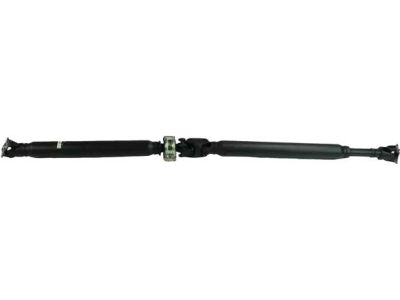
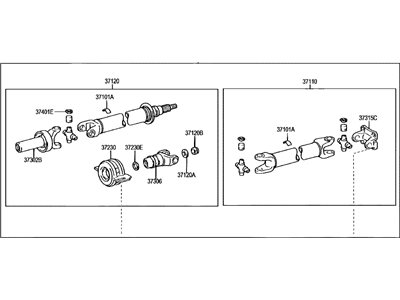
Toyota Tundra Propeller Shaft Assembly with Center Bearing
Part Number: 37100-34130$1402.63 MSRP: $2094.31You Save: $691.68 (34%)Ships in 1-3 Business Days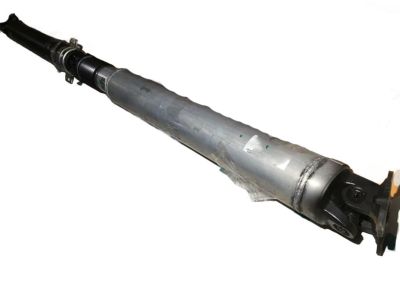
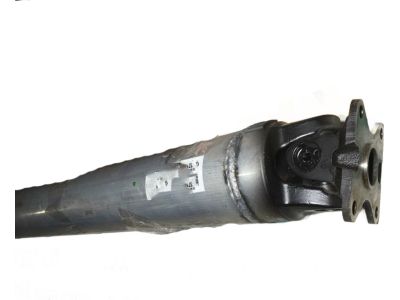
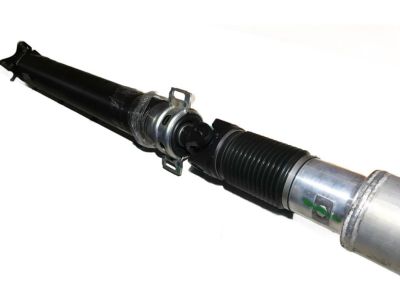
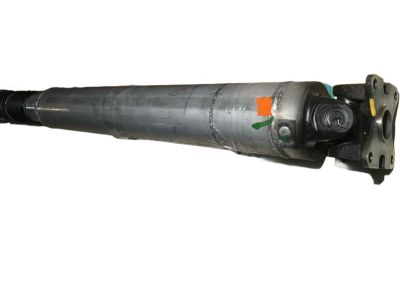
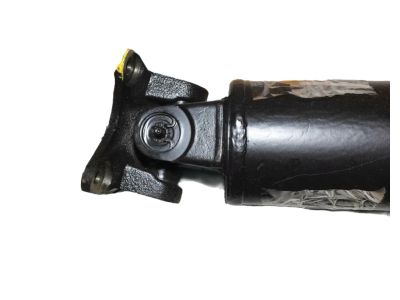
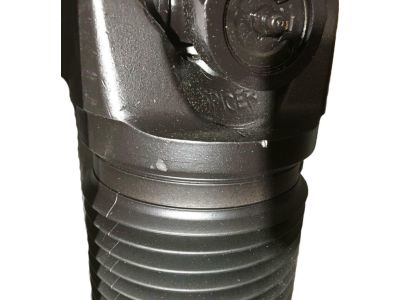
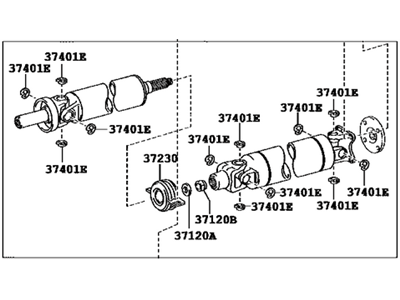
Toyota Tundra Propeller Shaft Assembly with Center Bearing
Part Number: 37100-0C154$1071.88 MSRP: $1600.47You Save: $528.59 (34%)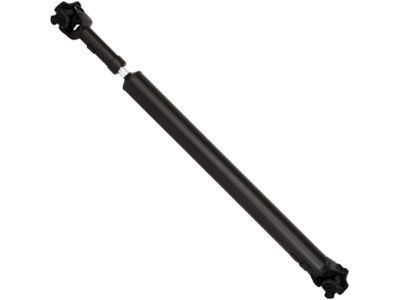
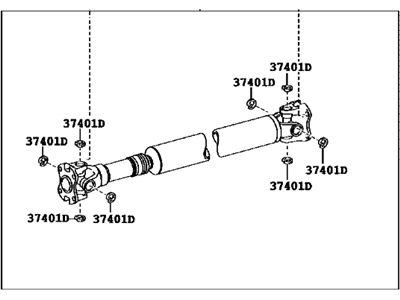
Toyota Tundra Shaft Assembly Propeller Front
Part Number: 37140-0C070$394.92 MSRP: $589.14You Save: $194.22 (33%)Ships in 1-3 Business Days
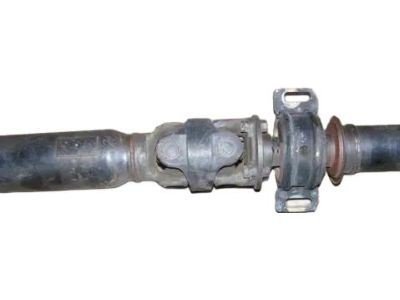
Toyota Tundra Propeller Shaft Assembly with Center Bearing
Part Number: 37100-34050$1314.40 MSRP: $1962.58You Save: $648.18 (34%)Ships in 1-2 Business Days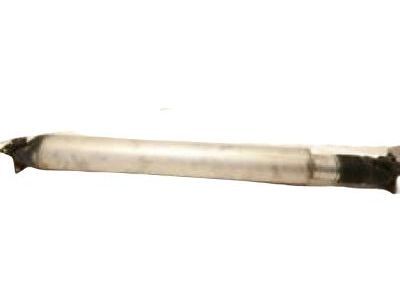
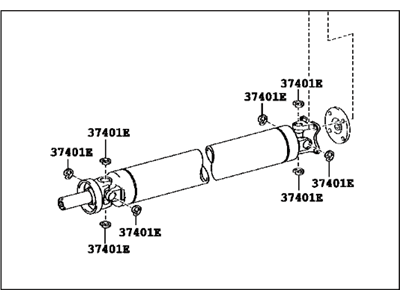
Toyota Tundra Propelle Shaft Assembly
Part Number: 37110-0C114$749.49 MSRP: $1119.09You Save: $369.60 (34%)Ships in 1-3 Business Days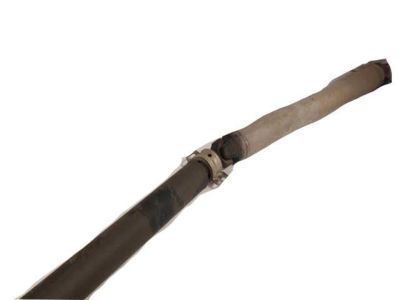
Toyota Tundra Propeller Shaft Assembly with Center Bearing
Part Number: 37100-0C195$988.00 MSRP: $1475.22You Save: $487.22 (34%)Ships in 1-3 Business DaysToyota Tundra Propeller Shaft Assembly with Center Bearing
Part Number: 37100-0C106$971.29 MSRP: $1450.26You Save: $478.97 (34%)Toyota Tundra Propeller Shaft Assembly with Center Bearing
Part Number: 37100-0C080$811.76 MSRP: $1212.07You Save: $400.31 (34%)Toyota Tundra Propeller Shaft Assembly with Center Bearing
Part Number: 37100-0C060$792.38 MSRP: $1183.12You Save: $390.74 (34%)Toyota Tundra Propelle Shaft Assembly
Part Number: 37100-0C165$1133.37 MSRP: $1692.28You Save: $558.91 (34%)Ships in 1-3 Business Days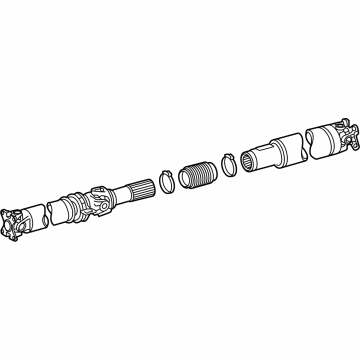
Toyota Tundra Propeller Shaft Assembly
Part Number: 37100-0C250$1326.09 MSRP: $1980.05You Save: $653.96 (34%)Ships in 1-3 Business DaysToyota Tundra Propeller Shaft Assembly
Part Number: 37100-0C270$1291.34 MSRP: $1928.14You Save: $636.80 (34%)Ships in 1-3 Business DaysToyota Tundra Propeller Shaft Assembly with Center Bearing
Part Number: 37100-0C103$971.29 MSRP: $1450.26You Save: $478.97 (34%)Ships in 1-3 Business DaysToyota Tundra Front Propelle Shaft Assembly
Part Number: 37140-0C071$394.92 MSRP: $589.14You Save: $194.22 (33%)Ships in 1-3 Business DaysToyota Tundra Propelle Shaft Assembly
Part Number: 37140-0C072$394.92 MSRP: $589.14You Save: $194.22 (33%)Ships in 1-3 Business DaysToyota Tundra Propelle Shaft Assembly
Part Number: 37110-0C175$744.94 MSRP: $1112.30You Save: $367.36 (34%)Ships in 1-3 Business DaysToyota Tundra Propeller Shaft Assembly with Center Bearing
Part Number: 37100-0C116$1001.70 MSRP: $1495.67You Save: $493.97 (34%)Ships in 1-3 Business Days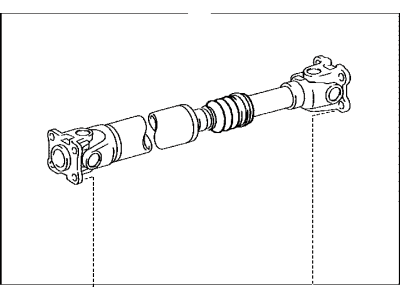
| Page 1 of 6 |Next >
1-20 of 117 Results
Toyota Tundra Drive Shaft
Drive Shaft in Toyota Tundra is also a cylindrical system used to transmit torque from the engines to the wheels needed for passing power. As a component of a Drive Shaft, one must pay great attention to abnormal vibrations and noises that can show that the driveshaft is faulty. It is important to note that different designs of the driveshaft have been used in the different models of Tundra and these include; one piece, two pieces and slip in tube. All of them help to join members that are spaced apart and adapt to positional differences by the employment of features such as universal joints. Decisions about the driveshaft type may affect the vehicle performance and safety depending on the used four-wheel or all-wheel transmission and if several driveshafts are used to transmit power between axles.
If you are in demand for superior quality and affordable OEM Toyota Tundra Drive Shaft, then shop with us! We own a wide range of the reduced-priced genuine Toyota Tundra Drive Shaft. You can purchase in confidence as all parts come with a manufacturer's warranty. Any issues with our products? No need to worry as we have a hassle-free return policy to guide you every step of the way.
Toyota Tundra Drive Shaft Parts Questions & Experts Answers
- Q:How to Properly Lubricating Various Components of a Drive Shaft and body on Toyota Tundra?A:To properly lubricate your vehicle, you will need a grease gun, clean rags, engine oil, chassis grease, lithium base grease, spray-on graphite or silicone lubricant. Begin by raising the vehicle with a jack and placing jackstands under the frame for easier access. Look under the vehicle for grease fittings on the driveshaft universal joints and slip yokes. Wipe the area around the grease fitting clean and force a little grease out of the nozzle to remove any dirt. Squeeze the trigger on the grease gun to force grease into the component until it oozes out of the bearing cup seals. Wipe off excess grease and repeat the procedure for the remaining fittings. Lubricate the driveshaft slip yoke by pumping grease into the fitting until it comes out of the slip yoke seal. Clean and lubricate the parking brake cable, cable guides, and levers with chassis grease. Lubricate the contact points on the steering knuckle stop with lithium base grease. Smear chassis grease on the hood latch mechanism and lubricate the cable at the latch. Lubricate all hinges with engine oil and the key lock cylinders with spray-on graphite or silicone lubricant. Finally, lubricate the door weather-stripping with silicone spray to reduce chafing and wear.
- Q:How to Remove and Reinstall a Drive Shaft on Toyota Tundra?A:Raise the vehicle and securely support it on jackstands. Place the transmission in Neutral with the parking brake off. Block the front wheels to prevent the vehicle from rolling. Using a scribe, a hammer and punch, or paint, make marks on the driveshaft and the Differential flange in line with each other. This is to make sure the driveshaft is reinstalled in the same position to preserve the balance. Remove the bolts securing the flange yoke to the rear differential. Turn the driveshaft as necessary to bring the bolts into the most accessible position. On vehicles with a two-piece driveshaft, remove the center bearing protector and remove the bolts, nuts, and washers from the center support bearing bracket. Lower the rear of the driveshaft. Slide the front of the driveshaft out of the transmission or transfer case or, if equipped with a companion flange, separate the flange at the transfer case. On 2WD models, wrap a plastic bag over the transmission extension housing and hold it in place with a rubber band. This will prevent loss of fluid and protect against contamination while the driveshaft is out. Remove the plastic bag from the transmission or transfer case and wipe the area clean. Inspect the oil seal carefully. Slide the front of the driveshaft into the transmission (2WD models) or bolt the U-joint flange yoke to the companion flange, installing the fasteners finger-tight (4WD models). Raise the center bearing (if equipped) into place and screw the retaining bolts in a few turns. Raise the rear of the driveshaft into position, checking to be sure the marks are in alignment. If not, turn the rear wheels to match the pinion flange and the driveshaft. Tighten all nuts. Remove the jackstands and lower the vehicle.
- Q:What Are the Maintenance Procedures for a Drive Shaft and Universal Joint on Toyota Tundra?A:A driveshaft connects the transmission and Differential using universal joints. It's attached to the differential by a companion flange. 4WD models have a similar setup for the front driveshaft, while 2WD models use a splined yoke at the front. An oil seal prevents fluid leakage and dirt entry, which should be replaced if leakage is found. Two-piece driveshafts use center bearings for support. Regular lubrication and cleanliness are essential for the driveshaft.
Related Toyota Tundra Parts

Browse by Year
2024 Drive Shaft 2023 Drive Shaft 2022 Drive Shaft 2021 Drive Shaft 2020 Drive Shaft 2019 Drive Shaft 2018 Drive Shaft 2017 Drive Shaft 2016 Drive Shaft 2015 Drive Shaft 2014 Drive Shaft 2013 Drive Shaft 2012 Drive Shaft 2011 Drive Shaft 2010 Drive Shaft 2009 Drive Shaft 2008 Drive Shaft 2007 Drive Shaft 2006 Drive Shaft 2005 Drive Shaft 2004 Drive Shaft 2003 Drive Shaft 2002 Drive Shaft 2001 Drive Shaft 2000 Drive Shaft