My Garage
My Account
Cart
Genuine Toyota Tundra Fuse
Circuit Fuse- Select Vehicle by Model
- Select Vehicle by VIN
Select Vehicle by Model
orMake
Model
Year
Select Vehicle by VIN
For the most accurate results, select vehicle by your VIN (Vehicle Identification Number).
47 Fuses found
Toyota Tundra Fuse Block
Part Number: 90982-09022$2.25 MSRP: $3.14You Save: $0.89 (29%)Ships in 1-3 Business Days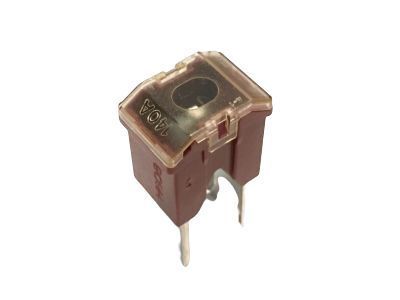
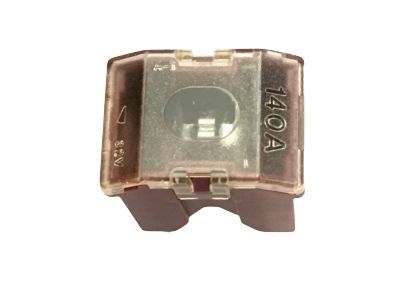
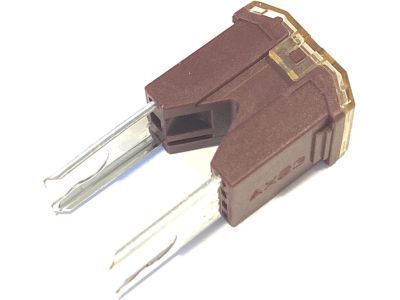
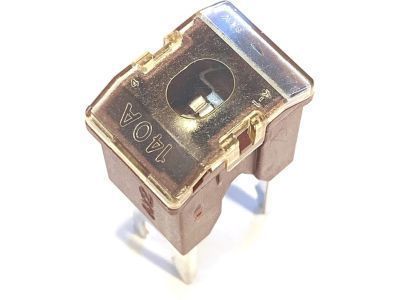
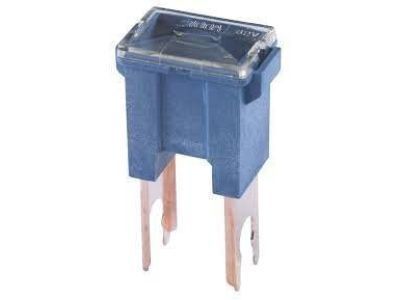
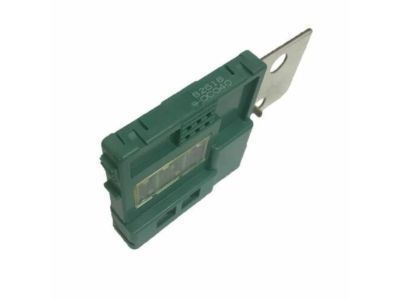
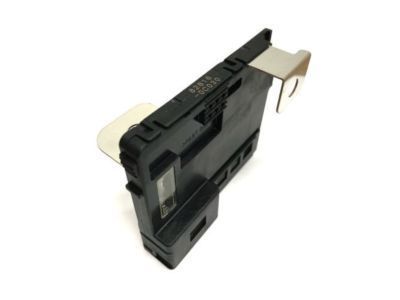
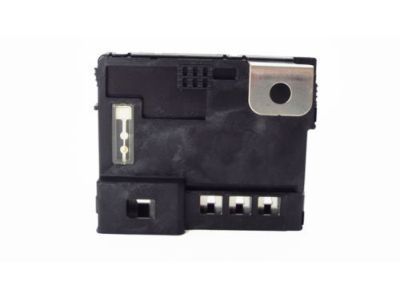
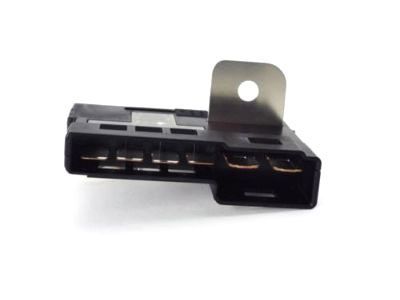
Toyota Tundra Engine Room Fusible Link
Part Number: 90982-08286$17.60 MSRP: $24.60You Save: $7.00 (29%)Ships in 1-2 Business Days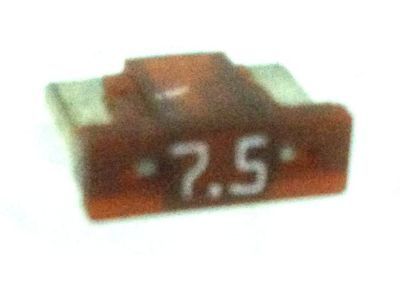
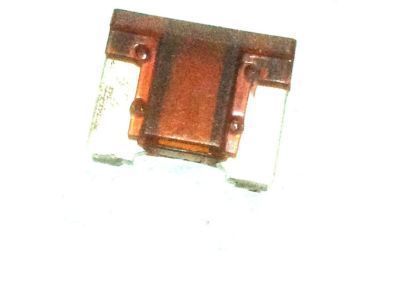
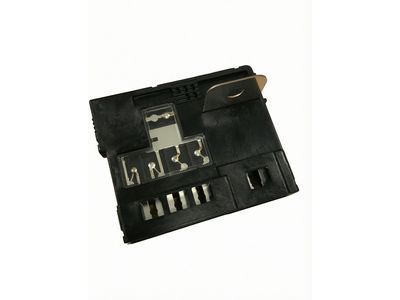
Toyota Tundra Front Compartment Fuse
Part Number: 90982-09020$1.89 MSRP: $2.64You Save: $0.75 (29%)Ships in 1-3 Business Days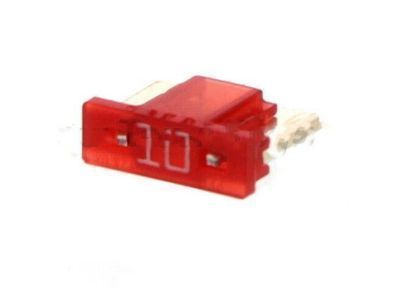

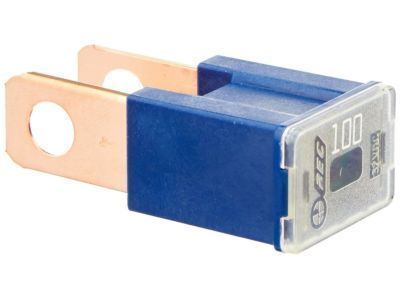
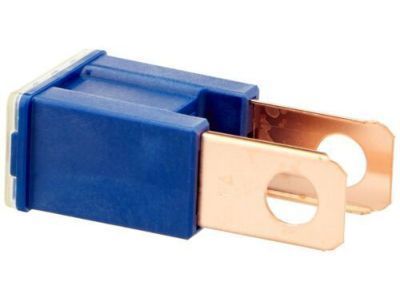
Toyota Tundra Engine Room Fusible Link
Part Number: 90982-08246$12.13 MSRP: $16.95You Save: $4.82 (29%)Ships in 1-3 Business Days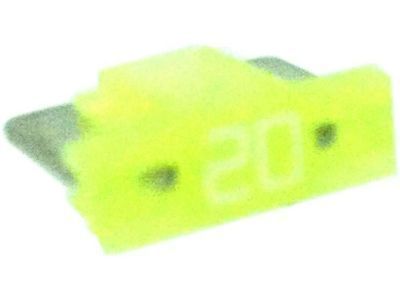
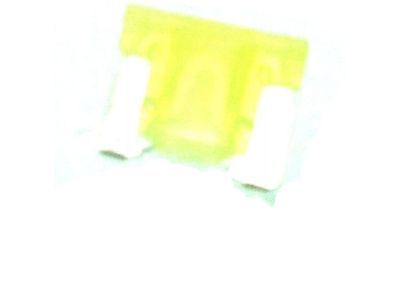
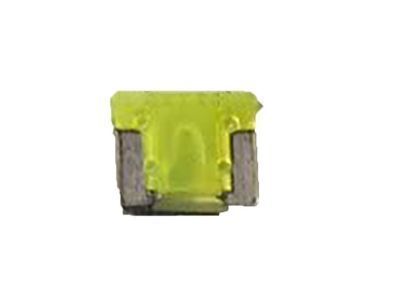
Toyota Tundra Fuse, Mini
Part Number: 90982-09023$1.89 MSRP: $2.64You Save: $0.75 (29%)Ships in 1-3 Business Days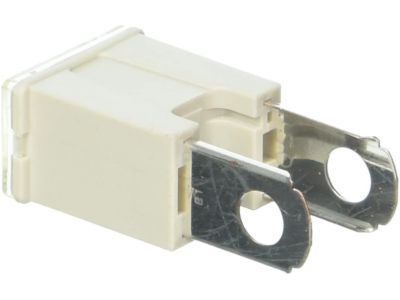
Toyota Tundra Engine Room Fusible Link
Part Number: 90982-08274$18.20 MSRP: $25.43You Save: $7.23 (29%)Ships in 1 Business Day
Toyota Tundra Fuse, Mini
Part Number: 90080-82052$2.25 MSRP: $3.14You Save: $0.89 (29%)Ships in 1-3 Business Days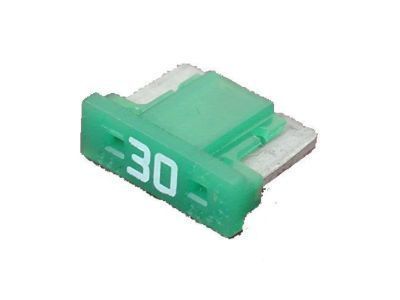
Toyota Tundra Fuse, Mini
Part Number: 90982-09025$1.54 MSRP: $2.15You Save: $0.61 (29%)Ships in 1-3 Business Days
Toyota Tundra Fuse, Mini
Part Number: 90982-09024$2.25 MSRP: $3.14You Save: $0.89 (29%)Ships in 1-3 Business Days
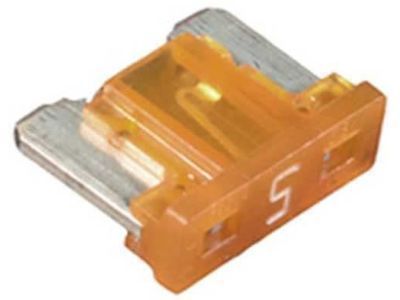
Toyota Tundra Front Compartment Fuse
Part Number: 90982-09019$1.30 MSRP: $1.82You Save: $0.52 (29%)Ships in 1-3 Business Days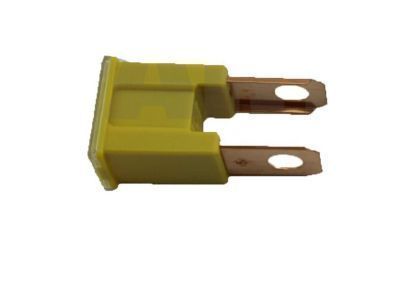
Toyota Tundra Fusible Link
Part Number: 90982-08202$15.22 MSRP: $21.27You Save: $6.05 (29%)Ships in 1-2 Business Days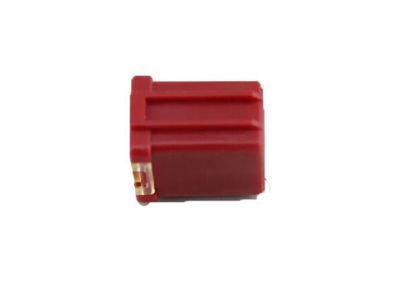
Toyota Tundra Engine Room Fusible Link
Part Number: 90982-08296$14.51 MSRP: $20.28You Save: $5.77 (29%)Ships in 1-3 Business Days

Toyota Tundra Fuse, Fuse Block
Part Number: 90080-82022$2.13 MSRP: $2.98You Save: $0.85 (29%)Ships in 1 Business Day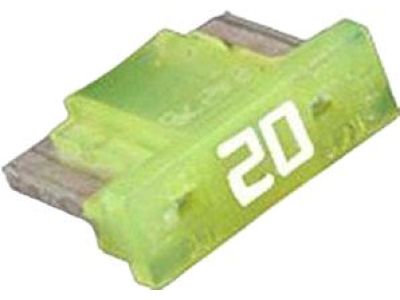
Toyota Tundra Fuse, Mini
Part Number: 90080-82053$1.89 MSRP: $2.64You Save: $0.75 (29%)Ships in 1-3 Business Days

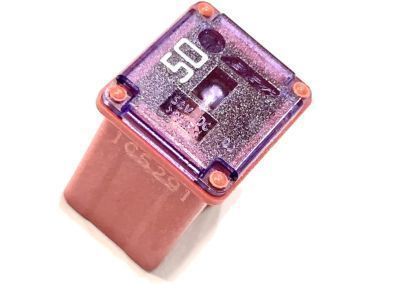
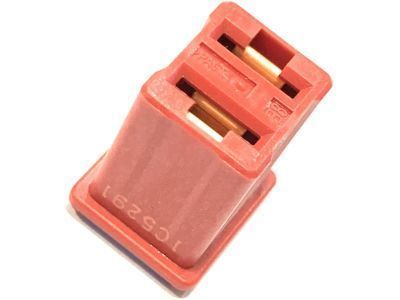
Toyota Tundra Engine Room Fusible Link
Part Number: 90982-08285$16.05 MSRP: $22.44You Save: $6.39 (29%)Ships in 1 Business Day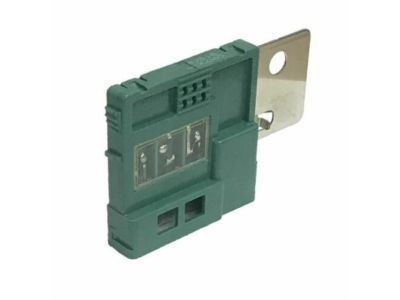
| Page 1 of 3 |Next >
1-20 of 47 Results
Toyota Tundra Fuse
Toyota Tundra Fuse acts like a safety gate that stops excess electricity before it can ruin the truck's electronics. Housed inside a plastic Fuse box typically mounted near the right front of the engine bay, it melts when current surges, instantly breaking the circuit and preventing shocks to sensitive relays that feed the radio, lights, GPS and more. The box itself shields those relays from heat, moisture and vibration, so when its seals weaken one Fuse after another can blow and the driver will notice components dying. Diagnosing a dead component is simple, turn off the ignition, probe each Fuse with a test light and replace any unit that only lights on one side. Replacement requires matching amperage, size and even color, because the Tundra relies mainly on blade style units available in low-profile mini, mini, regular and maxi, while older trucks once applied a single-diameter glass tube design with different current ratings. The blade layout offers compact packaging and a clear color code, whereas the older glass tube style gave the same protection but lacked size or color variety. Sticking with the specified Fuse keeps every Toyota system powered safely, and ensures a dependable Toyota drive whether the Tundra is hauling gear or guiding the family on vacation.
If you are in demand for superior quality and affordable OEM Toyota Tundra Fuse, then shop with us! We own a wide range of the reduced-priced genuine Toyota Tundra Fuse. You can purchase in confidence as all parts come with a manufacturer's warranty. Any issues with our products? No need to worry as we have a hassle-free return policy to guide you every step of the way.
Toyota Tundra Fuse Parts Questions & Experts Answers
- Q:What are fuses and how do they function in electrical circuits on Toyota Tundra?Posted by Tonice K.A:Circuits of the automobile are protected with the help of fuses, circuit breakers, as well as fusible links and the main fuse/relay box is positioned in the engine compartment while the interior fuse/relay position is on the driver side of the instrument panel. Small, medium and large fuses of the same blade terminal are employed in the fuse blocks; once it is necessary to remove the fuses, the small fuses can turn to the pliers as well as the plastic fuse puller while the medium and large ones can be removed by hand. For an electrical component failure, always ensure that you check the fuse, applying the use of a test light on the terminal tips to ensure there is power, and a fuse can also be observed for its burned element. Blown fuses should be replaced by the correct type as physically, fuses may be interchangeable but should have the rated current to protect respective circuits. If a replaced fuse poses to fail at once, then the real problem, which may be a short circuit from spoilt wires must be dealt with. Also, some of the circuits are protected by fusible links that are applied in circuits of high current and are actually made of a material that melts when too much current passes through it; when replacing a given fusible link that has blown, then the right one must be placed in its place and if a new one burns then the circuit must be checked.Answered by Toyota Parts Specialist Timur / May 24, 2025