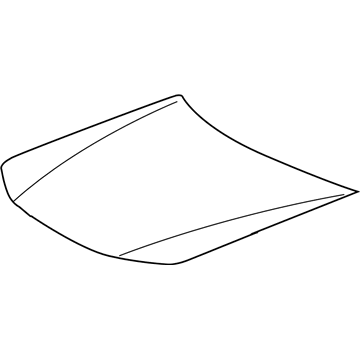
The hood is somewhat awkward to remove and install, so at least two people should perform this procedure. To begin, open the hood and place blankets or pads over the fenders and cowl area to protect the body and paint during the lift. Disconnect any cables or wires that may interfere with removal, including the windshield washer tubing from the nozzles on the hood. Make marks around the hood hinge to ensure proper alignment during reinstallation. Have an assistant support the weight of the hood while detaching the support struts by prying out the clips at the top. Remove the hinge-to-hood bolts and lift off the hood. For installation, align the hinge bolts with the previously made marks. Fore-and-aft and side-to-side adjustments of the hood can be made by moving the hinge plate slot after loosening the bolts or nuts; however, factory bolts are "centering" type and must be replaced with standard bolts with flat washers and lock washers for adjustment. Mark around the entire hinge plate to determine the amount of movement, then loosen the bolts and adjust the hood into the correct alignment, tightening the hinge bolts afterward. If necessary, the entire hood latch assembly can be adjusted up-and-down and side-to-side on the radiator support to ensure the hood closes securely and flush with the fenders. Scribe a line or mark around the hood latch mounting bolts for reference, loosen them, and reposition the latch assembly as needed, remembering to remove two clips and a plastic latch cover for access to the lower bolt. Finally, adjust the hood bumpers on the radiator support so that the hood is flush with the fenders when closed, turning each edge cushion clockwise to lower or counterclockwise to raise the hood. Periodically lubricate the hood latch assembly and hinges with white, lithium-base grease to prevent binding and wear.