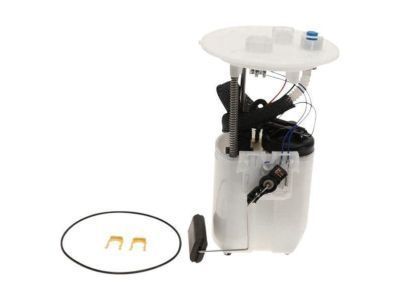
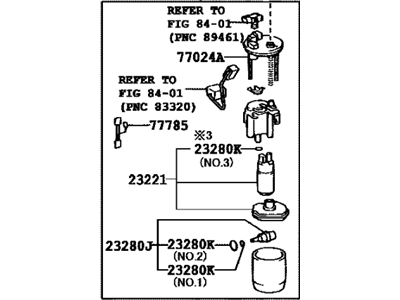
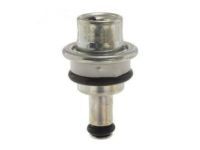
Start with having enough fuel with you and confirming that the fuel pump is working through turning the key to ON, its hard whining sound indicates that the system is being pressurized. If there is no sound at all, then, the electrical circuit of the fuel pump should be checked. To perform a fuel pressure test get the fuel pressure gauge and the fuel injection system associated adapter. This is followed by relieving the pressurization in the fuel system, removing the outlet line from the filter and fixing the gauge. Replace the circuit opening relay, attach the battery negative terminal, insert the ignition key and watch the gauge as the pump comes on, and stays on for approximately two seconds. The pressure should ideally remain constant after the pump has ceased to work and it should not fall below the minimum even after 5 minutes. Turn the engine on and revolve it; the pressure should not change. If the pressure is not within specifications, see if it is too high or too low, replacing the fuel pressure regulator if that is an issue, and examine the fuel filter, lines, and injectors for any problems. Following the testing, reduce the pressure of fuel and take out the gauge. If the pump does not activate, check the IGN and EFI fuses, replace any of them which is fused, there may be shorts in the circuit. If the pump is still not running, look into the battery voltage of the EFI main relay and the fuel pump relay to see if the needed voltage is there. If the relays are good, but the pump will not, look for voltage at the fuel pump connector and out to ground. For relay checks, u remove the relay and use Ohm meter to check continuity between the terminals; if any, it should be replaced-as should be the case if it does not demonstrate continuity when voltage greater than battery voltage is connected to it.