

My Garage
My Account
Cart
Genuine 1987 Toyota Supra Crankshaft Seal
- Select Vehicle by Model
- Select Vehicle by VIN
Select Vehicle by Model
orMake
Model
Year
Select Vehicle by VIN
For the most accurate results, select vehicle by your VIN (Vehicle Identification Number).
4 Crankshaft Seals found


1987 Toyota Supra Type T Oil Seal
Part Number: 90311-35013$13.44 MSRP: $18.78You Save: $5.34 (29%)Ships in 1-3 Business DaysProduct Specifications- Other Name: Seal, Oil(For Camshaft Setting)
- Manufacturer Note: ARS
- Replaced by: 90311-35040
- Item Weight: 0.50 Pounds
- Item Dimensions: 8.7 x 5.4 x 0.1 inches
- Condition: New
- Fitment Type: Direct Replacement
- SKU: 90311-35013
- Warranty: This genuine Toyota part is covered by warranty.


1987 Toyota Supra Seal
Part Number: 90311-42003$11.89 MSRP: $16.62You Save: $4.73 (29%)Ships in 1-2 Business DaysProduct Specifications- Other Name: Seal, Oil(For Timing Gear Case Or Timing Chain Case)
- Comment: (FOR CRANKSHAFT)
- Replaced by: 90080-31022
- Item Weight: 0.50 Pounds
- Item Dimensions: 2.4 x 2.2 x 0.4 inches
- Condition: New
- Fitment Type: Direct Replacement
- SKU: 90311-42003
- Warranty: This genuine Toyota part is covered by warranty.

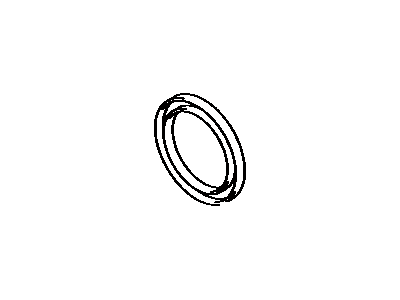
1987 Toyota Supra Engine Rear Oil Seal
Part Number: 90311-80001$48.78 MSRP: $68.18You Save: $19.40 (29%)Ships in 1-3 Business DaysProduct Specifications- Other Name: Seal, Engine Rear Oil; Rear Main Seal
- Position: Rear
- Replaces: 90311-80139, 90311-80068
- Part Name Code: 11381A
- Item Weight: 0.50 Pounds
- Item Dimensions: 4.9 x 4.9 x 0.4 inches
- Condition: New
- Fitment Type: Direct Replacement
- SKU: 90311-80001
- Warranty: This genuine Toyota part is covered by warranty.


1987 Toyota Supra Oil Seal
Part Number: 90311-52003$23.55 MSRP: $32.92You Save: $9.37 (29%)Ships in 1-2 Business DaysProduct Specifications- Other Name: Seal, Oil(For Timing Chain Or Belt Cover)
- Manufacturer Note: NOK
- Comment: (FOR TIMING CHAIN OR BELT COVER)
- Part Name Code: 11302A
- Item Weight: 0.50 Pounds
- Item Dimensions: 2.2 x 2.2 x 0.5 inches
- Condition: New
- Fitment Type: Direct Replacement
- SKU: 90311-52003
- Warranty: This genuine Toyota part is covered by warranty.
1987 Toyota Supra Crankshaft Seal
With ToyotaPartsDeal.com, you have access to an extensive inventory of genuine 1987 Toyota Supra Crankshaft Seal, all priced competitively. Feel secure in your purchase, as all our OEM 1987 Toyota Supra Crankshaft Seal are covered by warranty. Plus, we offer a hassle-free return policy and speedy delivery service.
1987 Toyota Supra Crankshaft Seal Parts Questions & Experts Answers
- Q:How to Properly Install a Crankshaft Seal for the 1987 Toyota Supra?Posted by Catherria T.A:The crankshaft must be installed first, followed by bolting the bearing caps in place, after which the new Crankshaft Seal should be installed in the retainer and the retainer bolted to the block. Before installation, carefully check the seal contact surface for scratches and nicks that could damage the new seal lip and cause oil leaks; if the crankshaft is damaged, a new or different crankshaft is necessary. The old seal can be removed from the housing using a hammer and punch by driving it out from the back side, ensuring to note how far it is recessed into the housing bore for proper installation of the new Crankshaft Seal, which must be recessed an equal amount. Care must be taken to avoid scratching or damaging the bore in the housing to prevent oil leaks. The retainer should be clean, and a thin coat of engine oil applied to the outer edge of the new Crankshaft Seal; it must be pressed squarely into the housing bore, avoiding hammering. If a press is unavailable, the housing and seal can be sandwiched between two smooth pieces of wood and pressed into place with a large vise, ensuring the wood is thick enough to distribute the force evenly. The seal lips should be lubricated with multi-purpose grease or clean engine oil before slipping the seal/retainer over the crankshaft and bolting it to the block, using a new gasket without sealant and ensuring the dowel pins are in place. Finally, the retainer nuts or screws should be tightened gradually until snug, then torqued to specifications.Answered by Toyota Parts Specialist Bruce / Oct 16, 2022
Related 1987 Toyota Supra Parts
 1987 Toyota Supra Drain Plug Washer
 1987 Toyota Supra Drain Plug
 1987 Toyota Supra Cylinder Head Bolts
 1987 Toyota Supra Drive Shaft
 1987 Toyota Supra Cylinder Head Gasket
 1987 Toyota Supra Dipstick
 1987 Toyota Supra Dipstick Tube
 1987 Toyota Supra Cylinder Head
 1987 Toyota Supra Crankshaft Pulley
 1987 Toyota Supra Crankshaft Thrust Washer Set
 1987 Toyota Supra Crankshaft Gear