

My Garage
My Account
Cart
Genuine 1992 Toyota Land Cruiser Oil Pan
Oil Drain Pan- Select Vehicle by Model
- Select Vehicle by VIN
Select Vehicle by Model
orMake
Model
Year
Select Vehicle by VIN
For the most accurate results, select vehicle by your VIN (Vehicle Identification Number).
3 Oil Pans found
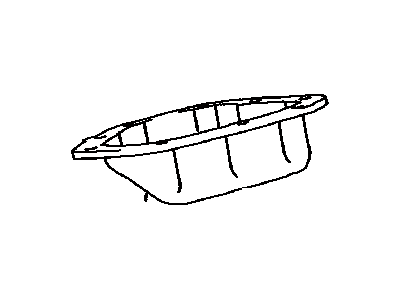
1992 Toyota Land Cruiser Oil Pan
Part Number: 12102-66010$156.77 MSRP: $222.87You Save: $66.10 (30%)Ships in 1-3 Business DaysProduct Specifications- Other Name: Pan Subassembly, Oil; Oil Pan
- Part Name Code: 12102A
- Item Weight: 4.20 Pounds
- Item Dimensions: 15.6 x 13.1 x 5.5 inches
- Condition: New
- Fitment Type: Direct Replacement
- SKU: 12102-66010
- Warranty: This genuine Toyota part is covered by warranty.

1992 Toyota Land Cruiser Pan Subassembly Oil
Part Number: 12101-66040$336.40 MSRP: $482.37You Save: $145.97 (31%)Ships in 1-3 Business DaysProduct Specifications- Part Name Code: 12101
- Item Weight: 7.20 Pounds
- Item Dimensions: 18.8 x 14.4 x 12.2 inches
- Condition: New
- Fitment Type: Direct Replacement
- SKU: 12101-66040
- Warranty: This genuine Toyota part is covered by warranty.
- Product Specifications
- Other Name: Pan Sub-Assy, Oil; Oil Pan
- Part Name Code: 12101
- Item Weight: 6.60 Pounds
- Item Dimensions: 18.4 x 13.4 x 11.4 inches
- Condition: New
- Fitment Type: Direct Replacement
- SKU: 12101-61050
- Warranty: This genuine Toyota part is covered by warranty.
1992 Toyota Land Cruiser Oil Pan
With ToyotaPartsDeal.com, you have access to an extensive inventory of genuine 1992 Toyota Land Cruiser Oil Pan, all priced competitively. Feel secure in your purchase, as all our OEM 1992 Toyota Land Cruiser Oil Pan are covered by warranty. Plus, we offer a hassle-free return policy and speedy delivery service.
1992 Toyota Land Cruiser Oil Pan Parts Questions & Experts Answers
- Q:How to remove and install the oil pan in Pushrod engine for the 1992 Toyota Land Cruiser?Posted by Kristophe B.A:To remove the oil pan, you should begin by turning off the vehicle so that they disconnect the cable from the negative terminal; in case the car's radio is equipped with an anti-theft option, you should have the right activation code. Lift the car with a jack, and place jackstands under it to hold the vehicle off the ground properly. Remove all the engine oil and unbolt the oil filter from the engine part. Remove the exhausts' hanging point and the manifold of the exhaust pipe, leaving the entire system disconnected. Take off the starter and the dust cap that is on the bellhousing next, take out the bolts of the oil pan, and take it off. Do not force the block and pan apart as this may damage the sealing surfaces, and if the pan is tightly upset, then gently knock it off using a soft-face hammer or a wooden block that has been hammered. To install the pan or block, scrape off all the old sealant off the pan and block and then wipe the mating areas with lacquer thinner or acetone. Place a new gasket on the engine with the gasket adhesive, put the oil pan, apply the torque to the bolts beginning in the center and moving outward in a spiral fashion. Secure the bellhousing dust cover back and the starter also, then join the exhaust pipe back to the manifold and exhaust hanger brackets. Stop the vehicle and placed a new filter, and took some quantity of oil into the engine. Last of all, fits the last negative cable, engage the engine and scan for any signs of leakage.Answered by Toyota Parts Specialist Phil / Jan 18, 2022
Related 1992 Toyota Land Cruiser Parts
 1992 Toyota Land Cruiser Drain Plug Washer
 1992 Toyota Land Cruiser Oil Filter
 1992 Toyota Land Cruiser Drain Plug
 1992 Toyota Land Cruiser Oil Pump
 1992 Toyota Land Cruiser Dipstick
 1992 Toyota Land Cruiser Rod Bearing
 1992 Toyota Land Cruiser Oil Cooler
 1992 Toyota Land Cruiser Crankshaft Pulley
 1992 Toyota Land Cruiser Piston Ring Set
 1992 Toyota Land Cruiser Dipstick Tube
 1992 Toyota Land Cruiser Crankshaft Thrust Washer Set