

My Garage
My Account
Cart
Genuine 2006 Toyota Tacoma Starter Motor
Starter Ignition- Select Vehicle by Model
- Select Vehicle by VIN
Select Vehicle by Model
orMake
Model
Year
Select Vehicle by VIN
For the most accurate results, select vehicle by your VIN (Vehicle Identification Number).
2 Starter motors found
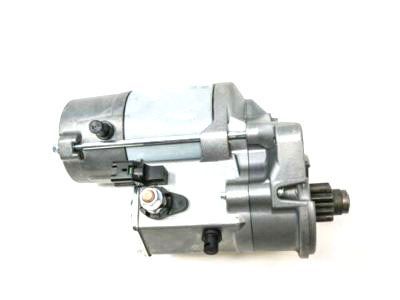
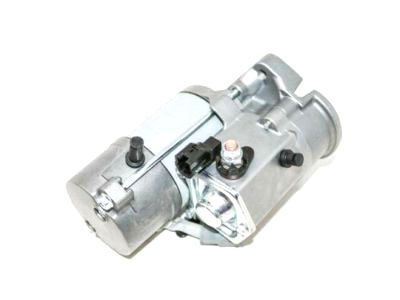
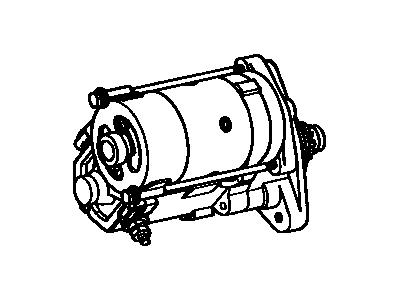
2006 Toyota Tacoma Starter Assembly
Part Number: 28100-75140$170.42 MSRP: $240.97You Save: $70.55 (30%)Ships in 1-2 Business DaysProduct Specifications- Replaced by: 28100-75140-84
- Part Name Code: 28100
- Item Weight: 7.10 Pounds
- Item Dimensions: 14.4 x 7.4 x 5.3 inches
- Condition: New
- Fitment Type: Direct Replacement
- SKU: 28100-75140
- Warranty: This genuine Toyota part is covered by warranty.
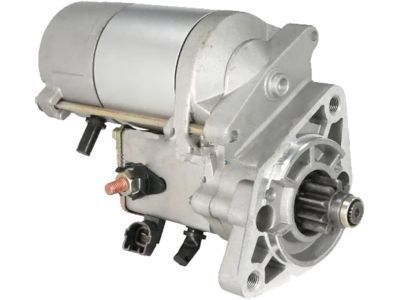
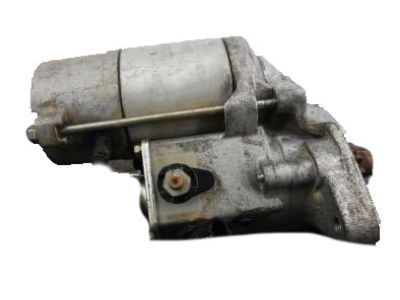
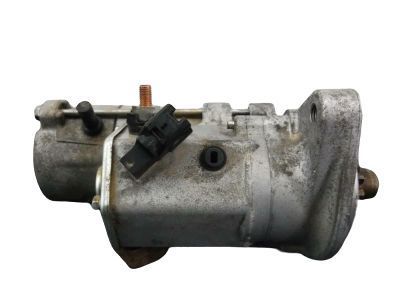
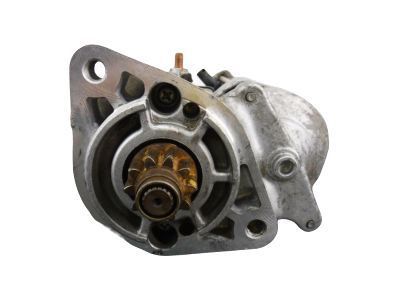
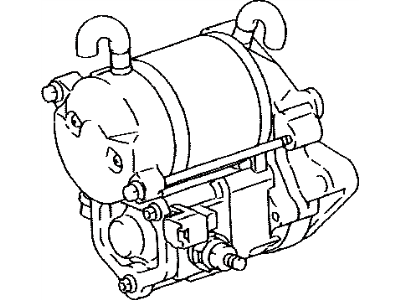
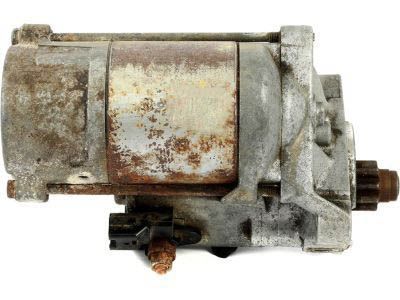
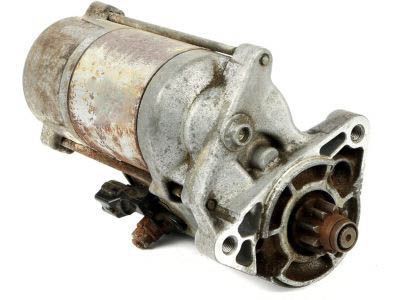
2006 Toyota Tacoma Starter Motor
Part Number: 28100-31050$307.82 MSRP: $441.39You Save: $133.57 (31%)Product Specifications- Other Name: Starter Assembly
- Part Name Code: 28100
- Item Weight: 14.30 Pounds
- Item Dimensions: 13.8 x 6.6 x 6.5 inches
- Condition: New
- Fitment Type: Direct Replacement
- SKU: 28100-31050
- Warranty: This genuine Toyota part is covered by warranty.
2006 Toyota Tacoma Starter Motor
With ToyotaPartsDeal.com, you have access to an extensive inventory of genuine 2006 Toyota Tacoma Starter Motor, all priced competitively. Feel secure in your purchase, as all our OEM 2006 Toyota Tacoma Starter Motor are covered by warranty. Plus, we offer a hassle-free return policy and speedy delivery service.
2006 Toyota Tacoma Starter Motor Parts Questions & Experts Answers
- Q:How to check Starter Motor and circuit for the 2006 Toyota Tacoma?Posted by Aubrey J.A:During some instances, a starting circuit develops a problem and this should not be mistaken to be a problem with the starter. The first steps are to ensure the battery cable clamps are clean and securely tightened in place, to inspect the battery cables for damage and replace any that are damaged and to test the battery for condition and if it is found to be bad to replace it. Also, look at the starter solenoid and check the wiring connections and the starter mounting bolts; furthermore, check the ignition switch circuit you should verify that it works properly. If your car has an electronically controlled system, switch on the Park/Neutral Position switch or the clutch start switch because in this type of circuit, the shift lever should be in the PARK/NEUTRAL position or the clutch pedal depressed to permit battery voltage to the ignition solenoid. Also, you must look at the starter relay situated in the fuse/relay box of your vehicle's engine compartment. If the starter does not engage when the ignition switch is turned to the start position, the battery voltage must be checked on the solenoid to know whether is has received the right voltage signal. If voltage is not available, check all fuses and relays concerned with the starting system. If voltage is present but the motor does not run check the starter, pull the starter and test it on the bench. Should the starter turn over slowly the cranking voltage should be measured along with the current draw from the battery, it should not drop below published volts figures and current should not be too high. This is particularly in the battery cables due to the high amperage which results in heating up of cables; stop testing and allow the system to cool. If starter motor cranking amp values are out of specified range replace the starter motor. Check for the cleanliness of the battery, possible corrosion of the battery terminal and cable joints and if so, then they should be cleaned or replaced, also to warm the battery or even the engine block in cold climatic conditions. if the starter receives voltage but does not turn on remove and take the starter/solenoid to the bench since the solenoid may be bad. Try to wiggle the crankshaft pulley before continuing; if you have the assembly in a vise, connect jumper cables to assess the solenoid's functionality. If the plungers come out and turn the pinion drive, everything is okay, but if there is a clicking noise and no translation, the solenoid, or starter motor is bad.Answered by Toyota Parts Specialist Ryan / Sep 14, 2023
Related 2006 Toyota Tacoma Parts
 2006 Toyota Tacoma Alternator
 2006 Toyota Tacoma Starter Solenoid
 2006 Toyota Tacoma Alternator Brush
 2006 Toyota Tacoma Alternator Bearing
 2006 Toyota Tacoma Alternator Pulley
 2006 Toyota Tacoma Alternator Case Kit
 2006 Toyota Tacoma Starter Drive Gear
 2006 Toyota Tacoma Starter Brush
 2006 Toyota Tacoma Armature