

My Garage
My Account
Cart
Genuine Toyota Avalon Wheel Seal
Wheel Axle Seal- Select Vehicle by Model
- Select Vehicle by VIN
Select Vehicle by Model
orMake
Model
Year
Select Vehicle by VIN
For the most accurate results, select vehicle by your VIN (Vehicle Identification Number).
8 Wheel Seals found
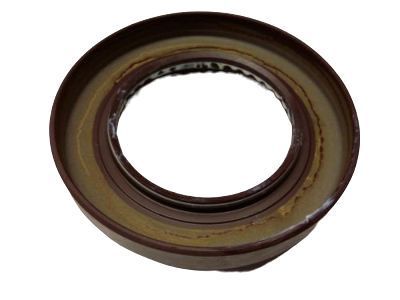
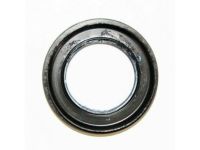
Toyota Avalon Oil Seal
Part Number: 90311-50029$26.05 MSRP: $36.41You Save: $10.36 (29%)Ships in 1-3 Business Days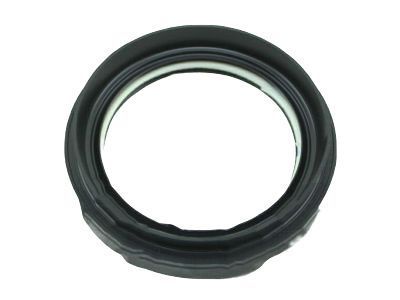
Toyota Avalon Type T Oil Seal
Part Number: 90311-50045$15.58 MSRP: $21.77You Save: $6.19 (29%)Ships in 1-2 Business Days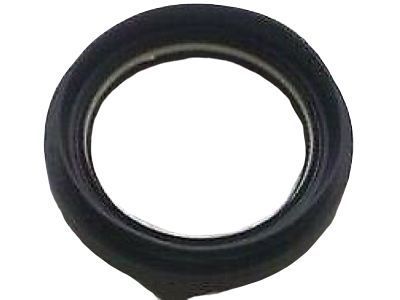
Toyota Avalon Type T Oil Seal
Part Number: 90311-50033$15.58 MSRP: $21.77You Save: $6.19 (29%)Ships in 1-3 Business Days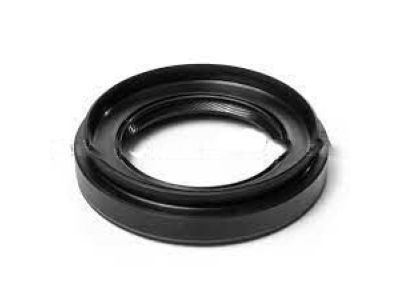
Toyota Avalon Oil Seal
Part Number: 90311-50011$26.05 MSRP: $36.41You Save: $10.36 (29%)Ships in 1-3 Business Days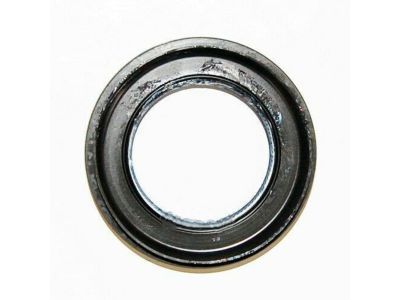
Toyota Avalon Type T Oil Seal
Part Number: 90311-50031$23.31 MSRP: $32.59You Save: $9.28 (29%)Ships in 1 Business Day
Toyota Avalon Cover, Dust
Part Number: 41336-06280$11.89 MSRP: $16.62You Save: $4.73 (29%)Ships in 1-3 Business DaysToyota Avalon Cover, Dust
Part Number: 41336-08030$19.62 MSRP: $27.43You Save: $7.81 (29%)Ships in 1-3 Business Days
Toyota Avalon Cover, Dust
Part Number: 41336-08020$16.65 MSRP: $23.27You Save: $6.62 (29%)Ships in 1-3 Business Days
Toyota Avalon Wheel Seal
The Wheel Seal of Toyota Avalon vehicles play's a significant role in covering the hub as well as bearing with protection from the rocks, debris, and dirt. Usually it is necessary to use the sparing amount of oil to avoid overheating and shrinkage of the material, which becomes brittle. It is advised to check the equipment for leaks and cracks for efficiency and maximum functionality. Its product offering portfolio has hundreds of parts including front and rear inner and outer wheel seals and complete kits. These high quality seals are created to provide precision and protection for the wheel bearing assemblage against harm.
If you are in demand for superior quality and affordable OEM Toyota Avalon Wheel Seal, then shop with us! We own a wide range of the reduced-priced genuine Toyota Avalon Wheel Seal. You can purchase in confidence as all parts come with a manufacturer's warranty. Any issues with our products? No need to worry as we have a hassle-free return policy to guide you every step of the way.
Toyota Avalon Wheel Seal Parts Questions & Experts Answers
- Q:How to Replace Wheel Seals and Speed Sensors in a Transaxle on 2002 through 2006 Toyota Avalon?Posted by Anibal B.A:Worn oil seals in the driveaxle and speedometer gear often create leaks and are simple to repair while keeping the transaxle inside the car. When looking for driveaxle oil seal leaks, lift the car up, put jackstands below it, and if you see fluid on the side of the transaxle, the seal is bad. Before replacing a driveaxle seal, you need to take off the driveaxle, and when fixing the right side driveaxle seal, you must also disconnect the intermediate shaft and put apart the driveaxle assembly in one piece. Use a screwdriver or prybar to carefully lift out the oil seal from the transaxle bore, being careful not to damage the seal bore with any marks or scratches. If the seal won't come out this way, we need to use a special oil seal removal tool. Use a seal driver to push the new seal straight into its slot with all its edges flush, applying grease to the lip and being careful not to hit the seal's weak edge. At the transaxle, a speedometer sensor and one to two transmission speed sensors sit on the case; spray-filling these parts can show where the O-rings are wearing out. Pulling the electrical plug at each sensor lets you remove them, uncovering the old O-rings so you can put on a fresh one from each housing before replacing the speed gears and sensors, threading down the bolts tightly. The seal on the direct clutch speed sensor's transaxle housing needs attention when ATF lubricant shows up there; disconnect the sensor's electrical connector, pull out the sensor from its location, take out the O-ring, then install a fresh O-ring coated with ATF onto the sensor body, and reattach the sensor before tightening its retaining bolt.Answered by Toyota Parts Specialist Andy / May 23, 2022
Related Toyota Avalon Parts
 Toyota Avalon Lug Nuts
 Toyota Avalon Wheel Stud
 Toyota Avalon Wheel Bearing
 Toyota Avalon Ball Joint
 Toyota Avalon Brake Drum
 Toyota Avalon Backing Plate
 Toyota Avalon Tie Rod End
 Toyota Avalon Brake Shoe Set
 Toyota Avalon Brake Bleeder Screw
 Toyota Avalon Wheel Hub
 Toyota Avalon Wheel Cylinder
Browse by Year
2022 Wheel Seal 2021 Wheel Seal 2020 Wheel Seal 2018 Wheel Seal 2017 Wheel Seal 2016 Wheel Seal 2015 Wheel Seal 2014 Wheel Seal 2013 Wheel Seal 2012 Wheel Seal 2011 Wheel Seal 2010 Wheel Seal 2009 Wheel Seal 2008 Wheel Seal 2007 Wheel Seal 2006 Wheel Seal 2005 Wheel Seal 2004 Wheel Seal 2003 Wheel Seal 2002 Wheel Seal 2001 Wheel Seal 2000 Wheel Seal 1999 Wheel Seal 1998 Wheel Seal 1997 Wheel Seal 1996 Wheel Seal 1995 Wheel Seal