

My Garage
My Account
Cart
Genuine Toyota Celica Headlight
Headlamp- Select Vehicle by Model
- Select Vehicle by VIN
Select Vehicle by Model
orMake
Model
Year
Select Vehicle by VIN
For the most accurate results, select vehicle by your VIN (Vehicle Identification Number).
101 Headlights found
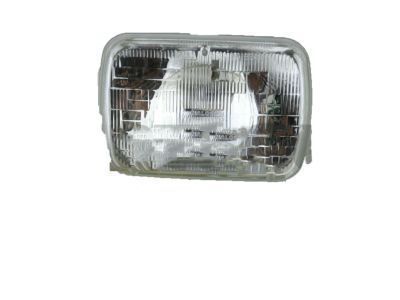
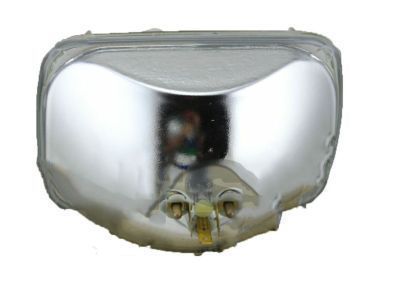
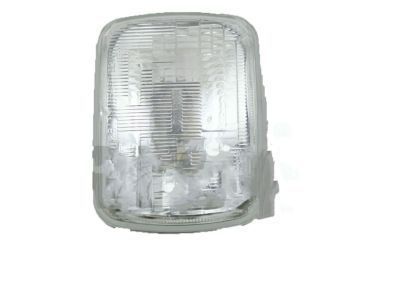
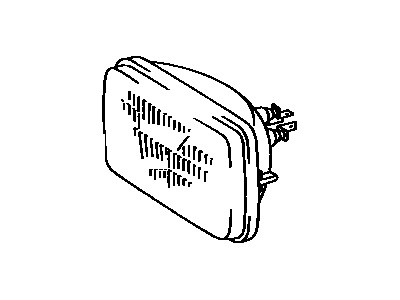
Toyota Celica Sealed Beam Unit No.1
Part Number: 90981-04020$10.58 MSRP: $14.79You Save: $4.21 (29%)Ships in 1-3 Business Days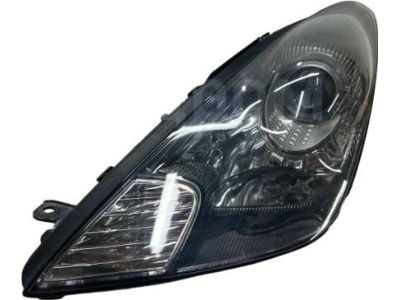
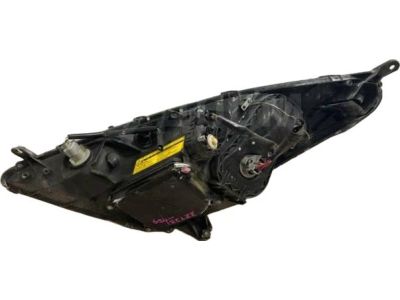
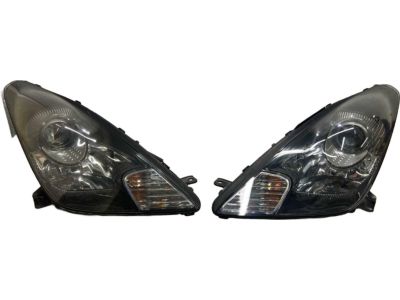
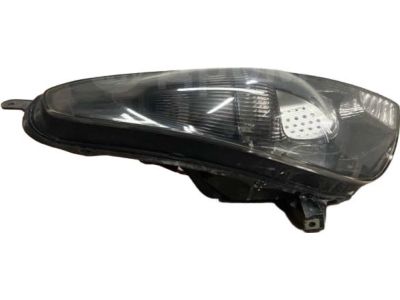
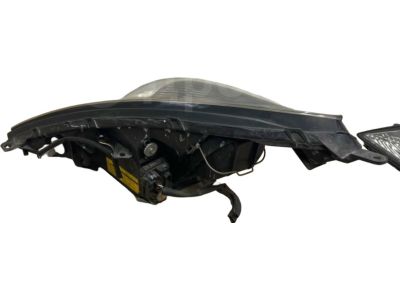
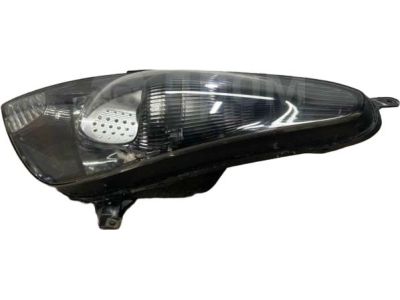
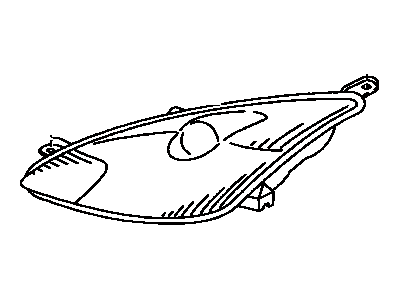
Toyota Celica Passenger Side Headlight Unit Assembly
Part Number: 81145-2D030$338.61 MSRP: $505.14You Save: $166.53 (33%)Ships in 1-3 Business Days
Toyota Celica Sealed Beam Unit
Part Number: 90981-02013$35.11 MSRP: $49.07You Save: $13.96 (29%)Ships in 1-3 Business Days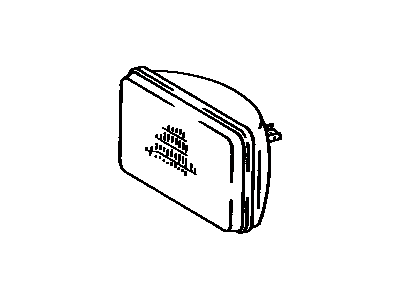
Toyota Celica Sealed Beam Unit No.1
Part Number: 90981-04016$10.58 MSRP: $14.79You Save: $4.21 (29%)Ships in 1-3 Business DaysToyota Celica Sealed Beam Unit No.1
Part Number: 90981-05028$103.57 MSRP: $145.99You Save: $42.42 (30%)Ships in 1-3 Business Days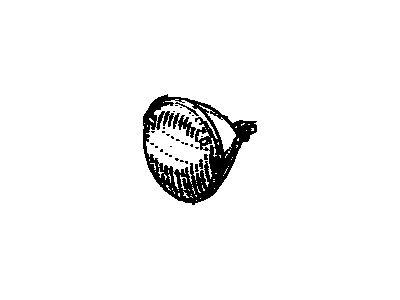
Toyota Celica Sealed Beam Unit No.1
Part Number: 90981-02011$2.83 MSRP: $3.95You Save: $1.12 (29%)Ships in 1-3 Business Days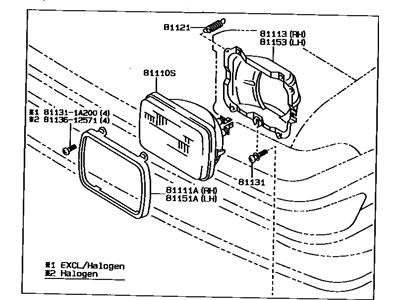
Toyota Celica Driver Side Headlight Assembly
Part Number: 81150-2B020$52.72 MSRP: $73.69You Save: $20.97 (29%)Ships in 1-3 Business Days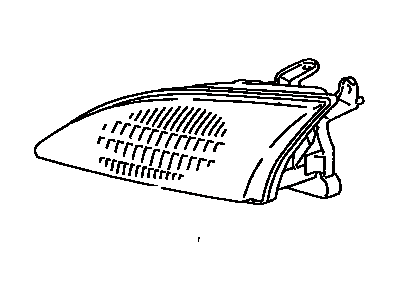
Toyota Celica Passenger Side Headlight Assembly
Part Number: 81110-80391$55.66 MSRP: $78.60You Save: $22.94 (30%)Ships in 1-3 Business Days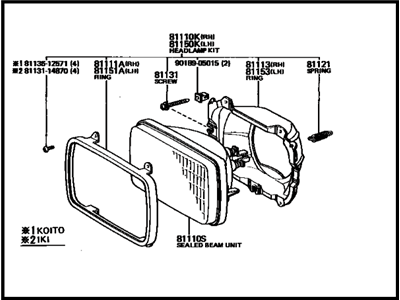
Toyota Celica Passenger Side Headlight Assembly
Part Number: 81110-80131$63.52 MSRP: $89.54You Save: $26.02 (30%)Ships in 1-3 Business DaysToyota Celica Passenger Side Headlight Assembly
Part Number: 81110-80144$63.52 MSRP: $89.54You Save: $26.02 (30%)Ships in 1-3 Business Days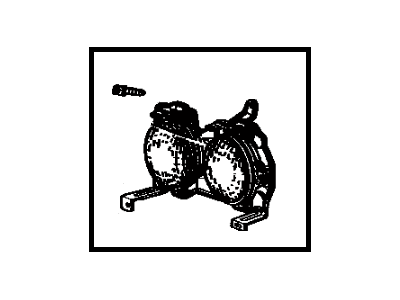
Toyota Celica Passenger Side Headlight Assembly
Part Number: 81110-19625$67.72 MSRP: $95.46You Save: $27.74 (30%)Ships in 1-3 Business DaysToyota Celica Passenger Side Headlight Assembly
Part Number: 81110-19635$67.72 MSRP: $95.46You Save: $27.74 (30%)Ships in 1-3 Business DaysToyota Celica Passenger Side Headlight Assembly
Part Number: 81110-19636$67.72 MSRP: $95.46You Save: $27.74 (30%)Ships in 1-3 Business Days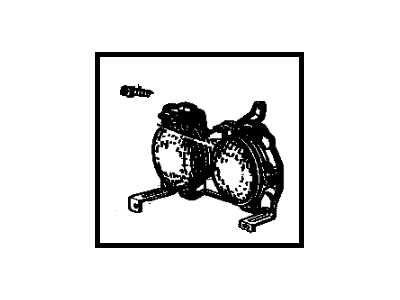
Toyota Celica Driver Side Headlight Assembly
Part Number: 81150-19575$67.72 MSRP: $95.46You Save: $27.74 (30%)Ships in 1-3 Business DaysToyota Celica Driver Side Headlight Assembly
Part Number: 81150-19585$67.72 MSRP: $95.46You Save: $27.74 (30%)Ships in 1-3 Business DaysToyota Celica Driver Side Headlight Assembly
Part Number: 81150-19586$67.72 MSRP: $95.46You Save: $27.74 (30%)Ships in 1-3 Business Days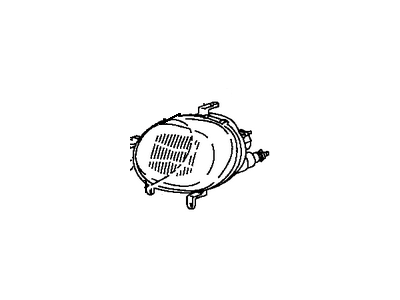
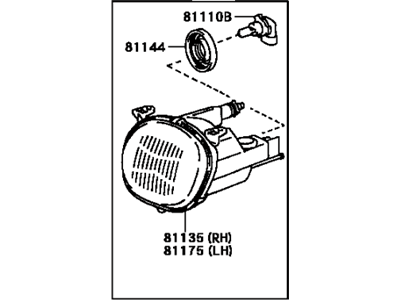
| Page 1 of 6 |Next >
1-20 of 101 Results
Toyota Celica Headlight
The Headlight of Toyota Celica functionally lights up the path ahead to provide better nighttime driving visibility for both the driver and traffic approaching from the opposite direction. Since its production Celica models have received different Headlight available as halogen lights alongside LED and xenon (HID) lights. Halogen Headlight dominate the market because of their lower price point yet their operating duration is shorter than LEDs and their energy-saving capability and long lifespan. The lighting system of xenon Headlight illuminates with white or bluish light because they operate through xenon gas instead of metal filament. Modern automobile Headlight use composite designs which combine better appearance with wind-tunnel-tested performance and feature integrated signal lights. Plastic material applied for the Toyota Headlight ages to a point where it causes the lenses to become both hazy and impenetrable. Advancements in technology resulted in the evolution of Toyota Celica replacement parts using these designs to increase safety measures alongside regulatory compliance standards.
If you are in demand for superior quality and affordable OEM Toyota Celica Headlight, then shop with us! We own a wide range of the reduced-priced genuine Toyota Celica Headlight. You can purchase in confidence as all parts come with a manufacturer's warranty. Any issues with our products? No need to worry as we have a hassle-free return policy to guide you every step of the way.
Toyota Celica Headlight Parts Questions & Experts Answers
- Q:How important is it to aim headlights correctly on Toyota Celica?A:Another important factor car headlights must be properly aligned in a manner that will not blind other motorists on the road while at the same ensuring maximum visibility on the road. It is recommended that the proper aim should be checked after one year or any time the replacement of one or more headlight is done or there is a front-end body work done on the car. The adjustment procedure offers only a relative correction, and the person must wait until a specialist intervenes and uses the appropriate method. Early body style headlights feature an adjusting screw on top for up-and-down movement and one on the side for left-and-right movement, while late models have two screws: one for left-and-right attached to one of the sides of the garment and the other, for up-and-down located at the bottom of the garment. To align the headlights the following are needed, a blank wall at a distance of 25 feet in front of the vehicle and a level floor. When preparing and marking the wall, vertical masking tape should be positioned along the line of the car's centerline, as well as, centerline of the headlights; additionally, there has to be a horizontal tape line. It should be stationary, with some fuel in its tank although not full, and not carrying any bulky items. For low beam adjustment the HIGH INTENSITY ZONE should be set two inches below the nominal horizontal line and two inches right of the vertical lighter line adjustment screws. When high beams are on, the high intensity area should be slightly below the line horizontally though low beams are more important and commonly used for safety. It is recommended that one should see an expert to have the headlights realigned as soon as possible.
Related Toyota Celica Parts
 Toyota Celica Fog Light Bulb
 Toyota Celica Headlight Bulb
 Toyota Celica Fog Light
 Toyota Celica Igniter
 Toyota Celica Headlight Switch
 Toyota Celica Bumper
 Toyota Celica Sunroof Cable
Browse by Year
2005 Headlight 2004 Headlight 2003 Headlight 2002 Headlight 2001 Headlight 2000 Headlight 1999 Headlight 1998 Headlight 1997 Headlight 1996 Headlight 1995 Headlight 1994 Headlight 1993 Headlight 1992 Headlight 1991 Headlight 1990 Headlight 1989 Headlight 1988 Headlight 1987 Headlight 1986 Headlight 1985 Headlight 1984 Headlight 1983 Headlight 1982 Headlight 1981 Headlight 1980 Headlight 1979 Headlight 1978 Headlight