

My Garage
My Account
Cart
Genuine Toyota Corolla Brake Disc
Disc Rotor- Select Vehicle by Model
- Select Vehicle by VIN
Select Vehicle by Model
orMake
Model
Year
Select Vehicle by VIN
For the most accurate results, select vehicle by your VIN (Vehicle Identification Number).
33 Brake Discs found
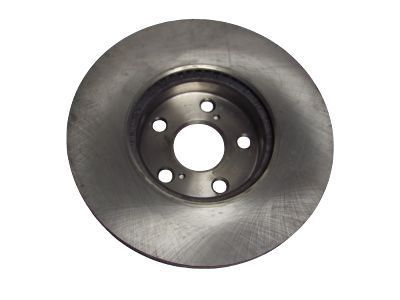
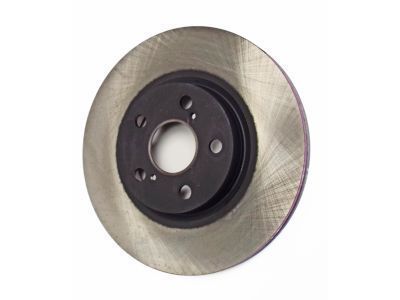
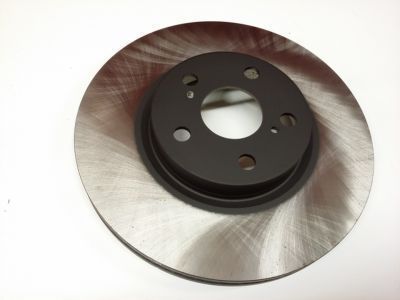
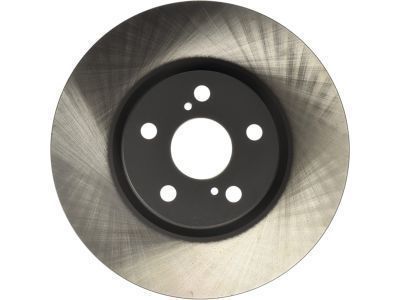
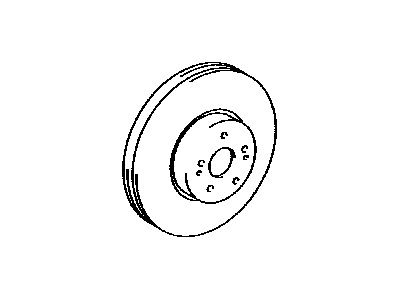
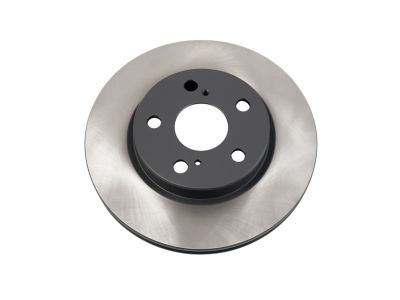
Toyota Corolla Disc Brake Rotor Front
Part Number: 43512-02240$64.18 MSRP: $90.47You Save: $26.29 (30%)Ships in 1-3 Business Days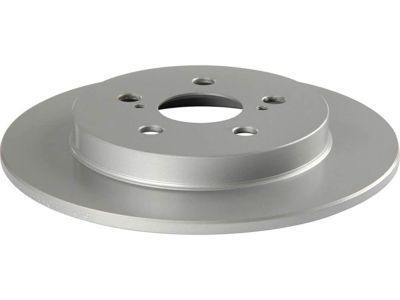
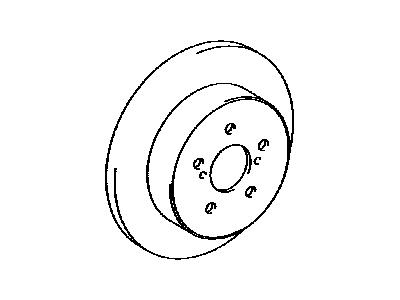
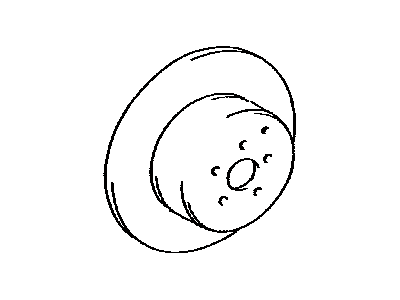
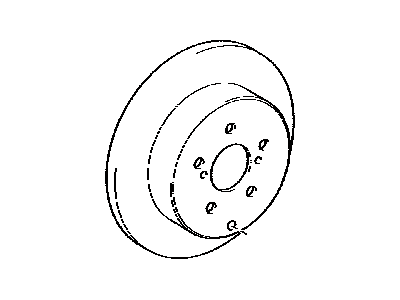
Toyota Corolla Rear Disc
Part Number: 42431-12310$61.58 MSRP: $86.81You Save: $25.23 (30%)Ships in 1-3 Business Days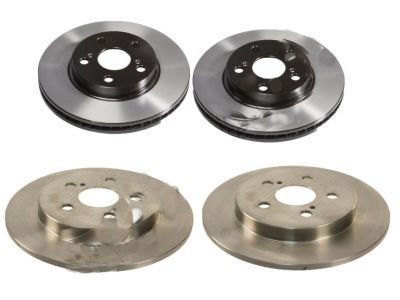
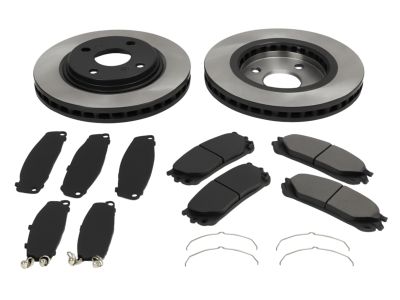
Toyota Corolla Disc Brake Rotor Front
Part Number: 43512-12710$64.18 MSRP: $90.47You Save: $26.29 (30%)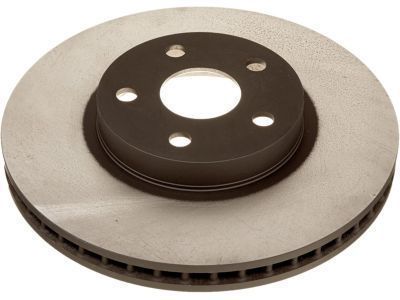
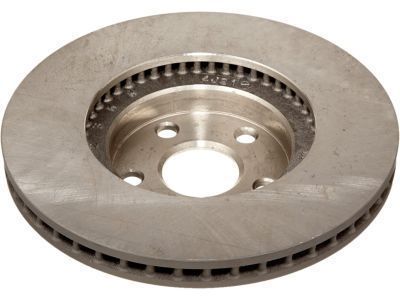
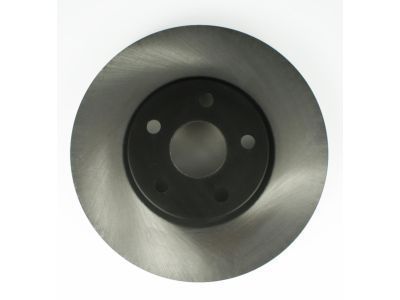
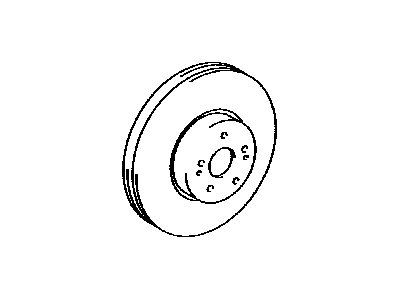
Toyota Corolla Disc Brake Rotor Front
Part Number: 43512-02111$68.66 MSRP: $96.79You Save: $28.13 (30%)Ships in 1-3 Business Days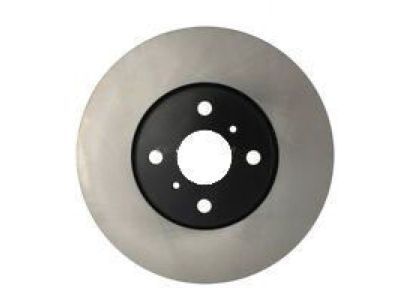
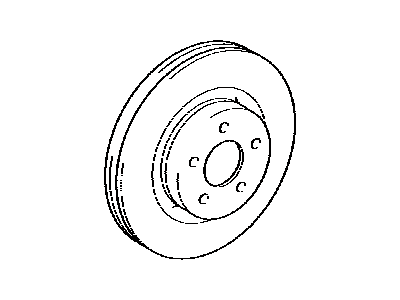
Toyota Corolla Disc Brake Rotor Front
Part Number: 43512-12720$68.19 MSRP: $96.13You Save: $27.94 (30%)Ships in 1-2 Business Days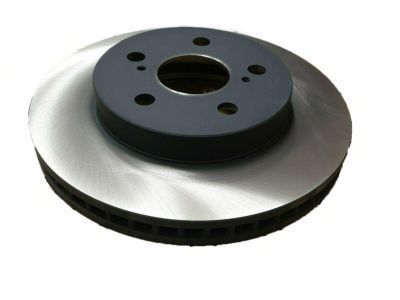
Toyota Corolla Disc Brake Rotor Front
Part Number: 43512-47060$65.83 MSRP: $92.80You Save: $26.97 (30%)Ships in 1-2 Business Days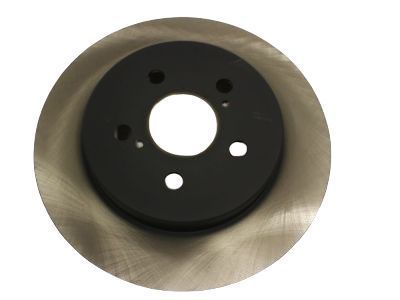
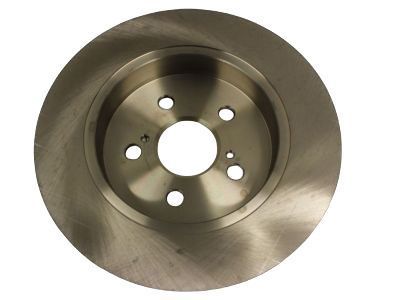
Toyota Corolla Rear Disc
Part Number: 42431-12270$63.94 MSRP: $90.14You Save: $26.20 (30%)Ships in 1-2 Business Days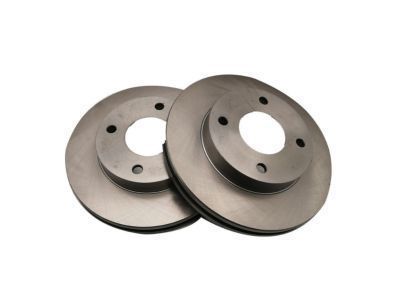
Toyota Corolla Disc Brake Rotor Front
Part Number: 43512-12550$69.02 MSRP: $97.29You Save: $28.27 (30%)Ships in 1-3 Business Days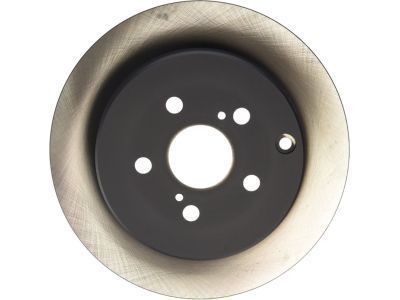
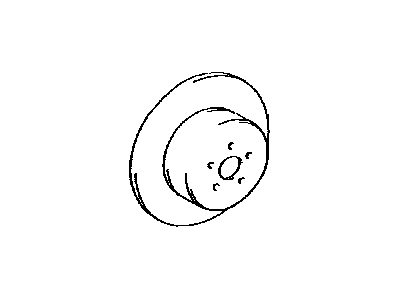
Toyota Corolla Rear Disc
Part Number: 42431-47030$69.84 MSRP: $98.45You Save: $28.61 (30%)Ships in 1-3 Business Days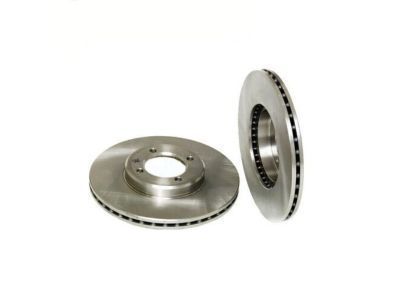
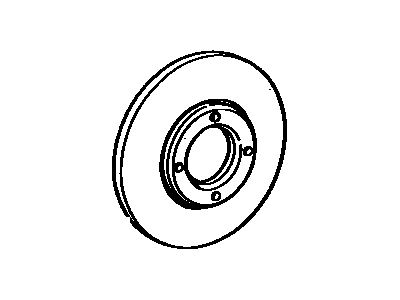
Toyota Corolla Disc Brake Rotor Front
Part Number: 43512-12130$68.07 MSRP: $95.96You Save: $27.89 (30%)Ships in 1-3 Business Days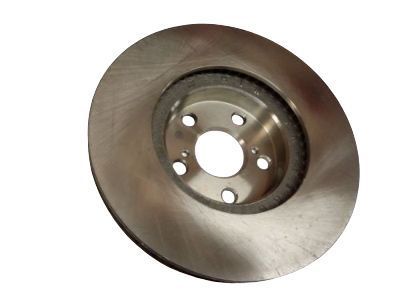
Toyota Corolla Disc Brake Rotor Front
Part Number: 43512-12641$65.60 MSRP: $92.47You Save: $26.87 (30%)Ships in 1-3 Business Days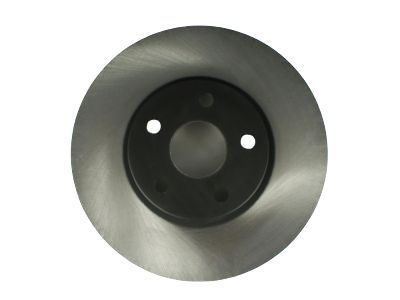
Toyota Corolla Disc Brake Rotor Front
Part Number: 43512-02110$68.66 MSRP: $96.79You Save: $28.13 (30%)Ships in 1-3 Business Days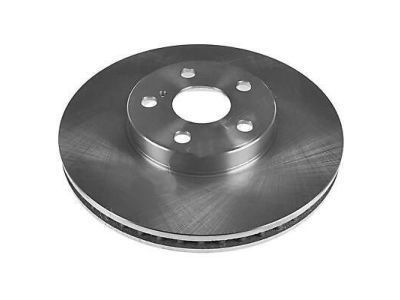
Toyota Corolla Disc Brake Rotor Front
Part Number: 43512-02130$68.66 MSRP: $96.79You Save: $28.13 (30%)Ships in 1-3 Business Days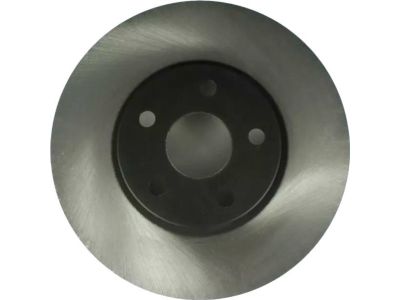
Toyota Corolla Disc Brake Rotor Front
Part Number: 43512-12640$68.66 MSRP: $96.79You Save: $28.13 (30%)Ships in 1-3 Business Days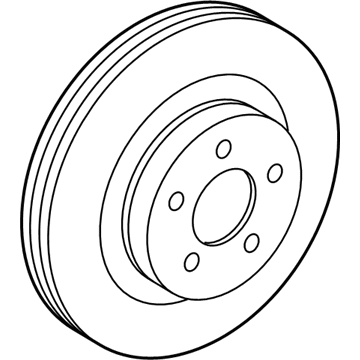
Toyota Corolla Disc Brake Rotor Front
Part Number: 43512-02370$66.19 MSRP: $93.30You Save: $27.11 (30%)Ships in 1-3 Business DaysToyota Corolla Rear Disc
Part Number: 42431-02310$61.23 MSRP: $86.31You Save: $25.08 (30%)Ships in 1-3 Business Days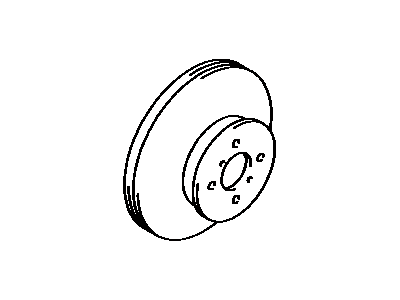
Toyota Corolla Disc Brake Rotor Front
Part Number: 43512-12440$68.07 MSRP: $95.96You Save: $27.89 (30%)Ships in 1-3 Business Days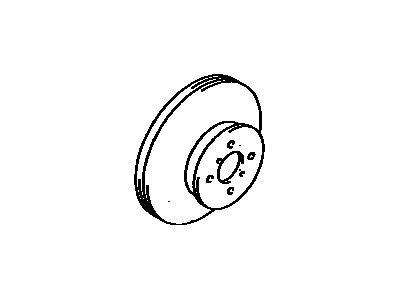
Toyota Corolla Disc Brake Rotor Front
Part Number: 43512-12250$68.07 MSRP: $95.96You Save: $27.89 (30%)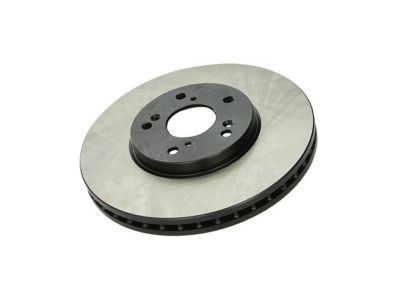
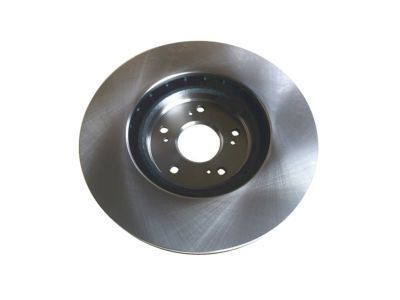
| Page 1 of 2 |Next >
1-20 of 33 Results
Toyota Corolla Brake Disc
Brake Disc is an integral part of disc brake system installed in Toyota Corolla vehicles which is mainly used in order to provide necessary friction in order to decelerate or stop the vehicle. During braking, the brake pedal is pressed and this causes the brake pads to rub on the rotor in order to change kinetic energy to heat energy. This is an important process in the operation of the brakes with a direct bearing on the braking efficiency and safety. Since the beginning, several styles of Brake Discs have been used in Corolla models: Solid - nonvented and new generation the drilled and slot type, which increase heat conductivity and reduce noise. Based on the idea of equipotential groove contact mixed with Venture's two-piece rotor design that comprises a separable center and friction ring, weight and thermal control are defined at an optimum level. This is because warping, scarring, and rust can all endanger the braking capability of the system so it is vital to keep up to maintain it. It is therefore important to inspect the Brake Rotor quite often and replace it before it degrades beyond efficient use of the vehicle.
If you are in demand for superior quality and affordable OEM Toyota Corolla Brake Disc, then shop with us! We own a wide range of the reduced-priced genuine Toyota Corolla Brake Disc. You can purchase in confidence as all parts come with a manufacturer's warranty. Any issues with our products? No need to worry as we have a hassle-free return policy to guide you every step of the way.
Toyota Corolla Brake Disc Parts Questions & Experts Answers
- Q:How to inspect and replace brake discs on Toyota Corolla?A:To inspect the brake disc, begin by loosening the wheel lug nuts, raising the vehicle, and securely supporting it on jack stands. Remove the wheel and install the lug nuts to hold the disc in place. Proceed to remove the Brake Caliper, suspending it out of the way with a wire without disconnecting the brake hose. Remove the torque plate mounting bolts and detach the torque plate. Perform a visual inspection of the disc surface, checking for score marks, damage, and deep scoring. It is essential to examine both sides of the disc. To assess disc runout, position a dial indicator about 1/2-inch from the outer edge of the disc, set the indicator to zero, and rotate the disc. The indicator reading should not exceed the specified allowable runout limit. If it does, the disc needs refinishing. Take care not to machine the disc below the specified minimum refinish thickness. The minimum wear thickness can be verified using a micrometer. For removal, remove the lug nuts used to hold the disc and slide the disc from the hub. During installation, place the disc in position over the threaded studs. Install the torque plate, tightening the bolts to the specified torque. Proceed to install the caliper, ensuring the bolts are tightened correctly. Bleeding is not required unless the brake hose was disconnected. Install the wheel and lug nuts, lower the vehicle, and tighten the lug nuts to the specified torque. Depress the brake pedal a few times to bring the brake pads into contact with the disc. Before driving the vehicle, carefully check the operation of the brakes.
Related Toyota Corolla Parts
 Toyota Corolla Brake Pad Set
 Toyota Corolla Speed Sensor
 Toyota Corolla Brake Bleeder Screw
 Toyota Corolla Brake Master Cylinder
 Toyota Corolla Parking Brake Cable
 Toyota Corolla Brake Line
 Toyota Corolla Wheel Cylinder Repair Kit
Browse by Year
2024 Brake Disc 2023 Brake Disc 2022 Brake Disc 2021 Brake Disc 2020 Brake Disc 2019 Brake Disc 2018 Brake Disc 2017 Brake Disc 2016 Brake Disc 2015 Brake Disc 2014 Brake Disc 2013 Brake Disc 2012 Brake Disc 2011 Brake Disc 2010 Brake Disc 2009 Brake Disc 2008 Brake Disc 2007 Brake Disc 2006 Brake Disc 2005 Brake Disc 2004 Brake Disc 2003 Brake Disc 2002 Brake Disc 2001 Brake Disc 2000 Brake Disc 1999 Brake Disc 1998 Brake Disc 1997 Brake Disc 1996 Brake Disc 1995 Brake Disc 1994 Brake Disc 1993 Brake Disc 1992 Brake Disc 1991 Brake Disc 1990 Brake Disc 1989 Brake Disc 1988 Brake Disc 1987 Brake Disc 1986 Brake Disc 1985 Brake Disc 1984 Brake Disc 1983 Brake Disc 1982 Brake Disc 1981 Brake Disc 1980 Brake Disc 1979 Brake Disc 1978 Brake Disc 1977 Brake Disc 1976 Brake Disc 1975 Brake Disc