

My Garage
My Account
Cart
Genuine Toyota Corolla Brake Line
Brake Hose- Select Vehicle by Model
- Select Vehicle by VIN
Select Vehicle by Model
orMake
Model
Year
Select Vehicle by VIN
For the most accurate results, select vehicle by your VIN (Vehicle Identification Number).
286 Brake Lines found
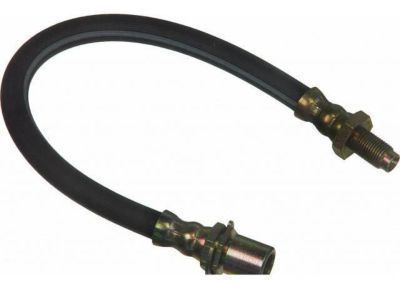
Toyota Corolla Flexible Hose
Part Number: 96940-33005$51.99 MSRP: $72.67You Save: $20.68 (29%)Ships in 1-2 Business Days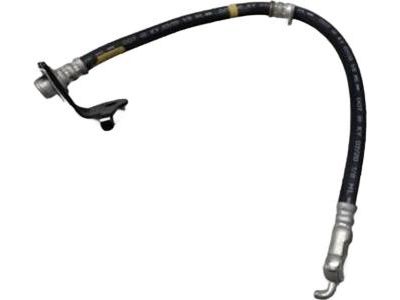
Toyota Corolla Flexible Hose
Part Number: 90947-A2109$61.47 MSRP: $86.64You Save: $25.17 (30%)Ships in 1-3 Business Days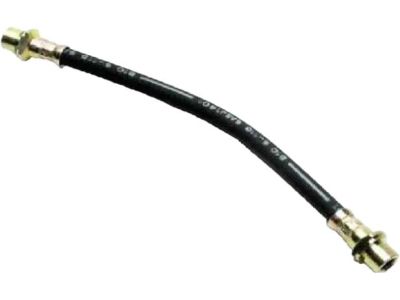
Toyota Corolla Flexible Hose
Part Number: 90080-94139$54.49 MSRP: $76.17You Save: $21.68 (29%)Ships in 1-3 Business Days
Toyota Corolla Rear Brake Tube
Part Number: 47324-12210$8.08 MSRP: $11.29You Save: $3.21 (29%)Ships in 1-2 Business Days
Toyota Corolla Rear Brake Tube
Part Number: 47324-02070$9.87 MSRP: $13.79You Save: $3.92 (29%)Ships in 1-3 Business Days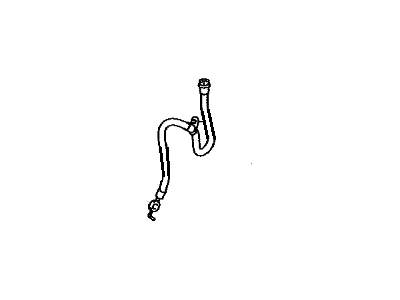
Toyota Corolla Flexible Hose
Part Number: 90947-A2112$76.10 MSRP: $107.27You Save: $31.17 (30%)Ships in 1-3 Business Days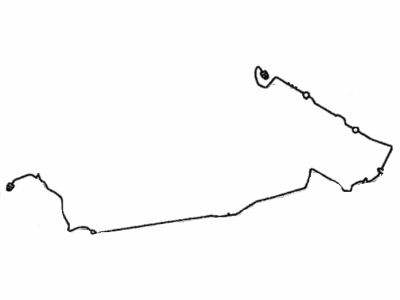
Toyota Corolla Rear Brake Tube
Part Number: 47321-02040$73.38 MSRP: $103.44You Save: $30.06 (30%)Ships in 1-3 Business DaysToyota Corolla Rear Brake Tube
Part Number: 47324-63010$6.41 MSRP: $8.97You Save: $2.56 (29%)Ships in 1-3 Business Days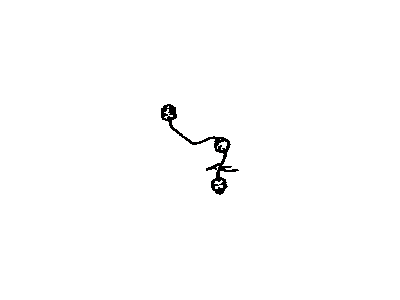
Toyota Corolla Front Brake Tube
Part Number: 47315-02180$13.44 MSRP: $18.78You Save: $5.34 (29%)Ships in 1-3 Business Days
Toyota Corolla Rear Brake Line No.3
Part Number: 47323-02240$7.96 MSRP: $11.13You Save: $3.17 (29%)Ships in 1-2 Business Days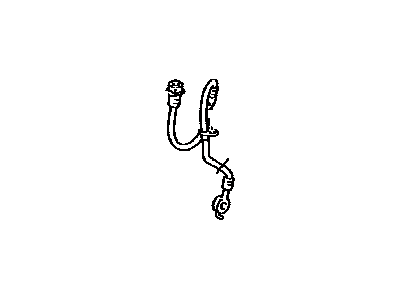
Toyota Corolla Flexible Hose
Part Number: 90947-A2078$89.08 MSRP: $125.57You Save: $36.49 (30%)Ships in 1-3 Business DaysToyota Corolla Rear Brake Tube
Part Number: 47324-01040$4.27 MSRP: $5.97You Save: $1.70 (29%)Ships in 1-3 Business DaysToyota Corolla Flexible Hose
Part Number: 90947-A2110$61.47 MSRP: $86.64You Save: $25.17 (30%)Ships in 1-3 Business Days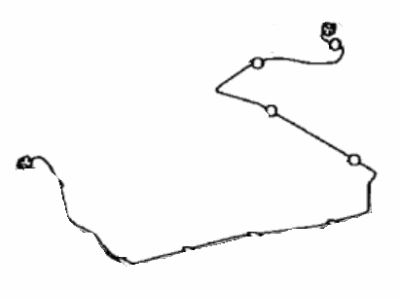
Toyota Corolla Rear Brake Tube
Part Number: 47321-02130$60.05 MSRP: $84.65You Save: $24.60 (30%)Ships in 1-3 Business DaysToyota Corolla Flexible Hose
Part Number: 90947-02H47$76.10 MSRP: $107.27You Save: $31.17 (30%)Ships in 1-3 Business Days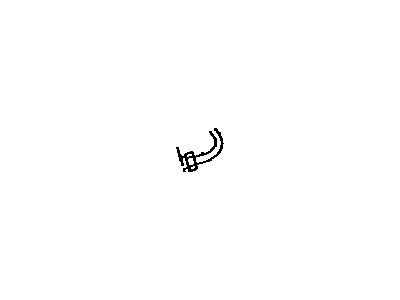
Toyota Corolla Front Brake Tube
Part Number: 47311-02450$30.71 MSRP: $42.93You Save: $12.22 (29%)Ships in 1-3 Business DaysToyota Corolla Rear Brake Tube
Part Number: 47324-01030$9.98 MSRP: $13.96You Save: $3.98 (29%)Ships in 1-3 Business DaysToyota Corolla Rear Brake Tube
Part Number: 47324-02030$8.08 MSRP: $11.29You Save: $3.21 (29%)Ships in 1-2 Business Days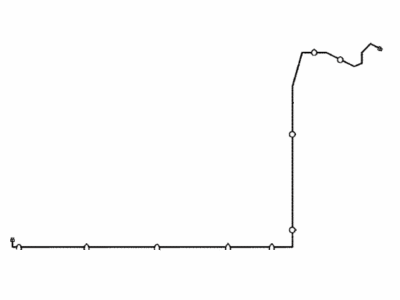
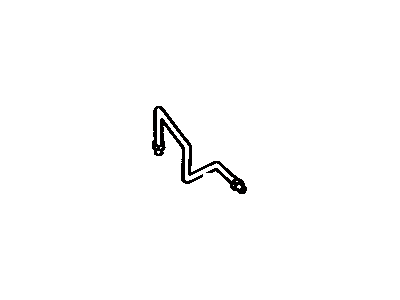
| Page 1 of 15 |Next >
1-20 of 286 Results
Toyota Corolla Brake Line
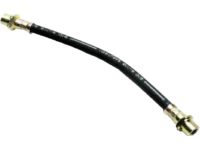
The Toyota Corolla Brake Line is an important assembly that serves as the brake fluid hydraulic line from the master cylinder to the brake caliper pistons thus allowing the proper function of the hydraulic brake system. Brake line hoses are made of metal and thus are vulnerable to corrosion and impact injury that causes fluid leakage, besides, the lack of hydraulic pressure. It also similarly poses harm to brake hoses either in its physical condition or as for as the internal structure is concerned, which hampers the braking mechanism. In cases where replacement is required, pre-bent brake line kits and corrosion proof stainless steel hoses are used in the making of the contraption. Braided stainless steel hoses are another considerable step to get even more delicate feelings and reaction of pedals during performance driving conditions.
If you are in demand for superior quality and affordable OEM Toyota Corolla Brake Line, then shop with us! We own a wide range of the reduced-priced genuine Toyota Corolla Brake Line. You can purchase in confidence as all parts come with a manufacturer's warranty. Any issues with our products? No need to worry as we have a hassle-free return policy to guide you every step of the way.
Toyota Corolla Brake Line Parts Questions & Experts Answers
- Q:How to inspect and replace rubber hoses connecting steel brake lines to front and rear brake assemblies on Toyota Corolla?A:Inspect rubber hoses every six months with the vehicle raised and supported on jack stands. Look for cracks, chafing, leaks, blisters, or damage. Use light and a mirror for a thorough check. Replace the hose if any issues are found. To replace the front brake hose, loosen lug nuts, raise the vehicle, support on jack stands, and remove the wheel. Unscrew the brake line fitting from a hose at the frame bracket using a flare-nut wrench. Remove the U-clip from the female fitting at a bracket and pass the hose through the bracket. Remove the banjo fitting bolt at the caliper end and separate hose from the Brake Caliper. Check copper sealing washers and replace them if needed. Remove the U-clip from the strut bracket and feed the hose through the bracket. To install the hose, pass the caliper fitting end through the strut bracket, and connect to the caliper using a banjo bolt and copper washers. Ensure locating lug is engaged with a hole in the caliper, and tighten the bolt to the specified torque. Push metal support into strut bracket, install U-clip, ensuring hose is not twisted. Route hose into frame bracket, ensuring it is not twisted, and connect brake line fitting. Install clip and E-ring if provided, and tighten fitting securely. Bleed caliper, install wheel and lug nuts, lowered vehicle, and tighten lug nuts to proper torque. When replacing the rear brake hose, ensure the wheel cylinder is bled properly. Use correct parts for metal brake lines, and avoid copper tubing. Purchase genuine steel brake lines with prefabricated ends and fittings. Securely support new line in brackets, and ensure clearance from moving or hot components. Check the master cylinder fluid level, add fluid if necessary. Bleed brake system and test brakes carefully before driving in traffic.
Related Toyota Corolla Parts
 Toyota Corolla Brake Pad Set
 Toyota Corolla Brake Disc
 Toyota Corolla Wheel Seal
 Toyota Corolla Backing Plate
 Toyota Corolla Brake Drum
 Toyota Corolla Brake Proportioning Valve
 Toyota Corolla Speed Sensor
 Toyota Corolla Brake Shoe Set
 Toyota Corolla Brake Master Cylinder
 Toyota Corolla Parking Brake Cable
 Toyota Corolla Brake Fluid Pump
 Toyota Corolla Brake Caliper
Browse by Year
2024 Brake Line 2023 Brake Line 2022 Brake Line 2021 Brake Line 2020 Brake Line 2019 Brake Line 2018 Brake Line 2017 Brake Line 2016 Brake Line 2015 Brake Line 2014 Brake Line 2013 Brake Line 2012 Brake Line 2011 Brake Line 2010 Brake Line 2009 Brake Line 2008 Brake Line 2007 Brake Line 2006 Brake Line 2005 Brake Line 2004 Brake Line 2003 Brake Line 2002 Brake Line 2001 Brake Line 2000 Brake Line 1999 Brake Line 1998 Brake Line 1997 Brake Line 1996 Brake Line 1995 Brake Line 1994 Brake Line 1993 Brake Line 1992 Brake Line 1991 Brake Line 1990 Brake Line 1989 Brake Line 1988 Brake Line 1987 Brake Line 1986 Brake Line 1985 Brake Line 1984 Brake Line 1983 Brake Line 1982 Brake Line 1981 Brake Line 1980 Brake Line 1979 Brake Line 1978 Brake Line 1977 Brake Line 1976 Brake Line 1975 Brake Line