

My Garage
My Account
Cart
Genuine Toyota Corolla Radiator
Cooling Radiator- Select Vehicle by Model
- Select Vehicle by VIN
Select Vehicle by Model
orMake
Model
Year
Select Vehicle by VIN
For the most accurate results, select vehicle by your VIN (Vehicle Identification Number).
101 Radiators found
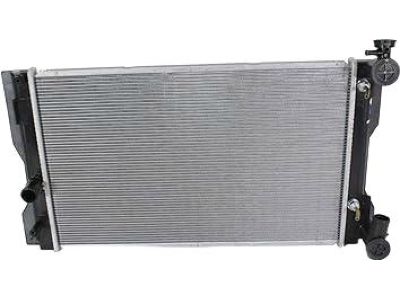
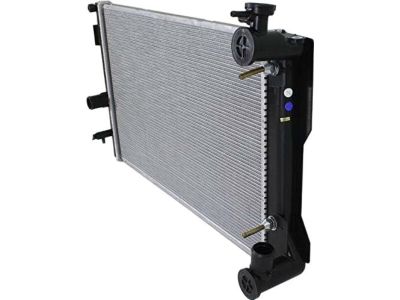
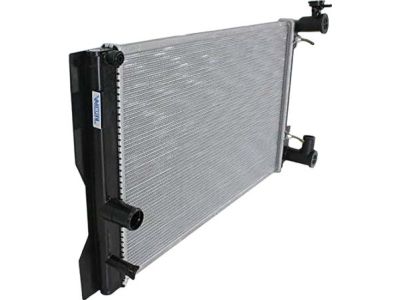
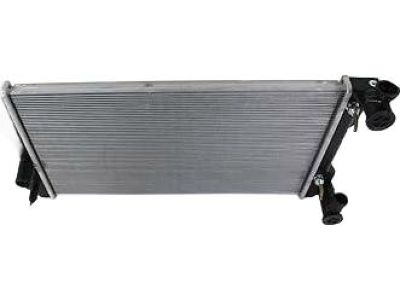
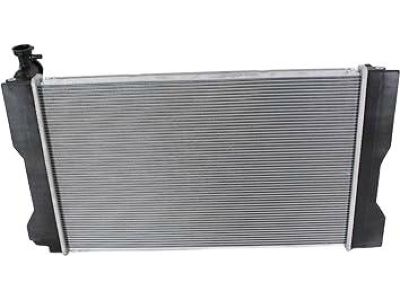
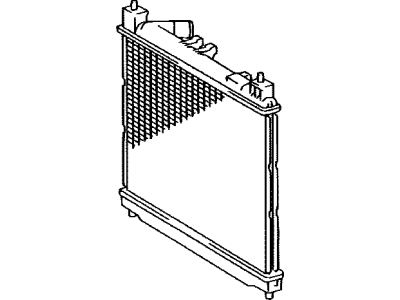
Toyota Corolla Radiator Assembly
Part Number: 16410-0T031$250.32 MSRP: $358.93You Save: $108.61 (31%)Ships in 1-3 Business Days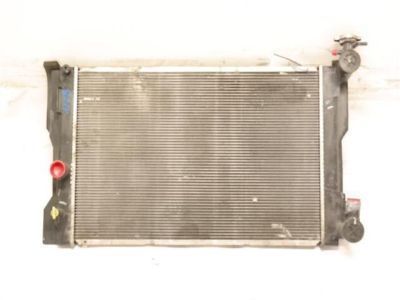
Toyota Corolla Radiator Assembly
Part Number: 16410-0T041$225.78 MSRP: $323.75You Save: $97.97 (31%)Ships in 1-3 Business Days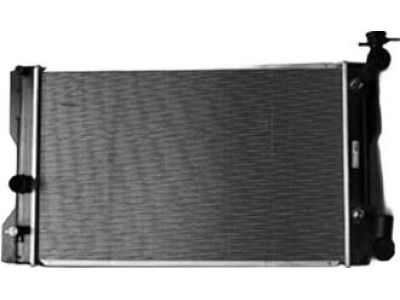
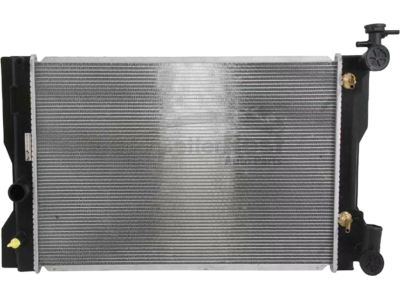
Toyota Corolla Radiator Assembly
Part Number: 16410-0T030$250.32 MSRP: $358.93You Save: $108.61 (31%)Ships in 1-3 Business Days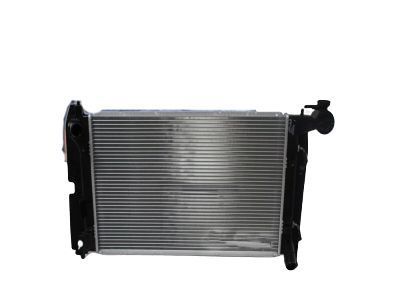
Toyota Corolla Radiator Assembly
Part Number: 16400-0D230$260.13 MSRP: $373.00You Save: $112.87 (31%)Ships in 1-3 Business Days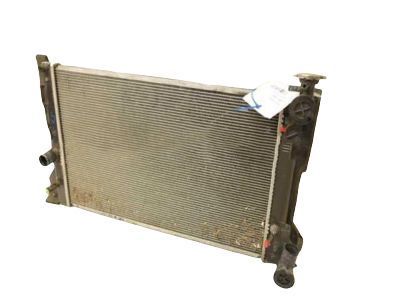
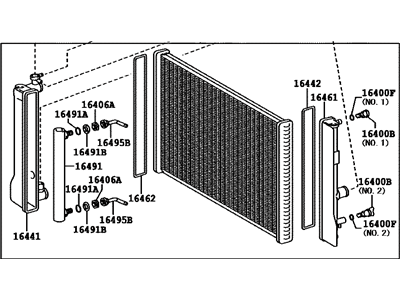
Toyota Corolla Radiator Assembly
Part Number: 16410-22160$275.57 MSRP: $395.14You Save: $119.57 (31%)Ships in 1-3 Business Days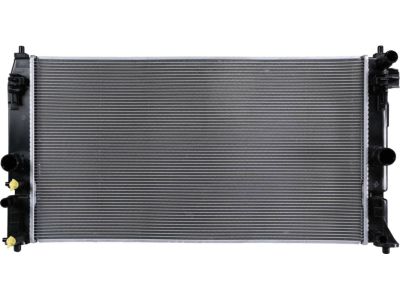
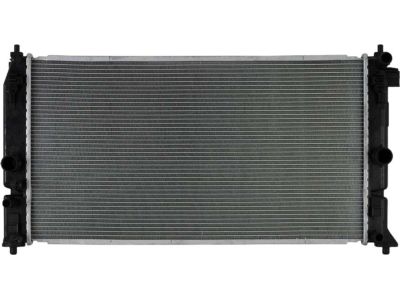
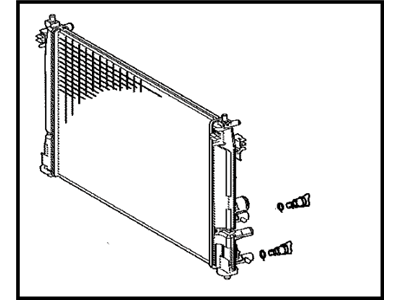
Toyota Corolla Radiator Assembly
Part Number: 16400-37380$197.17 MSRP: $282.72You Save: $85.55 (31%)Ships in 1-3 Business Days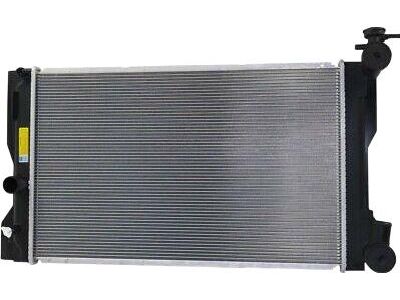
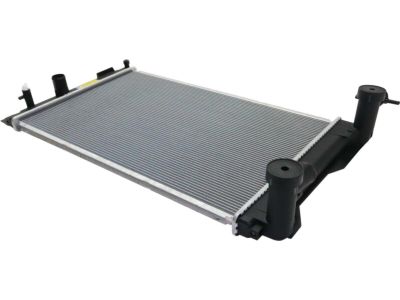
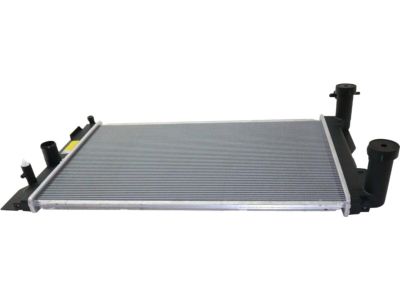
Toyota Corolla Radiator Assembly
Part Number: 16410-0T042$225.78 MSRP: $323.75You Save: $97.97 (31%)Ships in 1-2 Business Days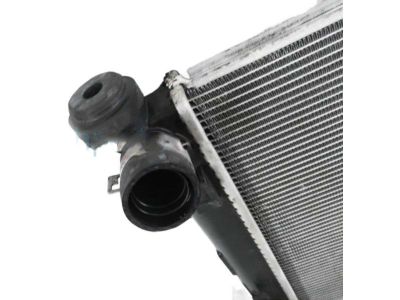
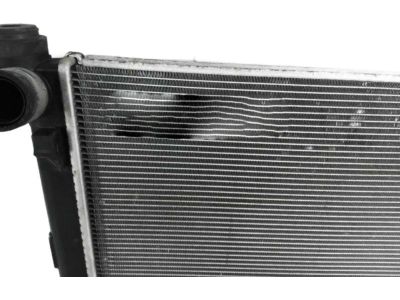
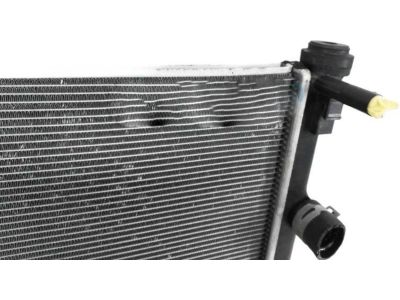
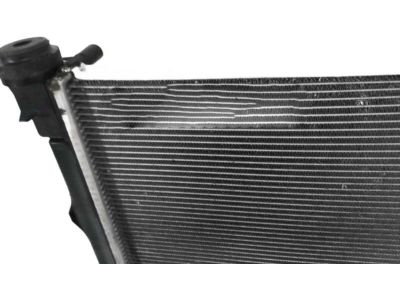
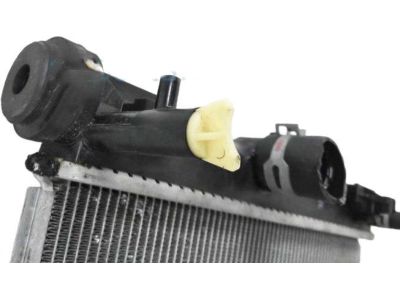
Toyota Corolla Radiator Assembly
Part Number: 16400-24340$240.50 MSRP: $344.86You Save: $104.36 (31%)Ships in 1-2 Business Days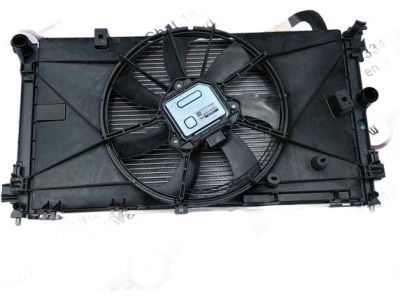
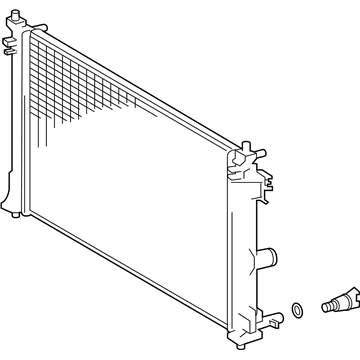
Toyota Corolla Radiator Assembly
Part Number: 16400-F2010$242.20 MSRP: $347.29You Save: $105.09 (31%)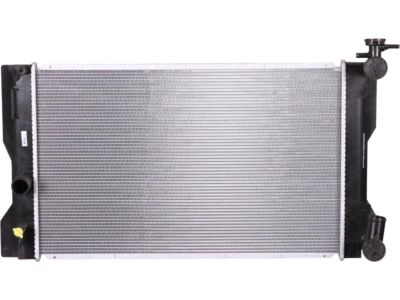
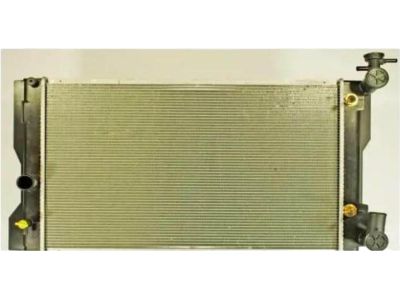
Toyota Corolla Radiator Assembly
Part Number: 16410-0T040$225.78 MSRP: $323.75You Save: $97.97 (31%)Ships in 1-2 Business Days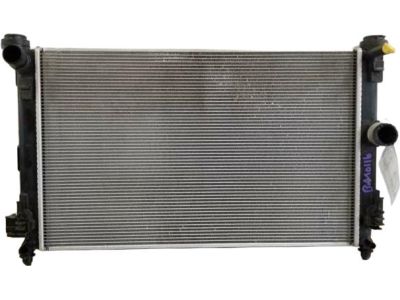
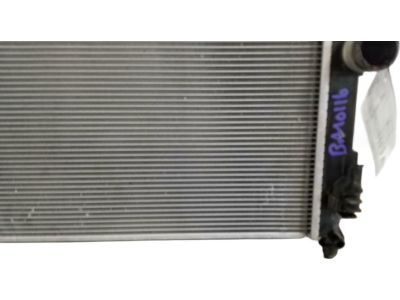
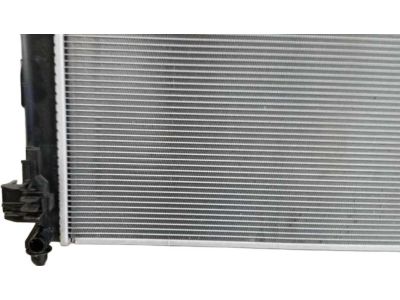
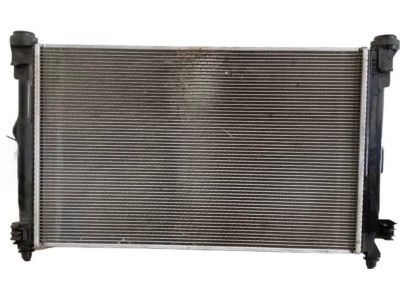
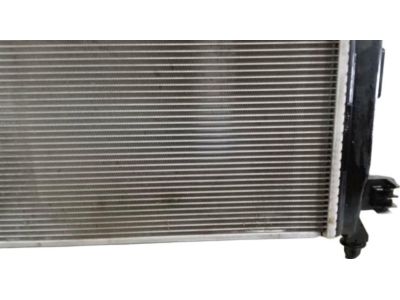
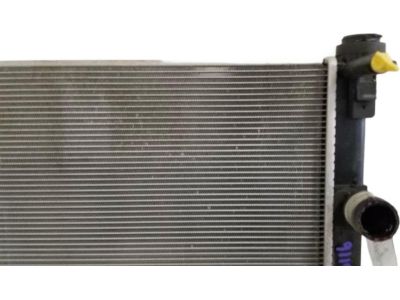
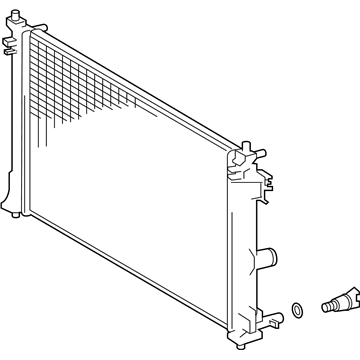
Toyota Corolla Radiator Assembly
Part Number: 16400-0T390$232.80 MSRP: $333.82You Save: $101.02 (31%)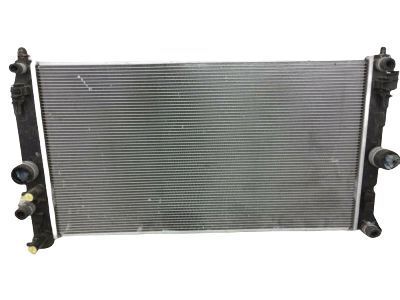
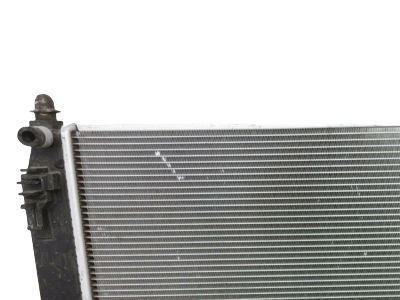
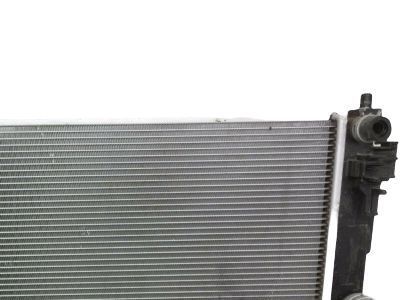
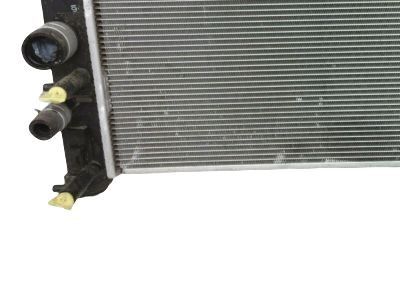
Toyota Corolla Radiator Assembly
Part Number: 16400-37311$232.80 MSRP: $333.82You Save: $101.02 (31%)Ships in 1-3 Business Days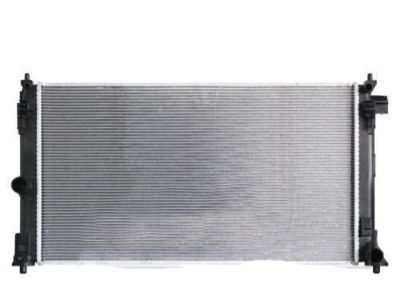
Toyota Corolla Radiator Assembly
Part Number: 16400-24320$239.80 MSRP: $343.85You Save: $104.05 (31%)Ships in 1-3 Business Days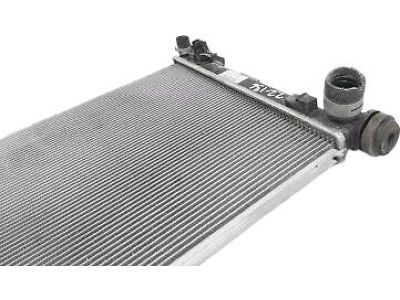
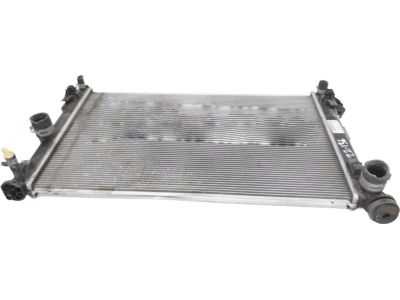
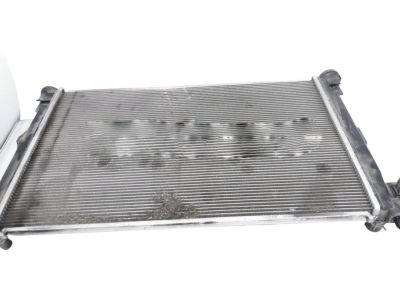
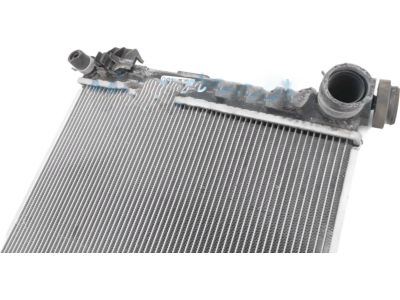
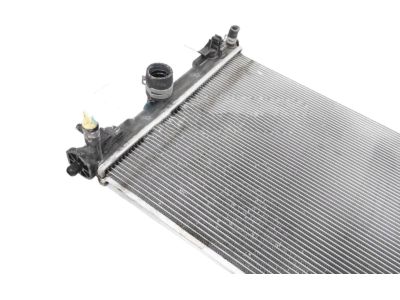
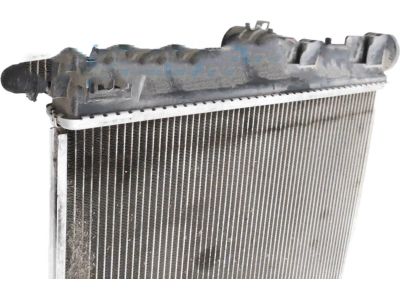
Toyota Corolla Radiator Assembly
Part Number: 16400-37400$250.20 MSRP: $358.77You Save: $108.57 (31%)Ships in 1-3 Business DaysToyota Corolla Radiator Assembly
Part Number: 16410-0H260$346.39 MSRP: $496.69You Save: $150.30 (31%)Ships in 1-3 Business DaysToyota Corolla Radiator Assembly
Part Number: 16400-0D240$80.96 MSRP: $113.94You Save: $32.98 (29%)Ships in 1-3 Business Days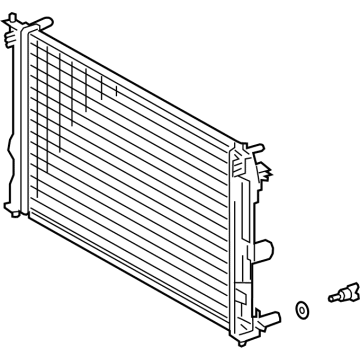
Toyota Corolla Radiator Assembly
Part Number: 16400-24380$251.48 MSRP: $360.60You Save: $109.12 (31%)Ships in 1-2 Business DaysToyota Corolla Radiator Assembly
Part Number: 16410-0T043$225.09 MSRP: $322.75You Save: $97.66 (31%)Ships in 1-3 Business DaysToyota Corolla Radiator Assembly
Part Number: 16400-21140$256.62 MSRP: $367.96You Save: $111.34 (31%)Ships in 1-3 Business DaysToyota Corolla Radiator Assembly
Part Number: 16400-37340$250.20 MSRP: $358.77You Save: $108.57 (31%)Ships in 1-3 Business Days
| Page 1 of 6 |Next >
1-20 of 101 Results
Toyota Corolla Radiator
Toyota Corolla Radiator is a major part of the car's area with a network of pipes as well as shiny metal sheets termed as fins. Locally known as the 'hot box', the radiator is placed between the engine and grille using the cooling fan and airflow from the moving car to cool hot liquid known as the coolant. Since different models of Corolla may have radiators with difference number of cores, it can be expected that bigger number of cores will produce more space for heat transfer. If one of these indicators is observed it may mean that the radiator is already damaged and includes rusting, leaking of coolant and over heating of the engine which is very dangerous to the engine. Thus, preventive maintenance and in particular, the timely change of a damaged radiator is critical when it comes to the cooling system in the Toyota Corolla car model.
If you are in demand for superior quality and affordable OEM Toyota Corolla Radiator, then shop with us! We own a wide range of the reduced-priced genuine Toyota Corolla Radiator. You can purchase in confidence as all parts come with a manufacturer's warranty. Any issues with our products? No need to worry as we have a hassle-free return policy to guide you every step of the way.
Toyota Corolla Radiator Parts Questions & Experts Answers
- Q:How to remove and install a radiator on Toyota Corolla?A:To remove the radiator, begin by disconnecting the negative battery cable and draining the engine coolant. Detach the upper and lower radiator hoses from the radiator, and disconnect the reservoir hose from the radiator filler neck. Remove the Cooling Fan Assembly, and if the vehicle has an automatic transaxle, disconnect the cooler lines from the radiator while using a drip pan to catch any fluid. Remove the two upper radiator mounting brackets, and carefully lift out the radiator, taking caution with dripping fluids and sharp fins. You can inspect the radiator for leaks, damage, and internal blockage, and if repairs are needed, it's recommended to seek assistance from a professional radiator shop or dealer service department due to the specialized techniques involved. Clean bugs and dirt from the radiator using compressed air and a soft brush, being careful not to bend the cooling fins. For installation, follow the reverse order of the removal procedure. Ensure that the rubber mounts are in place on the bottom of the radiator. After installation, fill the cooling system with the appropriate mixture of antifreeze and water. Start the engine and check for leaks. Allow the engine to reach normal operating temperature, indicated by both radiator hoses becoming hot. Recheck the coolant level and add more if necessary. On models equipped with an automatic transmission, check and add fluid as needed.
Related Toyota Corolla Parts
 Toyota Corolla Radiator Cap
 Toyota Corolla Water Pump
 Toyota Corolla Radiator Support
 Toyota Corolla Radiator Hose
 Toyota Corolla Fan Shroud
 Toyota Corolla Fan Motor
 Toyota Corolla Fan Blade
 Toyota Corolla Coolant Reservoir
 Toyota Corolla Fan Clutch
Browse by Year
2024 Radiator 2023 Radiator 2022 Radiator 2021 Radiator 2020 Radiator 2019 Radiator 2018 Radiator 2017 Radiator 2016 Radiator 2015 Radiator 2014 Radiator 2013 Radiator 2012 Radiator 2011 Radiator 2010 Radiator 2009 Radiator 2008 Radiator 2007 Radiator 2006 Radiator 2005 Radiator 2004 Radiator 2003 Radiator 2002 Radiator 2001 Radiator 2000 Radiator 1999 Radiator 1998 Radiator 1997 Radiator 1996 Radiator 1995 Radiator 1994 Radiator 1993 Radiator 1992 Radiator 1991 Radiator 1990 Radiator 1989 Radiator 1988 Radiator 1987 Radiator 1986 Radiator 1985 Radiator 1984 Radiator 1983 Radiator 1982 Radiator 1981 Radiator 1980 Radiator 1979 Radiator 1978 Radiator 1977 Radiator 1976 Radiator 1975 Radiator