

My Garage
My Account
Cart
Genuine Toyota Land Cruiser Engine Mount
Engine Motor Mount- Select Vehicle by Model
- Select Vehicle by VIN
Select Vehicle by Model
orMake
Model
Year
Select Vehicle by VIN
For the most accurate results, select vehicle by your VIN (Vehicle Identification Number).
67 Engine Mounts found
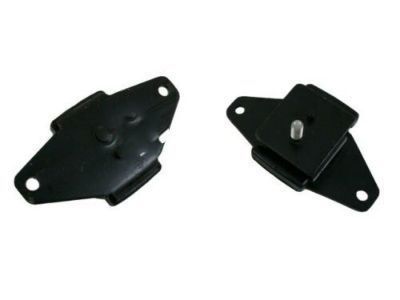
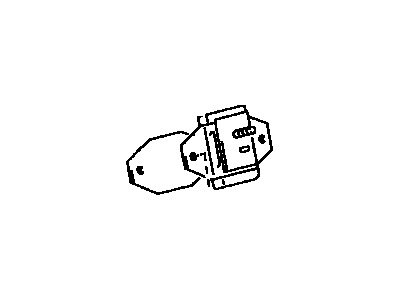
Toyota Land Cruiser Front Engine Mounting Insulator
Part Number: 12361-50121$162.62 MSRP: $231.19You Save: $68.57 (30%)Ships in 1-3 Business Days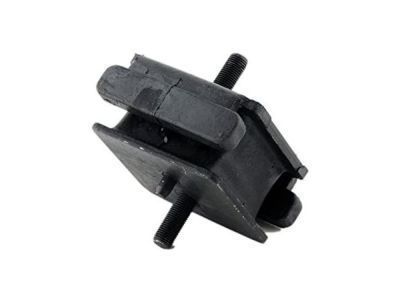
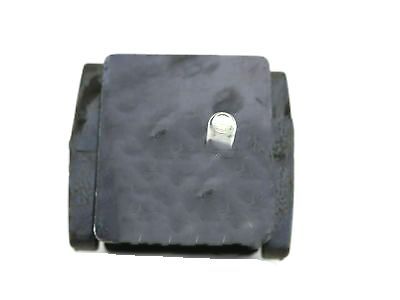
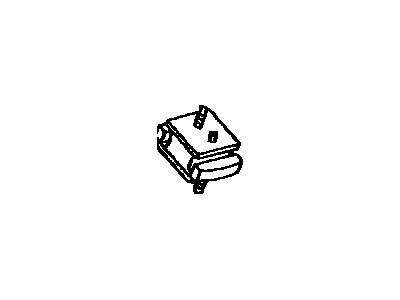
Toyota Land Cruiser Front Engine Mounting Insulator
Part Number: 12361-17011$105.01 MSRP: $148.02You Save: $43.01 (30%)Ships in 1-3 Business Days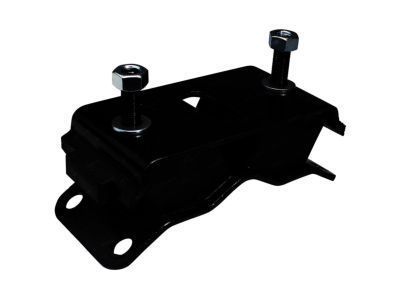
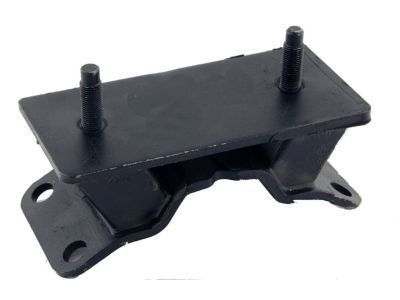
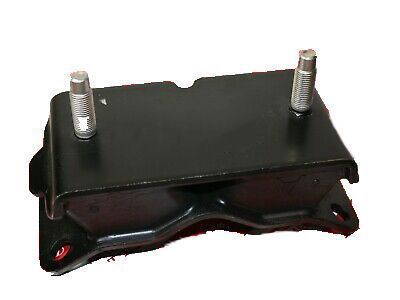
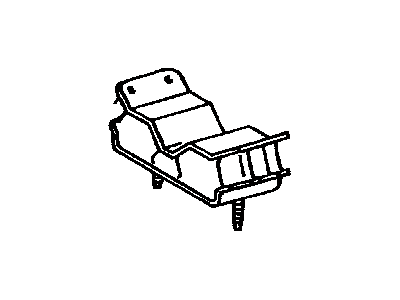
Toyota Land Cruiser Rear Engine Mounting Insulator
Part Number: 12371-66030$140.39 MSRP: $199.59You Save: $59.20 (30%)Ships in 1-3 Business Days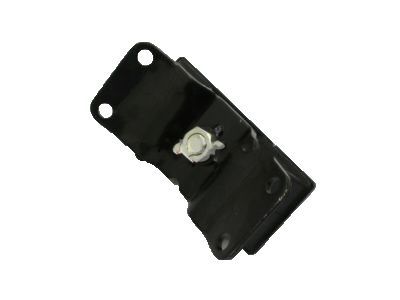
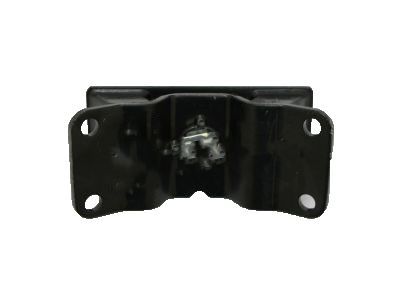
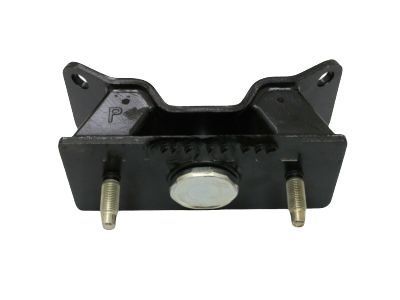
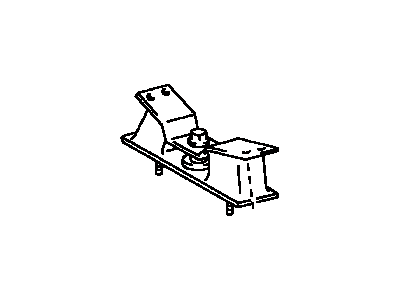
Toyota Land Cruiser Rear Engine Mounting Insulator
Part Number: 12371-50081$105.01 MSRP: $148.02You Save: $43.01 (30%)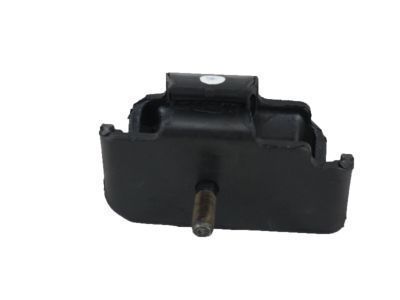
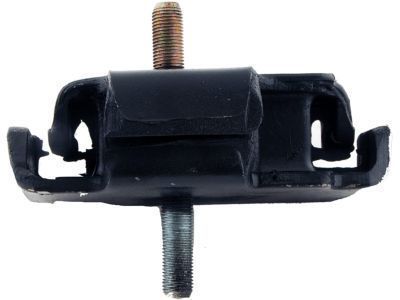
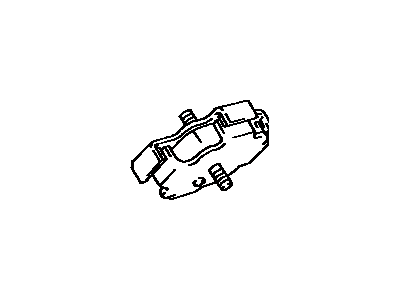
Toyota Land Cruiser Front Engine Mounting Insulator
Part Number: 12361-61020$113.27 MSRP: $159.67You Save: $46.40 (30%)Ships in 1-3 Business Days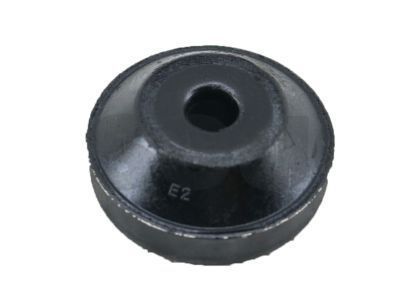
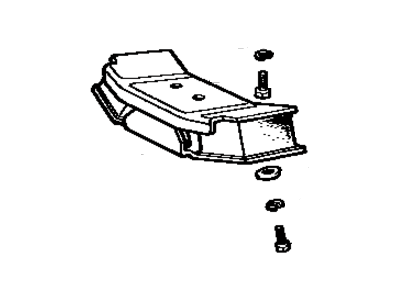
Toyota Land Cruiser Rear Engine Mounting Insulator
Part Number: 12371-60010$32.12 MSRP: $44.89You Save: $12.77 (29%)Ships in 1-3 Business Days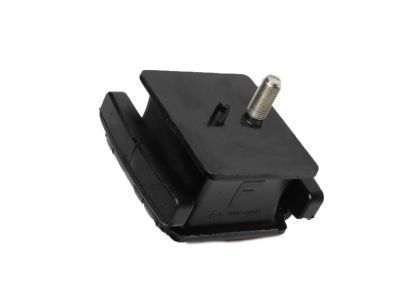
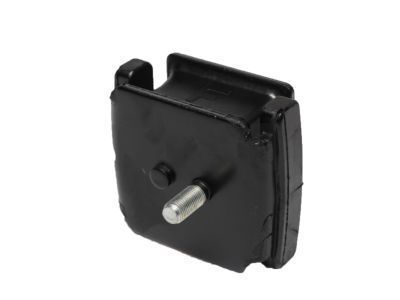
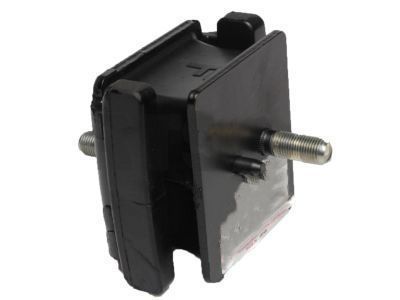
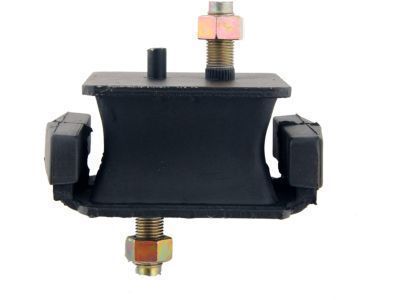
Toyota Land Cruiser Front Engine Mounting Insulator
Part Number: 12361-66030$105.01 MSRP: $148.02You Save: $43.01 (30%)Ships in 1-3 Business Days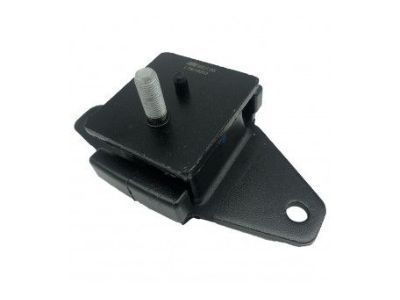
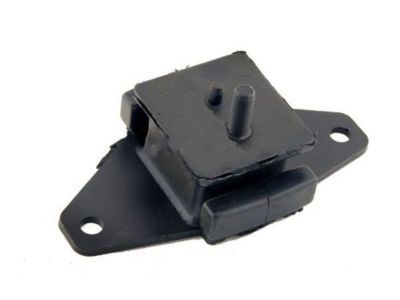
Toyota Land Cruiser Front Engine Mounting Insulator
Part Number: 12361-50120$106.19 MSRP: $149.69You Save: $43.50 (30%)Ships in 1-3 Business Days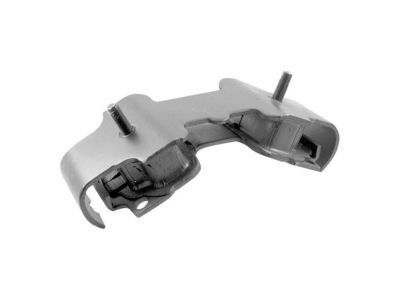
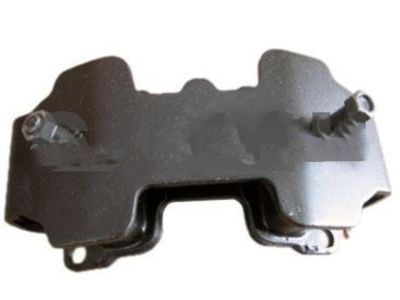
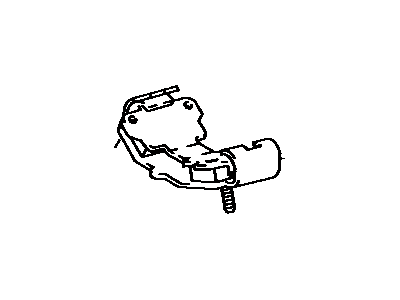
Toyota Land Cruiser Rear Engine Mounting Insulator
Part Number: 12371-61020$204.15 MSRP: $292.73You Save: $88.58 (31%)Ships in 1-3 Business Days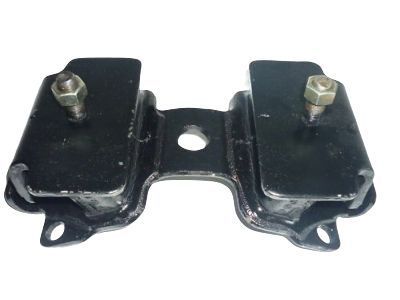
Toyota Land Cruiser Rear Engine Mounting Insulator
Part Number: 12371-61030$187.91 MSRP: $269.45You Save: $81.54 (31%)Ships in 1-3 Business Days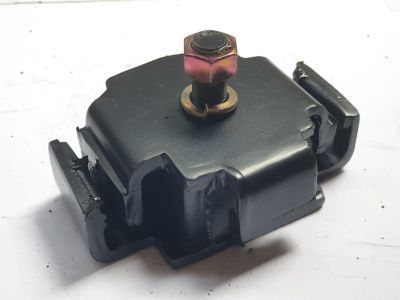
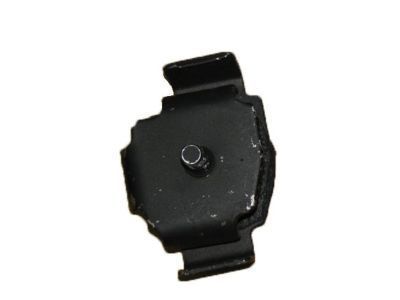
Toyota Land Cruiser Insulator, Engine Mounting, Front
Part Number: 12361-60022$80.23 MSRP: $113.09You Save: $32.86 (30%)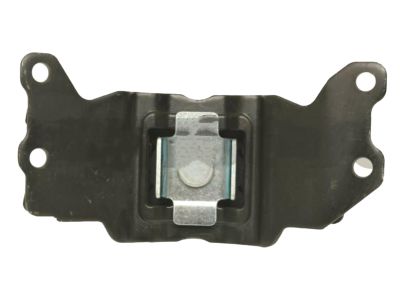
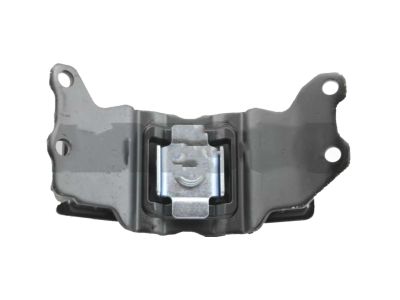
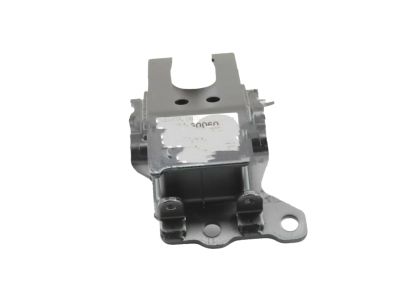
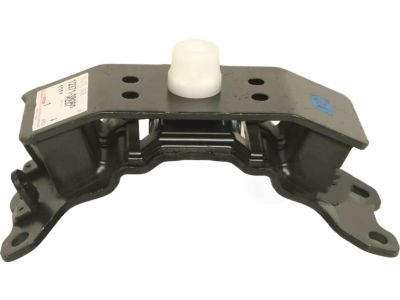
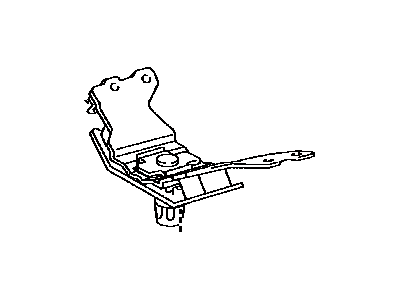
Toyota Land Cruiser Rear Engine Mounting Insulator
Part Number: 12371-38060$146.24 MSRP: $207.90You Save: $61.66 (30%)Ships in 1-2 Business Days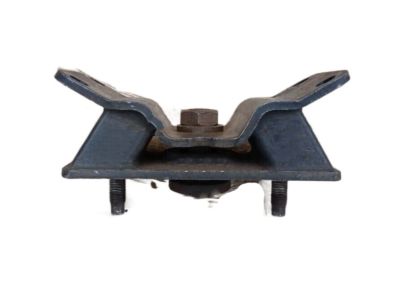
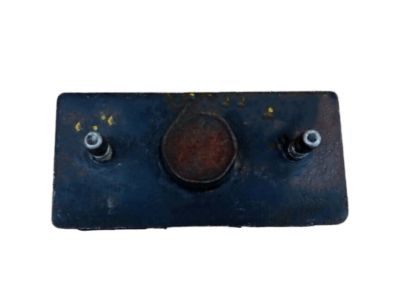
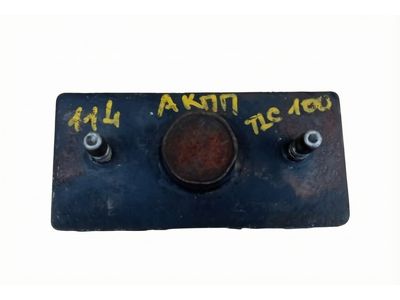
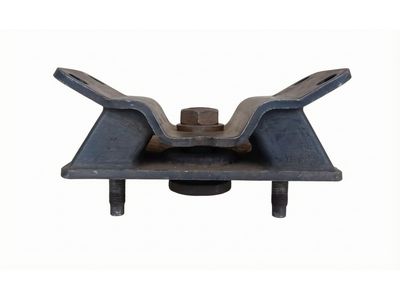
Toyota Land Cruiser Rear Engine Mounting Insulator
Part Number: 12371-50080$99.11 MSRP: $139.71You Save: $40.60 (30%)Ships in 1-3 Business Days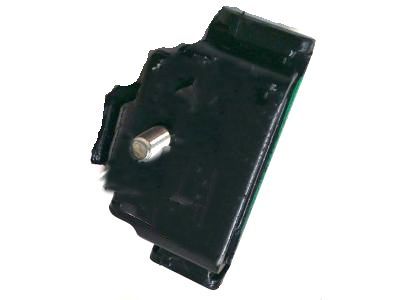
Toyota Land Cruiser Front Engine Mounting Insulator
Part Number: 12361-61050$106.19 MSRP: $149.69You Save: $43.50 (30%)Ships in 1-3 Business Days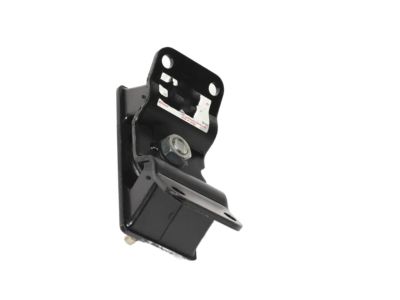
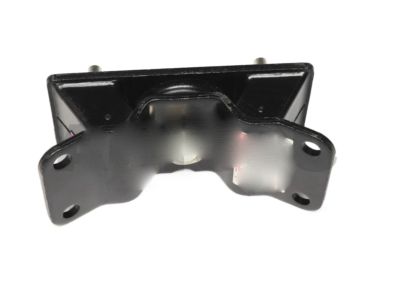
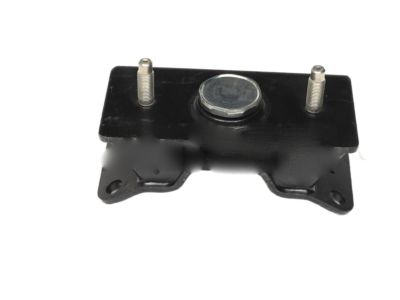
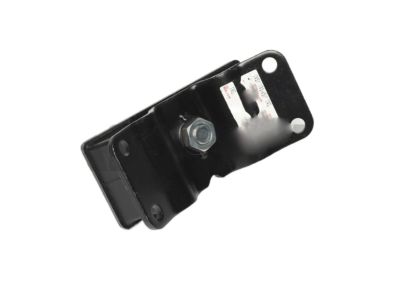
Toyota Land Cruiser Rear Engine Mounting Insulator
Part Number: 12371-50180$155.60 MSRP: $221.21You Save: $65.61 (30%)Ships in 1-3 Business Days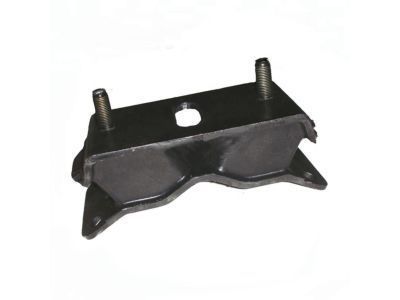
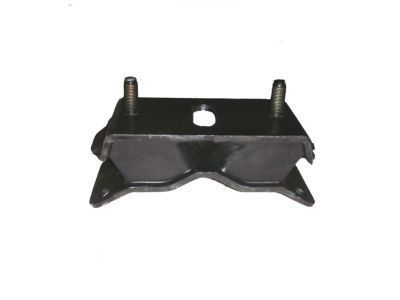
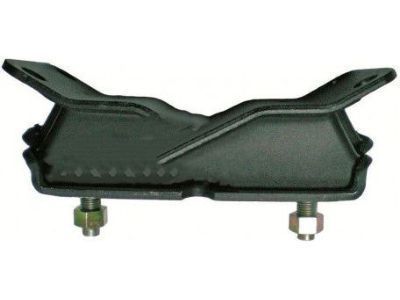
Toyota Land Cruiser Rear Engine Mounting Insulator
Part Number: 12371-61060$138.05 MSRP: $196.26You Save: $58.21 (30%)Ships in 1-3 Business Days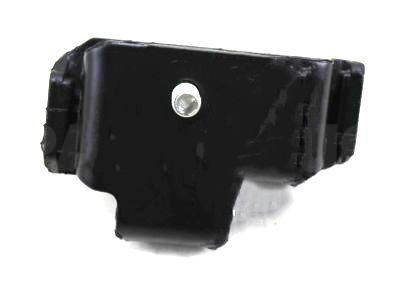
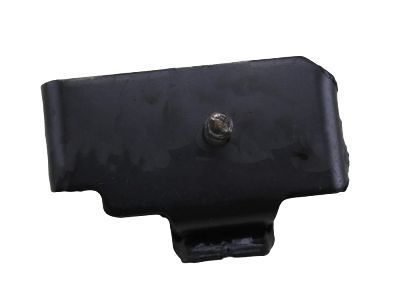
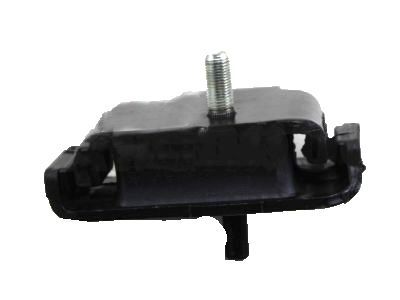
Toyota Land Cruiser Front Engine Mounting Insulator
Part Number: 12361-61031$100.29 MSRP: $141.37You Save: $41.08 (30%)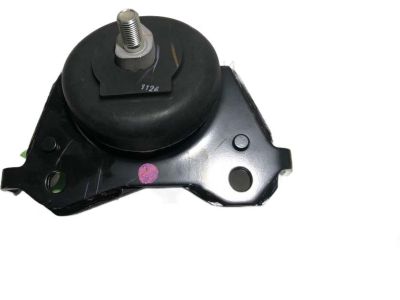
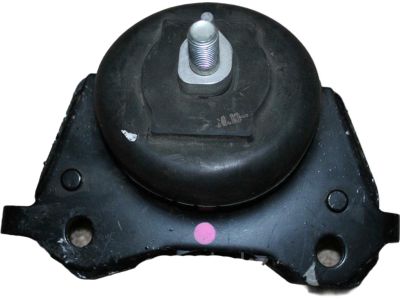
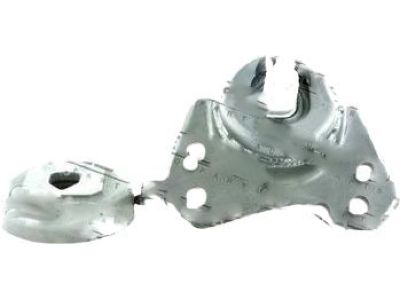
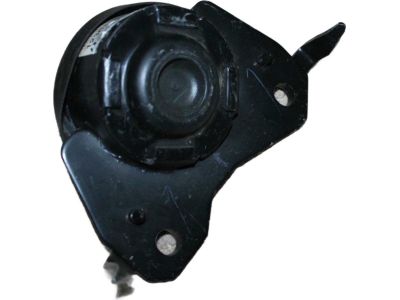
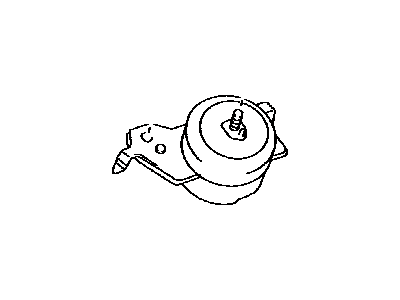
Toyota Land Cruiser Front Engine Mounting Insulator
Part Number: 12361-38190$154.43 MSRP: $219.55You Save: $65.12 (30%)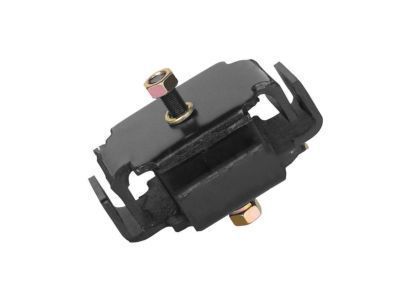
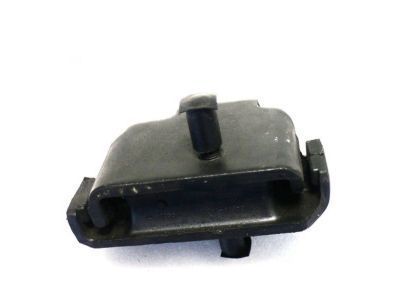
Toyota Land Cruiser Front Engine Mounting Insulator
Part Number: 12361-61030$100.29 MSRP: $141.37You Save: $41.08 (30%)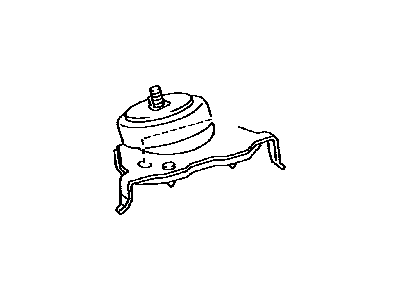
Toyota Land Cruiser Engine Mounting Insulator Front Left Hand
Part Number: 12362-38010$164.96 MSRP: $234.52You Save: $69.56 (30%)
| Page 1 of 4 |Next >
1-20 of 67 Results
Toyota Land Cruiser Engine Mount
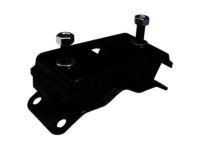
The Engine Mount of Toyota Land Cruiser is attached to the chassis so that noise and vibration caused during the usual operation can be reduced. An Engine Mount commonly consists of two metal brackets, one attached to the engine and the other secured to the vehicle structure. There is also a rubber insulator between the two brackets to absorb any movement. This prevents any excessive movement by the powertrain from its designed location. Vibration isolation is an added comfort with these techniques, but a focus on holding the engine in position prevents damage. It will ensure a properly operating engine. Some vehicles use hydraulic fluid in their Engine Mount to provide additional damping. An advanced version uses electronic control. This version remains soft when the engine is idling, but it stiffens as the engine speed picks up. It does this to limit engine motion. The rubber part might become spongy, split, or separate with heat and oil exposure, while hydraulic style might lose its effectiveness if it leaks the fluid. Decreased vibration isolation can result in excessive vibration or an abnormal noise in the Toyota Land Cruiser. The Toyota Land Cruiser Engine Mount is an important part of a vehicle. It supports the engine and ensures comfort. So, reliable functioning of the Toyota Land Cruiser Engine Mount is essential.
If you are in demand for superior quality and affordable OEM Toyota Land Cruiser Engine Mount, then shop with us! We own a wide range of the reduced-priced genuine Toyota Land Cruiser Engine Mount. You can purchase in confidence as all parts come with a manufacturer's warranty. Any issues with our products? No need to worry as we have a hassle-free return policy to guide you every step of the way.
Toyota Land Cruiser Engine Mount Parts Questions & Experts Answers
- Q:What should be done if engine mounts are broken or deteriorated on Toyota Land Cruiser?Posted by Dray H.A:Engine mounts seldom require attention, but broken or deteriorated mounts should be replaced immediately to prevent added strain on driveline components that may cause damage or wear. During the check, the engine must be raised slightly to remove the weight from the mounts. Raise the vehicle and support it securely on jackstands, then position a jack under the engine Oil Pan with a large wood block between the jack head and the oil pan, carefully raising the engine just enough to take the weight off the mounts while avoiding the drain plug. Inspect the mounts for cracked, hardened rubber or separation from the metal plates, noting that the rubber may split down the center. Check for relative movement between the mount plates and the engine or frame using a large screwdriver or pry bar; if movement is noted, lower the engine and tighten the mount fasteners. Applying rubber preservative can help slow deterioration. To replace the mounts, disconnect the negative battery cable, raise the vehicle, and support it securely on jackstands while supporting the engine as previously described. Caution is advised if the vehicle's stereo has an anti-theft system, ensuring the correct activation code is available before disconnecting the battery. For the right engine mount, remove the nuts from underneath, one bolt from above, and separate the upper section from the engine bracket, then detach the mount after removing the mount-to-chassis nuts. For the left engine mount, remove the mounting bolt and nut, separating the upper and lower mount, and then remove the bolts from the engine block and chassis retaining the insulator. Installation follows the reverse order of removal, using thread locking compound on the mount bolts and nuts, ensuring they are tightened securely.Answered by Toyota Parts Specialist Phil / Jun 08, 2022
Related Toyota Land Cruiser Parts
 Toyota Land Cruiser Exhaust Hanger
 Toyota Land Cruiser Fender
 Toyota Land Cruiser Flywheel
 Toyota Land Cruiser Engine Cover
 Toyota Land Cruiser Harmonic Balancer
 Toyota Land Cruiser Exhaust Heat Shield
 Toyota Land Cruiser Exhaust Valve
 Toyota Land Cruiser Floor Pan
 Toyota Land Cruiser Front Cross-Member
 Toyota Land Cruiser Fuel Line Clamps
 Toyota Land Cruiser Idler Pulley Bolt
Browse by Year
2021 Engine Mount 2020 Engine Mount 2019 Engine Mount 2018 Engine Mount 2017 Engine Mount 2016 Engine Mount 2015 Engine Mount 2014 Engine Mount 2013 Engine Mount 2012 Engine Mount 2011 Engine Mount 2010 Engine Mount 2009 Engine Mount 2008 Engine Mount 2007 Engine Mount 2006 Engine Mount 2005 Engine Mount 2004 Engine Mount 2003 Engine Mount 2002 Engine Mount 2001 Engine Mount 2000 Engine Mount 1999 Engine Mount 1998 Engine Mount 1997 Engine Mount 1996 Engine Mount 1995 Engine Mount 1994 Engine Mount 1993 Engine Mount 1992 Engine Mount 1991 Engine Mount 1990 Engine Mount 1989 Engine Mount 1988 Engine Mount 1987 Engine Mount 1986 Engine Mount 1985 Engine Mount 1984 Engine Mount 1983 Engine Mount 1982 Engine Mount 1981 Engine Mount 1980 Engine Mount 1979 Engine Mount 1978 Engine Mount 1977 Engine Mount 1976 Engine Mount 1975 Engine Mount 1974 Engine Mount 1973 Engine Mount 1972 Engine Mount 1971 Engine Mount 1970 Engine Mount 1969 Engine Mount