

My Garage
My Account
Cart
Genuine Toyota Land Cruiser Piston Ring Set
Piston Ring- Select Vehicle by Model
- Select Vehicle by VIN
Select Vehicle by Model
orMake
Model
Year
Select Vehicle by VIN
For the most accurate results, select vehicle by your VIN (Vehicle Identification Number).
42 Piston Ring Sets found
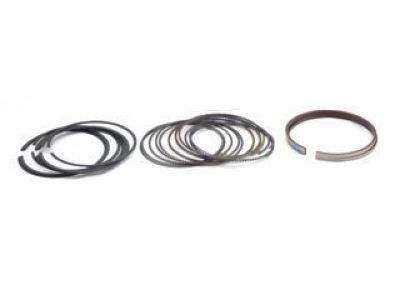
Toyota Land Cruiser Piston Ring Set
Part Number: 13011-0S011$329.08 MSRP: $471.87You Save: $142.79 (31%)Ships in 1-3 Business Days
Toyota Land Cruiser Piston Ring Set
Part Number: 13011-66021$388.34 MSRP: $579.33You Save: $190.99 (33%)Ships in 1-2 Business Days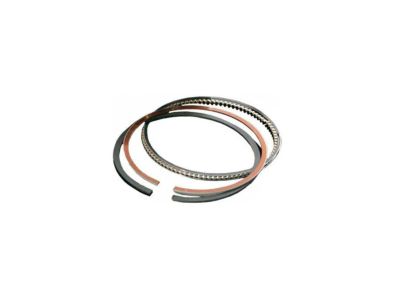
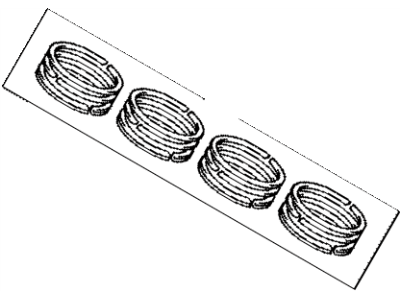
Toyota Land Cruiser Piston Ring Set
Part Number: 13013-61010$426.92 MSRP: $636.88You Save: $209.96 (33%)Ships in 1-3 Business Days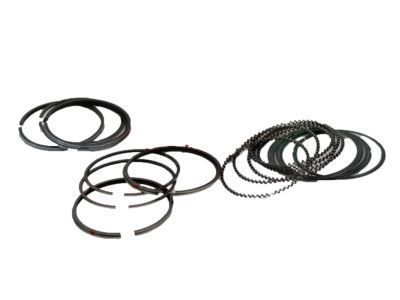
Toyota Land Cruiser Piston Ring Set
Part Number: 13011-61062$358.68 MSRP: $535.09You Save: $176.41 (33%)Ships in 1-3 Business Days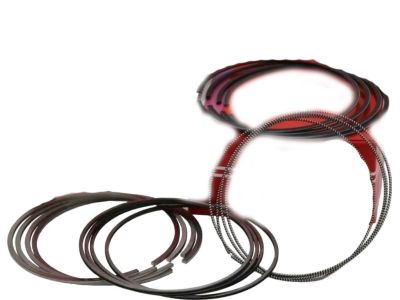
Toyota Land Cruiser Piston Ring Set
Part Number: 13017-61010$343.02 MSRP: $511.72You Save: $168.70 (33%)Ships in 1-3 Business Days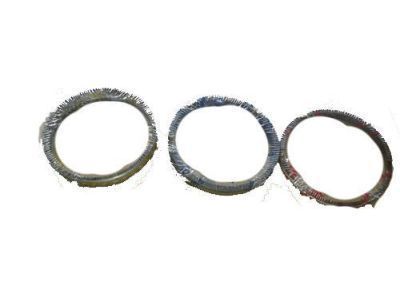
Toyota Land Cruiser Piston Ring Set
Part Number: 13015-61010$414.43 MSRP: $618.26You Save: $203.83 (33%)Ships in 1-3 Business Days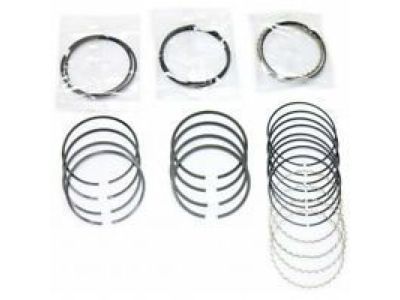
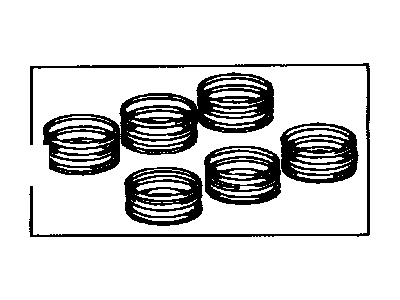
Toyota Land Cruiser Piston Ring Set
Part Number: 13011-50160$431.61 MSRP: $643.87You Save: $212.26 (33%)Ships in 1-3 Business DaysToyota Land Cruiser Piston Ring Set
Part Number: 13011-38120$364.72 MSRP: $544.09You Save: $179.37 (33%)Ships in 1-3 Business DaysToyota Land Cruiser Piston Ring Set
Part Number: 13013-50140$524.63 MSRP: $782.64You Save: $258.01 (33%)Ships in 1-3 Business DaysToyota Land Cruiser Piston Ring Set
Part Number: 13013-50160$481.22 MSRP: $717.89You Save: $236.67 (33%)Ships in 1-3 Business DaysToyota Land Cruiser Piston Ring Set
Part Number: 13013-50141$543.11 MSRP: $810.93You Save: $267.82 (34%)Ships in 1-3 Business DaysToyota Land Cruiser Piston Ring Set
Part Number: 13017-61062$344.22 MSRP: $513.51You Save: $169.29 (33%)Ships in 1-3 Business Days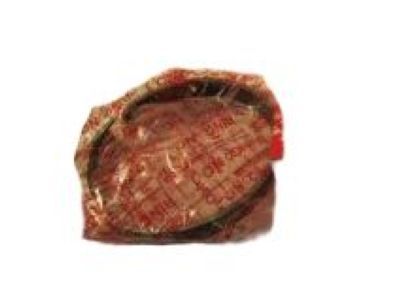
Toyota Land Cruiser Piston Ring Set
Part Number: 13013-66021$469.63 MSRP: $700.59You Save: $230.96 (33%)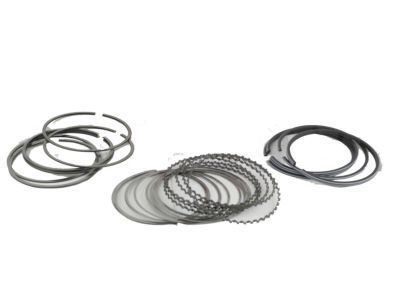
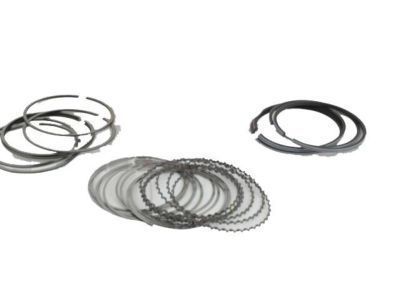
Toyota Land Cruiser Piston Ring Set
Part Number: 13015-66021$474.64 MSRP: $708.07You Save: $233.43 (33%)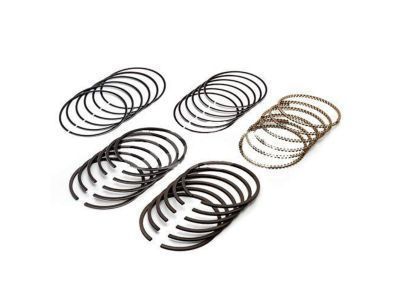
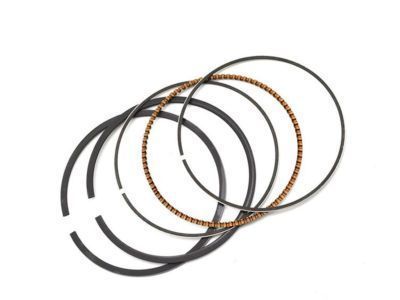
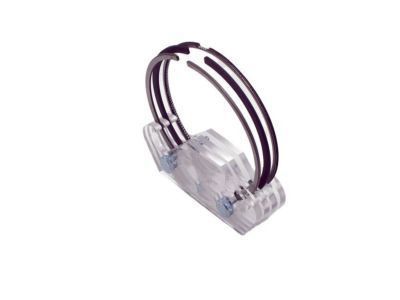
Toyota Land Cruiser Piston Ring Set
Part Number: 13011-61010$376.75 MSRP: $562.03You Save: $185.28 (33%)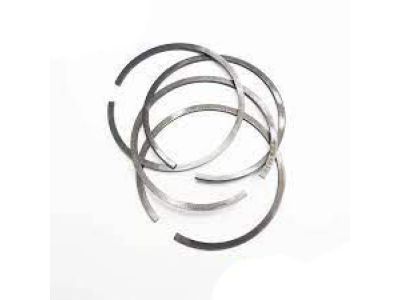
Toyota Land Cruiser Piston Ring Set
Part Number: 13011-50141$481.45 MSRP: $718.22You Save: $236.77 (33%)
| Page 1 of 3 |Next >
1-20 of 42 Results
Toyota Land Cruiser Piston Ring Set
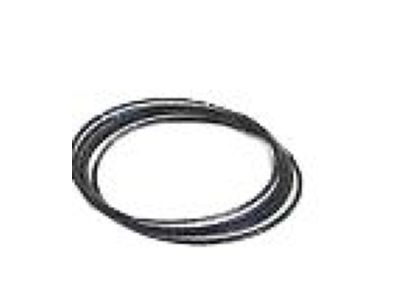
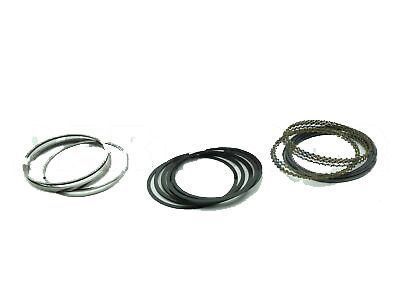
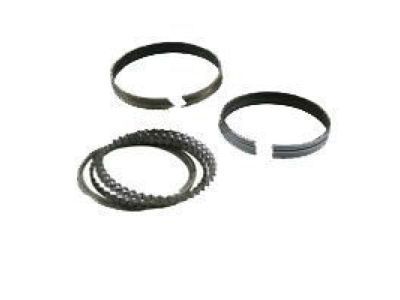
The Toyota Land Cruiser Piston Ring Set maintains sealing of the combustion chamber and controls oil consumption to improve performance or reduce emissions. A cylinder in the Toyota Land Cruiser usually has three rings per piston from the Piston Ring Set. There are two compression rings and one oil control ring. These rings have separate jobs. The Piston Ring Set prevents high pressure gases from leaking into the crankcase, moves heat from the piston to the cylinder wall, and scrapes excess oil down to regulate lubrication. The top ring in the Piston Ring Set may be made of cast iron or steel with a ductile base and a coating of plasma molybdenum or chromium on the face to resist heat in the combustion chamber of the Toyota Land Cruiser. The contemporary design trends for piston rings seen in the Piston Ring Set are of thinner rings, such as 1 mm upper and second rings and a 2 mm oil ring, so that friction is decreased yet the Toyota Land Cruiser engine keeps a tight seal for effective power transfer.
If you are in demand for superior quality and affordable OEM Toyota Land Cruiser Piston Ring Set, then shop with us! We own a wide range of the reduced-priced genuine Toyota Land Cruiser Piston Ring Set. You can purchase in confidence as all parts come with a manufacturer's warranty. Any issues with our products? No need to worry as we have a hassle-free return policy to guide you every step of the way.
Toyota Land Cruiser Piston Ring Set Parts Questions & Experts Answers
- Q:How Should the Piston Ring Set End Gaps Be Checked and Corrected Before Installation on a Toyota Land Cruiser?Posted by Kalika S.A:Before the new Piston rings are to be installed, the ring end gap should be measured while the piston ring side clearance must be set. Position the piston/connecting rod assemblies, as well as the new ring sets to be matched with the correct piston and cylinder while measuring the end gap as well as during the actual engine assembly. Slide the top ring into the first cylinder with the piston top forcing it inward so that it fits adjacent the cylinder inner wall in close proximity to the bottom of the cylinder. Between the ends of the ring, insert feeler gauges until the correct gauge width is obtained, the gauge would slightly drag. If the gap is incorrect, ensure that the rings are correct before going any further. If the end clearance is too small, using a file carefully, thin the ring ends from the outside in to increase the amount of end gap while, too much end gap is not a problem provided it does not exceed 0.040-inch. Do this until all the rings are done in all the cylinders and ensure you have grouped the rings, pistons and cylinders. After the end gaps are inspected and adjusted, fit the rings to the pistons, the oil control ring comprises three sections. Place the spacer/expander into the groove and if present position the anti-rotation tang correctly, and finally screw in both the lower and upper side rails, it is advisable to use the piston ring installation tool in order not to damage it. Following the installation of the oil ring parts, rotate both side rails end to end in the groove. After that, use the middle ring placing it in a proper manner with the identification mark facing upward, as the manufacturer's guidelines installed the top and the middle rings interchangeably. Last but not the least; put the top ring also in the similar way making sure that the mark is facing up, do this for all the pistons and rings.Answered by Toyota Parts Specialist Andy / Mar 02, 2022
Related Toyota Land Cruiser Parts
 Toyota Land Cruiser Oil Pump Gasket
 Toyota Land Cruiser Oil Pan Gasket
 Toyota Land Cruiser Oil Pump
 Toyota Land Cruiser Rod Bearing
 Toyota Land Cruiser Crankshaft Pulley
 Toyota Land Cruiser Oil Pan
 Toyota Land Cruiser Crankshaft Thrust Washer Set
Browse by Year
2021 Piston Ring Set 2020 Piston Ring Set 2019 Piston Ring Set 2018 Piston Ring Set 2017 Piston Ring Set 2016 Piston Ring Set 2015 Piston Ring Set 2014 Piston Ring Set 2013 Piston Ring Set 2012 Piston Ring Set 2011 Piston Ring Set 2010 Piston Ring Set 2009 Piston Ring Set 2008 Piston Ring Set 2007 Piston Ring Set 2006 Piston Ring Set 2005 Piston Ring Set 2004 Piston Ring Set 2003 Piston Ring Set 2002 Piston Ring Set 2001 Piston Ring Set 2000 Piston Ring Set 1999 Piston Ring Set 1998 Piston Ring Set 1997 Piston Ring Set 1996 Piston Ring Set 1995 Piston Ring Set 1994 Piston Ring Set 1993 Piston Ring Set 1992 Piston Ring Set 1991 Piston Ring Set 1990 Piston Ring Set 1989 Piston Ring Set 1988 Piston Ring Set 1987 Piston Ring Set 1986 Piston Ring Set 1985 Piston Ring Set 1984 Piston Ring Set 1983 Piston Ring Set 1982 Piston Ring Set 1981 Piston Ring Set 1980 Piston Ring Set 1979 Piston Ring Set 1978 Piston Ring Set 1977 Piston Ring Set 1976 Piston Ring Set 1975 Piston Ring Set 1974 Piston Ring Set 1973 Piston Ring Set 1972 Piston Ring Set 1971 Piston Ring Set 1970 Piston Ring Set 1969 Piston Ring Set