

My Garage
My Account
Cart
Genuine Toyota Land Cruiser Piston
Engine Pistons- Select Vehicle by Model
- Select Vehicle by VIN
Select Vehicle by Model
orMake
Model
Year
Select Vehicle by VIN
For the most accurate results, select vehicle by your VIN (Vehicle Identification Number).
90 Pistons found
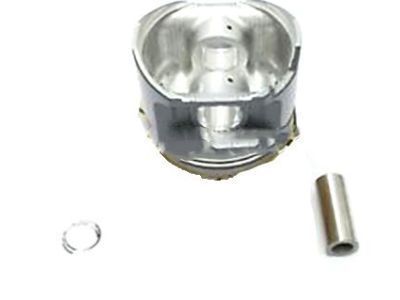
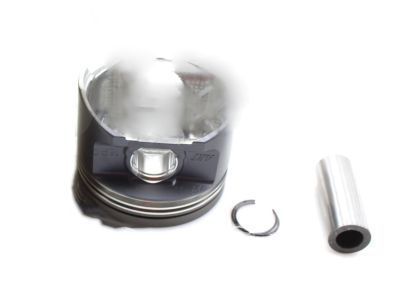
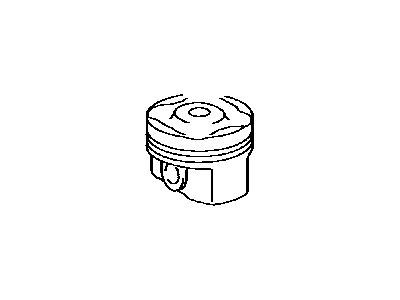
Toyota Land Cruiser Piston Sub-Assembly with Pin
Part Number: 13103-66040$145.54 MSRP: $206.90You Save: $61.36 (30%)Ships in 1-2 Business Days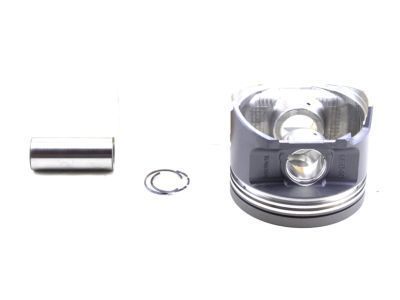
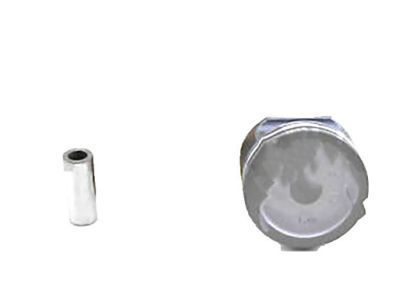
Toyota Land Cruiser Piston Sub-Assembly with Pin
Part Number: 13105-66040$147.64 MSRP: $209.90You Save: $62.26 (30%)Ships in 1-3 Business Days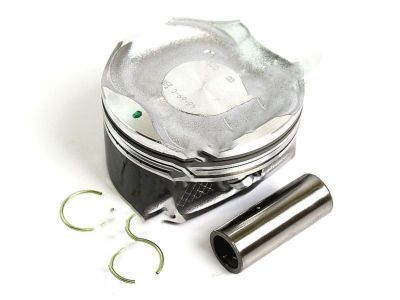
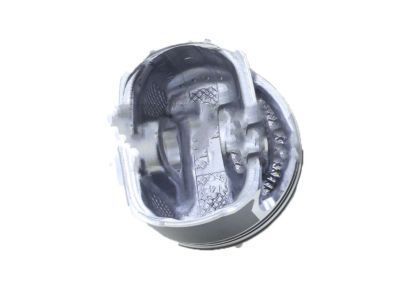
Toyota Land Cruiser Piston Sub-Assembly with Pin
Part Number: 13101-0S011$101.59 MSRP: $143.20You Save: $41.61 (30%)Ships in 1-3 Business Days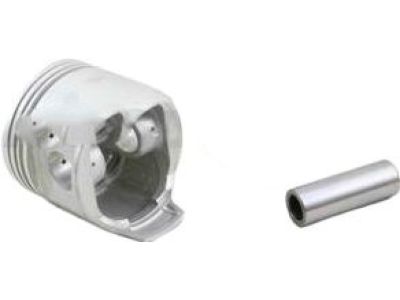
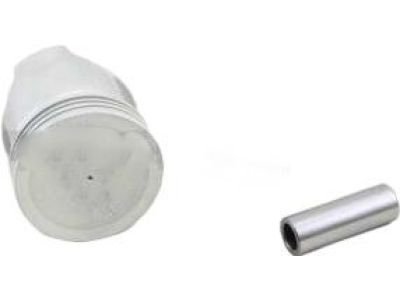
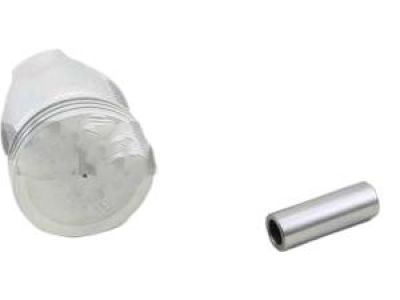
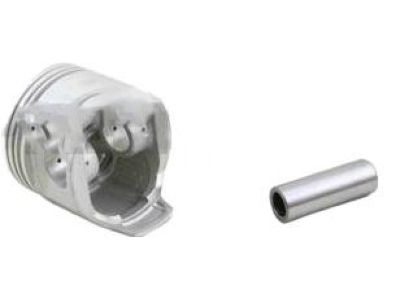
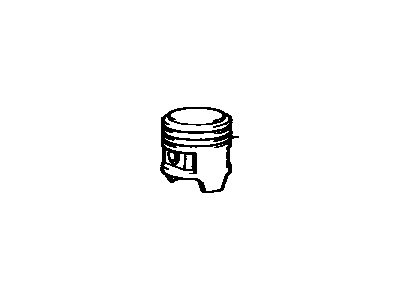
Toyota Land Cruiser Piston Sub-Assembly with Pin
Part Number: 13103-61011$134.54 MSRP: $191.27You Save: $56.73 (30%)Ships in 1-3 Business Days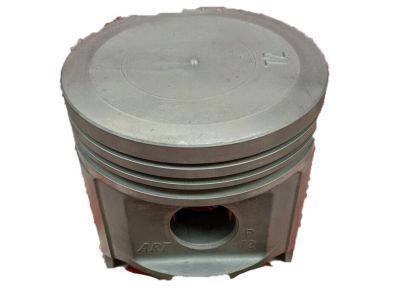
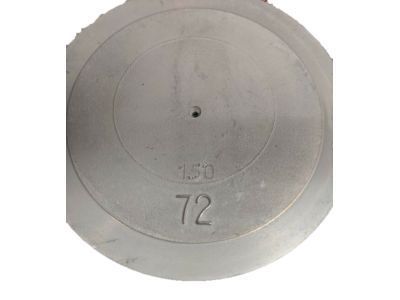
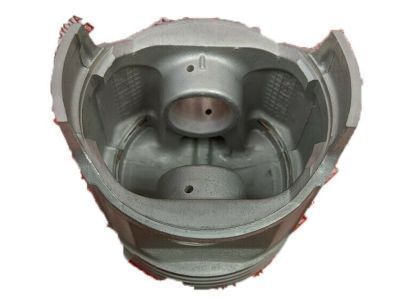
Toyota Land Cruiser Piston Sub-Assembly with Pin
Part Number: 13107-61011$101.47 MSRP: $143.03You Save: $41.56 (30%)Ships in 1-3 Business Days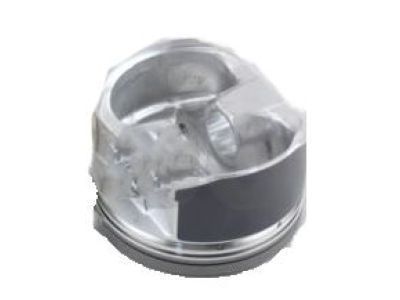
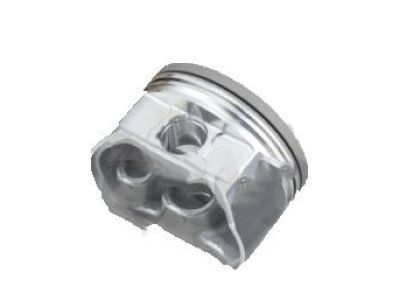
Toyota Land Cruiser Piston Sub-Assembly with Pin
Part Number: 13101-50061-01$114.59 MSRP: $161.53You Save: $46.94 (30%)Ships in 1-3 Business DaysToyota Land Cruiser Piston Sub-Assembly with Pin
Part Number: 13101-61011$111.26 MSRP: $156.84You Save: $45.58 (30%)Ships in 1-3 Business Days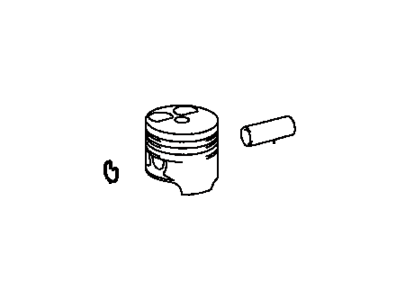
Toyota Land Cruiser Piston Sub Assembly With Pin Left Hand
Part Number: 13303-50040$149.51 MSRP: $212.56You Save: $63.05 (30%)Ships in 1-3 Business DaysToyota Land Cruiser Piston Sub-Assembly with Pin, Left Hand
Part Number: 13301-50040-01$101.43 MSRP: $142.98You Save: $41.55 (30%)Ships in 1-3 Business DaysToyota Land Cruiser Piston Sub-Assembly with Pin
Part Number: 13105-61011$143.31 MSRP: $203.75You Save: $60.44 (30%)Ships in 1-3 Business DaysToyota Land Cruiser Piston Sub-Assembly with Pin
Part Number: 13101-66040-03$132.54 MSRP: $188.43You Save: $55.89 (30%)Ships in 1-3 Business DaysToyota Land Cruiser Piston Sub-Assembly with Pin
Part Number: 13101-50050-01$101.43 MSRP: $142.98You Save: $41.55 (30%)Ships in 1-3 Business DaysToyota Land Cruiser Piston Sub-Assembly with Pin
Part Number: 13105-61032$92.91 MSRP: $130.98You Save: $38.07 (30%)Ships in 1-3 Business DaysToyota Land Cruiser Piston Sub-Assembly with Pin
Part Number: 13101-61031$132.08 MSRP: $187.78You Save: $55.70 (30%)Ships in 1-3 Business DaysToyota Land Cruiser Piston Sub-Assembly with Pin
Part Number: 13103-50051$138.12 MSRP: $196.36You Save: $58.24 (30%)Ships in 1-3 Business Days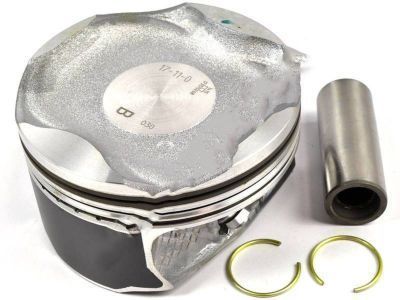
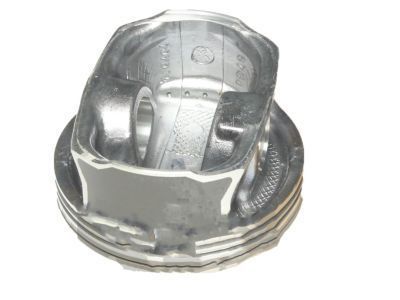
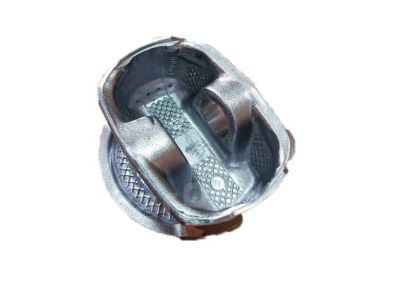
Toyota Land Cruiser Piston Sub-Assembly with Pin
Part Number: 13101-0S030$84.48 MSRP: $119.08You Save: $34.60 (30%)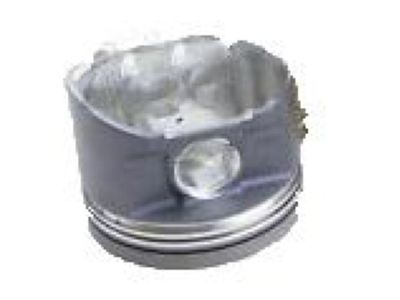
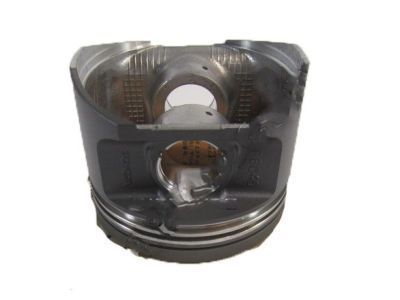
Toyota Land Cruiser Piston Sub-Assembly with Pin
Part Number: 13101-66040-02$145.54 MSRP: $206.90You Save: $61.36 (30%)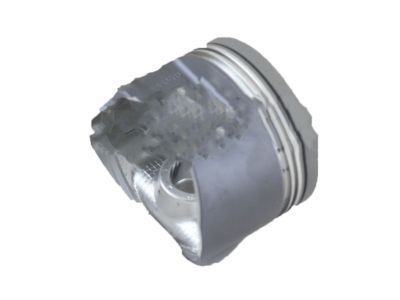
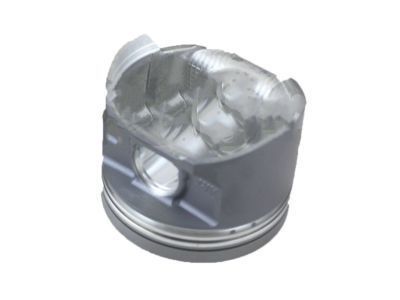
Toyota Land Cruiser Piston Sub-Assembly with Pin
Part Number: 13101-66040-01$143.31 MSRP: $203.75You Save: $60.44 (30%)Toyota Land Cruiser Piston Sub-Assembly with Pin
Part Number: 13107-61032$124.43 MSRP: $176.90You Save: $52.47 (30%)
| Page 1 of 5 |Next >
1-20 of 90 Results
Toyota Land Cruiser Piston
The Piston in a Toyota Land Cruiser is an engine component that moves and receives combustion pressure, sending force through the connecting rod to rotate the crankshaft. Manufactured from a cast or forged aluminum alloy, Toyota units are light but strong. The Piston's steel or ductile iron rings form a gas-tight seal against the cylinder wall so that blow-by is kept to a minimum and oil control is reasonable. The top compression ring is for high heat while another helps with sealing. The small end of the rod of the Piston has a wrist pin that makes it float to avoid friction. The actual size of each unit is guided by various factors like bore size, compression ratio, and valve clearance; thus, the minor components are designed for a perfect fit in the Toyota engine block and function uniformly in the Land Cruiser platform. It may be observed that there is a skirt coating present on each Toyota Land Cruiser Piston. This particular coating helps to reduce scuffing. This component is at the heart of the smooth functioning of any Land Cruiser engine, and a well-machined Piston strikes a balance between durability and efficiency.
If you are in demand for superior quality and affordable OEM Toyota Land Cruiser Piston, then shop with us! We own a wide range of the reduced-priced genuine Toyota Land Cruiser Piston. You can purchase in confidence as all parts come with a manufacturer's warranty. Any issues with our products? No need to worry as we have a hassle-free return policy to guide you every step of the way.
Toyota Land Cruiser Piston Parts Questions & Experts Answers
- Q:How to remove the piston and connecting rod assemblies on Toyota Land Cruiser?Posted by Eulice C.A:Prior to removing the piston and connecting rod assemblies, the cylinder head, oil pan, and oil pump must be taken off. First, use your fingernail to check for any ridge at the upper limit of ring travel, which is about 1/4-inch down from the top of each cylinder. If ridges are present due to carbon deposits or cylinder wear, they must be completely removed with a ridge reamer before attempting to remove the pistons to avoid breakage. Once the ridges are cleared, turn the engine upside-down with the crankshaft facing up. Before removing the connecting rods, check the endplay using feeler gauges, ensuring the play is eliminated. If the endplay exceeds the service limit, new connecting rods may be necessary. Check the connecting rods and caps for identification marks, and if they are not marked, use a center-punch to create indentations. Loosen the connecting rod cap nuts gradually until they can be removed by hand, then take off the number one connecting rod cap and bearing insert without dropping the insert. To protect the crankshaft journal and cylinder wall during piston removal, slip a short length of plastic or rubber hose over each connecting rod cap bolt. Remove the bearing insert and push the connecting rod/piston assembly out through the top of the engine, using a wooden hammer handle to apply pressure on the upper bearing surface. If resistance is encountered, ensure all ridge material has been removed. Repeat this process for the remaining cylinders. After removal, reassemble the connecting rod caps and bearing inserts in their respective rods and install the cap nuts finger tight to prevent damage to the bearing surfaces. It is important not to separate the pistons from the connecting rods.Answered by Toyota Parts Specialist Jerry / Mar 10, 2026
Related Toyota Land Cruiser Parts
 Toyota Land Cruiser Timing Belt
 Toyota Land Cruiser Master Cylinder Repair Kit
 Toyota Land Cruiser Power Steering Hose
 Toyota Land Cruiser Hydraulic Hose
 Toyota Land Cruiser Timing Chain
 Toyota Land Cruiser Input Shaft Bearing
 Toyota Land Cruiser Rod Bearing
 Toyota Land Cruiser Timing Chain Tensioner
 Toyota Land Cruiser Pilot Bearing
 Toyota Land Cruiser Piston Ring Set
 Toyota Land Cruiser Power Steering Reservoir
Browse by Year
2021 Piston 2020 Piston 2019 Piston 2018 Piston 2017 Piston 2016 Piston 2015 Piston 2014 Piston 2013 Piston 2012 Piston 2011 Piston 2010 Piston 2009 Piston 2008 Piston 2007 Piston 2006 Piston 2005 Piston 2004 Piston 2003 Piston 2002 Piston 2001 Piston 2000 Piston 1999 Piston 1998 Piston 1997 Piston 1996 Piston 1995 Piston 1994 Piston 1993 Piston 1992 Piston 1991 Piston 1990 Piston 1989 Piston 1988 Piston 1987 Piston 1986 Piston 1985 Piston 1984 Piston 1983 Piston 1982 Piston 1981 Piston 1980 Piston 1979 Piston 1978 Piston 1977 Piston 1976 Piston 1975 Piston 1974 Piston 1973 Piston 1972 Piston 1971 Piston 1970 Piston 1969 Piston