My Garage
My Account
Cart
Genuine Toyota Prius Horn
Alarm Horn- Select Vehicle by Model
- Select Vehicle by VIN
Select Vehicle by Model
orMake
Model
Year
Select Vehicle by VIN
For the most accurate results, select vehicle by your VIN (Vehicle Identification Number).
15 Horns found
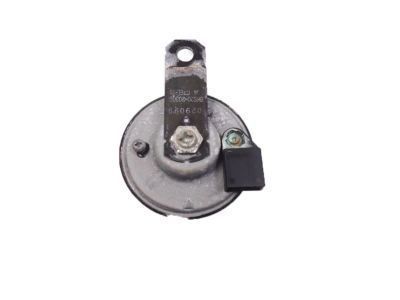
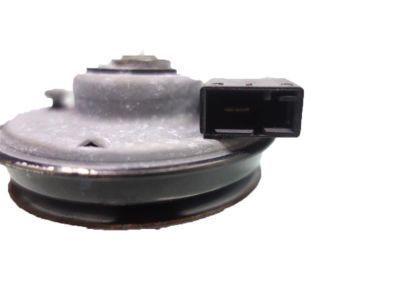
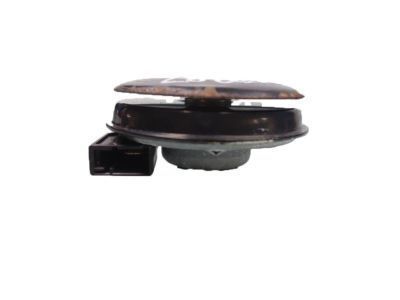
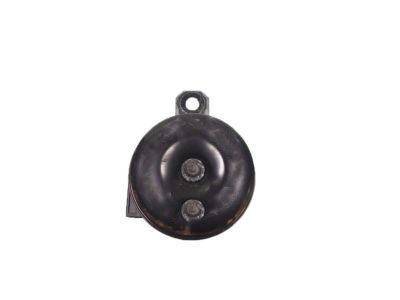
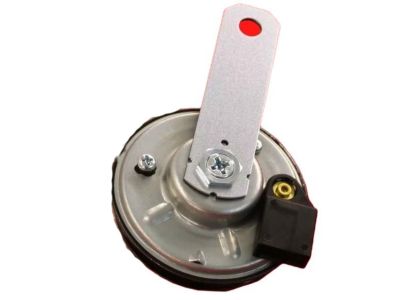
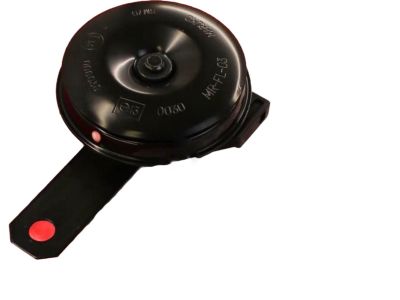
Toyota Prius Low Pitched Horn Assembly
Part Number: 86520-20300$67.37 MSRP: $94.96You Save: $27.59 (30%)Ships in 1-3 Business Days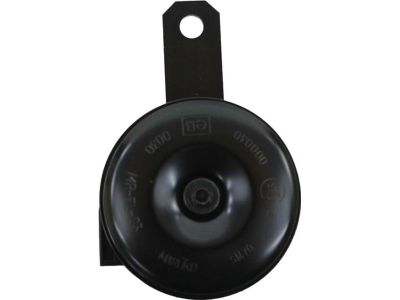
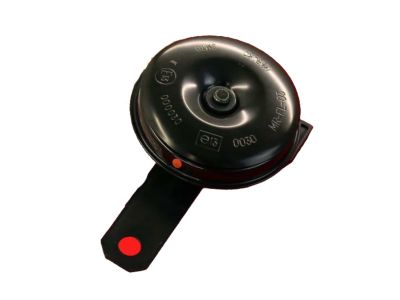
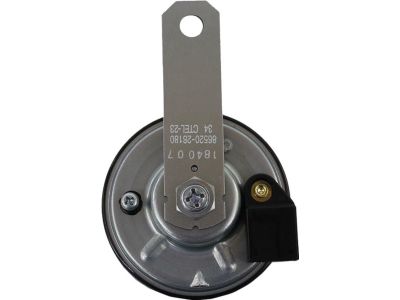
Toyota Prius Low Pitched Horn Assembly
Part Number: 86520-28180$74.68 MSRP: $105.27You Save: $30.59 (30%)Ships in 1 Business Day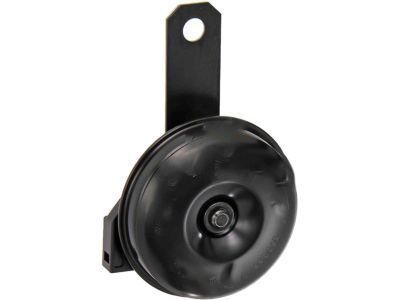
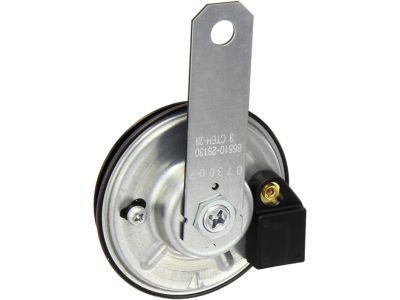
Toyota Prius High Pitched Horn Assembly
Part Number: 86510-28130$74.68 MSRP: $105.27You Save: $30.59 (30%)Ships in 1 Business Day
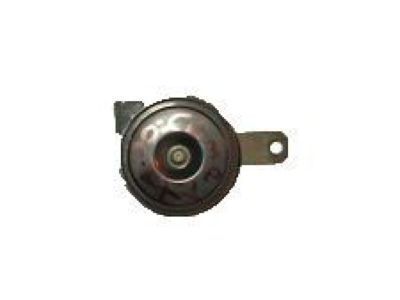
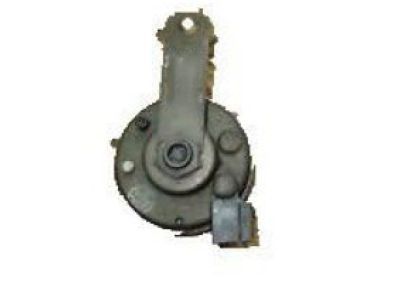
Toyota Prius High Pitched Horn Assembly
Part Number: 86510-28090$67.37 MSRP: $94.96You Save: $27.59 (30%)Ships in 1-3 Business Days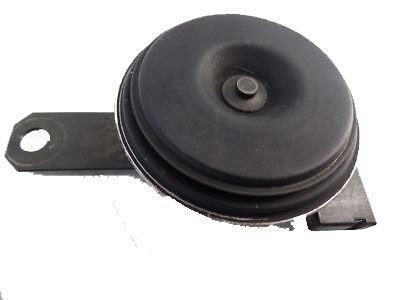
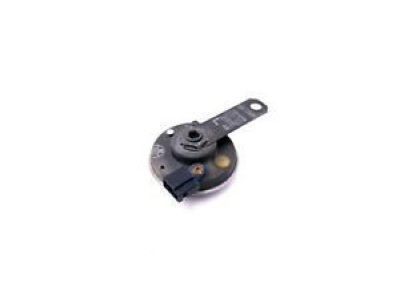
Toyota Prius Low Pitched Horn Assembly
Part Number: 86520-28080$67.37 MSRP: $94.96You Save: $27.59 (30%)Ships in 1-3 Business Days
Toyota Prius High Pitched Horn Assembly
Part Number: 86510-47060$74.68 MSRP: $105.27You Save: $30.59 (30%)Ships in 1-3 Business Days
Toyota Prius Low Pitched Horn Assembly
Part Number: 86520-47030$76.92 MSRP: $108.43You Save: $31.51 (30%)Ships in 1-3 Business DaysToyota Prius Low Pitched Horn Assembly
Part Number: 86520-47040$74.68 MSRP: $105.27You Save: $30.59 (30%)Ships in 1-3 Business Days
Toyota Prius Security Horn Assembly
Part Number: 86510-47030$84.82 MSRP: $119.56You Save: $34.74 (30%)Ships in 1-3 Business DaysToyota Prius High Pitched Horn Assembly
Part Number: 86510-47050$76.92 MSRP: $108.43You Save: $31.51 (30%)Ships in 1-3 Business Days
Toyota Prius Security Horn Assembly
Part Number: 86510-47010$84.51 MSRP: $119.12You Save: $34.61 (30%)Ships in 1-3 Business Days
Toyota Prius High Pitched Horn Assembly
Part Number: 86510-42060$52.93 MSRP: $73.99You Save: $21.06 (29%)Ships in 1-3 Business Days
Toyota Prius Low Pitched Horn Assembly
Part Number: 86520-42100$52.93 MSRP: $73.99You Save: $21.06 (29%)Ships in 1-3 Business Days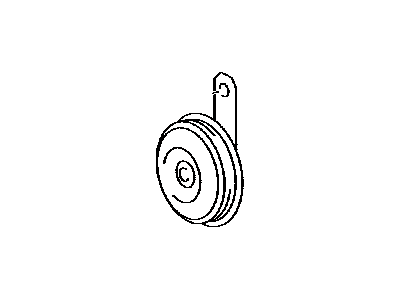
Toyota Prius Horn
The Toyota Prius comes equipped with a Toyota safety Horn. This part produces a loud sound letting pedestrians as well as other drivers notice the hybrid. The basic Horn mechanism is like any car Horn. Horn transforms electric current from the steering wheel switch into rapid diaphragm vibration which either creates a honk or a beep. Earlier models of the Prius had a deeper honk. Later on, manufacturers are opting for a higher-pitched beep sound. This is done to ensure quick communication with fellow road users. Additionally, this beep sound is friendlier. Both styles share the same compact electromagnetic unit. A coil pulls an armature that opens and closes contacts in milliseconds. On factory assembly failures, owners typically replace the sealed module, as its design already protects delicate parts from water and dirt. Toyota maintains a straightforward approach in their entire lineup, allowing for direct power transmission to the Horn through the switch, relay, and fuse, resulting in near-instant sound. No matter the model year, the Prius is essentially dependent on a Horn. It normally costs a reasonable amount and is able to save much larger crash bills by announcing the presence of the vehicle in traffic.
If you are in demand for superior quality and affordable OEM Toyota Prius Horn, then shop with us! We own a wide range of the reduced-priced genuine Toyota Prius Horn. You can purchase in confidence as all parts come with a manufacturer's warranty. Any issues with our products? No need to worry as we have a hassle-free return policy to guide you every step of the way.
Toyota Prius Horn Parts Questions & Experts Answers
- Q:How to check and replace Horn on Toyota Prius?A:Regarding electrical diagnosis, start with the fuses. Initially, remove electrical connection terminal of the horn. To check the horn, apply battery voltage across the horn terminal with a jumper wire; if the horn does not sound then it should be replaced. If the horn does sound, then with the horn button pressed, and supply voltage at the terminal next to it. If the is voltage at the terminal, look for the defective ground at the horn. If you do not get voltage at the horn, examine the Relay. If the relay is good, jumper across the relay power and control circuits to apply power; if no voltage is present in either circuit, examine the circuits' wiring between the relay and the fuse panel. If you are getting voltage to both of the relay circuits, push in the horn button and scope the circuit between the relay terminal and the horn button for continuity to ground. If there is no continuity, check for the open; and if there is no open then replace the horn button. If horn is tapping through button, check for opens or shorts on the circuit for the relay to the horn. For 2001 through 2003 models, there are two horns: one behind the right headlight and the other located in middle of front of engine hood; the center horn however is housed at the center of front bumper and thus will entail the owner to first undock the front bumper cover. To replace horn, remove the horn's electrical connector and then remove the bracket to bolt, and the installation is done in reverse method pursued in their removal. For the models produced after 2004 you need to take off the front bumper cover to reach either horn, whereas to access the horns on the vehicle manufactured after 2010 you can separate the upper screws and slightly pull the bumper cover forward. To replace a horn it is necessary to unplug the electrical connector and unbolt the bracket from the horn, while the procedure for installation is opposite from that of removal.